Waxing
Half-Leg vs Full-Leg Waxing: Which Service Should You Book

Quick answer
A half-leg wax usually covers the lower leg from ankle to knee (some studios let you choose the upper half instead), while a full-leg wax covers the whole leg from ankle to the top of the thigh. Choose a half leg if you mainly show your calves or have light thigh hair. Choose a full leg if you wear shorts or swimwear often or dislike shaving your thighs.
Half-leg vs full-leg waxing looks like a simple menu choice, but clients pick the wrong one all the time. Some book a full leg when they only ever show their calves, then wonder why the appointment took so long. Others book a half leg for a beach trip and leave with a visible line of hair above the knee. The difference between the two services is not only how much leg is waxed. It also changes how long you are on the table, how the service is priced, how the regrowth looks between visits and how easy it is to pair with a bikini wax.
I am Aida Khazieva, a licensed electrologist and cosmetologist, and in more than twenty years of hair removal work I have watched leg clients settle into patterns that suit their lives. This guide is a decision guide: how to choose between a half leg and a full leg, what each service covers in most US studios, and when an upgrade, a downgrade or a combination makes sense. If you want a walk-through of what happens during a leg wax appointment from start to finish, read my leg waxing guide on what to expect. Here the focus is the choice itself.
The short answer: a half-leg wax usually covers either the lower leg from ankle to knee or the upper leg from knee to the top of the thigh, while a full-leg wax covers the entire leg from ankle to the top of the thigh. Choose a half leg if you only show your lower legs or have little upper-leg hair, and a full leg if you wear shorts, swimwear or short skirts or dislike shaving any part of your legs.
What a Half-Leg and a Full-Leg Wax Cover
In most US studios a half-leg wax means one half of the leg, usually ankle to knee, and a full-leg wax means ankle to the top of the thigh, including the knee. The details vary between businesses, and the menu wording is not standardized. Some studios define a half leg as the lower leg only and sell an "upper leg" or "thigh" wax separately. Others let you choose either half under the same price. A few include the knee in the lower-leg service. Many do not include the feet and toes in either service and list them as a small add-on.
Full-leg waxing usually stops at the bikini line, meaning where underwear would sit. Hair in the bikini area itself is a separate service with its own technique and pricing, often done with hard wax. The inner thigh up toward the groin sits in a gray zone between the two services. Some studios include the inner thigh to the panty line in a full leg, while others treat the uppermost inner thigh as part of the bikini. If that area matters to you, ask before you book rather than in the room.
| Area | Half leg (lower) | Half leg (upper) | Full leg |
|---|---|---|---|
| Ankles and shins | Included | Not included | Included |
| Calves (back of lower leg) | Included | Not included | Included |
| Knee | Often included, check the menu | Sometimes included | Included |
| Front and back of thighs | Not included | Included | Included |
| Inner thigh to the panty line | Not included | Usually included | Usually included |
| Feet and toes | Often an add-on | Not included | Often an add-on |
| Bikini line | Separate service | Separate service | Separate service |
Read your studio's description carefully, and if the wording is vague, ask three questions: does the half leg include the knee, does the full leg include the inner thigh up to the panty line, and are the feet and toes included. Those three answers settle most confusion. A clear studio will answer in one sentence each.
Menu names add to the confusion. You may see "lower leg," "half leg," "calf and shin," "upper leg," "thigh," "three-quarter leg" or "full leg with bikini" on different studio menus. A three-quarter leg, where offered, usually means the lower leg plus the knee and the lower part of the thigh, which suits clients who wear skirts that end just above the knee. It is less common, and it is worth asking about if neither half nor full fits the hemlines you wear most.
How to Choose Between Half-Leg vs Full-Leg Waxing
The best way to choose between half-leg vs full-leg waxing is to match the service to what you actually show, how much upper-leg hair you have and how often you want to think about it. Clothing habits matter more than anything else. If you spend most of the year in long pants, skirts at the knee or longer, or dresses with tights, a lower-leg wax handles everything visible. If shorts, swimwear, short skirts or gym wear are part of your routine, the thigh becomes visible and a full leg starts to make sense.
Hair density on the thighs is the second factor. Many people have noticeably lighter, finer hair on the upper leg than on the shins. If yours is light and sparse, you might be happy leaving it alone or shaving it occasionally while waxing only the lower legs. If your thigh hair is dark, coarse or dense, shaving it causes stubble that shows quickly, and the full leg tends to be the more comfortable long-term choice.
The third factor is how you feel about mixing methods. Some clients happily wax the lower leg and shave the thigh, but shaving one half of the leg while waxing the other creates two different regrowth cycles. Shaved hair returns as blunt stubble within days, while waxed hair returns more slowly and with tapered tips. If the line where the two methods meet bothers you, the full leg removes that issue.
- Choose a lower half leg if you mostly show your calves and shins, have fine or light thigh hair, or are trying leg waxing for the first time.
- Choose an upper half leg if your lower legs are already handled (for example by laser or electrolysis) or you only need the thighs before a specific event.
- Choose a full leg if you wear shorts, swimwear or short skirts often, have dark or dense thigh hair, or dislike shaving any part of your legs.
- Combine a full leg with a bikini if you want an unbroken smooth result from ankle to bikini line.
Time on the Table: How Long Each Service Takes
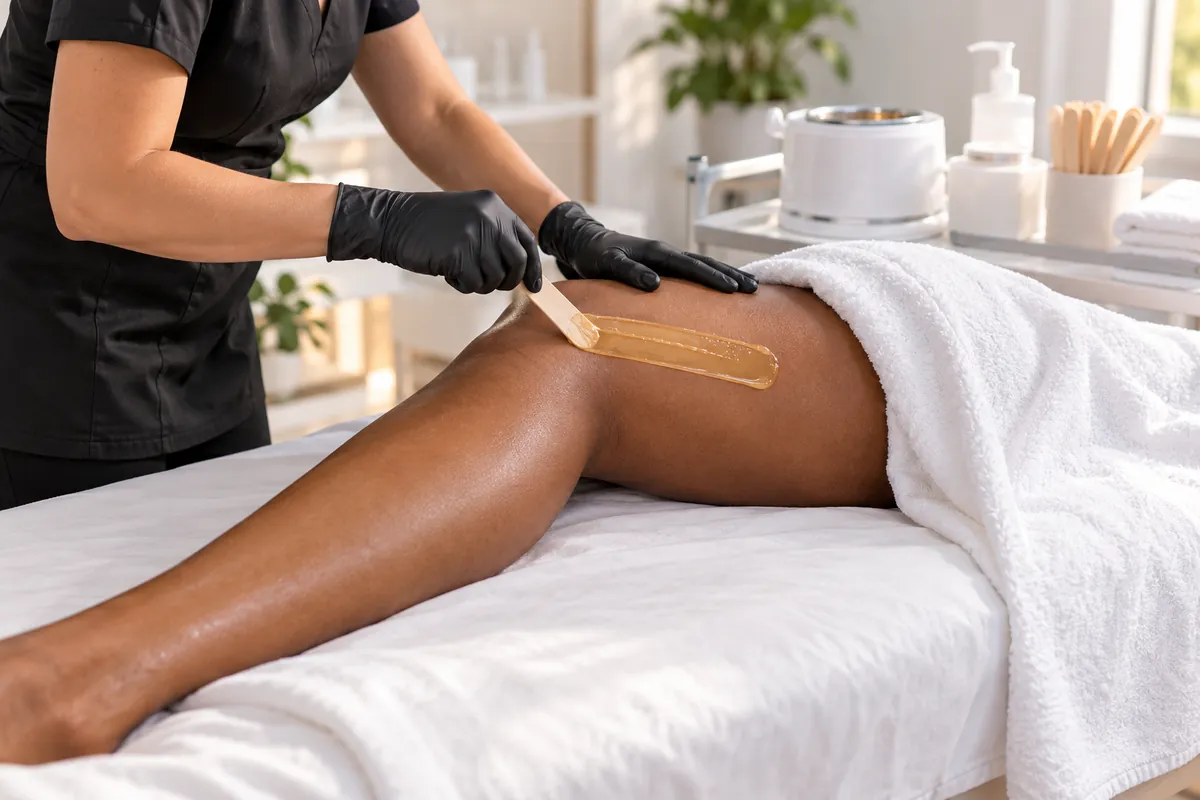
A full-leg wax takes noticeably longer than a half-leg wax, and the exact time depends on hair density, hair length, the waxer's speed and whether hard wax is needed on difficult spots. I will not give minute counts here because they vary too much between studios and clients. What I can say from practice is that the thigh often takes longer than the lower leg, not shorter, because the area is larger, the hair grows in more directions, and the tissue on the thigh moves more and needs careful skin tension.
First appointments take longer than repeat ones. On a first visit the waxer is reading your growth patterns, may need to trim long hair and may have to go back over stubborn patches with hard wax. By the third or fourth appointment, if you are on a regular schedule, the hair is often more evenly synchronized in its growth cycle, and the service can move faster.
If you are booking a full leg with a bikini wax, plan for the combined time and do not schedule something important immediately after. You will want a moment to put on loose clothing and let your skin settle. Many studios list estimated times on their booking page, and that is the most reliable number for your specific appointment. When in doubt, call and ask how long they block in the schedule for your combination.
Price and Value: Why a Full Leg Usually Costs Less Per Area
A full-leg wax usually costs more than a half leg but less than booking the lower and upper legs separately, which makes it the better value if you need both halves. Studios price this way because setup, consultation and cleanup are shared, and because a full leg books one longer slot rather than two shorter ones. Exact prices vary widely by region, type of business and the waxer's experience, so I will not quote numbers. Compare the menu prices at studios near you directly.
Value is not only the price of one appointment. Think in terms of a year. If you book a half leg every few weeks and still shave your thighs regularly, you are paying for waxing plus buying razors and spending time shaving. If you book a full leg on the same schedule, you pay more per visit but may stop shaving entirely. For some clients that trade is worth it. For others, especially those with light thigh hair, the half leg plus occasional shaving remains the cheaper and simpler plan.
Some studios offer packages or memberships that reduce the per-visit cost for regular clients. These can be good value if you are sure you will keep coming. Before you sign, read the terms on cancellations, expiration and what happens if you move or change studios. A package is a commitment, not just a discount.
Hidden costs are worth a look as well. Feet and toes, knee cleanup with hard wax or a trim of very long hair can be add-ons at some studios and included at others. Ask whether the menu price is the full price for what you need, so you can compare studios fairly.

Pain: Is a Full Leg More Painful Than a Half Leg
A full-leg wax is not more painful per area than a half leg, but it lasts longer and includes the inner thigh, which many clients find more sensitive than the shins and calves. The shins are usually tolerable for most people. The back of the knee, the inner knee and the upper inner thigh are where clients tend to tense up, because the skin there is thinner and moves more.
A skilled waxer reduces discomfort with firm skin tension, fast low pulls, pressure right after each removal and a switch to hard wax on sensitive spots. Clients can help by arriving with hair at the right length, avoiding caffeine before the appointment, not booking during a phase of the menstrual cycle when they know their skin is more sensitive, and breathing out during each pull. My guide on how to reduce waxing discomfort goes through every one of these in depth.
If you have never waxed before, a lower half leg is a gentle introduction. It lets you learn how your skin reacts and how you tolerate the sensation before committing to the larger and more sensitive upper leg. Many first-time clients who start with a half leg book a full leg on the next visit because the experience was easier than they feared. A smaller number decide waxing is not for them, and a half leg is a cheaper way to find that out.
Knees, Ankles and the Line Where Services Meet
The knee and the line between the waxed and unwaxed parts of the leg are the two places where half-leg clients most often feel let down. A half leg that stops just below the knee can leave a visible band of hair on the kneecap. A half leg that stops at the knee crease can leave the back of the knee hairy while the front is smooth. Ask whether the knee is included and exactly where the service ends.
Knees and ankles are curved and bony, which makes them tricky for soft wax strips. Many waxers switch to small patches of hard wax there, or flex the client's leg to flatten the skin. If you notice stray hairs left on the knee or ankle after a half or full leg, mention it before you leave. A good waxer will tidy those with tweezers or a small wax patch. Leftover hairs are common on these areas, especially in the first few appointments, and fixing them is part of the service.
If you choose a lower half leg and shave your thighs, try to shave only above the line where the wax stops, and use a fresh razor with gentle pressure near the edge. Shaving into the waxed area will cut the newly growing hairs and reset them to blunt stubble, which defeats the point of waxing that part of the leg.
Feet and toes deserve one more word. Hair on the tops of the toes and feet is small but visible in sandals, and it is easy to forget at booking. Many waxers handle it in a minute with hard wax. If you plan to wear open shoes, add it to either service.
Regrowth and How Often to Book Each Service
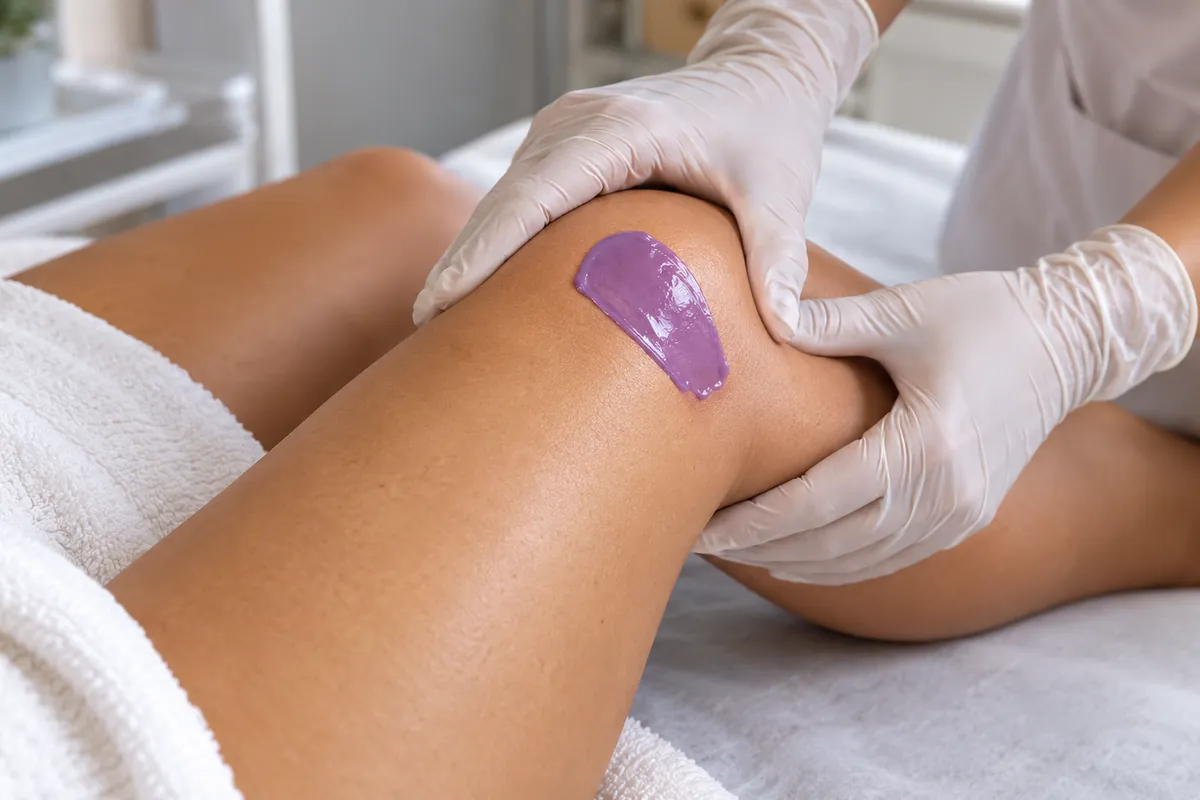
Half-leg and full-leg waxes regrow on similar schedules, typically measured in weeks rather than days, but the thigh and lower leg may not regrow at the same speed. Many clients find their lower-leg hair returns sooner than their thigh hair, or the other way around. Hair grows in cycles, and not every follicle is in the same phase at once. That is why some hair appears within days even after a clean wax, while the rest takes longer.
For booking, most clients settle into a rhythm based on how quickly regrowth becomes noticeable to them. If you choose a full leg but your thigh hair grows slowly, you might alternate: full leg one visit, half leg (lower) the next. That keeps costs down and matches the service to what has actually grown back. For detailed timing and what affects it, see my guide on how long waxing lasts.
The single biggest scheduling mistake is shaving between appointments. Shaving resets the hair you shave to a blunt surface level and puts it out of sync with the rest. At the next appointment, some of it is too short to wax and some is too long. If you must remove hair between visits, trim it rather than shave, or simply wait a little longer and book a bit earlier next time.
Regular clients often notice that the gap between appointments stretches over time. Consistent waxing means hair tends to come back in a more even pattern, and some clients find certain areas, often the shins, grow back finer than before. That does not happen to everyone, and waxing is not permanent hair removal, but a steady schedule is the best way to see whatever improvement your hair is going to give. Skipping months and returning to shaving restarts the process.
Combining a Leg Wax With a Bikini or Brazilian
Combining a full-leg wax with a bikini or Brazilian is common, and booking them together usually saves time and gives a clean transition from thigh to bikini line. When the two services are done separately, the meeting point at the top of the inner thigh can be uneven. When done together, the waxer can work the inner thigh and bikini line as one continuous area, choosing soft wax for the thigh and hard wax for the bikini.
If you want the bikini included, decide on the style in advance. A basic bikini line, an extended bikini and a Brazilian are different services with very different coverage. My guide on bikini wax vs Brazilian wax explains the options. If you are booking a Brazilian for the first time, it is also worth reading questions to ask before a Brazilian wax before you choose a studio.
Combining a half leg with a bikini is less common but makes sense in one situation: when you only show your lower legs and want the bikini done for swimwear. In that case, the thighs stay unwaxed, and the transition at the top of the thigh is less important because it is covered by clothing. Choose based on what you show, not on what is customary.

Skin Reactions and Aftercare for Larger Areas
A full-leg wax covers more skin, so aftercare matters more: there is simply more area that can react to heat, friction, sun or tight clothing in the first day or two. Redness and small bumps are normal right after waxing and usually settle within hours. Larger areas sometimes feel warmer and more sensitive overall, and some clients notice bumps on the thighs that they never see on the shins.
For the first day, avoid hot baths, saunas, intense workouts that cause sweating and friction, and tight leggings or jeans. Avoid sun exposure and tanning on freshly waxed skin. Keep the area clean and moisturized with a simple, fragrance-free product. After a couple of days, start gentle exfoliation a few times a week to reduce the risk of ingrown hairs, especially on the thighs, where clothing friction is higher. My waxing aftercare guide covers everything in more detail, and if you exercise regularly, see working out after waxing.
If you see signs of infection, such as spreading redness, warmth, pain that increases rather than fades, or pustules that keep coming back, contact a physician. If you use prescription skincare, take medication that affects skin healing, or have a skin condition, check with your physician or dermatologist before waxing and read about waxing contraindications.
Practitioner Notes on Half-Leg and Full-Leg Services
For waxers, the half-leg and full-leg services differ mostly in sequence, skin tension on the thigh and how the service is described on the menu. A clear menu reduces confusion at the front desk and complaints in the room. Define exactly where each half ends, whether the knee is included and whether the inner thigh to the panty line is included in the full leg. Put that in writing on the booking page.
In the room, a consistent order makes full legs efficient: front of lower leg, front of thigh, inner and outer thigh, then the client turns over for the calves and the backs of the thighs. Knees and ankles are best finished with hard wax. Tissue on the thigh moves with each pull, so firm skin tension directly behind the strip is essential, and for larger clients or looser skin the waxer may ask the client to help hold skin taut. Soft wax should be applied thin and pulled low and parallel to the skin, never over the same skin twice. These sequences and techniques are part of what a structured waxing course teaches, but supervised practice on real clients and the state license that applies to waxing in your state come first. Check the waxing licensing hub for your state's requirements.
Upselling a half-leg client to a full leg should be honest. Offer it when it actually fits: the client mentions shorts or vacation, or you notice dark thigh hair that they dislike shaving. Do not push it on a client who shows only their calves. Long-term clients come from good results and trust, not from the largest possible ticket per visit.
When Neither Service Is the Right Fit
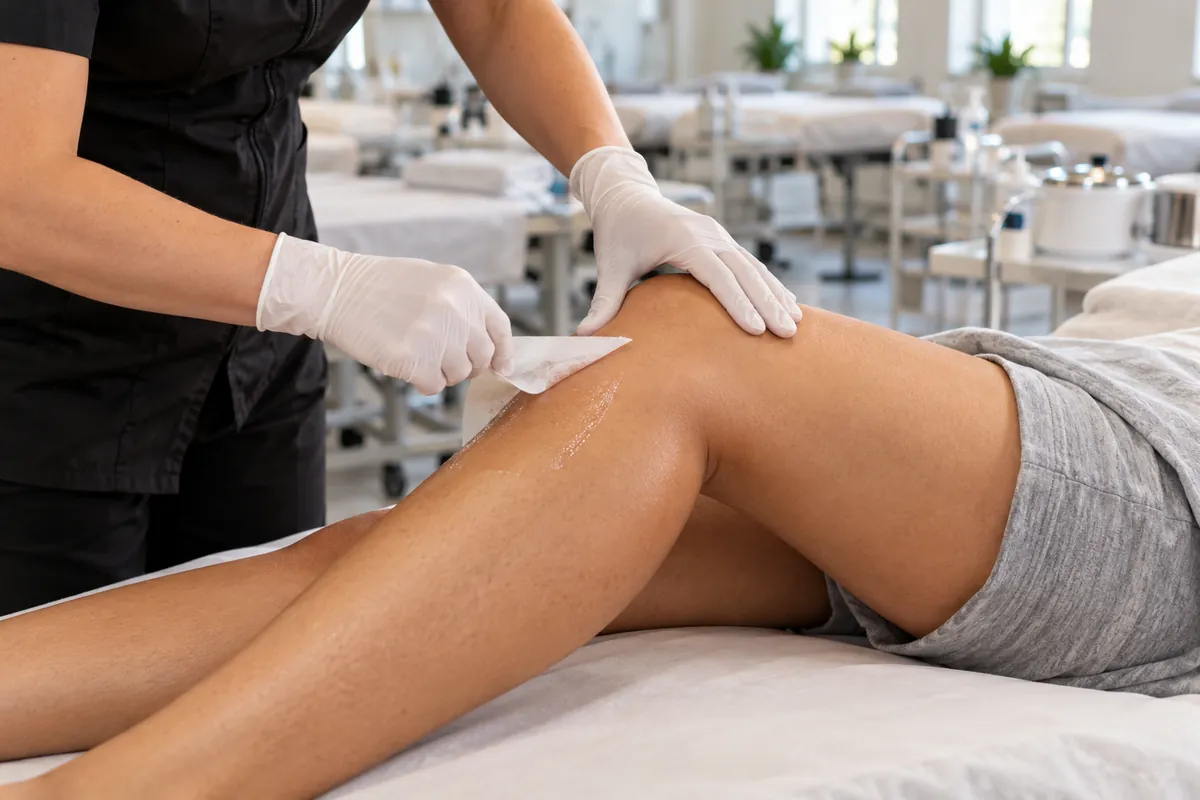
Leg waxing is not the right choice for everyone, and sometimes neither a half leg nor a full leg fits a client's goals or skin. Some clients want leg hair gone for good, rather than removed every few weeks. Waxing is temporary. Laser can reduce hair over a series of treatments, and electrolysis is the only method the FDA accepts for permanent hair removal claims, though treating whole legs with electrolysis takes a lot of time. My guide on electrolysis for legs explains when that investment is worth it.
Other clients find waxing too uncomfortable or their skin too reactive. Shaving, trimming and depilatory creams are alternatives, each with trade-offs. For a comparison with shaving specifically, see waxing vs shaving. And some clients have medical conditions, medications or skin issues that make waxing a poor idea until a physician says otherwise.
There is also a middle path. Some clients use laser or electrolysis on the lower legs, which they show most, and occasional waxing or shaving on the thighs. Others wax the full leg in summer and switch to a lower half leg or shaving in colder months. The right plan is the one that fits your clothing, budget, skin and patience, and it can change with the seasons.
Planning Leg Waxing Around Seasons and Events
Many clients switch between a half-leg and a full-leg wax by season, booking full legs in warm months and lower legs or nothing at all in cold months. That is a reasonable plan, with one caution: the first full leg after a long break often feels more uncomfortable and takes longer, because the hair is out of sync and the thighs may have been shaved in between. If you plan a full-leg season, start a few weeks before you need smooth legs so the second appointment, which is usually easier, lands before your vacation or event.
For a single event such as a wedding, a beach trip or a photo shoot, do not book your very first leg wax the day before. Skin can show redness or small bumps for a short time, and first appointments are the most likely to produce them. A trial wax some weeks earlier tells you how your skin behaves, and a second wax a few days before the event gives you the smoothest result. My guide on waxing before a vacation covers timing around travel, sun and swimming, and tanning after waxing explains why freshly waxed legs and sun exposure do not mix.
Cold months are also a good time to try changes. If you have only ever booked a half leg, winter is a low-pressure time to test a full leg, because any redness on the thighs is hidden under clothing. If you have been thinking about laser or electrolysis for the lower legs, starting in the cooler season avoids sun exposure on treated skin. The same logic applies in reverse: if you plan to stop waxing the thighs, do it in a season when you will not be showing them while the hair returns.
Pregnancy, hormonal changes and some medications can make leg skin more sensitive or change how fast hair grows. During pregnancy, many clients continue leg waxing with extra care, but it is worth asking your physician and reading waxing during pregnancy. If hair growth on the legs suddenly increases or changes in pattern, mention it to a physician, because new hair growth can occasionally signal a hormonal issue worth checking.

Checklist Before Your First Leg Wax
Before booking your first half-leg or full-leg wax, prepare your hair, skin and questions so the appointment is efficient and comfortable. Most problems in first appointments come from hair that is too short after recent shaving, skin that is irritated or sunburned, or a mismatch between what the client wanted and what the service covers. A short checklist prevents all three.
- Stop shaving for long enough that your hair grows to a waxable length; ask the studio what length they prefer.
- Avoid sun exposure and tanning before the appointment.
- Do not use strong exfoliants or retinoids on your legs in the days before.
- Gently exfoliate a day or two before, not on the day itself.
- Arrive with clean, dry skin, with no lotion or oil on your legs.
- Wear loose clothing for afterward.
- Confirm exactly what the half leg or full leg includes: knee, inner thigh and feet.
- Tell the waxer about any medications, skin conditions or recent procedures.
If you want more detail on hair length, read how long hair should be for waxing. For a full description of what happens in the room, see the leg waxing guide. And if you are deciding between wax types for your legs, hard wax vs soft wax explains why most waxers use soft wax for most of the leg and hard wax on the knees and ankles.
Bring the checklist with you mentally to the studio, and use the first few minutes of the appointment to confirm what you are getting. Point to where you want the service to stop, especially around the knee or the top of the thigh. A good waxer will repeat it back to you. That one short exchange prevents most of the disappointments I hear about from clients who changed studios.
After the appointment, check your legs in good light before you leave. Run your hand against the direction of growth on the shins, knees and, for a full leg, the thighs. If you find a patch that was missed, it is fine to point it out. Most studios will clean up missed hairs on the spot and will expect you to say something rather than leave unhappy. Note how long it takes for regrowth to bother you, and use that, not a generic schedule, to plan your next half-leg or full-leg booking.


Your Next Step
Pick the service that matches what you show and how you feel about your thigh hair. If you are unsure, start with a lower half leg, learn how your skin reacts, then upgrade to a full leg once you know you want the thighs done. Confirm what each service includes before you book, prepare your hair and skin, and plan your next appointment around your real regrowth, not a fixed number of weeks. If you are a waxer refining your leg services, define your menu clearly and build your technique with structured training and the license your state requires. The waxing course covers the theory, and the waxing licensing hub shows what your state requires.
State Requirements
State licensing guides
Hours, exams, fees, and the licensing board differ by state. Open your state for the current requirements.
Common Questions
FAQ
A half-leg wax usually covers either the lower leg from ankle to knee or the upper leg from knee to the top of the thigh. A full-leg wax covers the whole leg from ankle to the top of the thigh, usually including the knee and the inner thigh to the panty line. The bikini line is a separate service. Studios define the boundaries differently, so check whether the knee, inner thigh and feet are included.
In most studios a half-leg wax means the lower leg, from the ankle to the knee, because that is the part most people show. Some studios let you choose either half, and some sell the upper leg as a separate thigh wax. Ask the studio when you book.
A lower half leg is a good first appointment for most people. It is shorter, cheaper and lets you learn how your skin reacts before you wax the thighs, which include more sensitive areas like the inner thigh. If you already know you want your whole leg smooth for swimwear or shorts, a full leg is fine for a first visit too.
A full leg is usually worth it if you show your thighs often and have dark or dense thigh hair, because shaving that area creates stubble quickly and a visible line where waxing stops. If your thigh hair is fine and light, a half leg plus occasional shaving or trimming can be the simpler and cheaper choice.
No. A full-leg wax usually stops at the panty line. The bikini line and Brazilian are separate services, often done with hard wax. Many clients book a full leg with a bikini wax together for a smooth transition. See bikini wax vs Brazilian wax to choose the style.
Per area it hurts about the same, but the full leg lasts longer and includes the inner thigh and the back of the knee, where skin is thinner and more sensitive. A skilled waxer uses firm skin tension and hard wax on sensitive spots to reduce discomfort. Read how to reduce waxing discomfort for practical tips.
Yes, many clients do this. Expect two regrowth patterns: the waxed lower legs grow back later and softer, while the shaved thighs show stubble sooner. Avoid shaving into the waxed area near the knee, because it cuts the regrowing hair and resets it to blunt stubble.
Keep Reading
Related Guides


