Waxing
Working Out After Waxing: How Long to Wait and Why

Quick answer
After waxing, light activity with little sweat is fine within a few hours. Wait about 24 to 48 hours before intense, sweaty workouts, swimming, hot tubs, saunas, and high-friction sports, and use the longer end for the bikini area and underarms. Sweat, heat, and rubbing on open follicles cause folliculitis, which appears as small bumps one to three days later.
Working out after waxing is fine, just not right away. Waxing removes each hair from the root and leaves the follicle opening exposed for a day or two, and during that window sweat, friction, heat, and shared gym surfaces are what cause most of the redness, bumps, and breakouts clients blame on the wax itself. The general guideline most professionals give is the one I use in my own practice: gentle, low-sweat movement can resume within hours, and hard, sweaty training, swimming, and anything with tight clothing rubbing the area should wait about 24 to 48 hours.
That range is wide on purpose, because the right wait depends on which area was waxed, what kind of workout you do, and how reactive your skin is. A leg wax followed by an easy walk is a very different situation from a Brazilian followed by an hour on a bike saddle. This guide breaks the question down by activity and by body area, explains what to do when skipping a session is not an option, and shows how regular gym-goers and athletes can schedule waxing so it never collides with training.
Why sweat and friction irritate freshly waxed skin
When a hair is pulled out from the root, the follicle that held it stays open for a while, like a tiny empty pocket. Waxing also lifts some of the outermost dead skin cells along with the hair, so the surface is thinner and more sensitive than usual. Neither of these is damage. It is the expected state of skin after a wax, and it resolves by itself. But for a day or two the skin is easier to irritate and easier for bacteria to get into.
Sweat is the first problem. It carries salt and other compounds that sting on freshly waxed skin, and it keeps the area damp. Bacteria that live harmlessly on everyone's skin multiply faster in warm, moist conditions, and open follicles give them a way in. The result is folliculitis, an inflammation of the hair follicles that shows up as a scatter of small red bumps, sometimes with white heads, a day or more after the workout.
Friction is the second. Compression leggings, cycling shorts, sports bras, and waistbands rub the same strip of skin thousands of times in a session. On normal skin that is nothing. On just-waxed skin it produces chafing and redness, and it pushes sweat and bacteria into the follicles. Sweat plus friction plus heat is the combination to avoid, and intense exercise in tight synthetic gear delivers all three at once.
Water is the third. Pool water contains chlorine and other disinfectants that can sting and dry out sensitive skin. Hot tubs are warm and are a well-known source of bacterial folliculitis even on intact skin. Lakes and the ocean bring their own microorganisms, plus salt and sand. Saunas and steam rooms do not involve water contact but add heat and heavy sweating. All of them belong in the "wait" category along with hard training.
It also helps to know what a normal reaction looks like, so you do not confuse it with a workout problem. Right after a wax, many people see pinkness and small raised dots at the follicles, a little like goosebumps. That is a short-lived response to the hair being pulled, and it typically fades within hours, sometimes by the next morning after a first wax. Bumps that appear a day or more later, after the skin had already calmed down, are a different matter and usually trace back to what the skin was exposed to in between: sweat, tight clothing, heat, or bacteria.
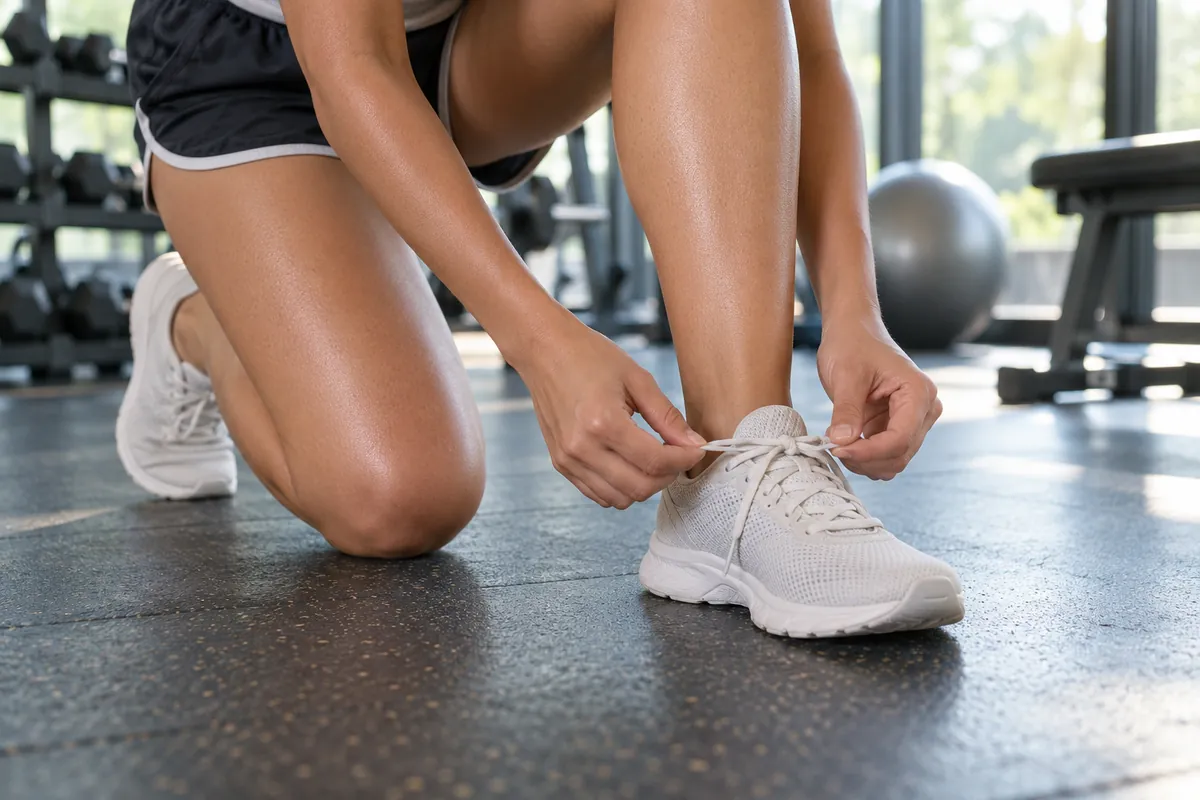
How long to wait, by type of activity
There is no single rule that fits everyone, but there are working guidelines that suit most clients with ordinary skin sensitivity. Treat the table as a starting point, then adjust for the area that was waxed and for what you know about your own skin. If your skin always stays red for a day after waxing, use the longer end of every range. If you have been waxing regularly for years and your skin is calm within an hour, the shorter end is usually enough.
| Activity | Typical wait after waxing | Why |
|---|---|---|
| Easy walk, gentle stretching with no sweat | A few hours, often the same day | Little sweat or friction |
| Light strength work, slow yoga, moderate cardio | About 12 to 24 hours | Some sweat, local friction from equipment and mats |
| Running, HIIT, spin, hot yoga, heavy lifting sessions | About 24 to 48 hours | Heavy sweat combined with constant rubbing |
| Swimming in a pool, lake, or the ocean | About 24 to 48 hours | Chlorine, salt, and microorganisms on open follicles |
| Hot tub, sauna, steam room | At least 48 hours | Heat, moisture, and bacteria-friendly conditions |
| Contact sports, wrestling, martial arts, long cycling | About 48 hours where possible | Strong friction, pressure, shared mats and gear |
For areas with thinner, more sensitive skin, the bikini line, a full Brazilian, and the underarms, I advise using the upper end of each range even if your skin generally tolerates waxing well. These are also the areas that sweat most and are most enclosed by clothing. For legs, arms, and the face, the shorter end is usually fine. A brow or lip wax does not really limit training at all, beyond wiping sweat gently and not rubbing the area with a towel.
Which workouts are safer sooner
Not every form of exercise loads the skin the same way. Activities with minimal sweating and no tight contact between clothing and the waxed area can come back first. Others combine several irritants and deserve the full wait. Thinking about your workout in terms of sweat, friction, heat, and shared surfaces lets you make a sensible call for any activity that is not on a list.
- Walking outdoors in loose clothes: the lowest-risk option, fine a few hours after most waxes.
- Gentle stretching or mobility work: fine early, as long as the waxed area is not pressed against a mat for long.
- Light strength training: usually less total sweat than cardio, but watch for local friction where benches, pads, bars, or straps touch waxed skin.
- Stationary bike in loose shorts: reasonable the next day after a leg wax, but not after a bikini or Brazilian wax.
- Running: heavy sweat plus thousands of repetitions of fabric on skin. One of the riskiest choices in the first day after a leg or bikini wax, especially over distance.
- HIIT, spin, and bootcamp classes: maximum sweat in a warm room on shared equipment. Wait the full interval.
- Swimming: treated water or open water on open follicles, plus a tight wet swimsuit. Wait the full interval.
- Combat and contact sports: skin-to-mat and skin-to-skin friction with shared surfaces. Wait the full interval, and longer if you can.

Area by area: legs, underarms, bikini, back, and chest
Legs. Leg skin is relatively sturdy, and most people can do an easy session the next day. The catch is leggings. Tight synthetic fabric over the whole waxed surface for an hour of sweating is the usual cause of the fine red bumps clients show me on their thighs. Choose loose shorts for the first workout back, and leave long runs for day two. More on what leg skin does after a wax is in my leg waxing guide.
Underarms. This is a small area with a lot going on: constant skin-on-skin movement, dense sweat glands, and deodorant. I ask clients to skip antiperspirant and deodorant for the rest of the day after an underarm wax, which makes a same-day workout unappealing anyway. Give this area a full day before upper-body training or cardio, and wear a loose tank instead of a tight top with seams in the armpit. My guide to waxing underarms covers the aftercare.
Bikini and Brazilian. The most sensitive area, the one with the coarsest hair, and the one most enclosed by tight, damp fabric during exercise. I recommend about 48 hours before intense training, swimming, or anything involving a saddle. Cycling and spin deserve a special mention, because sitting on a bike seat applies sustained pressure and friction to exactly this skin. Rowing machines do something similar. If this was your first Brazilian, expect the skin to be more reactive than it will be after later visits, as I explain in the first-time Brazilian wax guide.
Back and chest. The principles are the same for men and women, but men are more often the ones waxing large areas of the torso. The surface in contact with a sweaty shirt is big, the back is prone to breakouts anyway, and gym benches and floor mats press directly on it. A loose cotton tee and a clean towel on the bench help considerably once you are back, and backpacks and heavy bag straps are worth avoiding for a day. See the waxing guide for men for more on these areas.
Arms and face. Arm skin behaves much like leg skin and is rarely a problem by the next day, provided sleeves are loose and you are not resting waxed forearms on shared pads or mats. Facial waxing, brows, upper lip, chin, or sides of the face, places almost no limit on training itself. The details that matter are small ones: do not wipe your face with a rough gym towel or the hem of your shirt, rinse sweat off with cool water afterward, skip makeup for the workout, and wear sunscreen if you train outside, because facial skin marks easily after a wax.

Signs your skin is not ready yet
Hours on the clock are a guide, not the full answer. Before you get dressed for the gym, look at the skin and touch it. If the waxed area is still visibly pink or red, feels warm, stings when your fingers brush it, or shows small raised dots at the follicles, it is telling you it has not closed up yet. Waiting one more day costs you very little. Training on irritated skin can cost a week of bumps.
The opposite also holds. If the skin looks and feels completely normal the morning after a leg wax, there is no reason to sit out a moderate workout just because a chart says 24 hours. And keep in mind that a calm appearance right after waxing does not guarantee a calm result. Reactions to sweat and friction, folliculitis in particular, often appear with a delay of one to three days. "It was not red, so I trained hard" is the most common story behind a breakout on day two.
If you cannot skip the workout
Sometimes training earlier than ideal is unavoidable: a race you signed up for months ago, a team practice, a physically demanding job, or a class you would hate to miss. In that case the aim is to reduce each irritant as far as you reasonably can. Shorten the session or lower the intensity so you sweat less. Pick the coolest, best-ventilated place and time available. Train outdoors in the morning instead of in a packed, heated studio.
Clothing does a lot of the work. Loose, breathable, clean fabric causes far less rubbing than tight synthetic gear. For legs that means loose shorts instead of compression leggings. For underarms, a relaxed tank instead of a fitted top. For the bikini area, clean cotton underwear and loose shorts, and no thong. Put on freshly washed kit, not yesterday's, and change out of it the moment you finish. Sitting around in damp clothes afterward does as much harm as the workout.
A little preparation in your gym bag makes these precautions effortless. Pack a clean small towel for patting sweat, a second towel or mat cover for benches and floors, a full change of loose clothes and fresh underwear, a gentle unscented body wash if you do not trust the dispenser in the locker room, and a travel-size bottle of the soothing product your esthetician recommended. Leave out the scrub mitt, the perfumed body spray, and the heavy body butter for a few days. If you normally apply deodorant before training and your underarms were waxed that day, skip it for this one session.
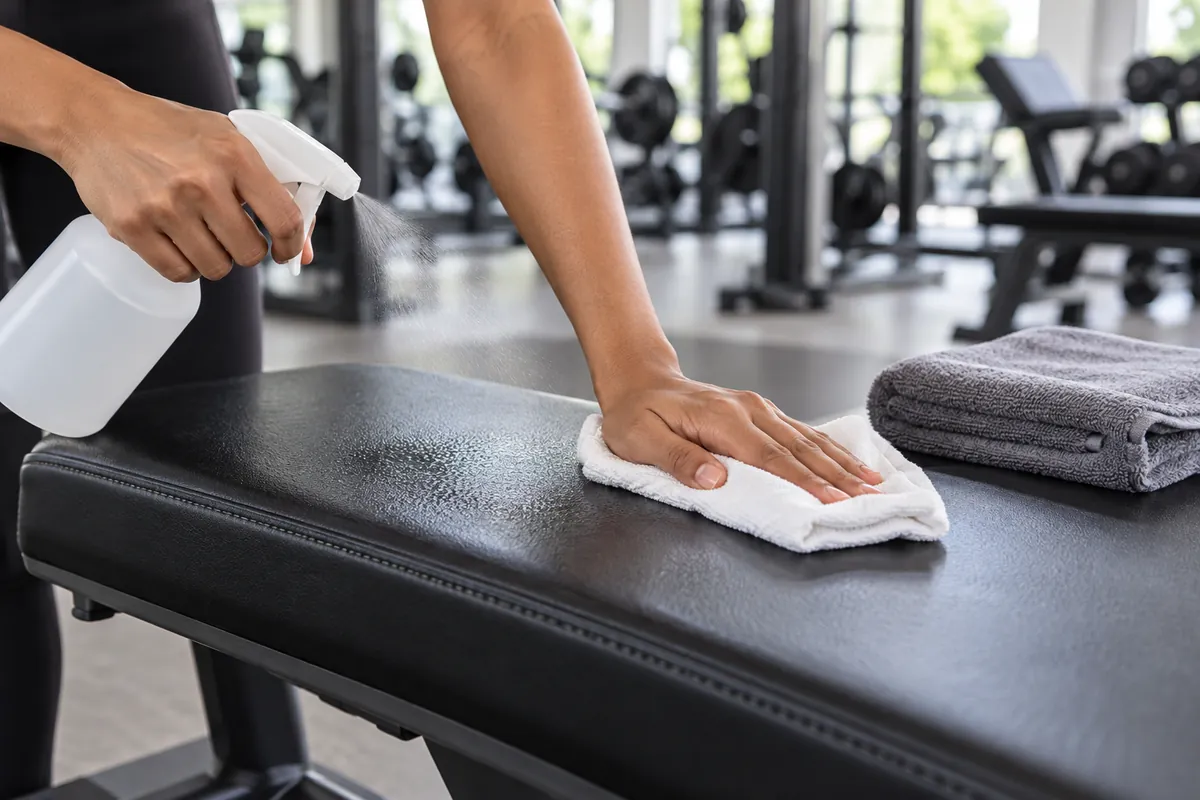
Hygiene covers the rest. Wipe shared equipment before you touch it with waxed skin, and put your own clean towel between you and benches or mats. Pat sweat away with a clean towel during the session. Do not rub. Shower as soon as you are done, with lukewarm water and a mild, fragrance-free wash, without a loofah or scrub on the waxed area. Pat dry, and apply a light, alcohol-free, fragrance-free soothing product. Heavy creams and oils are best avoided at this point, since they can trap sweat residue in follicles that are still open.
Bumps after a post-wax workout: folliculitis and what to do
Folliculitis after waxing looks like small red bumps centered on individual follicles, sometimes with a tiny white head, often itchy or slightly tender. It usually shows up one to three days after the wax and is more likely when there was hard exercise, a hot tub, or tight damp clothing in between. A mild case generally clears without treatment within several days if you keep the area clean, dry, and free of friction. Wear loose clothes, shower after sweating, and leave the bumps alone.
Do not squeeze them, do not scrub them, and do not shave over them. Hold off on exfoliating products until the skin has calmed down. A cool compress can ease itching. It is also worth distinguishing folliculitis from ingrown hairs. Folliculitis appears within days, across many follicles at once. Ingrown hairs appear later, as hair regrows, usually one at a time, with a visible hair or dark dot under the skin. Preventing those is a different routine, described in my guide to ingrown hairs after waxing.
Swimming, hot tubs, saunas, and hot yoga
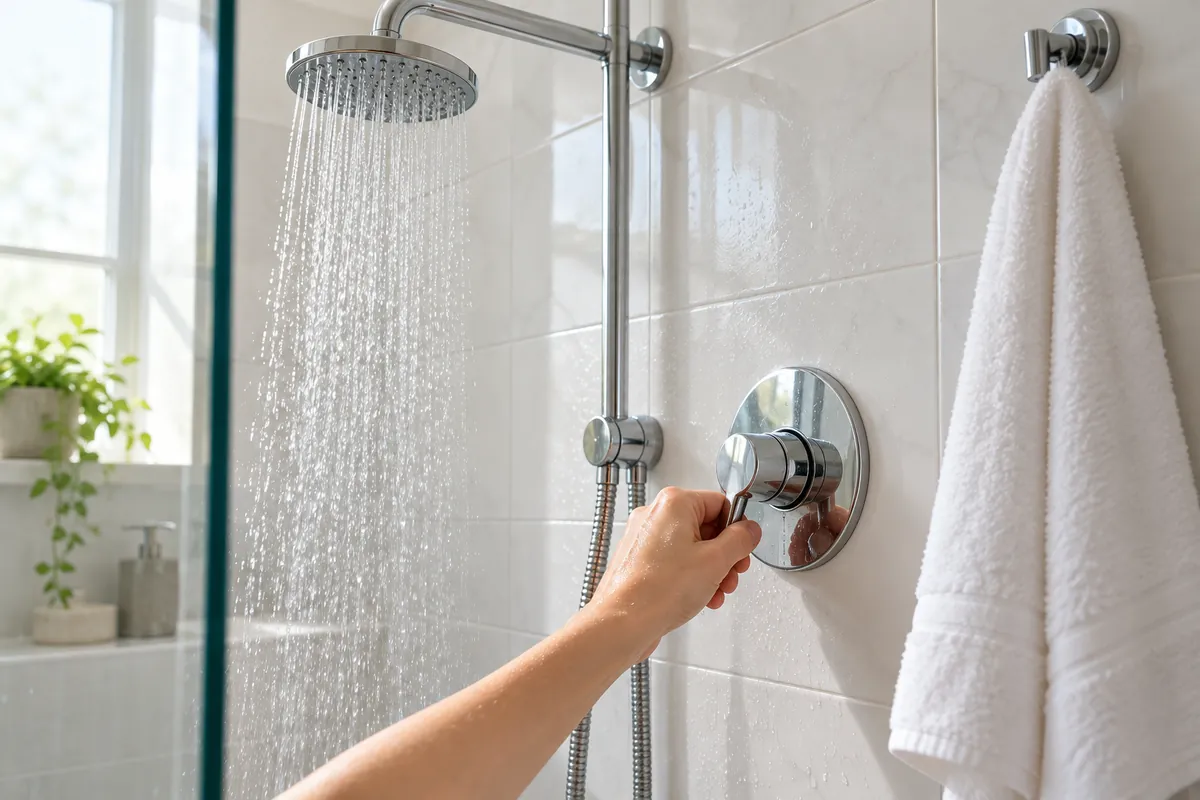
Water and heat get their own section because clients underestimate them. Swimming feels gentle, since there is no sweat you can feel and no impact. But pool disinfectants can sting and dry freshly waxed skin, a wet swimsuit clings and rubs, and open water is far from sterile. Give it 24 to 48 hours, and lean toward 48 after a bikini wax. When you do go back, rinse off promptly afterward and change out of the wet suit instead of lounging in it.
Hot tubs are the single thing I am strictest about. Warm, churning, shared water is a classic source of bacterial folliculitis even for people who have not been waxed, and open follicles make it more likely. Wait at least two days, and longer for the bikini area. Saunas and steam rooms are less of an infection concern, but they bring on prolonged heat and heavy sweating, which keep the skin flushed and the follicles open. The same goes for hot yoga and heated studio classes.
Room temperature matters for ordinary workouts too. A hot, poorly ventilated gym in mid-afternoon raises sweating and the load on the skin compared with a cool room or an early session outdoors. In summer, when you are sweating before you even reach the gym, respect the longer intervals. In winter the sweat risk is lower, but dry heated air can make freshly waxed skin tight and itchy, so a light fragrance-free moisturizer once the first day has passed is useful.
Outdoor training adds one more factor: sun. Freshly waxed skin has lost part of its protective outer layer and burns and discolors more easily for the first couple of days. A long run, a bike ride, a tennis match, or a beach workout in strong sun shortly after waxing exposes the skin to sweat, friction, and ultraviolet light together. For the first two days, train early or late in the day, cover waxed areas with loose clothing where practical, and once the skin tolerates it, use a broad-spectrum, fragrance-free sunscreen on anything left exposed.
Yoga mats, massage, and recovery work
Yoga and Pilates sit at the gentle end for sweat, but they involve long, close contact between skin and a mat in seated and lying positions. After a leg, back, or abdomen wax, that sustained pressure and sliding creates a kind of friction different from running but still irritating. Shared studio mats are also a hygiene question. For the first sessions back, bring your own clean mat, lay a clean towel over it, wear soft loose layers over waxed areas, and choose a slower class over a heated power flow.
Sports massage, foam rolling, and deep stretching are mechanical work on the skin as well as the muscle. On a recently waxed area, ask the therapist to work more lightly or to leave that area out for a couple of days, particularly if they use oils or strong pressure. Self-massage tools and foam rollers on freshly waxed legs can wait a day too. None of this is dangerous. It is simply one more source of rubbing at a time when the skin does better without it.
Working out before your wax appointment
The hours before the appointment count as well. Coming straight from a hard workout means the esthetician is working on skin that is warm, flushed, damp, and carrying sweat and bacteria. Wax grips poorly on damp skin, warm skin is more reactive and more likely to stay red, and waxing over unwashed skin raises the chance of bumps afterward. Your circulation is also up, which for some people makes the wax feel sharper and pinpoint bleeding a little more likely.
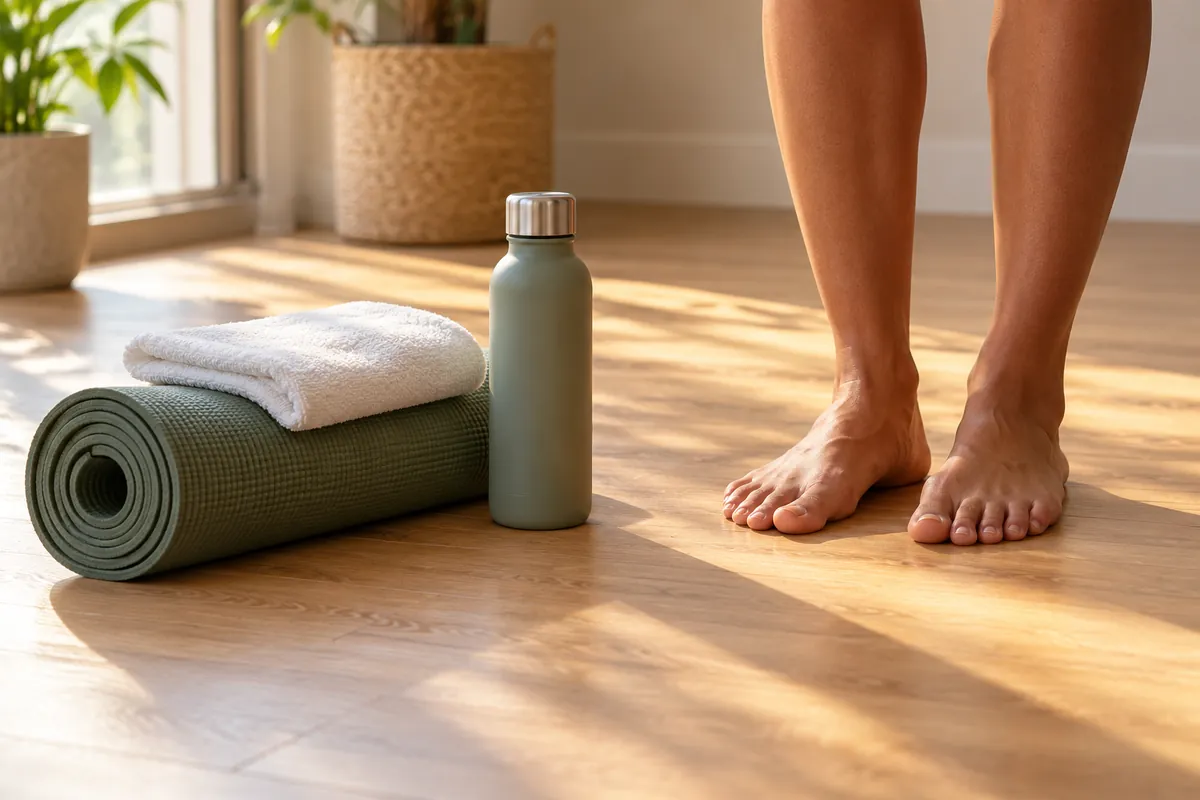
The fix is easy: train earlier in the day or the day before, shower, let your skin cool down fully, and arrive clean and dry, without lotion or oil on the area. If the only slot you can get is right after the gym, shower there, pat dry thoroughly, and give yourself at least a short cool-down before you get on the table. Tell your esthetician you have just worked out, so they can cleanse and prep the skin with that in mind.
Scheduling waxing around an active life
People who train often do best when they stop treating each wax as a separate event and build it into the weekly plan. Before you book, look at your training calendar for the following two days and choose an appointment that falls before a rest day or an easy day. That one habit removes the choice between skipping a session and risking irritated skin, which otherwise has to be made at the worst moment, standing in the locker room.
| Your situation | How to plan |
|---|---|
| Race, meet, or competition coming up | Wax several days ahead, not the day before, so skin is fully settled |
| Daily training | Book before your rest day or lightest day of the week |
| Swimming is your main sport | Book before a planned day or two out of the pool, and discuss a longer buffer with your esthetician |
| Cycling or spin several times a week | Schedule bikini waxing to allow about 48 hours off the saddle |
| Beach trip or pool vacation | Wax a few days before departure, not the morning you fly |
| First-ever wax of an area | Allow extra time, since first-time reactions are stronger |
Here is how that looks in an ordinary week. Say you lift on Monday, Wednesday, and Friday, run on Tuesday and Saturday, and rest on Thursday and Sunday. A leg and bikini wax on Wednesday evening, after your session and a shower, gives you Thursday off and puts Friday lifting roughly a day and a half later, in loose shorts. Saturday's run falls well past the two-day mark. Nothing was skipped. Compare that with a Friday lunchtime wax followed by a Saturday morning long run in leggings, which is exactly the pattern behind most of the irritated skin I am asked about.
Athletes with a full competition schedule can go a step further and agree on a long-term waxing plan with their esthetician around the season calendar. Swimmers, cyclists, bodybuilders, and dancers often wax for their sport, and for them timing is part of preparation. A wax a few days before an event gives the smoothest skin with none of the irritation. If the wax did end up too close to an event, focus on the basics right afterward: a quick lukewarm shower, a light soothing product, and loose clothing for the rest of the day.

Does the same apply to sugaring? And does it get easier?
Sugaring removes hair from the root just as waxing does, so the follicles are open afterward in the same way and the same pauses apply. Some clients find their skin a little calmer after sugaring, since the paste is used at body temperature and adheres less to live skin, and those clients may be comfortable at the shorter end of the ranges. The principle does not change, though. The differences between the methods lie in the product and the technique, not in how skin reacts to sweat afterward. I compare them in the guide on wax versus sugaring.
It does get easier. Clients who wax regularly, at steady intervals, generally find that the skin reacts less with each visit. Hair grows back finer and sparser, there is less of it to remove, and the skin settles faster. Many long-time clients are comfortable with a moderate workout the next morning. Irregular waxing with long gaps brings back a first-time reaction each time. Staying on a consistent schedule, as described in my guide on how long waxing lasts, is therefore part of making waxing and training compatible.
Skin sensitivity is individual, and the general numbers describe an average. If you know from experience that your skin reacts sharply to any irritation, extend the standard waits by a third or a half and see how it goes. And if a particular workout left you with noticeable irritation, tell your esthetician at the next visit. That feedback lets them adapt the advice to your life, and sometimes the technique or product as well, for the areas that take the most stress in your sport.
Myths about exercise after waxing
"A light workout is safe right away for any area." Not quite. Even gentle activity that makes you sweat can irritate the bikini area and underarms in the first hours. Light and dry is the safe combination, and those two areas rarely stay dry. "My skin was not red afterward, so there are no limits." Reactions such as folliculitis commonly appear one to three days later. The absence of redness on the table says little about what a sweaty hour will do that evening.
"Synthetic gym wear is no different from cotton for waxed skin." Tight synthetic fabric creates more friction and holds damp fabric against the skin, however well it wicks. Loose and breathable is kinder for the first couple of days. "You have to stop exercising for a week." Also untrue. For most people with ordinary skin, respecting a 24 to 48 hour pause for intense activity is all it takes. The goal is a sensible middle, neither ignoring the advice for the sake of the training plan nor fearing every movement after every appointment.

A pre-workout checklist and your next step
Limiting exercise is one part of post-wax care, alongside avoiding hot water, sun, and harsh products for the first day. The complete routine is in my waxing aftercare guide. For the specific question of training, the checklist below is what I hand to active clients, and it works just as well as a script for estheticians advising their own clients. Aftercare counseling is part of professional training, covered alongside technique in a waxing course, and each state sets who may perform waxing, as listed on the waxing licensing hub.
- Count the hours since your wax, and consider which area was done.
- Look at and touch the skin. Pink, warm, stinging, or bumpy means wait another day.
- Match the workout to the stage: light and dry first, sweaty and tight later, water and heat last.
- Dress in clean, loose, breathable clothing over the waxed area.
- Wipe shared equipment and use your own clean towel and mat.
- Shower with lukewarm water immediately afterward and pat dry.
- Apply a light, fragrance-free soothing product, and change into loose clean clothes.
- Watch the skin for the next three days, and tell your esthetician what you noticed.
The whole subject comes down to one simple formula: the more sweat, heat, and rubbing, the longer the pause. Light activity without sweat can resume almost at once, moderate exercise after about a day, and intense training, swimming, and high-friction sports after about two, with the bikini area and underarms always at the longer end. Your next step is practical. Open your calendar, find your next rest day, and book your wax for the afternoon or evening before it.

State Requirements
State licensing guides
Hours, exams, fees, and the licensing board differ by state. Open your state for the current requirements.
Common Questions
FAQ
Light activity with little or no sweat, such as an easy walk or gentle stretching, is fine within a few hours. Moderate exercise is generally comfortable after about 12 to 24 hours. Intense, sweaty workouts, running, spin, and high-friction sports are best delayed for about 24 to 48 hours. Use the longer end for the bikini area and underarms, for a first-time wax, and for skin that tends to stay red or sensitive.
Yes, after a pause. The bikini area is the most sensitive, and exercise there involves tight, damp fabric and a lot of rubbing. I recommend waiting about 48 hours before intense training, swimming, cycling, or spin. A relaxed walk in loose clothing and clean cotton underwear is fine the same day. The first-time Brazilian wax guide explains what else to expect in the first days.
Waxing pulls hair from the root, leaving follicle openings exposed for a day or two, and it thins the outer layer of dead skin cells. Sweat keeps the area warm and damp, which helps skin bacteria multiply, and friction from clothing pushes sweat and bacteria into the open follicles. The follicles become inflamed, producing small red or white-headed bumps called folliculitis, usually one to three days later.
Wait about 24 to 48 hours, and closer to 48 after a bikini or Brazilian wax. Pool disinfectants can sting and dry freshly waxed skin, a wet swimsuit rubs, and lakes and the ocean contain microorganisms that open follicles do not need. Hot tubs are the riskiest, since warm shared water is a known source of folliculitis, so give those at least two days. Rinse and change out of your wet suit promptly when you return.
Do not worry, just look after the skin. Shower as soon as you can with lukewarm water and a mild, fragrance-free wash, pat dry, and apply a light soothing product without alcohol or fragrance. Change into clean, loose clothing. Avoid hot water, scrubs, and tight clothes for the next day or two, and watch the area. A few small bumps usually settle on their own. See a physician if they become painful, spread, or fill with pus.
Preferably not right before. Skin that is warm, flushed, and sweaty is more reactive, and wax does not grip well on damp skin. If you train on the same day, do it earlier, shower, let your skin cool down completely, and arrive clean and dry with no lotion or oil on the area. If you must come straight from the gym, shower first and tell your esthetician.
Clean, loose, breathable clothing over the waxed area. Choose loose shorts instead of compression leggings after a leg wax, a relaxed tank instead of a tight top after an underarm wax, and cotton underwear with loose shorts after a bikini wax. Avoid seams, thongs, and tight waistbands on waxed skin. Change out of damp clothes immediately after training. The waxing aftercare guide covers the rest of the first days.
No. Sugaring also removes hair from the root and leaves the follicles open for a short time, so the same pauses apply: light activity the same day, intense sweaty exercise and swimming after about 24 to 48 hours. Some people find their skin calmer after sugaring and are comfortable at the shorter end of those ranges, but the bikini area and underarms still deserve the longer wait.
Keep Reading
Related Guides


