Waxing
Tanning After Waxing: Sun, Spray Tan, and Tanning Bed Rules
Quick answer
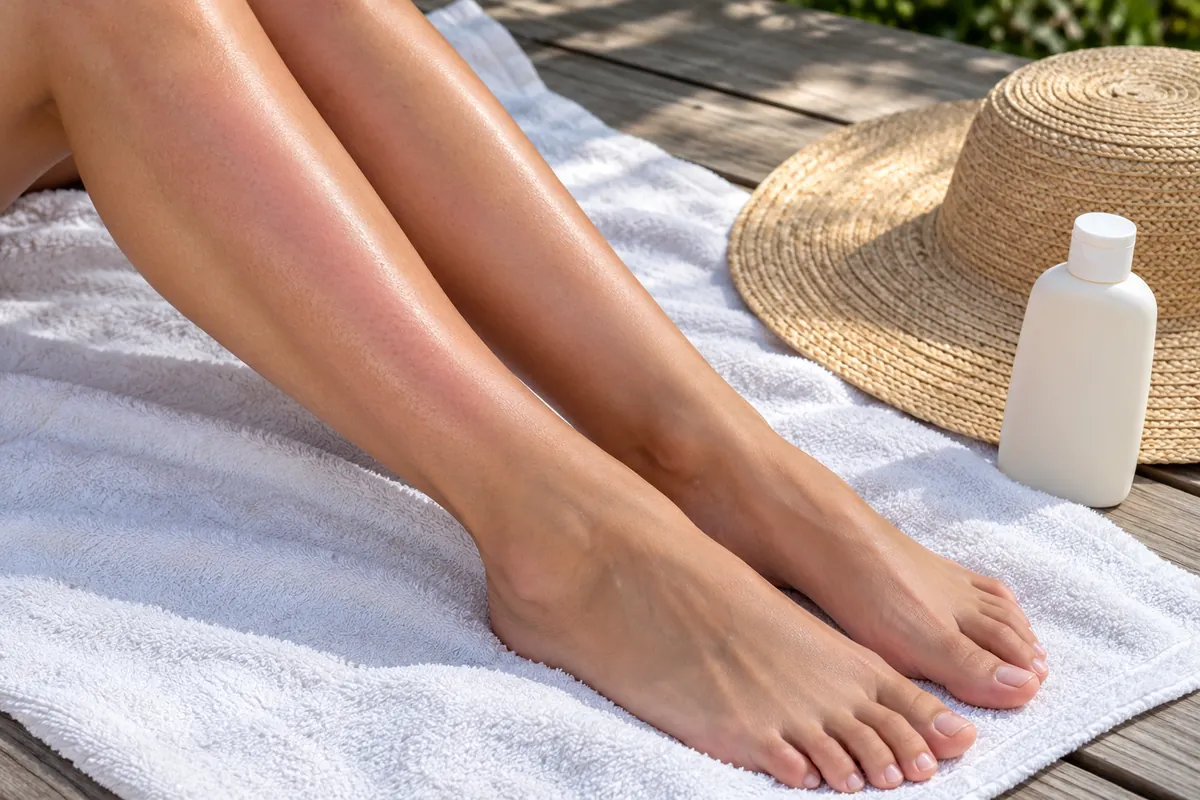
Wait at least 24 to 48 hours after waxing before sun exposure on legs and arms, and three to four days for the bikini line, underarms, and face. Tanning beds need the same or longer. For a spray tan or self-tanner, wax one to two days before, never after, since wax strips sunless color. Never wax sunburned skin.
Tanning after waxing is safe once the skin has recovered, which for most people means waiting at least 24 to 48 hours for sturdier areas such as legs and arms and three to four days for the bikini line, underarms, and face. The same pause applies whether the tan comes from the sun, a tanning bed, a spray booth, or a bottle. Freshly waxed skin has open follicles and a thinner protective surface, and ultraviolet light or tanning solution on skin in that state is what produces the dark dots, blotches, and stinging rashes that clients come back to ask me about.
The order matters as much as the gap. Hair removal comes first, recovery second, and color last. Reversing it causes a different set of problems: wax can lift sun-stressed skin, and it strips a spray tan off in stripes. This guide covers each kind of tanning separately, explains what happens in the skin and who is most at risk of discoloration, shows how to tell when your skin is ready, and gives a simple schedule for fitting waxing and tanning into the same week without either one spoiling the other.
Why you should not tan right after waxing
Waxing pulls each hair out by the root. The follicle that held it stays open for a while, and the wax takes some of the outermost layer of dead skin cells with it. That outer layer is part of the skin's natural defense. It scatters and absorbs some ultraviolet light and holds moisture in. With part of it gone, and with a mild inflammatory response under way around each follicle, the skin is temporarily more sensitive to everything, and to ultraviolet light in particular.
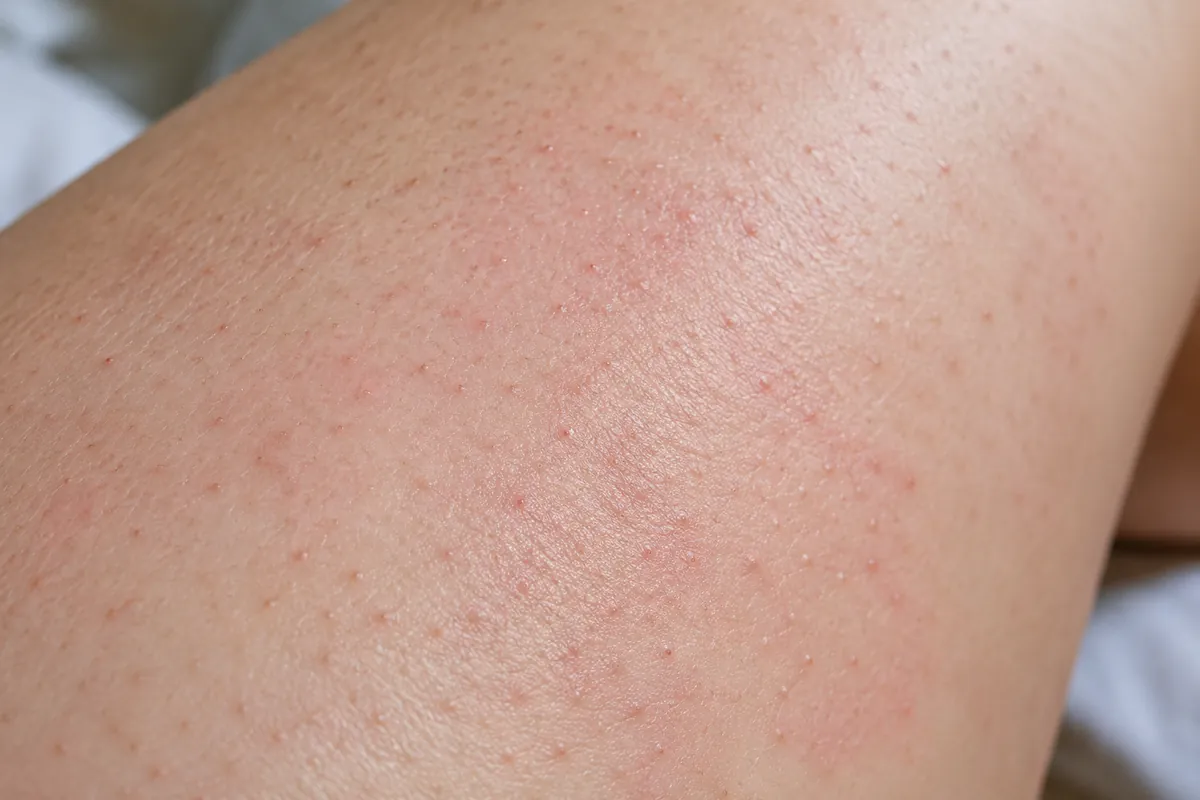
Inflamed skin and sun are a poor combination. The pigment-producing cells in the skin react to inflammation by producing more melanin, and ultraviolet light pushes them further. Where the two overlap, the pigment can come out unevenly, leaving darker dots at the follicles or a shadowy patch where the wax strip was. The name for this is post-inflammatory hyperpigmentation. It is not dangerous and it fades, but slowly. Marks can linger for weeks or months, and it is the main reason professionals say "no sun after waxing".
There is a simpler risk as well: sunburn. Skin that has just been exfoliated by wax burns faster than usual, and a burn on freshly waxed skin is more uncomfortable and takes longer to heal. Salt water, chlorine, sweat, sand, and a damp swimsuit add irritation on top. The sequence "wax in the morning, beach in the afternoon" very reliably produces either an obvious rash that day or blotchy marks that show up several days later, when nothing can be done about them.
How long to wait before tanning
The guideline most professionals work with is at least 24 to 48 hours between waxing and the first real sun exposure for less sensitive areas such as the lower legs and arms, and three to four days for sensitive areas: the bikini line, a Brazilian, the underarms, and the face. This is not a rigid standard. It reflects how long the surface of the skin takes to recover in most people, and some people need less while others need more.
| Type of tanning | Wait after waxing: legs and arms | Wait after waxing: bikini, underarms, face | Main risk if you rush |
|---|---|---|---|
| Sunbathing outdoors | 24 to 48 hours | 3 to 4 days | Sunburn, dark marks at the follicles |
| Tanning bed | At least 48 hours | 3 to 4 days or more | Concentrated UV on sensitized skin, burns, dark marks |
| Spray tan | 24 to 48 hours | About 48 hours | Solution pooling in open follicles, dark dots, stinging |
| Self-tanner at home | 24 to 48 hours | About 48 hours | Blotchy, dotted color, irritation from fragrance |
| Pool or ocean with sun | 24 to 48 hours | 3 to 4 days | Chlorine and salt irritation combined with UV |
If you have a beach day or a trip on the calendar, plan the wax with a margin instead of fitting it into the last free slot. Three to five days before strong sun is a comfortable window for sensitive areas. In that time the redness goes, the follicles close, and the skin's surface has started to rebuild. If your schedule is tight, talk honestly with your esthetician. It may be wiser to wax only the less sensitive areas for this occasion and leave the bikini line until afterward.
The calendar is not enough by itself. One person's redness is gone by dinner, and another's lasts three days in the same area with the same wax. Three simple checks tell you more than a fixed number of days. First, the redness should be completely gone, not just paler. If the waxed area is still pinker than the skin around it, it is too early. Second, the skin should not feel warm or tender when you touch it lightly. Third, there should be no bumps, no pinpoint scabs, and no shiny, tight patches where the surface was lifted.
If even one of those signs is present, wait another day, even when the "official" interval has passed. Your own skin's reaction matters more than an average figure from a general recommendation. An esthetician who has seen your skin at previous visits can usually give you a more precise estimate than any universal rule, so ask at the appointment how long your particular skin tends to need and mention that you plan to tan.
Sun exposure after waxing: beach, pool, and daily life
Once the waiting period is over, sun on waxed skin is handled exactly like sun on any other skin, with ordinary sun protection. There is nothing about a wax from last week that makes the area permanently fragile. For the first outings, though, a little extra care pays off. Start with shorter sessions, avoid the strongest midday hours, apply a broad-spectrum sunscreen of SPF 30 or higher generously, and reapply it every two hours and after swimming or heavy sweating, as dermatologists advise for all skin.
Sunscreen is an addition to the pause, not a replacement for it. It reduces the risk of burning and some of the risk of pigment marks from direct ultraviolet light, but it does nothing about the vulnerability of fresh skin to sweat, friction, chlorine, and salt, and many sunscreens sting when applied to skin waxed a few hours earlier. If your reaction to the wax was stronger than usual, with marked redness, itching, or swelling, postpone sun exposure until it has cleared completely. Do not cover the symptoms with cream and hope for the best.
If you live somewhere sunny year-round and cannot avoid the sun for days after every wax, cover up instead. Loose, breathable clothing over the waxed area, shade during peak hours, and a hat for facial waxing are more reliable than sunscreen on tender skin. Skin that is exposed to air but shielded from direct rays recovers more calmly than skin fighting irritation from waxing and a sunburn at once. Evening appointments help too, since the first sensitive hours then pass overnight.
Men who wax the chest, back, or abdomen should plan with the same care. Male skin is on average somewhat thicker, but the pause before sun applies equally, and these are large, open areas that are hard to keep covered at the beach or pool in the first days. A freshly waxed back is also difficult to reach with sunscreen without help, which is how the shoulders and upper back end up both burned and broken out. Give big torso areas the same three to four days that a bikini line would get before a beach vacation, and ask someone to apply sunscreen evenly once you are out.

Tanning beds after waxing
The logic for a tanning bed is no different from the logic for natural sun, and in some ways the situation is harsher. Artificial ultraviolet light acts on irritated skin just as aggressively, and the exposure is concentrated and delivered evenly over the whole body, including areas that rarely see daylight, such as a freshly waxed bikini line. Many clients assume a tanning bed is gentler than the beach because there is no salt water, chlorine, or sand. For the risk of pigment marks, it makes very little difference.
So the pause before a tanning bed should be no shorter than before natural sun, and for sensitive areas I would stay at the upper end, three to four days or more. I will also say plainly what dermatologists and public health agencies say: indoor tanning raises the risk of skin cancer and speeds up skin aging, and there is no safe dose of it. If your goal is color for an event, a spray tan or self-tanner gets you there without ultraviolet exposure, and it fits around waxing more easily.
One practical note for those who use tanning beds anyway. Many tanning lotions and accelerators contain fragrance, tingling agents, or bronzers, and those are much more likely to sting, itch, or cause a rash on recently waxed skin. If you go, wait the full interval, use a plain product, and keep the session shorter than usual the first time back.
Spray tans and self-tanner: wax first, then tan
Sunless tanning products work through an ingredient called dihydroxyacetone, usually shortened to DHA, which reacts with the dead cells on the very surface of the skin and turns them brown. No ultraviolet light is involved, so the concern here is not pigment damage. It is how evenly the product takes. On freshly waxed skin the follicles are open, and tanning solution settles into them, leaving a pattern of dark dots sometimes called strawberry legs. Irritated patches also absorb the product unevenly, so the color comes out blotchy exactly where the wax was applied.
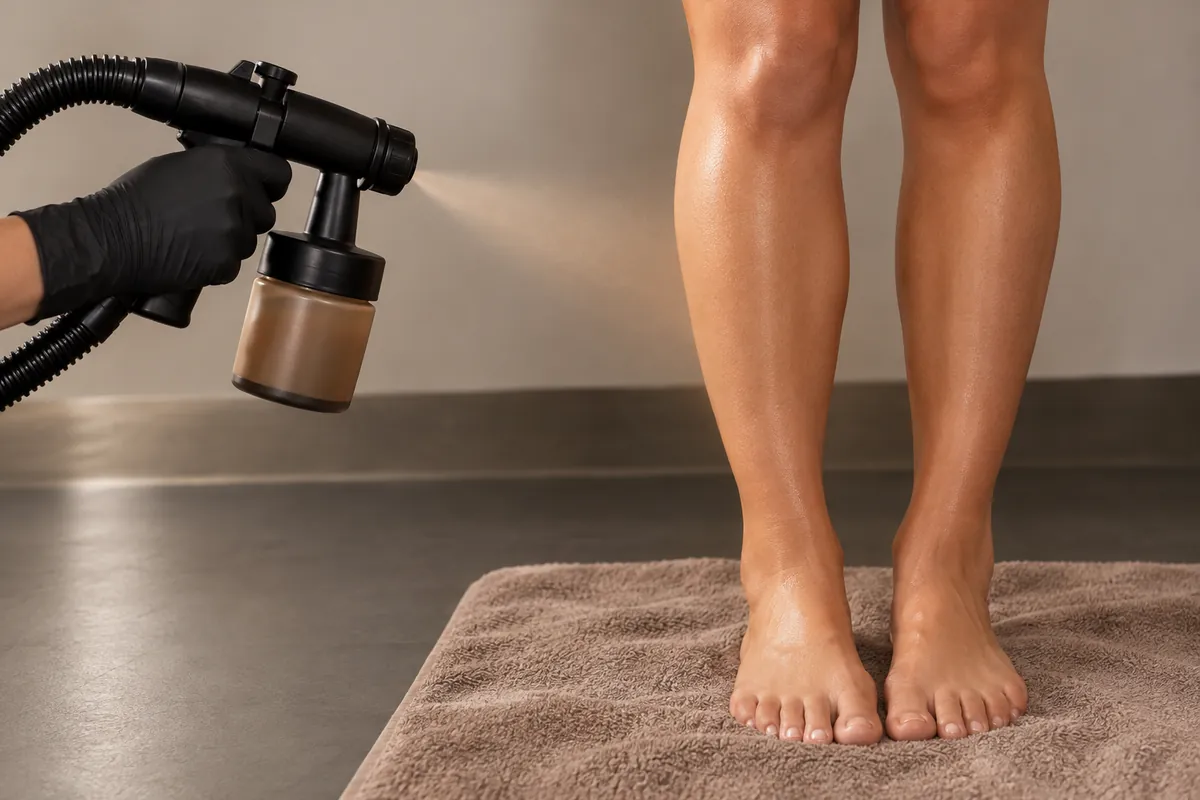
The fix is to wait at least 24 hours after waxing, and about 48 hours for the bikini area, underarms, or any area that stayed red, before a spray tan or self-tanner. Waxing a day or two ahead is in fact ideal preparation for a sunless tan. The wax removes hair and the dull outer layer of dead cells, leaving a smooth, even surface for the color to develop on, and a tan applied to freshly exfoliated skin lasts longer because those cells are the last to shed.
Do not do it the other way around. A spray tan lives in the outermost skin cells, and wax removes precisely those cells along with the hair. Waxing over a spray tan lifts the color off in strips and patches, most visibly on the legs, the upper lip, and around the brows. If you already have a sunless tan and need hair removed, shaving gently is the lesser evil until the tan has faded. If only a small area needs attention, such as the brows, tell your esthetician about the tan before they begin.
Waxing after tanning: tanned skin, sunburn, and whether wax removes a tan
The reverse situation needs attention for a different reason. Skin that has just had a lot of sun is drier, its barrier is already somewhat stressed, and it is more sensitive to any mechanical action. Pulling wax off it adds a second load right after the first. In practice this means more redness, more discomfort, and a higher chance of the wax lifting a thin layer of skin, which leaves a raw, shiny patch that can scab and heal with a mark. The more recent and intense the sun exposure, the higher that risk.
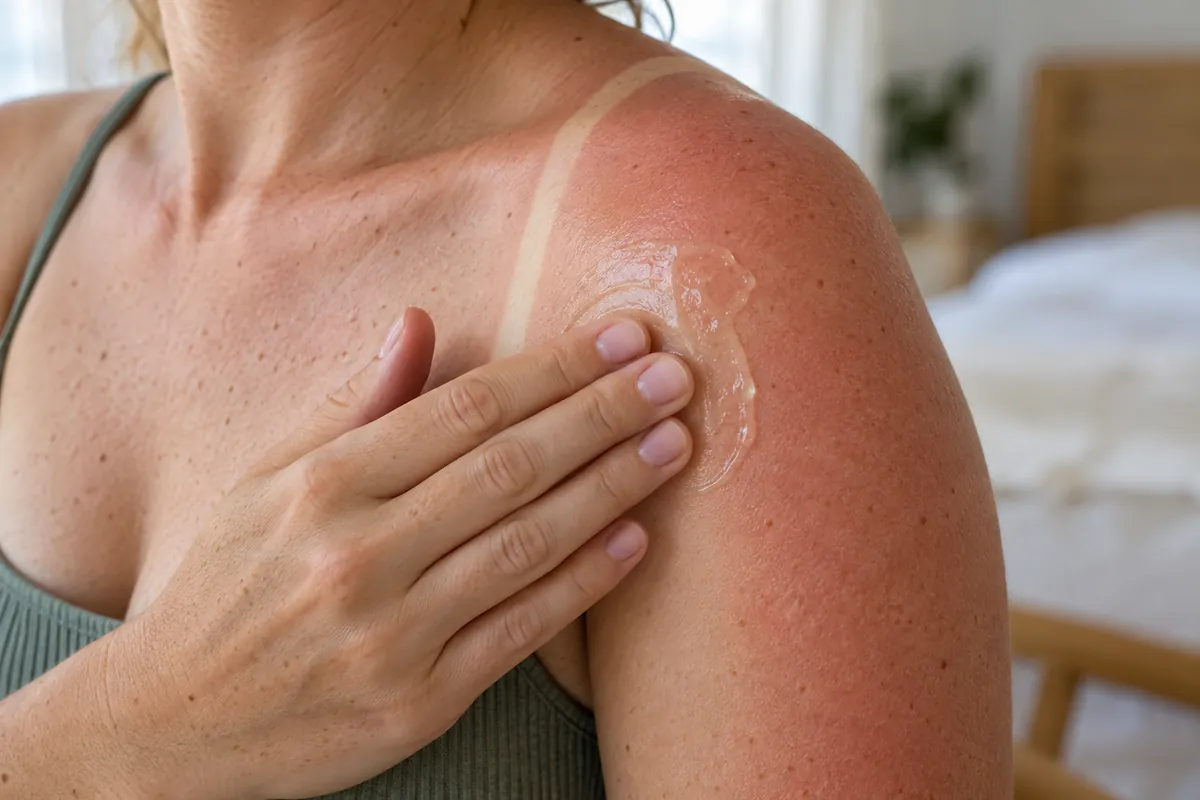
A settled tan on healthy, well-moisturized skin is fine to wax. Give your skin at least a day or two after a long day in the sun to rehydrate and calm down before an appointment, and tell your esthetician that you have been tanning. They may choose a gentler product or technique. Sunburn is a firm stop. No wax should be applied to skin that is red, hot, tender, tight, blistered, or peeling from the sun. Reschedule and come back when the skin has completely healed and finished peeling.
Sunburn and certain medications and skincare products belong to the same list of reasons to postpone. Retinoid creams, oral isotretinoin, recent chemical peels, and some acne treatments thin the skin's surface and make lifting more likely, and several common medications increase sensitivity to sunlight. If you are using any of these, mention it before the wax and be especially careful with sun afterward. The full list is in my guide to waxing contraindications.
Clients also ask whether waxing will take their tan off. It depends on the kind of tan. A natural tan is melanin produced in the living layers of the skin, deeper than wax reaches. Waxing does not pull it out. What it does is remove the outermost dead cells, which are slightly tinted too, so freshly waxed skin can look a shade lighter and brighter for a few days, and the waxed strip can be briefly visible next to unwaxed skin. The difference evens out quickly as the surface renews.
A sunless tan is a different story, as described above. Since the color sits entirely in the surface cells, waxing takes it off wherever the wax touches. This is why the order "wax, then spray tan" is not negotiable. It is also why a spray tan fades unevenly if you wax midway through its life. If you maintain a sunless tan all summer, time each wax for the end of a tan cycle, just before you exfoliate and reapply.
Different areas, different skin types
Body areas do not respond equally to waxing followed by sun. Lower legs and forearms are the most tolerant: the skin is thicker, irritation fades fastest, and the risk of pigment marks is lowest, which is why a shorter pause is acceptable there. The bikini line and underarms are the opposite. The skin is thinner and more sensitive to friction, and heat and sweat irritate those areas even without waxing. A synthetic swimsuit rubbing on a freshly waxed bikini line in the sun slows recovery noticeably.
The face needs separate thought. The upper lip, chin, and brow area are exposed to daylight all day, every day, not only at the beach. The upper lip is one of the places where a dark shadow most readily develops after waxing combined with sun. Daily sunscreen on the face is worth wearing regardless of any tanning plans, since facial skin receives ultraviolet light on cloudy days and through windows as well. After facial waxing, a hat and a mineral sunscreen are the minimum for the following days.
Skin tone and history change the margin too. Medium and deeper skin tones produce pigment more readily in response to inflammation, so they are more prone to dark marks after waxing and sun, and they benefit most from longer pauses and strict sun protection. Very fair, thin skin burns quickly and stays red longer. People with melasma, visible facial redness or broken capillaries, or a previous episode of discoloration after hair removal should plan a longer gap than the standard one and discuss it with the esthetician before the wax, not afterward.
Choosing sunscreen for recently waxed skin
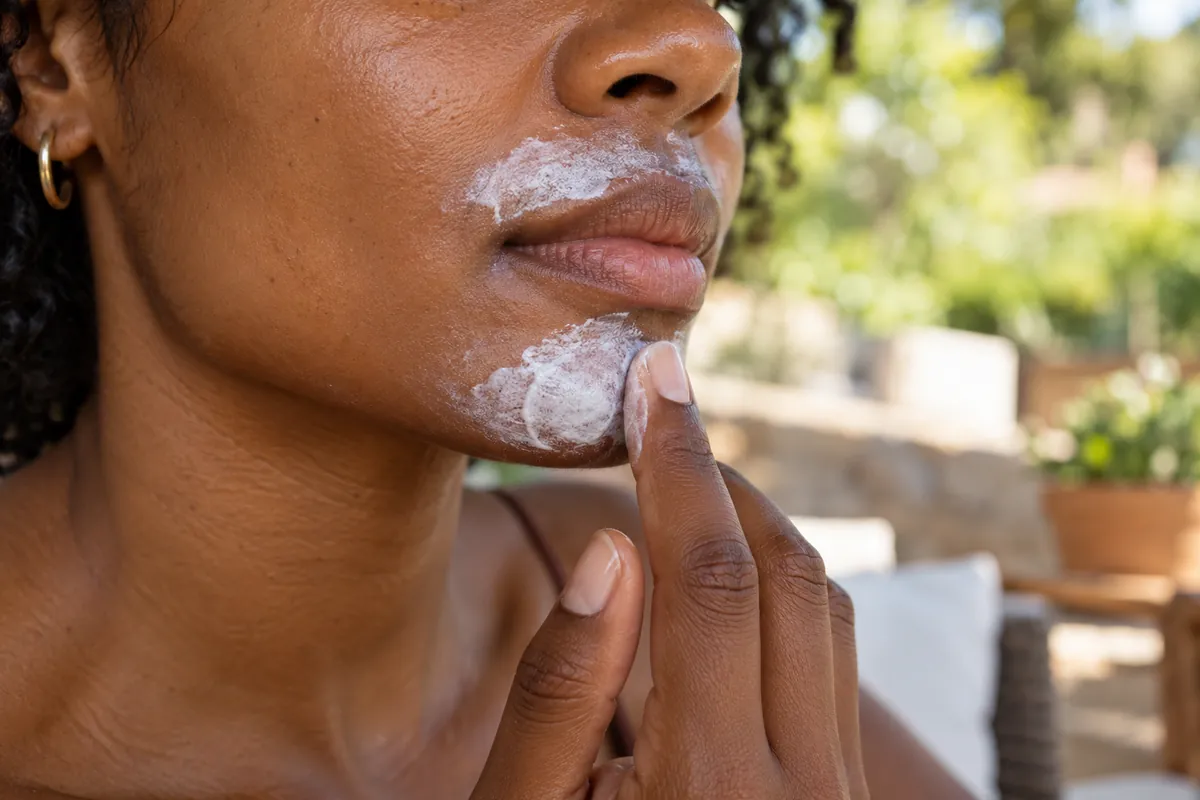
Not every sunscreen is equally comfortable on skin that was waxed a few days ago. For the first outings, mineral filters, zinc oxide and titanium dioxide, are usually the gentler choice. They are less likely to sting or irritate sensitized skin than some chemical filters, and they protect from the moment they are applied. Look for a broad-spectrum product of SPF 30 or higher that is fragrance-free and alcohol-free, and choose a water-resistant one if you will be swimming or sweating.
Texture matters as much as the formula. A light lotion or fluid spreads evenly over sensitive skin without much rubbing, while a thick paste has to be worked in with pressure, which is not what recently waxed skin wants. Apply generously and do not forget the edges of the swimsuit line, the tops of the feet, and the backs of the knees. Tanning oils with little or no SPF and perfumed after-sun products are best kept off waxed areas for the first week.
A word on after-sun care in the same week. If the skin feels tight or warm after a day outdoors, a cool shower and a plain, fragrance-free moisturizer are enough. Perfumed after-sun lotions, shimmering body oils, and products with alcohol high on the ingredient list are frequent causes of stinging and small rashes on recently waxed areas. Gradual tanning moisturizers contain the same DHA as other sunless tanners, so treat them as self-tanner and keep them off freshly waxed skin for the first day or two as well.
Skin care between the wax and the tan
The days between the appointment and the sun are not just waiting time. The right care noticeably speeds recovery. In the first 24 hours, avoid hot showers, baths, saunas, and steam rooms, since heat widens blood vessels and prolongs the redness that is already there. Rinse with cool or lukewarm water, pat dry, and apply the soothing product your esthetician recommended. Skip workouts, pools, and hot tubs for the first day or two.
From the second day, as the acute sensitivity fades, return gradually to ordinary care: a light moisturizer without alcohol or fragrance, applied daily. Well-hydrated skin recovers faster and tans, or takes a sunless tan, more evenly. Hold back scrubs and exfoliating acids until the skin is completely calm, then exfoliate gently. If you are planning a spray tan, do that exfoliation the day before the tan, not the same day, and skip heavy lotions and oils right before the appointment because they block the solution.
Clothing counts in these days as well. Loose, breathable fabrics reduce friction and let the skin settle, while tight synthetic clothes create extra irritation exactly where the skin is most vulnerable. This matters most for the bikini area and underarms, where rubbing during movement is stronger than on the shins or arms. The complete routine for the first week is in my waxing aftercare guide.
How tanning affects ingrown hairs
One connection is rarely mentioned: tanning and ingrown hairs. Sun-exposed skin responds by drying out and by building up its outer layer, and a thicker, drier surface is one of the things that keep a new, fine hair from breaking through. The hair then curls under the skin and forms a bump. If you tan regularly between waxes, pay more attention to gentle exfoliation and daily moisturizing in those weeks. It lowers the risk of ingrowns and makes the tan itself look more even.
A habit of frequent, long tanning also makes skin tougher and less elastic over the years, which affects how comfortable waxing is in general. That is one more argument for consistent skin care through the whole season, not just a burst of effort before a trip. If bumps do appear a week or two after waxing, my guide to ingrown hairs after waxing explains how to tell them from irritation and what to do.
Sugaring, electrolysis, and laser: do the rules change?
The sequence "hair removal, pause, sun" applies to every method, though the load on the skin and the recovery time differ. Sugaring acts on the hair and follicle much as waxing does. The paste adheres less to live skin, so many clients see slightly less redness, but the follicles are open all the same and the pause before sun or a spray tan stays the same. The difference is mostly in comfort during the service, as I describe in the guide on wax versus sugaring.
Electrolysis works differently. A fine probe treats each follicle individually, and for a few days afterward there may be pinpoint marks or tiny crusts. Sun on those healing points is a real risk for dark spots, so the pause should be at least as long as after waxing, often longer, and sunscreen during a course of treatment is essential. On the other hand, electrolysis does not depend on skin pigment, so tanned skin is not a barrier to treatment, though sunburned skin is. My electrolysis aftercare guide covers this.
Laser hair removal is the strictest. Lasers target pigment, and tanned skin, including a sunless tan, raises the risk of burns and discoloration. Providers generally require clients to avoid tanning for weeks before and after sessions. If you are deciding which method suits a life spent largely outdoors, the comparison in my guide to hair removal methods may help.
Myths about tanning and waxing
"You can never tan after waxing." An exaggeration. The problem is not tanning after waxing as such. It is too short a gap, when the skin has not yet recovered. Once the redness and sensitivity are gone and the surface has rebuilt, sun on the waxed area is tolerated just like sun anywhere else, with the usual protection. "One day is enough for everything." The gap depends on the area, the method, and your skin. A day may be plenty for shins. It is not enough for a Brazilian or a lip wax.
"Sunscreen removes the risk, so I can skip the wait." Sunscreen is a supplement to the pause. It lowers the risk of burning and of pigment marks but does not protect fresh skin from sweat, friction, chlorine, or its own ingredients stinging. "A tanning bed is safer than the beach after a wax." The ultraviolet light is the issue, and a bed delivers it in a concentrated dose. "A base tan protects my skin for waxing." A tan is a sign of ultraviolet injury, not armor, and recently tanned skin is more fragile under wax, not less.
If you got sunburned on recently waxed skin
If the skin burned despite your precautions, cool it first: a cool, damp compress or a cool shower, no hot water, and a light, alcohol-free moisturizer or a plain aloe gel. Drink water, stay out of the sun until the burn has healed, and wear loose, soft clothing. Do not pick at peeling skin or pop blisters. Put every other treatment on hold, including your next wax, until the burn has completely healed. Keeping to the planned schedule over a burn means loading the skin twice.
For a severe burn, with blistering over a large area, strong pain, fever, chills, or dizziness, see a physician instead of treating it at home. If dark marks appear afterward in the waxed area, strict sun protection is the most useful thing you can do while they fade. Scrubbing or bleaching them at home tends to make things worse. Marks that persist for months are worth showing to a dermatologist, who can confirm what they are and suggest treatment.

A simple schedule and your next step
Putting it together, here is the order that works for a beach weekend, a vacation, or an event. Adapt the gaps to your skin and to the areas involved, and extend them if you have ever had discoloration after hair removal. If you swim regularly, the same logic applies in everyday life: leave at least a day between a wax and your next pool session.
- Tell your esthetician about your tanning plans and dates when you book, not on the day.
- Stay out of strong sun and tanning beds for several days before the wax, and never arrive sunburned.
- Wax three to five days before strong sun for the bikini line, underarms, and face, and one to two days before for legs and arms.
- For a sunless tan, wax one to two days before the spray tan or self-tanner, never after it.
- Keep the skin cool, clean, moisturized, and in loose clothing between the wax and the tan.
- Check for leftover redness, warmth, tenderness, or bumps before you go out. If any are present, wait another day.
- From the first day in the sun, use broad-spectrum SPF 30 or higher on waxed areas and reapply through the day.
- After a lot of sun, give your skin a few days to recover before the next wax.
Waxing and tanning are compatible when there is enough of a pause between them for the skin to recover and when the skin is protected during the tanning itself. The dark marks and irritation people fear do not come from the sun as such. They come from combining fresh, vulnerable skin with ultraviolet light or tanning product. Your next step is to look at the date you want to be tan, count back, and book the wax with your esthetician, mentioning the plan. For estheticians and students, this consultation is part of the job, taught alongside technique in a waxing course, and state rules on who may perform waxing are on the waxing licensing hub. How long the smooth result will last is covered in my guide on how long waxing lasts.

State Requirements
State licensing guides
Hours, exams, fees, and the licensing board differ by state. Open your state for the current requirements.
Common Questions
FAQ
Wait at least 24 to 48 hours before sun exposure on less sensitive areas such as legs and arms, and three to four days for the bikini line, underarms, and face. Use the same or a longer wait for tanning beds. The skin should show no redness, warmth, tenderness, or bumps before you go out. If your skin tends to stay irritated or you have had dark marks after hair removal before, extend the gap.
Yes, after a pause of at least 24 hours, and about 48 hours for sensitive areas. On freshly waxed skin the follicles are open, and tanning solution collects in them, leaving dark dots and blotchy color. Waxing a day or two before a spray tan is ideal preparation, because it removes hair and dull surface cells so the color develops evenly and lasts longer.
Before. A sunless tan sits in the outermost layer of skin cells, and wax removes those cells along with the hair, so waxing after a spray tan lifts the color off in strips. Plan to wax one to two days before the tan. If you already have a spray tan and need hair removed, gentle shaving does the least damage to the color until it fades.
Freshly waxed skin has a thinner protective surface and mild inflammation around the follicles, so it burns faster and may react to ultraviolet light with uneven pigment. The possible results are stinging, a rash, sunburn, and dark dots or patches at the waxed area that can take weeks or months to fade. If it has already happened, keep the area cool, moisturized, and out of the sun, and use sunscreen diligently afterward.
Not for at least 48 hours, and three to four days or more for sensitive areas. A tanning bed delivers concentrated ultraviolet light to the whole body, including freshly waxed skin that rarely sees the sun, and tanning lotions can sting and irritate. Dermatologists advise against indoor tanning in general because it raises skin cancer risk. A spray tan timed a day or two after waxing is a safer way to get color.
A settled tan on healthy, moisturized skin can be waxed. Wait a day or two after heavy sun so the skin can rehydrate, and tell your esthetician you have been tanning. Sunburned, peeling, or blistered skin must not be waxed, because wax can lift damaged skin and leave raw patches. Reschedule until it has fully healed. Other reasons to postpone are listed in the guide to waxing contraindications.
Waxing removes a spray tan or self-tanner wherever the wax touches, since that color exists only in the surface cells. A natural tan lies deeper, in the living layers of the skin, so waxing does not remove it. Freshly waxed skin can look slightly lighter for a few days because the tinted outer cells were lifted away, but this evens out quickly as the skin renews.
Choose a broad-spectrum sunscreen of SPF 30 or higher that is free of fragrance and alcohol. Mineral formulas with zinc oxide or titanium dioxide are usually the most comfortable on sensitized skin. Pick a light texture that spreads without rubbing, use a water-resistant product for swimming, and reapply every two hours and after getting wet. More first-week advice is in the waxing aftercare guide.
Keep Reading
Related Guides


