Waxing
Waxing Before Vacation: When to Book and How to Plan

Quick answer
Book waxing two to three days before vacation for legs, arms, underarms, and face, and three to four days before for a bikini or Brazilian wax. Stop shaving two to three weeks before the appointment so hair reaches about a quarter of an inch. Avoid waxing the day before or the day of a flight, and try any first wax weeks earlier.
The best time for waxing before vacation is two to three days before you leave for most areas, and three to four days before for a bikini or Brazilian wax. That gap gives redness time to fade and the follicles time to close before your skin meets sun, salt water, chlorine, sweat, and a tight swimsuit. Waxing the day before a flight, or the same morning, feels efficient because the skin is at its smoothest, but those first hours are exactly when it is most easily irritated, and travel piles on every irritant at once.
The second half of the plan is the part people forget: hair has to be long enough to wax, so the countdown really starts weeks earlier, when you put the razor away. This guide lays out a full timeline, from the last shave to the day you fly, with adjustments for each body area, for first-timers, for beach, adventure, and business trips, and for the last-minute situation when the appointment you wanted was not available. It also covers what to pack and what to do if your skin reacts when you are far from home.
Why timing matters more before a trip
Waxing is a controlled stress on the skin. The hair is pulled out from the root, the follicle opening is left exposed for a while, and some of the outermost dead skin cells come away with the wax, so the surface is thinner and more sensitive than usual. For some people this lasts a few hours. For others, particularly in sensitive areas, it lasts a day or two. Until the skin has recovered, it is more vulnerable to ultraviolet light, chlorine, salt, sweat, friction, and bacteria.
Those happen to be the main ingredients of a vacation. At home, a wax is usually followed by an evening in loose clothes. Before a trip, it may be followed by hours in an airplane seat, a change of climate, a first afternoon by the pool, and sunscreen and sand on skin that has not settled. Nothing about that is dangerous in itself, but it is how people end up with red bumps along the bikini line on day two of a week they planned for months.
There is also a practical side. If irritation or folliculitis does show up, you will be dealing with it away from home, without your usual products and without a quick message to the esthetician who knows your skin. A small buffer between the appointment and departure means that if anything unusual happens, it happens while you are still in your own bathroom, with time to fix it.
How many days before vacation should you wax?
No single number is right for everyone, because skin sensitivity, the area being waxed, your experience with waxing, and the conditions at your destination all play a part. The working rule most professionals follow is that at least one to two days should pass between a wax and active time in the sun, pool, or ocean, with three to four days for sensitive areas such as the bikini line. That is the time in which redness normally resolves and the follicles close, leaving skin that looks and feels even.
| Area | Suggested gap before departure | Notes |
|---|---|---|
| Legs and arms | About 2 days | Sturdier skin, redness usually gone within a day |
| Underarms | 2 to 3 days | No deodorant for the rest of the day after waxing, sweat-prone area |
| Bikini line | 3 to 4 days | Sensitive skin under a tight, wet swimsuit |
| Brazilian | 3 to 4 days, more for a first time | Most reactive area, coarse hair |
| Back and chest | 2 to 3 days | Large surface, prone to breakouts with sweat |
| Brows, lip, face | 2 to 3 days | Facial redness is the most visible, and the face gets the most sun |
Two areas have quirks worth planning for. Underarms cannot have deodorant or antiperspirant for the rest of the day after a wax, which is awkward on a travel day and one more reason to get them done two or three days ahead. The face, brows, upper lip, and chin, shows redness more than any other area and gets sun every waking hour of a vacation, not only at the beach. Facial skin that was waxed too recently is the most likely to end up with a darker patch after strong sun, so leave a clear gap and wear sunscreen daily.
If the trip stacks several stresses in a row, a long flight, a new climate, and the beach on the first afternoon, use the upper end of each range. A day of smoothness given up at the start is a small price for comfortable skin in the first days. Waxing results last for weeks, as I explain in the guide on how long waxing lasts, so a wax done four days before departure still carries you comfortably through a one- or two-week vacation.
Know your own recovery time. After a wax, skin typically goes through stages: redness and heightened sensitivity at first, a gradual settling over the next hours, and a normal look and feel within a day or two. If you know from past appointments that your skin stays irritated longer than average, build in a larger margin than the standard. If you have waxed for years and your skin is calm by dinner, the shorter end will do.
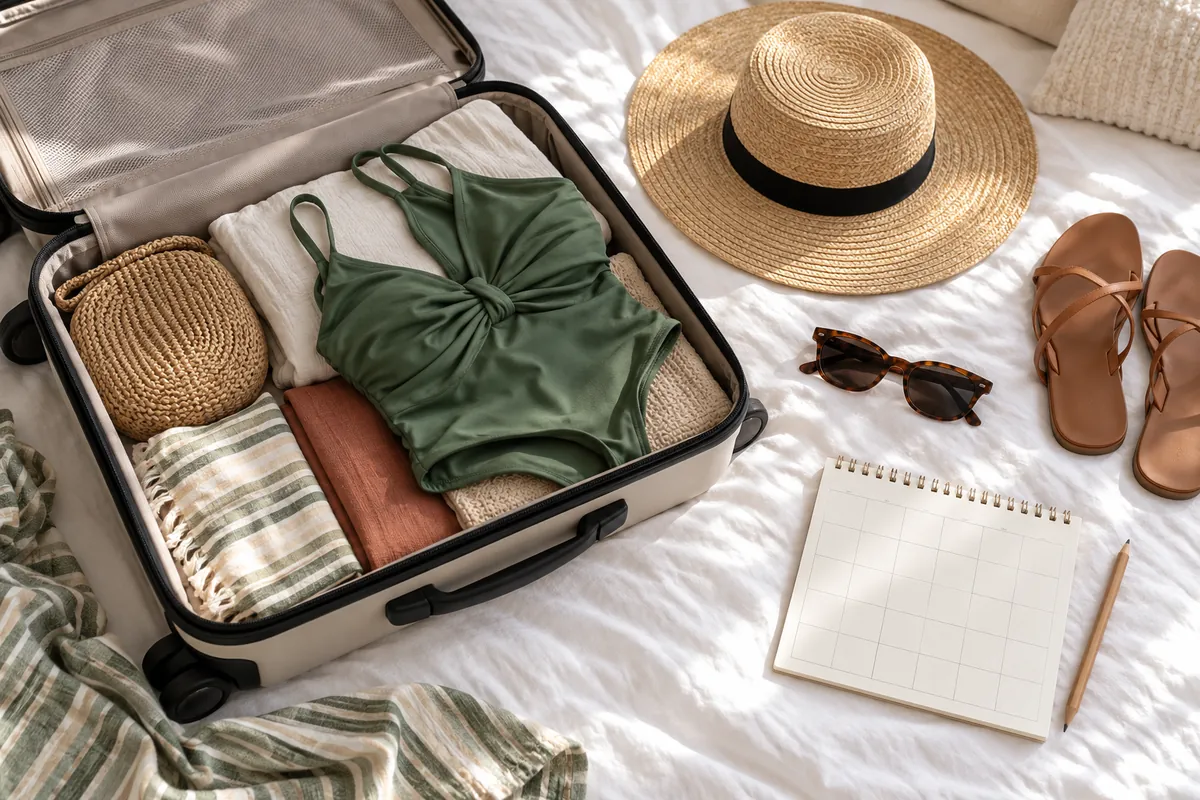
The countdown starts weeks earlier: growing the hair out
Wax needs something to hold. Hair that is too short slips out of the wax, leaving stubble behind and prompting extra passes over the same skin, which is how irritation starts. The commonly used guide is about a quarter of an inch, roughly the length of a grain of rice. For most people who shave, that takes around two to three weeks of growth, a little longer for fine or slow-growing hair. The details are in my guide on how long hair should be for waxing.
So work backward from the flight. Take your departure date, count back three days for the appointment, then count back another two to three weeks for your last shave. Put both dates on the calendar. The mistake I see every spring is the client who shaves for a party ten days before a trip, then arrives for a pre-vacation wax with hair too short to remove cleanly. If that is already your situation, tell your esthetician when you book. Sometimes hard wax can manage shorter hair in small areas, and sometimes the honest answer is to shave for this trip and wax for the next.
If you already wax on a regular cycle, the planning is simpler. Look at where the trip falls in your schedule and shift one appointment by a few days so that it lands in the right window. Regular clients are the ones with the easiest vacations: their hair is finer and sparser, their skin reacts less, and their recovery time is short and predictable. Mention the trip a visit or two ahead, and your esthetician will help you line up the dates.
Why the day before your flight is a bad idea
The temptation is understandable. Skin is at its smoothest in the first days after waxing, and booking the appointment for the evening before departure seems to maximize that. But those are also the days of highest risk, and the journey itself is hard on fresh skin. Cabin air is very dry. You sit for hours in fitted clothing, with a seat belt, waistband, and seams pressing on the same places. Temperatures swing between a cold cabin and a hot arrival hall.
For the bikini area and inner thighs in particular, a long flight in tight jeans or leggings is sustained pressure and friction on skin that would prefer air. Compression socks or tights, which many travelers wear on long flights, do the same to freshly waxed legs. If the wax did fall close to departure, wear loose, soft clothing on the plane. If compression garments matter for your health, keep wearing them and move the leg wax earlier instead.
Then comes arrival. The classic first-afternoon sequence, sunscreen, sun, pool, ocean, sand, and a damp swimsuit worn for hours, is the heaviest possible load on skin waxed the night before. Add jet lag, short sleep, and the dehydration of travel, all of which slow recovery, and it becomes clear why two or three days of margin make such a difference.

First wax before an important trip
If the trip is a big one, a honeymoon, a destination wedding, a milestone birthday, and the wax would be your first, give yourself far more time than a regular client needs. Skin that has never been waxed reacts less predictably, and the reaction sometimes shows up the following day instead of straight away. First waxes also tend to be more uncomfortable and leave more redness, since all the hair is at full strength and at different stages of growth.
The sensible strategy is a trial run. Have the area waxed about four to six weeks before the trip, see how your skin behaves over the next few days, and then book the pre-vacation appointment based on what you learned. By then the hair will have grown back enough to wax again, and the second wax is almost always easier. This matters most for areas that have never been waxed. Trying a first Brazilian three days before a honeymoon is a gamble I advise against, however calmly your legs handle waxing.
A trial also lets you settle on the service itself. Clients are often unsure how much hair they want removed for swimwear, and the difference between a bikini line tidy-up and a full Brazilian is significant in both comfort and recovery. My guides on bikini wax versus Brazilian wax and the first-time Brazilian wax walk through those choices.
Several areas at once: one visit or two?
Legs, underarms, and bikini in a single appointment is the standard pre-vacation request, and it is perfectly reasonable. The load on the skin is simply higher than with one area, so plan the gap before departure around the most sensitive area on the list, not the average. If the bikini line is included, the whole appointment belongs three to four days out.
The alternative is to split the work. Less sensitive areas such as legs and arms can be done about a week before the trip, and sensitive ones such as the bikini area closer to departure, though never on the last day. Splitting spreads the stress and means that if one area reacts, you are not managing several irritated patches at once. It also suits people who find a long appointment tiring, and it gives your esthetician a second look at your skin before you go.
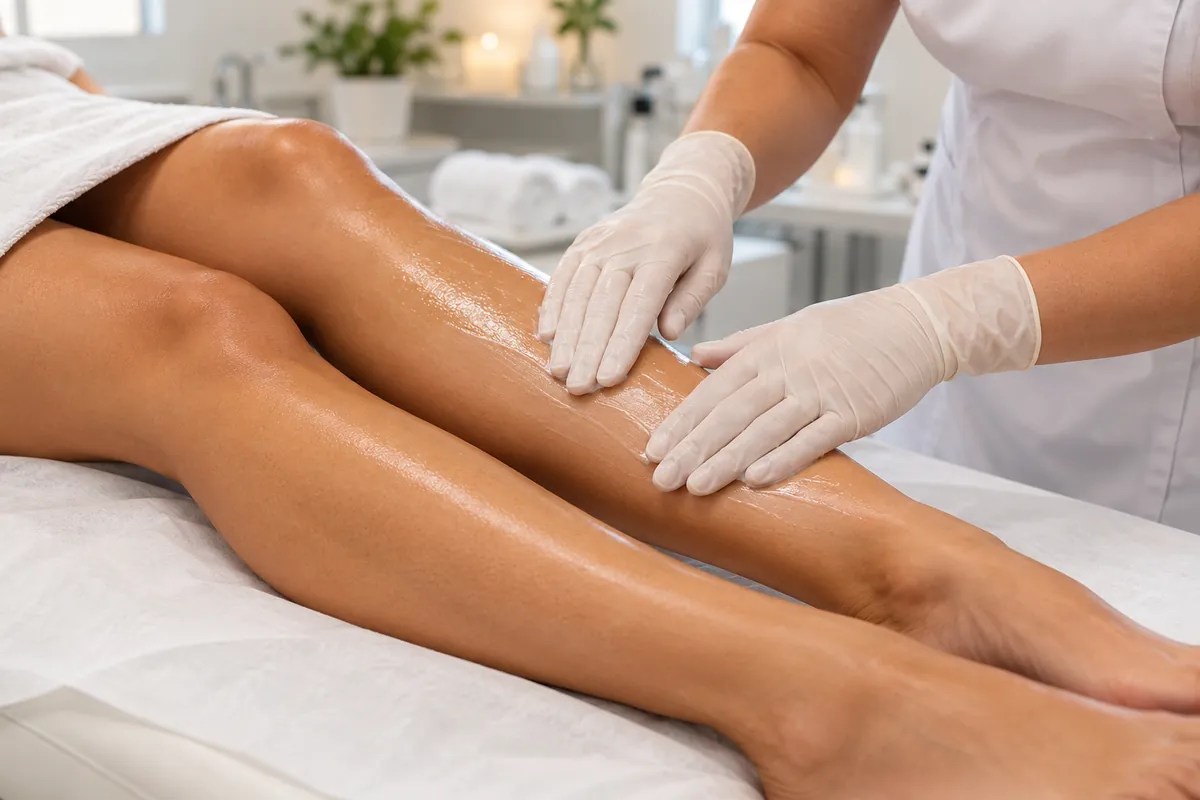
Timing by type of trip
Where you are going changes the calculation. A beach resort means sun, salt, chlorine, and swimwear. A hot, humid destination adds a second adaptation, because your skin is recovering from the wax and adjusting to heat and humidity together, and extra sweating in the first days can bring out irritation that never appears at home. A dry desert climate pulls moisture from the skin instead. Tell your esthetician where you are headed and for how long. It helps them adjust both the timing and the aftercare advice.
| Type of trip | Suggested gap before departure | What to factor in |
|---|---|---|
| Beach or pool vacation | 2 to 4 days, depending on area | Sun, chlorine, salt water, sand, damp swimsuits |
| Cruise | 3 to 4 days | Pools and hot tubs from the first day, limited access to your usual products |
| Surfing, diving, snorkeling | 3 to 5 days | Wetsuit or rash guard friction, long sessions in the water |
| Hiking and mountain trips | 3 to 4 days | Altitude sun, dry air, heavy sweating, pack straps |
| Business travel | 2 to 3 days | Fitted clothing and hosiery, tight schedule, no time for skin to recover |
| Weekend getaway | Wax on your normal schedule about a week before | Too short to plan around, so let regular timing do the work |
Active trips deserve the longer margins. A wetsuit fits tightly and rubs for an hour or more at a time, so legs, arms, and underarms need an extra day or two compared with ordinary beach time. A mountain hike combines strong sun at altitude, dry air, sustained sweating, and backpack straps on shoulders and hips, and skin recovers more slowly when the body is also adapting to altitude and effort. Business trips rarely involve a beach, but suits, fitted shirts, and hosiery create their own friction, and you want any redness on the face or arms gone before the first meeting.
Short weekend trips flip the logic. There is no room for a multi-day buffer, so do not build the wax around the trip at all. Have it done on your usual cycle, about a week before, and your skin will be long past any reaction by the time you leave. If your normal interval already puts an appointment in a suitable window, there is no need to move anything.

Waxing or sugaring before a trip
Sugaring paste is used at body temperature and removed in the direction of hair growth, and many clients find it leaves a little less redness than traditional wax. That is a tendency, not a law. It depends on your skin and on the technician's skill, and plenty of people react less to a good hard wax than to sugaring. The two methods are compared in my guide on wax versus sugaring. Either way, the timing rules are the same, because both remove hair from the root and leave the follicles open.
What matters before a trip is using the method your skin already knows. If one of them has reliably given you a calmer result, book that one. Do not pick a new method at random in the last week because a friend swears by it. The same applies to the person doing the work. An esthetician who knows your skin from previous visits can predict your recovery better than any general chart and can suggest a gentler approach for sensitive areas when they know your exact departure date.
Preparing your skin in the week before the appointment
A good pre-vacation wax starts with skin in good condition. In the week before, moisturize daily so the skin is supple, and exfoliate gently once or twice, stopping a day or two before the appointment. Arrive clean, without lotion or oil on the areas to be waxed. Do not tan or use a tanning bed beforehand, and do not arrive sunburned. Waxing over sun-stressed skin can lift it.
Packing week tends to come with short nights, rushed meals, and a drink or two at farewell dinners, and skin reflects all of it. Tired, dehydrated, stressed skin is a bit more sensitive and a bit slower to recover. This is not a strict rule, just one more argument against leaving the appointment for the frantic last evening. Drink water, sleep as normally as you can for a couple of nights before, and go easy on alcohol and caffeine on the day, since both can make waxing feel sharper.
Check the contraindications as well. Some skin conditions and medications make waxing a bad idea regardless of your travel dates. Retinoid creams, oral isotretinoin, recent chemical peels or laser treatments on the area, sunburn, active skin infections, and certain health conditions all change the picture. If you have started a new medication or had any skin treatment in recent weeks, raise it when you book, not on the table. The full list is in my guide to waxing contraindications.

What to pack for your skin
Even with perfect timing, your skin will meet new conditions on the trip: a different climate, stronger sun, and treated or salty water. A small kit covers nearly everything, and all of it fits in a travel-size bag that passes through airport security in your carry-on. Pack it there and not in checked luggage, so a delayed suitcase does not leave you on a sunny terrace without sunscreen on the first afternoon.
- Broad-spectrum sunscreen, SPF 30 or higher: for all waxed areas that will be exposed, reapplied after swimming. Recently waxed skin burns and discolors more easily.
- A light, fragrance-free, alcohol-free moisturizer: for dryness from cabin air, sun, and pool water.
- The soothing gel your esthetician recommends: in case of an unexpected reaction on the road.
- A gentle exfoliating mitt or mild exfoliating product: to use a few times during the trip once the first days have passed, to prevent ingrown hairs.
- Loose clothing in breathable fabric: for the flight and the first days, especially if the wax was close to departure.
- A second swimsuit: so you can change out of a wet one instead of sitting in it for hours.
Sunscreen is the item I would not travel without. Tropical and high-altitude sun is much stronger than what most people are used to, and skin that was waxed within the past few days can develop dark marks at the follicles if it is left unprotected. Hotel pools in hot climates are often heavily treated, which dries the skin further. Rinse off after swimming and apply moisturizer before the skin starts to feel tight, not after.
If you waxed too close to departure, or irritation shows up
Sometimes the appointment you wanted was not available, and there is only a day or two left. Assess the risk honestly. If your skin usually reacts mildly and you have waxed many times, a short margin may work out fine. If you have had reactions before, consider postponing the wax until after the trip, or limiting it to a less sensitive area such as the legs, which carries less risk even the day before a flight. Your esthetician can look at your skin on the day and tell you frankly whether to go ahead.
If the wax is already done, a few steps lower the risk in the first days. Wear loose, breathable clothing for the first 24 hours, including on the flight. Keep the waxed areas out of direct sun for the first day or two, using shade, a cover-up, or a long loose shirt. Skip the pool, hot tub, and sauna on arrival day, and ease into the ocean. Moisturize daily with a light, fragrance-free product. If your skin is prone to irritation, give the most sensitive area an extra day before sand and salt water.
If redness or bumps appear in the first days despite your planning, do not panic. In most cases it is a temporary reaction that settles within a day or two with simple care. First, take the irritated area out of direct sun and stay out of the pool, hot tub, and ocean for a day. A cool, not cold, shower and a light, fragrance-free, alcohol-free soothing product usually ease the discomfort within 24 hours.
Avoid heavy, greasy creams and oils on freshly irritated skin, since they can clog follicles and prolong the reaction. Wear loose clothing, change out of wet swimwear promptly, and do not scratch, scrub, or shave over the bumps. Small red bumps at the follicles a day or two after waxing are usually folliculitis from sweat and friction. Bumps that appear a week or more later, as hair regrows, are more likely ingrown hairs, which I cover in the guide to ingrown hairs after waxing.

Waxing yourself at home before a trip
Home wax strips and kits are popular before vacations, and they can work, but the risk of mistakes is higher. Controlling wax temperature, holding the skin taut, and pulling at the correct angle are harder without training, and errors show up as bruising, lifted skin, burns from overheated wax, broken hairs, and patchy results. Any of those is more annoying when you are about to spend a week in a swimsuit.
If you plan to wax at home, allow a larger margin before departure than you would for a professional appointment, so there is time for the skin to recover from any mishap. If you have never done it, practice on a small, less visible area weeks earlier, not on your bikini line three days before the flight. For sensitive areas, and for any first-time wax, I recommend a licensed professional. You can check who is permitted to perform waxing in your state on the waxing licensing hub.
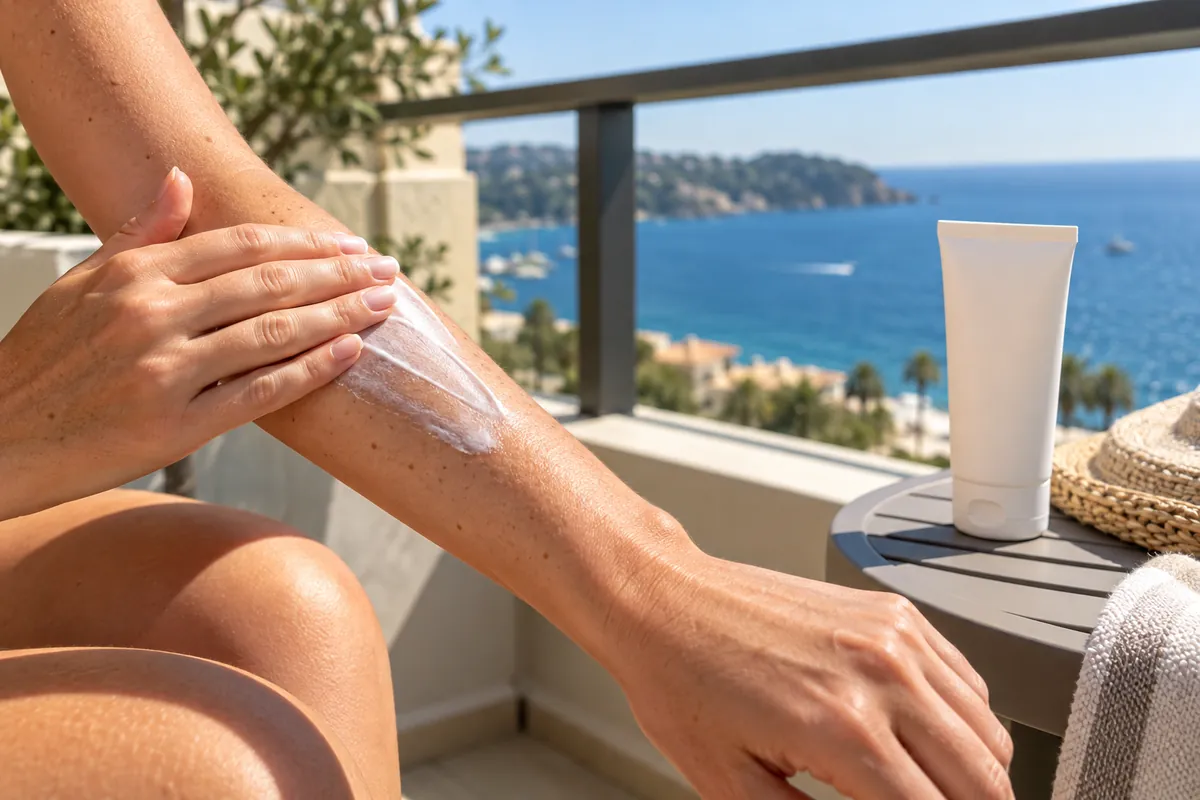
During the trip and after you come home
A wax done at the right time stays smooth for a typical one- or two-week vacation. Toward the end of a longer trip, fine regrowth may start to appear. Resist tweezing or shaving if you plan to keep waxing, since both disrupt the growth cycle that makes each wax easier than the last. Gentle exfoliation a few times a week, starting several days after the wax, keeps new hairs from becoming trapped. If regrowth truly bothers you on a long trip, a careful trim is the least disruptive option.
Self-tanner and spray tans need to be fitted into the same plan. Wax first, wait at least a day or two for the skin to settle, then tan, since tanning product collects in open follicles and shows up as dark dots, and waxing afterward lifts the color off in strips. If you want a spray tan for the trip, the order that works is wax, a day or two of rest, spray tan, then travel.
After a week or two of sun, salt, and chlorine, the skin usually needs a break before the next wax, especially if care on the road was patchy. Give it several days of rest and moisturizing after you get back, even if your regular appointment is due. If you came home with a tan, and particularly with any sunburn or peeling, tell your esthetician before the next visit. Recently tanned skin is more fragile under wax and may call for a different product, a gentler technique, or a short delay.
For estheticians and students reading this, the pre-vacation conversation is one of the easiest ways to show clients real expertise. Asking where they are going, counting the days back with them, and booking the trial and the final appointment together turns a one-time visitor into a regular. Client consultation and aftercare are part of what a waxing course teaches, alongside the hands-on training and licensing your state requires.

A sample timeline you can copy
Here is the whole plan in one place for a typical beach vacation with legs, underarms, and bikini waxed in one visit. Adjust the gaps for your own skin and for the areas involved, and use the longer margins for a first wax or an active trip. The dates are relative on purpose, so you can copy the list into your calendar and fill in your own departure day.
- Four to six weeks before: if you are new to waxing or trying a new area, have a trial wax and note how long your skin takes to settle.
- Two to three weeks before the appointment: stop shaving the areas to be waxed. Tell your esthetician your travel dates and book.
- The week before the appointment: moisturize daily, exfoliate gently once or twice, avoid tanning.
- Three to four days before departure: wax. Wear loose clothes afterward, and skip workouts, hot baths, and pools for the first day or two.
- Two days before departure: check your skin. If anything looks off, message your esthetician while you are still home.
- Travel day: loose clothing on the flight, moisturizer on arrival.
- On vacation: sunscreen every day, rinse after swimming, change out of wet swimwear, exfoliate gently a few times.
- Back home: give your skin several days to recover before the next wax, and mention any tan or sunburn.
The outline of all this is short. Allow about two days between a wax and active vacation time for sturdier areas, three to four days for the bikini area and other sensitive skin, and never wax on the day you fly or late the night before an early flight. A little planning ahead is what keeps the first days of a trip about the trip. Your next step: open your calendar, mark your departure, count back three days for the appointment and three more weeks for your last shave, and book it now, before the pre-holiday rush fills the schedule. For the day-by-day routine afterward, keep my waxing aftercare guide handy.

State Requirements
State licensing guides
Hours, exams, fees, and the licensing board differ by state. Open your state for the current requirements.
Common Questions
FAQ
For legs and arms, about two days before departure is usually enough. For underarms, the back, and the face, allow two to three days. For a bikini or Brazilian wax, plan on three to four days, and more if it is your first time. That gap lets redness fade and follicles close before your skin is exposed to sun, chlorine, salt water, sweat, and tight swimwear. If your skin tends to stay irritated longer than average, add a day.
It is better not to. Skin is most reactive in the first 24 to 48 hours, and travel adds dry cabin air, hours of sitting in fitted clothing, a change of climate, and often sun and a pool on arrival. If there is no other option, limit the wax to less sensitive areas, wear loose clothing on the flight, and keep the area out of sun and water for the first day or two.
About two to three weeks before the appointment for most people. Wax needs hair of roughly a quarter of an inch to grip, and shorter hair leads to patchy results and extra passes over the same skin. Count back from your departure date: a few days for the appointment, then two to three more weeks for the last shave. See the guide on how long hair should be for waxing.
For a typical one- or two-week vacation, yes. Waxing removes hair from the root, so regrowth takes weeks, and a wax done three or four days before departure will normally stay smooth throughout. First-time waxers may notice some hairs sooner, because hair grows in cycles and not all of it is at a waxable stage at once. Regular waxing evens this out and makes results last longer.
Wait at least 24 to 48 hours before swimming in a pool or the ocean and before sunbathing, and closer to 48 hours or more for the bikini area. Give hot tubs at least two days. Freshly waxed skin burns and discolors more easily and is more open to irritation from chlorine, salt, and bacteria. Once you do go out, use a broad-spectrum sunscreen and rinse off after swimming.
No. A first wax is less predictable, and reactions can appear the next day. Have a trial wax of the same area about four to six weeks before you travel, see how your skin responds, then repeat it three to four days before departure. The second wax is usually easier and calmer. This matters most for the bikini area. The first-time Brazilian wax guide explains what to expect.
Keep the area out of sun, pools, hot tubs, and the ocean for a day. Take a cool shower, apply a light fragrance-free soothing product, wear loose clothing, and change out of wet swimwear quickly. Do not scrub, scratch, or shave over the bumps. Most reactions settle within a day or two. If the irritation lasts beyond two or three days, worsens, becomes painful, or produces pus, see a local physician or urgent care clinic.
Not automatically. Some people find sugaring leaves less redness, others do better with a good hard wax, and the technician's skill matters as much as the product. Both remove hair from the root, so the timing before departure is the same. The best choice before a trip is the method and the professional your skin already knows. Avoid trying something new in the final week before you leave.
Keep Reading
Related Guides


