Electrolysis
Waxing vs Electrolysis: Results, Pain, Cost and How to Choose
Quick answer
Waxing pulls hair out by the root and leaves the follicle alive, so hair regrows in a few weeks. Electrolysis destroys the growth cells in each follicle with a fine probe and current, and it is the only method the FDA accepts for permanent hair removal claims. Both work on any hair color and skin tone. Stop waxing an area before starting electrolysis.
Waxing vs electrolysis is a comparison between two methods that are built for different jobs. Waxing pulls hair out of the follicle and leaves the follicle alive, so the hair grows back in a few weeks. Electrolysis sends a small amount of current into each follicle through a fine probe and destroys the cells that grow the hair, so that follicle stops producing hair for good. One is fast, affordable per visit, and temporary. The other is slow, precise, and permanent. Most of the confusion I hear comes from expecting one method to behave like the other.
I am Aida Khazieva, a licensed electrologist and cosmetologist, and I have performed both services for more than twenty years. I do not think of them as rivals. I wax clients who want smooth legs for the summer, and I treat clients with electrolysis who are tired of waxing the same chin every three weeks. This guide compares the two honestly: how each works, how long results last, what each feels like, what each costs over time, which areas suit which method, and how to switch from one to the other without wasting effort.
The short answer
Choose waxing when you want a large area smooth quickly, you are comfortable repeating the service every few weeks, and permanence is not the goal. Choose electrolysis when you want specific hairs gone permanently and you are willing to commit to a series of appointments over many months. Electrolysis is the only hair removal method the FDA accepts for permanent hair removal claims. Waxing makes no such claim and never could, because the follicle survives every appointment.
For many people the best plan uses both, on different areas. A common pattern in my practice is electrolysis for the face, where regrowth is visible within days and hair is often hormonal, and waxing for the legs or bikini line, where a few weeks of smoothness is enough and the area is large. What does not work is using both on the same patch of skin at the same time. I explain why in the section on switching.
| Question | Waxing | Electrolysis |
|---|---|---|
| What it does | Pulls the hair out by the root | Destroys the growth cells in each follicle |
| Result | Temporary, hair regrows in weeks | Permanent for each treated follicle |
| Speed per visit | Fast, whole areas at once | Slow, one hair at a time |
| Hair color and skin tone | Works on any | Works on any |
| Hair length needed | About a quarter inch | Just enough to grasp with tweezers |
| Commitment | Ongoing, indefinitely | A series that ends |
| Who performs it | Licensed esthetician, cosmetologist, or waxing specialist, by state | Licensed or trained electrologist, by state |
How each method works
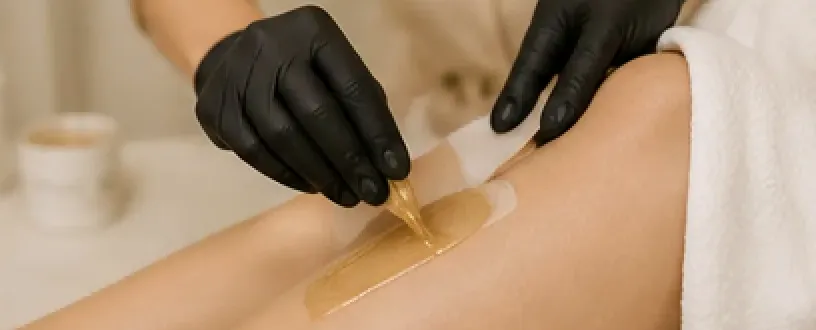
Waxing is mechanical. Warm wax is spread on the skin in the direction of hair growth, grips the hairs, and is removed quickly against the direction of growth. Soft wax is lifted with a cloth or paper strip. Hard wax sets on its own and is lifted by its edge. Either way, a hair that comes out cleanly brings its bulb with it. The follicle is left empty but intact, and the cells at its base begin building a new hair almost immediately. That new hair simply takes a few weeks to reach the surface.
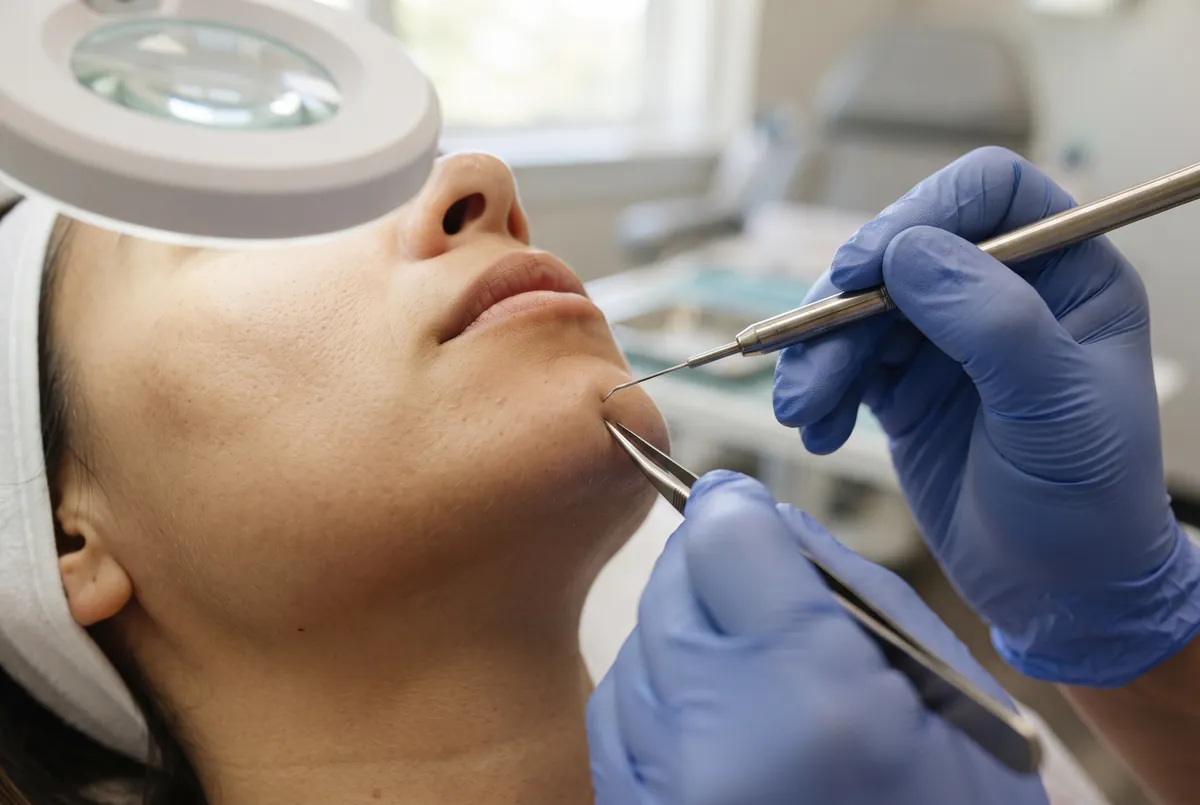
Electrolysis targets the follicle itself. The electrologist slides a sterile probe, about as thin as the hair, into the natural opening of the follicle alongside the hair. The skin is not punctured when insertion is done correctly. A measured dose of current is released at the base. Depending on the modality, the current produces heat, a chemical reaction that forms lye in the follicle, or both. The treated hair then slides out with tweezers without resistance. My guide to galvanic, thermolysis, and blend explains the three modalities.
The difference in targets explains everything else in this comparison. Because waxing does not care about the follicle, it can clear hundreds of hairs in one pull. Because electrolysis must reach every follicle individually, it is slow, and it must be repeated as dormant follicles wake up and as some treated follicles need a second or third treatment. Because waxing leaves follicles alive, it never ends. Because electrolysis disables them, it does.
How long results last
After a good wax, skin typically stays smooth for a few weeks, and most clients rebook every three to six weeks depending on the area and their growth. Results are shorter after a first wax or after shaving, because hairs are at different stages and some surface a few days later. With regular appointments the cycles line up better and the smooth period becomes more consistent. My guide on how long waxing lasts goes through this area by area.
Clients often ask whether years of waxing make hair grow back thinner. Sometimes hair does become finer or sparser with long-term waxing, especially on the legs, because repeated pulling can damage some follicles. It is not predictable, it is never complete, and on hormonally driven areas such as the chin it usually does not happen at all. I would never promise it. If lasting reduction is what you are after, waxing is the wrong tool to rely on.
Electrolysis works the other way around. Early on, you see less change than after a wax, because only the hairs treated in that session are gone and neighboring follicles keep cycling in. Over a series of sessions, the area clears progressively. A follicle that has been properly treated does not produce hair again. New hairs that appear later come from follicles that were dormant during treatment or from new hormonal stimulation, not from the ones that were destroyed. See how long electrolysis lasts for the full picture.
A useful way to picture the difference is to follow one hair on the chin for a year. With waxing, that hair is pulled out roughly every three or four weeks, about a dozen times, and at the end of the year the follicle is as productive as it was at the start. With electrolysis, the same hair is treated once, perhaps twice or three times if the follicle is deep or distorted, and then it is finished. The work in electrolysis is not repeating the same follicle forever. It is finding and treating all of the follicles in the area as each one cycles into growth.
Pain and comfort
The two methods hurt differently. Waxing is a short, intense sting spread over a strip of skin, repeated a handful of times, and then it is over. Sensitive areas such as the bikini line and upper lip are sharper than the legs. The first appointment is usually the worst. With regular waxing the hair comes out more easily and most clients find it gets easier. Practical ways to make it more comfortable are in my guide on reducing waxing discomfort.
Electrolysis is a small, quick sensation of heat or a pinch at each follicle, repeated many times over the session. Individually each one is minor. The challenge is duration, especially in sensitive spots like the upper lip. A skilled electrologist adjusts the current and timing to keep the treatment effective and tolerable, and some clients use a topical anesthetic as directed. If you can feel the hair being pulled, something is off, because a properly treated hair releases without tugging. More detail is in does electrolysis hurt.
Which is worse depends on the person. Clients who dislike sudden pain often prefer electrolysis. Clients who cannot sit still for long often prefer waxing. In both cases, sensitivity tends to rise in the days before and during a period, after poor sleep, and with caffeine or stress. Scheduling at a better time of the month and arriving rested and hydrated make a real difference for either service.

Skin reactions and risks
After waxing, expect pinkness and small bumps around the follicles for a few hours, sometimes a day. The more significant risks are lifting of the top layer of skin, burns from overheated wax, bruising where skin was not held taut, and irritation or infection of follicles afterward. Skin lifting is far more likely if you use retinoids, have had a recent peel, or take certain acne medications. That is why a proper intake form matters. My guide to waxing contraindications lists the situations where waxing should wait.
Ingrown hairs are the long-term complaint with waxing. When a new, fine-tipped hair tries to exit a follicle that has closed over or is surrounded by dry, thickened skin, it can curl back or grow sideways under the surface. Curly and coarse hair is most prone to this, and the bikini line, underarms, and men's necks are the usual locations. Good technique, gentle exfoliation, and moisturizing reduce the problem, but as long as hair keeps regrowing, the risk returns with every cycle.
After electrolysis, the skin usually shows redness, slight swelling, and sometimes tiny pinpoint scabs for a few days. These are part of normal healing and should be left alone. Complications such as pitting or pigment changes are uncommon in skilled hands and are linked to poor insertion technique, too much current, or picking at scabs. Because electrolysis ends the hair growth, it also ends ingrown hairs in the treated follicles, which is one of the main reasons clients with chronic ingrowns switch.
Hair color, skin tone, and hair type
Both methods share an advantage over laser: neither depends on pigment. Wax grips blond hair and black hair equally. Electrolysis treats white, gray, red, and blond hair as effectively as dark hair, on any skin tone, because the current acts inside the follicle and does not need melanin to work. For clients whose hair is too light or whose skin is too dark for comfortable laser treatment, these two methods are the real options.
Hair texture changes the experience more than the outcome. Coarse, deep-rooted hair is more painful to wax and more prone to breaking at the surface, which leaves stubble within days. In electrolysis, coarse hair needs more energy and sometimes more than one treatment per follicle. Very fine facial down can be waxed, but removing it repeatedly on reactive skin often causes irritation and breakouts. Curved follicles, common with tightly curled hair, demand careful insertion from the electrologist and are the reason experience matters so much for this hair type.
Skin type matters too. Thin, dry, or mature skin lifts and bruises more easily with wax, and I often steer those clients toward hard wax, sugaring, or a different method. Skin that tends to form dark marks after irritation can react to aggressive waxing as well as to poorly performed electrolysis, so a conservative approach and a test area are sensible with both.

Best method by area
On the face, electrolysis usually wins. The chin, upper lip, jawline, and neck tend to carry hormonally driven hair that regrows quickly and visibly, and many women feel they cannot let it grow long enough to wax. Facial skin is also the area most likely to react to repeated waxing, particularly if you use retinoids or exfoliating acids. Clearing a chin with electrolysis takes patience, but it replaces a lifetime of daily tweezing or three-week wax cycles.
Eyebrows are a split decision. Waxing shapes brows quickly and is easy to adjust as fashions change. Electrolysis is ideal for the hairs you know you will never want: strays between the brows, on the lid well below the arch, and at the temples. I advise being conservative. Permanent means permanent, so remove only what you are certain about and keep shaping the rest by temporary methods.
For underarms and the bikini line, both methods are reasonable. Waxing clears them in minutes. Electrolysis takes many hours in total but ends ingrown hairs and shadow for good, which is why these are popular areas for clients who have struggled with bumps for years. For full legs, arms, and backs, waxing is the practical choice for most people. Electrolysis on large areas is possible, and some clients do it, but the number of hours involved is significant. I discuss that trade-off in electrolysis for legs.
Time and cost over the years
I will not print prices, because they vary by region, studio, and area. The structure of the cost is what you should compare. Waxing is paid per area, per visit, at a modest price, forever. Electrolysis is usually paid by time, in sessions that might be fifteen minutes or an hour, concentrated in the first year or so and then tapering to occasional short visits and finally to none. One is a subscription. The other is a project with an end.
For a small area with persistent growth, such as a chin or upper lip, the total cost of electrolysis is often lower over a span of years than the combined cost of regular waxing, and that is before counting the time and the daily worry. For large areas such as full legs, the opposite is usually true, and waxing or laser followed by electrolysis for the remaining hairs makes more sense. See how much electrolysis costs for the factors that drive the total.
Time matters as much as money. A wax appointment fits into a lunch break, but you will be making that trip a dozen times a year for as long as you want the result. Electrolysis asks for frequent visits at first, often weekly or every two weeks for the face, and that commitment is the main reason people do not finish. An unfinished course is not wasted, since every destroyed follicle stays destroyed, but the area will not look clear until the series is complete.
There is also a hidden cost in waxing that clients rarely count: the growing-out period. To be waxed, hair must reach about a quarter inch, which means several days in every cycle when the hair is visible and you cannot remove it without spoiling the next appointment. On the legs in winter, nobody minds. On the upper lip or chin, those days are the reason many women give up on waxing the face and go back to tweezing, which keeps the skin irritated and solves nothing. Electrolysis has no growing-out requirement beyond a day or two of stubble, because you shave between visits.

What an appointment looks like for each
For waxing, you arrive with hair about a quarter inch long, roughly the length of a grain of rice. The provider cleanses the skin, may apply a light powder or pre-wax oil, applies the wax in sections, and removes it while holding the skin taut. Stray hairs are tweezed, and a soothing product is applied. A lip or brow takes minutes, a Brazilian or full legs somewhat longer. You leave smooth, perhaps pink. For a day or two you avoid heat, friction, sweat, and sun on the area.
For electrolysis, the first visit starts with a consultation: health history, medications, the pattern of your hair growth, and a realistic plan. The electrologist then works under magnification and bright light, inserting the probe into one follicle after another, applying current, and lifting each hair out. Hair needs to be long enough to grasp, a few days of growth after shaving. Sessions end with a calming product. Aftercare is simple: clean hands off the area, no makeup for the rest of the day if possible, and no picking. My electrolysis aftercare guide has the details.
Hygiene standards are non-negotiable in both rooms. In waxing, look for a fresh applicator for every dip into the pot, gloves, clean linens or paper, and no reuse of strips. In electrolysis, look for sterile, single-use probes opened in front of you, sterilized or disposable tweezers, and gloves. If you see a waxer double-dipping or an electrologist reaching for a probe that was already out of its package, you are entitled to stop the appointment.
Switching from waxing to electrolysis, or using both
If you decide to move from waxing to electrolysis on an area, the first rule is to stop waxing and tweezing it. Electrolysis needs the hair in the follicle to guide the probe to the right depth and to confirm a successful treatment by how the hair releases. A waxed area presents the electrologist with empty follicles and a wave of regrowth weeks later. Waxing can also distort follicles over time, which makes insertions less accurate. The area will need a few weeks of growth before your first session.
Between electrolysis sessions, you manage visible hair by shaving or trimming, both of which leave the root in place. Many clients are nervous about shaving their face. It does not make hair thicker or darker. It cuts the hair at the surface and has no effect on the follicle. Shaving a couple of days before your appointment also helps the electrologist, because only the hairs in active growth will have surfaced, and those are the ones most worth treating. See shaving between electrolysis sessions.
Expect the first weeks after switching to look busier than you are used to. Years of waxing put many follicles on a shared schedule, and when you stop, hairs you used to remove together come in at their own pace. This is temporary. As sessions accumulate, the electrologist clears each wave, and the intervals between appointments get longer. Clients who push through the first two or three months almost always say the hard part was behind them sooner than they expected.
Combining the two works well when they are assigned to different areas. A typical plan: electrolysis for the chin and upper lip, waxing for the brows and legs. You can book both on the same day at many studios, as long as the services are on separate areas. I ask clients to keep the face free of heavy products and heat after electrolysis, so if you are having a facial wax and facial electrolysis close together in time, discuss the order and spacing with your providers.
Some clients use waxing as a bridge on large areas while they work on small ones. For example, a client finishing her face with electrolysis may keep waxing her bikini line for now and decide later whether to treat it permanently. That is sensible budgeting. The only rule is that once electrolysis begins on a particular area, pulling methods stop on that area until the work is finished.
Laser belongs in this conversation as well. For large areas of dark hair on a suitable skin tone, a laser course followed by electrolysis for whatever remains is often the most efficient route to a lasting result. Waxing cannot be mixed with laser on the same area either, for the same reason: the hair must be in the follicle. My overview of hair removal methods compared lays out all of the options side by side.

Hormones, pregnancy, teenagers, and men
Hormonal hair growth, as with polycystic ovary syndrome or around menopause, is where the limits of waxing are most obvious. The hair is coarse, it returns fast, and the skin of the chin and neck gets irritated by constant removal. Electrolysis can clear it permanently follicle by follicle, though new follicles may be activated while the hormonal cause persists, so maintenance visits are normal. Sudden new growth, especially with irregular periods or other symptoms, deserves a visit to a physician alongside any hair removal.
During pregnancy, waxing is generally considered acceptable when the skin is healthy, though sensitivity is higher and positions need adjusting. Electrolysis during pregnancy is handled more cautiously: many electrologists avoid the galvanic and blend modalities, avoid the abdomen and breasts, and ask for the approval of the client's physician. Much pregnancy-related hair fades on its own after delivery, so I often suggest waiting before committing to permanent removal of it.
Teenagers can use either method with parental consent as the studio and state require. I prefer to keep permanent work in the teenage years to clearly unwanted, distressing hair, since growth patterns are still settling. Men use waxing mainly for the back, chest, and shoulders, and electrolysis for precise work: cleaning the beard line, the cheeks, the ears, the area between the brows, and ingrown-prone hairs on the neck. Electrolysis is also the standard method for permanent facial hair removal in gender-affirming care.

Home kits and common myths
Home waxing is widely available as pre-made strips, microwaveable hard wax, and roll-on kits. It can work on legs and arms with practice. The usual problems are wax that is too hot, pulling upward instead of parallel to the skin, going over the same patch several times, and attempting sensitive areas without being able to see or hold the skin properly. Burns and lifted skin from home waxing are common reasons people end up in my chair. Start with an easy area and read my guide to waxing for beginners first.
Home electrolysis is a different story. True electrolysis requires inserting a probe accurately into a follicle you can barely see, at the right depth and angle, and choosing a current that destroys the growth cells without injuring the skin. Devices sold for home use either make that very difficult to do on yourself or do not perform real electrolysis at all, such as tweezers that claim to send current down the hair. I explain the limits in home electrolysis devices vs a professional.
The first myth is that waxing eventually makes hair stop growing. It can thin growth for some people on some areas, but it is not a path to permanence. The second is that electrolysis always scars. Properly performed electrolysis heals without lasting marks for the great majority of clients, and the horror stories trace back to poor technique or picking. The third is that electrolysis is outdated now that lasers exist. Laser cannot treat light hair and is cleared for reduction, so electrolysis remains the standard for finishing work and for every hair color.
Another myth is that electrolysis is unbearably slow for any area. On small areas, steady weekly sessions clear the growth faster than most people expect. A final myth is that you must choose one method and stay loyal to it. Hair removal needs change with age, hormones, budget, and patience. Many of my long-term clients have used waxing, laser, and electrolysis at different times, and each was the right choice at that point.

Choosing a provider, and offering both as a professional
Waxing in the United States is performed by licensed estheticians, cosmetologists, and, in some states, licensed waxing specialists. Electrolysis is regulated separately. Many states issue an electrologist license with its own training hours and exam, while others have no specific license or fold it into other rules. Requirements differ widely, so check the facts for your state on our waxing licensing hub and electrolysis licensing hub, and verify any provider with the state board.
Beyond the license, look at how the provider works. A good waxer asks about medications and skin care before touching you, tests wax temperature, and adapts the wax type to the area. A good electrologist offers a consultation, explains which modality they use and why, gives you an honest estimate framed as a range, and never guarantees a fixed number of sessions. In both cases, a provider who tells you when a service is not right for you is one worth keeping.
For a working professional, waxing and electrolysis complement each other commercially as well as technically. Waxing fills the book quickly, brings in new clients, and suits walk-in demand. Electrolysis builds a smaller base of clients who return weekly for months and who stay because the result matters deeply to them. A waxing client who mentions that her chin hair is back in ten days is exactly the person who should hear about electrolysis from someone she already trusts.
Adding a second service means meeting your state's requirements for it. An esthetics or cosmetology license covers waxing in most states but usually does not cover electrolysis where a separate license exists, as I explain in can estheticians do electrolysis. Our electrolysis course and waxing course build the theory for each. Online theory prepares you for hands-on training, and it does not replace the in-person hours or exams your state requires.


Your next step
Decide area by area. For each one, ask three things: do you want the hair gone for a few weeks or gone for good, how visible is regrowth to you, and how much time can you give. If the answer is permanent and the area is small, book an electrolysis consultation and stop waxing that area today. If the answer is temporary and the area is large, find a licensed waxer with clean habits and a regular schedule. And if you are a professional, consider learning the method you do not yet offer.
State Requirements
State licensing guides
Hours, exams, fees, and the licensing board differ by state. Open your state for the current requirements.
Looking for a practitioner or a program near you? Browse electrologists by state and city or beauty schools by state.
Common Questions
FAQ
It depends on the goal. Electrolysis is better if you want permanent removal, because it destroys each treated follicle, and it is the only method the FDA accepts for permanent hair removal claims. Waxing is better if you want a large area smooth quickly and are comfortable repeating it every few weeks. Many people use electrolysis for small, persistent areas such as the chin and waxing for large areas such as the legs.
Not on the area being treated. Waxing removes the hair from the follicle, and the electrologist needs the hair in place to guide the probe and confirm the treatment. Waxing between sessions also delays progress, because you wait weeks for regrowth. Shave or trim instead. You can keep waxing other areas that are not part of your electrolysis plan.
You need visible regrowth in the area, which usually means waiting a few weeks after your last wax. Hairs return at different times, so the first sessions may treat only part of the growth while the rest catches up. From the day you decide to switch, stop waxing and tweezing that area and manage the hair by shaving until your appointment.
Years of waxing or tweezing can distort some follicles and make hairs coarser at the root, which can make insertions less straightforward and mean some follicles need more than one treatment. It does not prevent a good result. An experienced electrologist adjusts technique for previously waxed areas. The practical effect is that you should stop pulling the hair as early as possible before starting.
They feel different. Waxing is a short, sharp sting over a whole strip of skin that is finished in minutes. Electrolysis is a small pinch or flash of heat at each follicle, repeated for the length of the session. People who dislike sudden pain often prefer electrolysis, and people who dislike long appointments often prefer waxing. Sensitivity is higher on the lip and bikini line with both.
For small areas with persistent hair, such as the chin or upper lip, electrolysis often costs less over a span of years than regular waxing, because the series ends. For large areas such as full legs, waxing usually costs less, since electrolysis is billed by time and large areas take many hours. Prices vary by region and studio, so compare the full course against years of repeat visits.
Yes. Electrolysis treats each follicle directly, so it works on blond, red, gray, and white hair and on every skin tone. Laser needs dark pigment in the hair, and waxing only removes hair temporarily. Clients often come to electrolysis for light or gray facial hair, for hormonal growth, and for hairs that remained after a laser course.
A follicle that has been destroyed by electrolysis no longer grows a hair, so it can no longer produce an ingrown hair. Clients with chronic ingrowns on the bikini line, underarms, or neck often choose electrolysis for that reason. Inflamed or infected bumps should calm down before treatment. For managing the problem while you still wax, see ingrown hairs after waxing.
Keep Reading
Related Guides


