Electrolysis
Does Electrolysis Hurt? What It Feels Like and How to Ease It
Quick answer
Yes, you will feel electrolysis, but for most clients it is a series of brief hot pricks or stings rather than steady pain. How strong it feels depends on the area, hair coarseness, modality, your sensitivity that day, and the practitioner's skill. Shorter sessions, good sleep, less caffeine, and numbing cleared by a pharmacist help, and it usually gets easier.
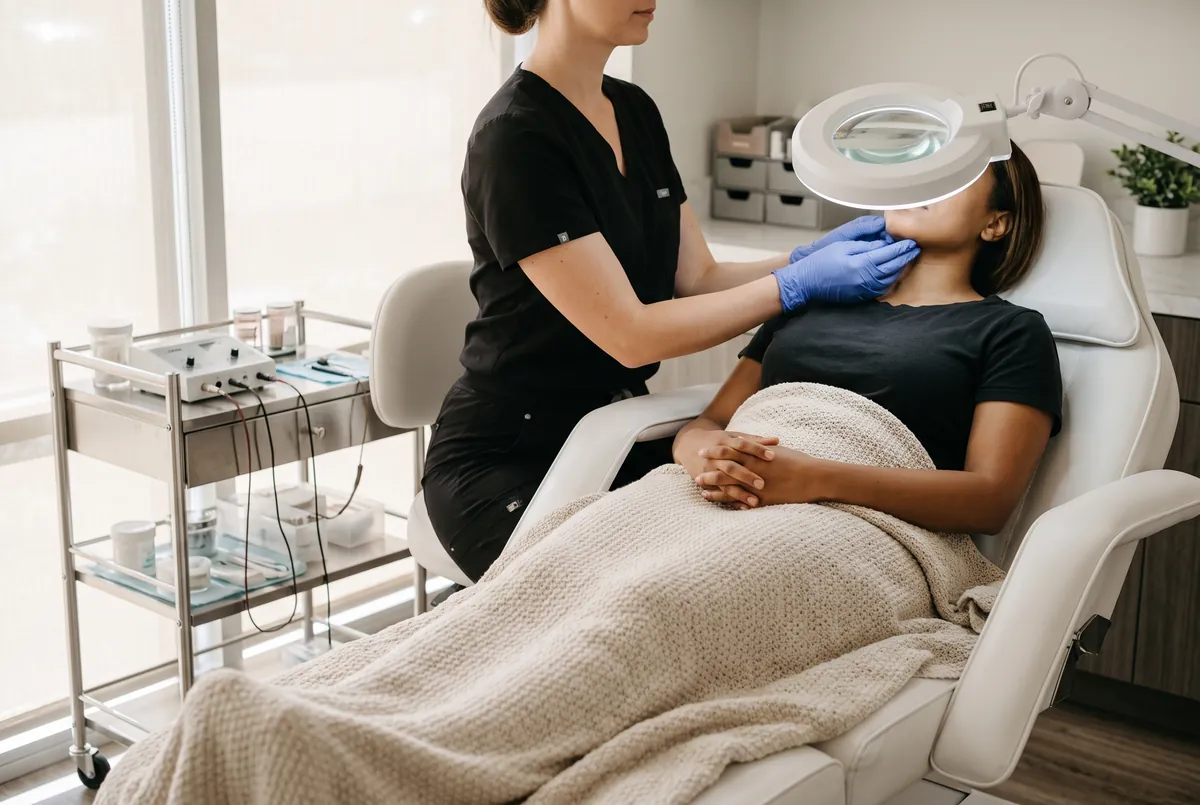
The honest answer to "does electrolysis hurt" is yes, you will feel it, but for most clients it is a series of brief, manageable sensations rather than steady pain. Each follicle gets a quick burst of heat or a short sting that lasts a moment and fades, and then the practitioner moves to the next one. How strong that feels depends on the area, the coarseness of the hair, the modality and settings, your own sensitivity that day, and, more than people expect, the skill of the person holding the probe. In more than twenty years of practice I have treated clients who doze off on the table and clients who need short sessions with breaks, and both groups finish their courses.
This guide explains what the sensation actually feels like by modality and by body area, why it changes from one session to the next, and the practical steps that make treatment more comfortable, including how to approach numbing creams safely. It also covers the kinds of pain that are not normal and should stop a session, how electrolysis compares with waxing and laser, and what the first appointment is like. Preparation steps, such as when to stop tweezing, have their own guide, so the focus here stays on comfort. Nothing here replaces advice from a physician or pharmacist, especially about numbing products or pain medication.
What Electrolysis Actually Feels Like
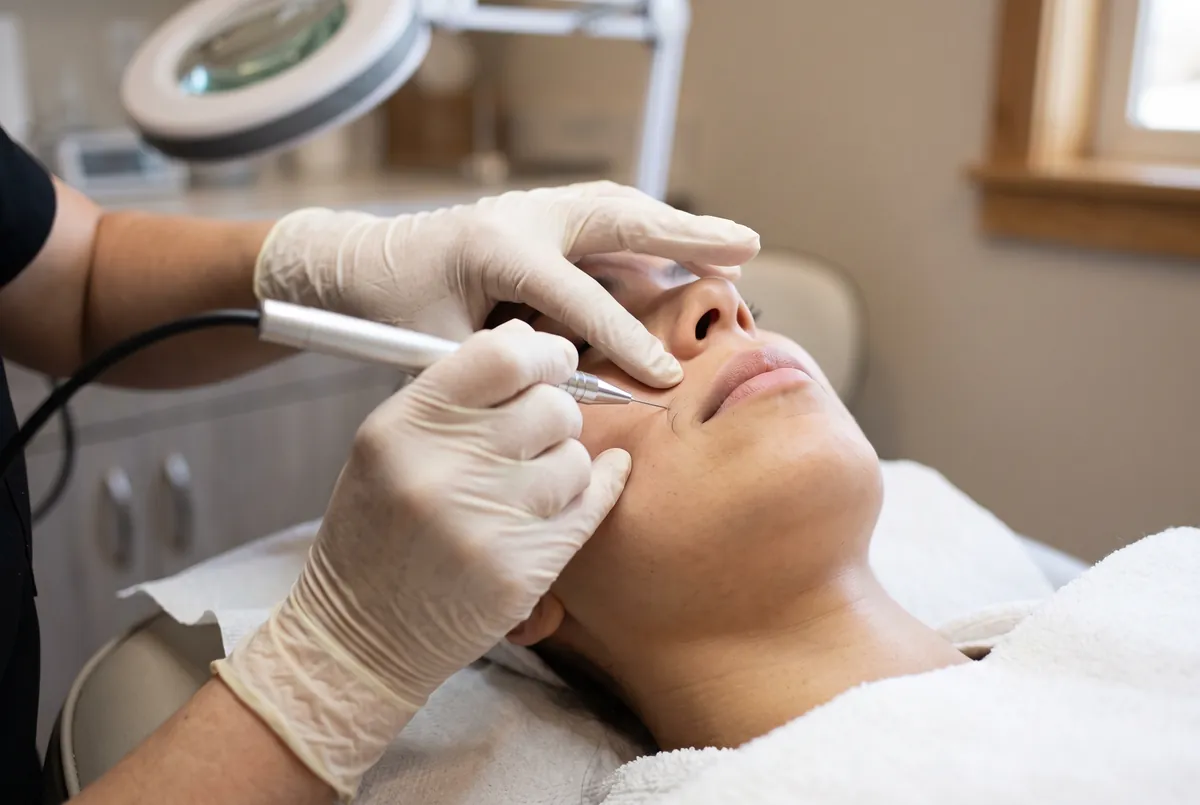
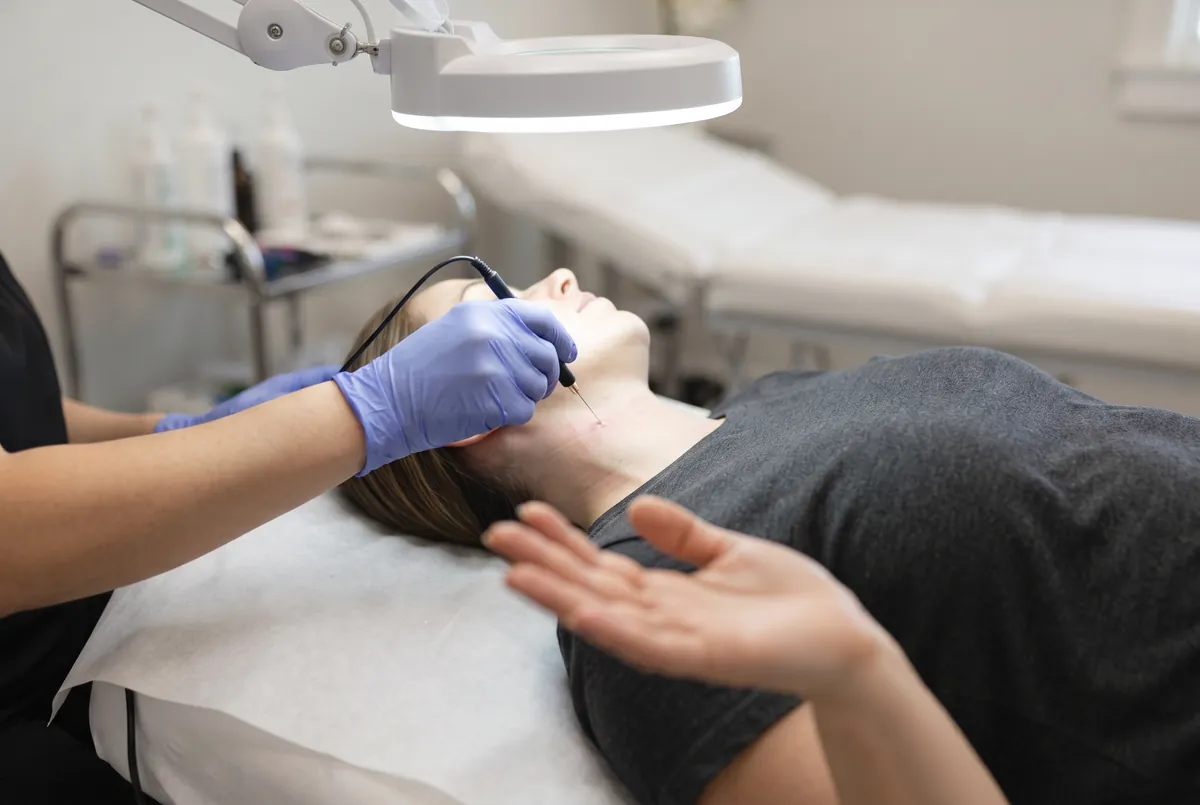
The first thing that surprises clients is that they usually do not feel the probe go in. A correctly placed probe slides into the natural opening of the follicle alongside the hair, following the path the hair already takes to the surface, so it does not pierce the skin. What you feel is the energy once it is delivered. Clients describe it in different ways: a quick hot prick, a tiny spark, a pinch, a flick like a rubber band, or a sharp itch that is gone as soon as it arrives. Then the practitioner lifts the treated hair out with forceps, which should feel like nothing at all.
Because electrolysis treats one follicle at a time, the sensation comes in a rhythm rather than as one big event. There is a brief sensation, a pause while the hair is lifted out, another sensation at the next follicle, and so on. For some people each moment is easy, but the repetition becomes tiring toward the end of a long session. For others the first few minutes are the hardest, and then the body settles into the rhythm. Afterward the treated area often feels warm, slightly tender, or tight, a little like mild sunburn. In a normal session that feeling fades rather than turning into a lingering ache.
How Each Modality Feels
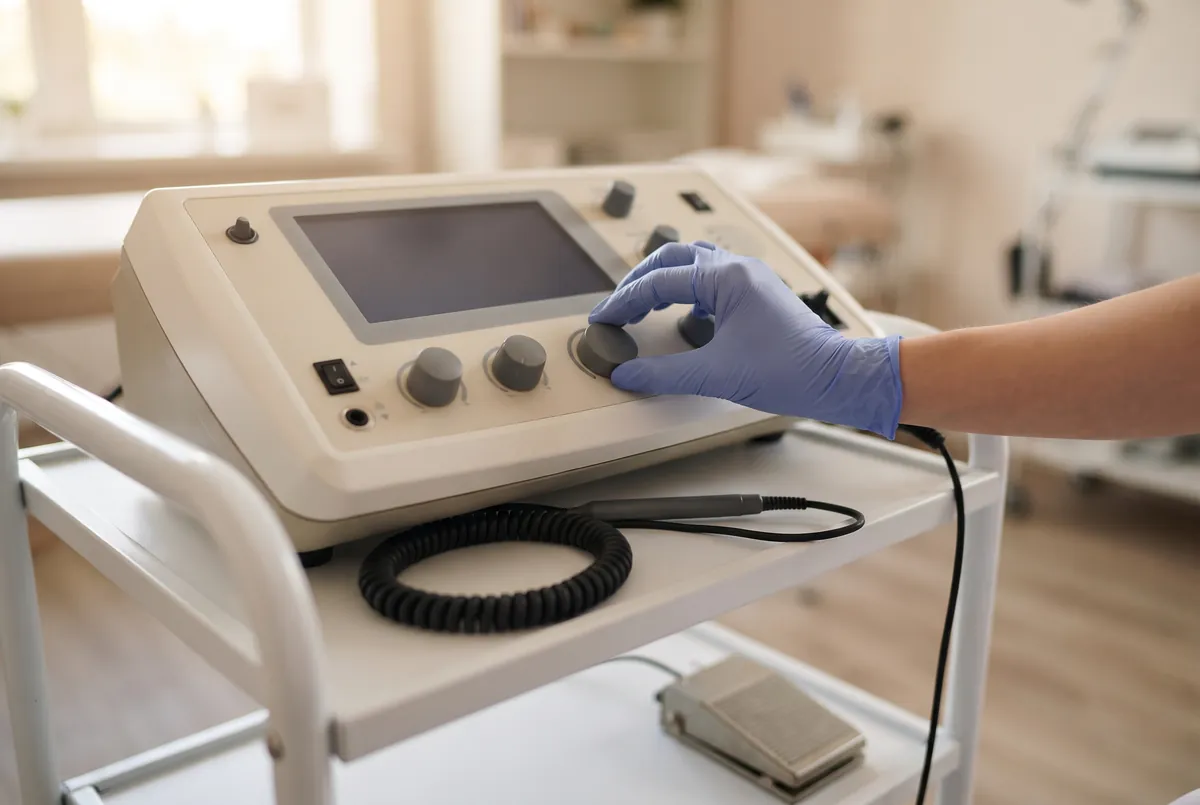
The three modalities used in professional electrolysis each produce a slightly different sensation, and many practitioners switch between them depending on the hair and the area. None is painless and none should be unbearable. The differences are more about character than intensity: a quick burst of heat versus a slower build. Your practitioner chooses a modality based on hair type, follicle depth, skin sensitivity, and their own training and equipment, and a good one will adjust or switch if one method is consistently uncomfortable for you, even partway through a session. For the technical side of how each one works, see the guide to galvanic, thermolysis, and blend methods.
| Modality | How the energy is delivered | What clients commonly describe |
|---|---|---|
| Thermolysis, flash | A very short, high-intensity burst of heat | A fast hot prick or spark, over almost before it registers |
| Thermolysis, slower timing | Lower heat applied for a little longer | A warm sting that builds briefly, then stops |
| Galvanic | Direct current creates a chemical reaction over several seconds | A dull ache, tingling, or pressure that builds slowly |
| Blend | Galvanic and thermolysis combined | A mix of warmth and a slower ache, often described as moderate |
Clients often assume the fastest method must hurt the most, but it frequently works the other way. A flash burst is intense but so short that many people barely register it before it is over. Galvanic is gentler in any single moment but lasts several seconds per follicle, and some people find a slow build harder to relax into than a quick spark. Blend sits between the two. The practical lesson is that if a particular method or timing feels wrong for you, say so. Adjusting intensity, changing the timing, or switching modality for a specific area can change the experience considerably without making treatment less effective.
Sensation by Body Area
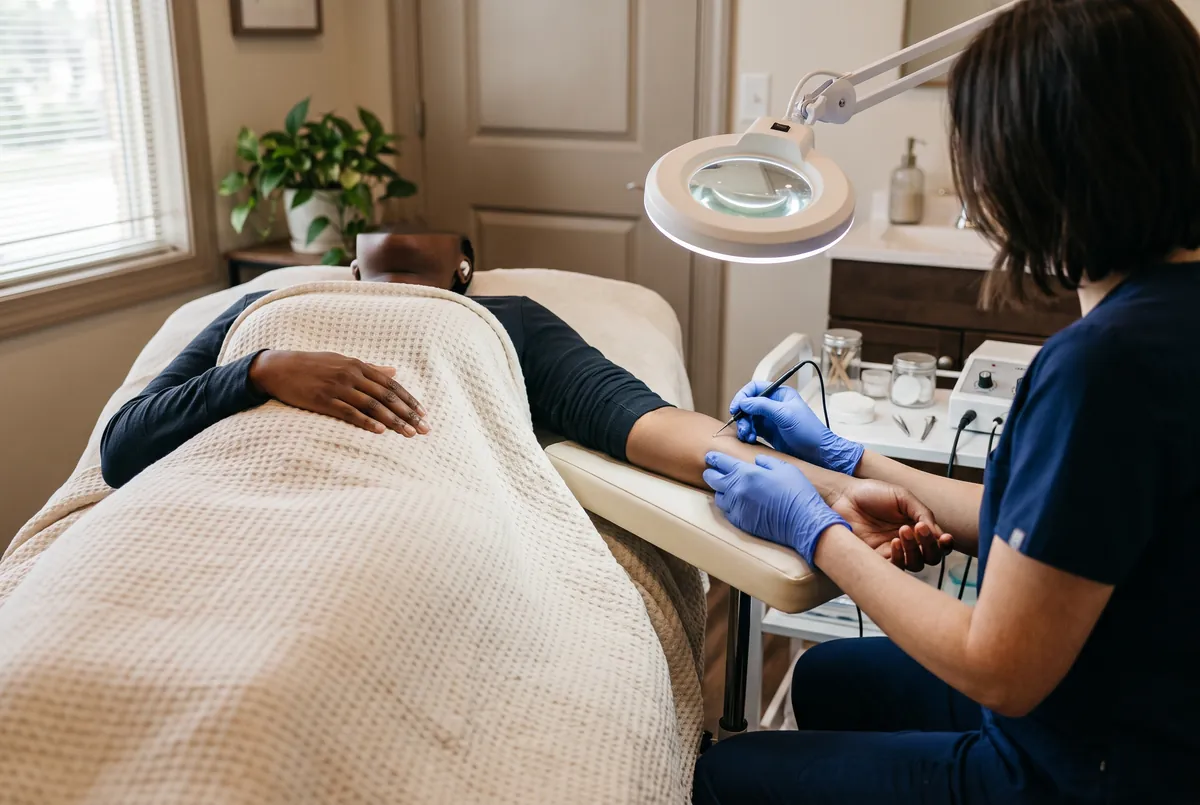
Area matters more than almost anything else. Skin thickness, the number of nerve endings, and the depth and coarseness of the hair all vary across the body. Areas where skin is thin and richly supplied with nerves, like the upper lip, tend to feel stronger. Areas with thicker skin and fewer nerve endings, like the back or lower legs, often feel milder even when the hairs there are coarse. The table below reflects patterns I see in practice. Individual experience varies, and plenty of clients find a supposedly sensitive area easy and a supposedly easy area uncomfortable.
| Area | Typical sensation | Notes from practice |
|---|---|---|
| Upper lip | Among the more intense facial areas, especially under the nose | Short sessions and starting at the corners help |
| Chin and jawline | Moderate, stronger with coarse hormonal hair | Often gets easier as regrowth becomes finer |
| Eyebrows | Usually mild to moderate | Small area, sessions are often short |
| Sideburns and cheeks | Mild to moderate | Finer hair usually needs less energy |
| Neck | Moderate, often stronger at the front | Tense neck muscles can make it feel sharper |
| Underarms | Moderate to strong for many clients | Deep, coarse hair under thin skin |
| Bikini line and pubic area | Often among the stronger areas | Short sessions and numbing guidance are common |
| Chest and abdomen | Mild to moderate, stronger around the nipples and navel | The midline tends to be more sensitive than the sides |
| Back and shoulders | Usually milder | Thicker skin, and many clients relax easily |
| Legs | Usually milder, more noticeable near the knee and ankle | Large areas mean longer sessions |
| Fingers and toes | Brief but noticeable over bony spots | Few hairs, so sessions are short |
Two areas deserve special mention. The upper lip is small but sensitive, and many clients who find the chin easy are surprised by it, particularly directly beneath the nose. Working in short sessions and starting at the outer corners, where the skin is less reactive, helps. The bikini and genital areas are sensitive for most people, and for clients preparing for gender-affirming surgery, genital hair removal is often the most demanding part of the treatment plan. A practitioner experienced in these areas plans session length, positioning, and comfort measures accordingly. The gender-affirming electrolysis guide covers that process in more detail.
Dense facial hair, whether on men or on transgender women clearing a beard, is its own category. The hairs are coarse, deep, and packed closely together, so sessions are long and each hair needs more energy than a few scattered chin hairs would. The upper lip and the area around the chin are usually the most intense parts of a full beard, while the cheeks and upper neck tend to be easier. Practitioners who do a lot of beard work often divide the face into zones across several visits and watch for heat building up in dense patches. Expect the early clearing sessions to be the hardest part of the course, with later visits noticeably lighter.
Why the Same Treatment Feels Different From Day to Day
Clients are often confused when one session feels easy and the next, on the same area with the same practitioner, feels noticeably sharper. That is normal. Pain perception is not fixed. It shifts with your body, your sleep, your stress level, and your hormones, and it also shifts with the particular hairs being treated that day. Knowing the main variables helps you book appointments for your better days, and it gives you something concrete to tell your practitioner instead of simply saying it hurt more this time.
- Hair coarseness and depth: deep, coarse hairs need more energy than fine ones, so a session focused on coarse growth can feel stronger.
- Distorted follicles: years of tweezing or waxing can bend follicles, which makes insertion harder and can call for more energy.
- Sleep: after a poor night, most people are more sensitive to any kind of discomfort.
- Caffeine and stimulants: a large coffee or energy drink before a session leaves some clients jumpier and more reactive.
- Stress and anxiety: tension and anticipation amplify how strong each sensation feels.
- Menstrual cycle: many clients notice they are more sensitive in the days before and during their period.
- Food and water: arriving hungry or thirsty can leave some people lightheaded and less tolerant.
- Skin condition: sunburned, irritated, or freshly exfoliated skin is more reactive.
The menstrual cycle is the variable clients rarely connect on their own. If you notice a pattern, keep a simple note of which sessions felt harder and where you were in your cycle. Many clients find that booking sensitive areas, like the upper lip or bikini line, for the week after their period makes a clear difference. The same logic applies to caffeine and sleep. You do not need to overhaul your routine. Skipping the second cup of coffee before an appointment and not booking a long session right after a night shift are small changes that can make the chair much more comfortable.
Past hair removal habits play a bigger part than most people expect. Years of tweezing or waxing can leave follicles curved or distorted, which makes it harder for the probe to follow the follicle cleanly and can require more energy to treat each hair fully. That is one reason the first few sessions on a long-tweezed chin may feel stronger than later ones. It is also part of why practitioners ask you to stop tweezing before treatment: hairs that are visible and actively growing can be treated efficiently, while broken or partly regrown hairs are harder to target. If you have tweezed for years, mention it at your consultation.

How Much the Practitioner's Skill Matters
The difference between a comfortable and an uncomfortable course is often the practitioner. Accurate insertion means the probe follows the follicle to the right depth without pushing through its wall, so the energy lands where it should and you do not feel the probe itself. Correct energy means each hair gets the least amount that treats it effectively, rather than a blast that spreads heat into surrounding skin. Good skin stretching keeps the follicle opening straight and the insertion smooth. And a properly treated hair lifts out without any tug. If you feel hairs being pulled, they were not fully treated, which is both more uncomfortable and less effective.
Probe choice plays a role as well. It sounds backward, but a probe that matches the size of a coarse follicle can feel more comfortable than a very thin one, because the energy spreads over a larger surface instead of concentrating at a tiny point. Pacing matters too. A skilled electrologist does not work follicle after follicle in the same tiny patch, which builds up heat and sensitivity, but spreads insertions across the area. They also check in with you, especially in the first sessions, and adjust instead of expecting you to endure. When a practitioner treats comfort as part of the technique rather than an afterthought, the whole course tends to go more smoothly.
Practical Ways to Reduce Discomfort
Most comfort strategies are simple, and several can be combined. Some happen before the appointment, some during it, and a few depend on your practitioner's setup. I encourage clients to try one or two changes at a time so they can tell what actually helps them, rather than doing everything at once and never knowing which step made the difference. This is the list I share most often with new clients who are nervous about the sensation.
- Book at a time of day when you are rested, not right after a long shift or a poor night of sleep.
- Eat a light meal beforehand and drink water so you do not arrive hungry or lightheaded.
- Cut back on coffee and energy drinks before the appointment.
- Plan sensitive areas around your menstrual cycle if you notice a pattern.
- Start with shorter sessions and build up as you learn how you respond.
- Ask for short breaks during longer sessions, or for the practitioner to rotate between areas.
- Use cooling if your practitioner offers it, such as a cool compress on a finished section while they move on.
- Bring headphones and listen to music or a podcast to pull attention away from each sensation.
- Breathe out slowly as each sensation happens instead of holding your breath and tensing.
- Ask about topical numbing well ahead of time, and only use a product a physician or pharmacist recommends for your situation.
Session length is the most underrated item on that list. Sensitivity tends to build as a session goes on, so a long appointment can feel much harder at the end than at the start even when the practitioner is doing nothing differently. Two shorter visits often feel far more manageable than one marathon, particularly on sensitive areas. Breathing and distraction sound too simple to matter, but they work because tension amplifies pain. Clients who clench their jaw or hold their breath almost always find a session harder than those who stay loose. Headphones are welcome in my treatment room, and some clients relax enough to doze during body work.
Topical Numbing: How to Use It Safely
Topical anesthetic creams can take the edge off electrolysis, particularly on the upper lip, bikini line, and other sensitive areas, but they need to be handled carefully. They do not make treatment painless, and they are medications, not cosmetics. The right product, amount, and timing depend on the area, how large it is, your health, and any other medications you take. That is why I tell clients to ask a physician or pharmacist before using one, and to tell their electrologist exactly what they applied and when. Some practitioners have specific preferences about numbing products on the skin they treat, so check with them as well.
The main safety concern is applying too much over too large an area, especially under plastic wrap or another covering, which increases how much of the medication the body absorbs. The FDA has warned about serious reactions when numbing creams are used this way before cosmetic procedures. Follow the product directions or your pharmacist's advice exactly, apply only to the area being treated that day, do not cover it unless a physician told you to, and never layer several numbing products. Seek medical help if you feel dizzy, confused, or unwell, or notice an irregular heartbeat after applying one. Used correctly on a small area, numbing can make a real difference for sensitive zones.
What Is Not Normal
Some discomfort is part of electrolysis. Certain kinds of pain, though, are signals that something needs to change, and you should feel free to stop a session to address them. A normal sensation is brief, happens when the energy is delivered, and fades almost immediately. Pain that lingers, spreads, or comes from the probe itself is different. Clients sometimes stay quiet because they do not want to seem difficult. Please do not. Your feedback is information the practitioner needs to adjust settings and technique, and a good one wants to hear it.
- A sharp poke or stab as the probe goes in, which can mean the angle or depth is off.
- Burning that continues after the probe comes out instead of fading within moments.
- A hair that tugs or resists when lifted out, which means it was not fully treated.
- White or grayish rings appearing on the skin around the follicle during treatment.
- Pain much worse than previous sessions on the same area, with no obvious reason.
- Blistering, weeping, or broken skin during or right after the session.
- Pain, heat, or swelling that increases over the following days instead of settling.
- A practitioner who dismisses your feedback or refuses to adjust anything.
Some of these signs show up after you leave. Tenderness that fades over hours is expected. Pain that grows over the next day or two, especially with spreading redness, heat, pus, or fever, can point to infection and needs a doctor. For a fuller picture of normal reactions, less common complications, and who to call for what, read the guide to electrolysis side effects and risks. If your skin reacts strongly even when the sensation during treatment felt normal, your practitioner may need to adjust settings for reactive skin, which the guide on electrolysis for sensitive skin explains.
How Electrolysis Compares With Waxing and Laser
Clients who have tried other methods often ask how electrolysis stacks up. The honest comparison is about the type of sensation and how it is spread over time, not a simple ranking. Waxing pulls many hairs at once in a sharp, quick rip across an area, and the guide to waxing pain and how to reduce it covers that experience in depth. Laser delivers pulses of light that heat many follicles at once, often described as a snap against the skin, felt more strongly on dark, coarse hair. Electrolysis treats one follicle at a time with a small, precise sensation repeated many times.
| Method | What it feels like | How it is spread over time |
|---|---|---|
| Waxing | A sharp pull and sting across a patch of skin | Very brief per strip, repeated across the area |
| Laser | A snap or hot flick over a small spot, sometimes with lingering warmth | Quick pulses that cover an area relatively fast |
| Electrolysis | Brief heat, sting, or pinch at a single follicle | Many small sensations over a longer session |
| Tweezing | A sharp pinch at a single hair | One hair at a time, with no lasting effect on the follicle |
In practice, many clients find a single electrolysis sensation gentler than a wax strip on a sensitive area, but an electrolysis session lasts longer, so endurance matters more than peak intensity. Laser sessions on large areas tend to be quicker, but laser relies on contrast between hair and skin and does not work well on light, gray, or red hair, while electrolysis works on any hair color and skin tone. When choosing a method, weigh comfort alongside permanence, suitability for your hair, and total cost over time. The side-by-side comparison of hair removal methods puts all of those factors in one place.
Your First Session: What to Expect
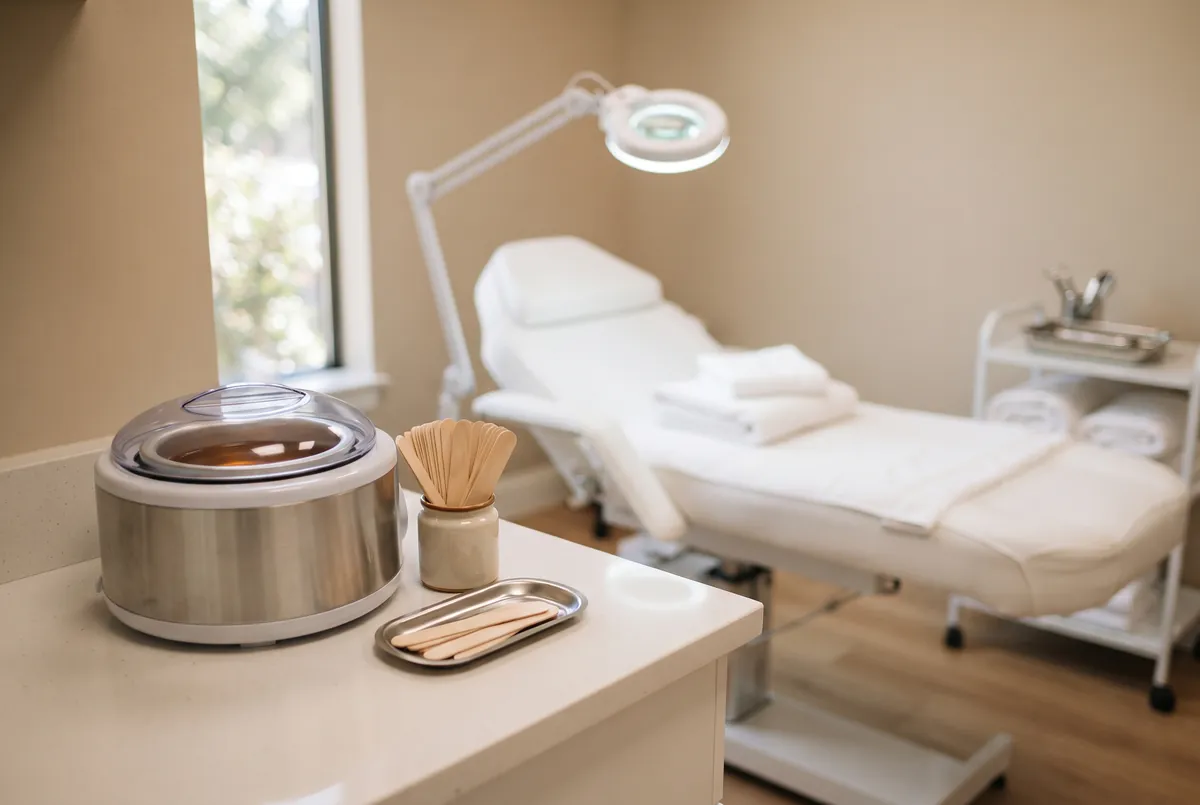
The first session is the one clients worry about most, and it is usually the one where anticipation outweighs the actual sensation. A good first visit starts with a conversation: your health history, previous hair removal, what worries you, and how the practitioner will check in with you. Most practitioners begin with a few test follicles at conservative settings and ask how each one feels before settling on a working level. Expect to be asked for feedback often. This is not a test of how much you can tolerate. It is how the practitioner finds settings that are both effective and comfortable for your skin.
One simple tool helps a lot: rating each sensation out loud on a scale your practitioner suggests, such as zero to ten. It gives both of you a shared language and makes it easy to notice when a setting change helps. Some clients prefer a hand signal instead of talking, especially during upper lip work. Either way, agree on it before the first insertion, along with a signal that means pause. Also mention what matters most to you. Some clients prefer shorter visits more often, others want fewer, longer appointments. Planning around your comfort from the start avoids the dread that makes people cancel after one visit.
First sessions are often kept shorter on purpose, both to see how your skin responds over the next few days and to let you get used to the rhythm. You will likely leave with some redness and mild tenderness, which is normal. Pay attention to how the area feels and looks over the following days and share that at your next visit, since it shapes how the practitioner adjusts the plan. The practical side of getting ready, including what to avoid in the weeks before and what to wear, is covered separately so you can walk in prepared rather than guessing.
After the Session: What You May Feel at Home
The sensation does not always end when the machine is switched off. Right after treatment, the area commonly feels warm, tender, or tight, and it may sting slightly when you wash it or touch it. On the face this usually settles within hours, sometimes sooner on small areas like the brows. On body areas with coarse hair, tenderness can last into the next day, particularly where clothing rubs, like the bikini line or underarms. As tiny scabs form and heal over the following days, some clients notice mild itching. That is part of normal healing, and scratching or picking at it is one of the few things that can turn a comfortable course into one with marks.
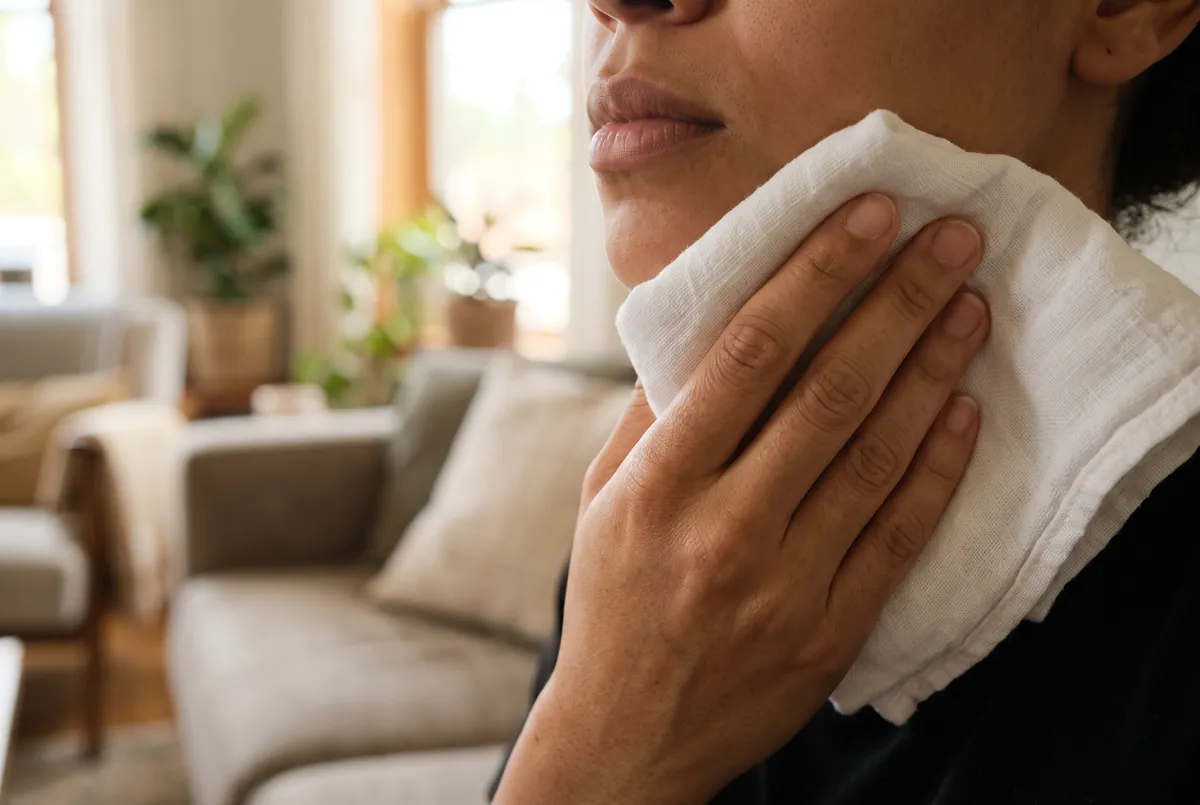
A cool compress wrapped in a clean cloth, applied for short periods, is the simplest way to calm post-session warmth. Loose, soft clothing over body areas keeps friction from turning tenderness into soreness. Skip hot showers, saunas, and hard workouts for the rest of the day, since heat and sweat make treated skin sting. If your practitioner recommends a soothing product, use a thin layer rather than rubbing in a thick one. The full routine is in the electrolysis aftercare guide. What should not happen is pain that builds instead of fading, and throbbing, heat, or pus over the next day or two needs a doctor.
Does It Get Easier Over the Course?
For most clients, yes. Several things change as a course goes on. Early sessions usually involve the densest, coarsest hair, which needs the most energy. As treated follicles weaken, regrowth tends to be finer and sparser, so later sessions often need less energy per hair and fewer hairs overall. Sessions get shorter as the area clears. Clients also get used to the rhythm and learn which comfort strategies work for them, and anxiety drops once the unknown becomes familiar. The practitioner learns your skin too, and settings get fine-tuned from visit to visit.
There are exceptions worth knowing about. Clients with ongoing hormonal hair growth may keep seeing new coarse hairs switch on, so sessions do not always get easier in a straight line. A client with polycystic ovary syndrome, for example, may find sessions feel similar for a while until hormones are managed medically. Sensitivity can also rise temporarily with sleep loss, stress, or changes in the skin. None of this means the treatment is not working. It is a reason to keep communicating and adjusting rather than trying to push through on willpower alone.
Special Situations: Hormonal Hair, Low Pain Tolerance, and Anxiety
Some clients come to electrolysis with circumstances that affect comfort. Hormonal conditions often mean dense, coarse hair on the face and neck that needs more energy and a longer course, which is why the guide on PCOS and unwanted hair spends time on pacing and expectations. Clients with a low pain threshold or a chronic pain condition benefit from shorter sessions from the start and a practitioner who plans for comfort rather than speed. Clients with medical or dental anxiety, or a past bad experience with hair removal, often do best with a first visit that is mostly conversation and a handful of test hairs.
Anxiety deserves a direct word, because it is the most common thing I see make electrolysis feel worse than it is. Anticipation makes the body brace, and a braced body registers each sensation more strongly. What helps is predictability: knowing what will happen, knowing you can pause, and hearing the practitioner describe what they are about to do. If you are anxious, say so when you book and ask for a short first session. Many clients who arrive convinced they will not tolerate electrolysis leave surprised by how manageable it was, simply because the unknown has been replaced by something concrete.

Your Next Step
If fear of pain is what has kept you from starting, the best next step is a consultation with a licensed electrologist and a short test on a small area. It replaces imagination with a real sensation, and it lets you judge the practitioner's approach to comfort before committing to a course. Licensing rules differ by state, and the electrolysis licensing hub shows how to check yours. Bring your questions about modality, session length, and numbing, and mention anything that makes you more sensitive. With sensible settings and a practitioner who listens, most people find electrolysis far more manageable than they expected.
State Requirements
State licensing guides
Hours, exams, fees, and the licensing board differ by state. Open your state for the current requirements.
Looking for a practitioner or a program near you? Browse electrologists by state and city or beauty schools by state.
Common Questions
FAQ
It depends on the person and the area. In any single moment, many clients find an electrolysis sensation milder than a laser pulse on dense, dark hair, but electrolysis sessions take longer because each follicle is treated individually. Laser tends to feel stronger on coarse, dark hair and has limits on light, gray, or red hair, while electrolysis works on all hair colors. Comfort is only one factor; permanence and suitability for your hair matter too.
Waxing produces a sharp, brief pull across a whole patch of skin at once, while electrolysis produces a small, precise sensation at one follicle at a time. Many clients rate a single electrolysis sensation as milder than a wax strip on the bikini line or lip, but electrolysis sessions last longer. Waxing also has to be repeated for as long as you want smooth skin, while electrolysis aims for permanent results over a course.
The upper lip is one of the more sensitive facial areas, especially directly under the nose. Most clients describe quick hot pricks or pinches that fade right away, and some notice watery eyes during treatment. Short sessions, starting at the corners, a relaxed jaw, and breathing out during each sensation all help. If the lip stays difficult, ask a physician or pharmacist whether a topical numbing product is appropriate for you.
Ask your physician or pharmacist first. Whether an over-the-counter pain reliever is appropriate depends on your health, your other medications, and the product itself, and some pain relievers can affect bleeding. Tell your electrologist what you took and when. Never stop or change a prescribed medication to fit an appointment. Comfort measures like shorter sessions, breaks, cooling, and good sleep often help more than people expect.
Usually not. A correctly inserted probe follows the natural follicle opening alongside the hair, so most clients feel nothing until the energy is applied. If you feel a sharp stab as the probe enters, the angle or depth may need adjusting, so tell your practitioner. Occasional awareness of light pressure is fine, but repeated sharp pokes are a signal to pause and check technique.
Sensitivity changes from visit to visit. Poor sleep, stress, caffeine, the days before your period, sunburned or irritated skin, a longer session, or a focus on coarser hairs can all make a session feel stronger. If one session feels much worse without an obvious reason, mention it so your practitioner can review settings, probe size, and timing. A pattern across several visits tells you more than a single hard day.
For most clients it does. Regrowth from treated follicles tends to be finer and sparser, so later sessions often need less energy and fewer insertions, and sessions get shorter as an area clears. Clients also relax as the process becomes familiar. Ongoing hormonal hair growth can slow that improvement, so progress is not always a straight line, but most courses feel noticeably easier after the early clearing stage.
They can reduce the sensation, particularly on sensitive areas, but they rarely remove it completely. Use only a product a physician or pharmacist recommends, apply it exactly as directed to the area being treated that day, and do not cover it with plastic wrap unless a physician told you to. Tell your electrologist what you used and when, since some practitioners have preferences about numbing products on the skin they treat.
Keep Reading
Related Guides


