Electrolysis
Electrolysis vs Laser vs Waxing vs Sugaring: Every Hair Removal Method Compared

Quick answer
There is no single best hair removal method. Electrolysis is the only method cleared by the FDA for permanent hair removal and works on every hair color and skin tone, laser gives fast long-term reduction on dark hair and lighter skin, and waxing and sugaring are temporary root removal, with sugaring generally gentler on sensitive skin. Many people combine methods.
Almost everyone who has ever shaved a leg or plucked an eyebrow eventually asks the same question: which hair removal method is actually worth it? The honest answer is that there is no single winner. Electrolysis, laser, waxing, and sugaring solve different problems for different people, and the right choice depends on how permanent you want the result, how much pain you can tolerate, how much time and money you want to spend over the next few years, and what your skin and hair are actually like. This guide puts all four methods, plus a short word on threading, shaving, and depilatory creams, side by side so you can make that call with real information instead of marketing claims.
If you already know you are choosing between electrolysis and laser specifically, our dedicated electrolysis or laser comparison guide goes deeper on that one decision. If you are trying to decide between waxing and sugaring as a professional service to learn, that angle is covered in wax vs sugaring: which to learn. This article is the wide-angle version, built for someone deciding what to actually get done to their own body.
Quick Comparison: How the Four Methods Stack Up
Before going method by method, here is the framing that matters most. Electrolysis is the only method cleared by the FDA specifically for permanent hair removal, because it destroys the individual hair follicle directly with a probe. Laser reduces hair growth long-term and can dramatically thin out an area, but it works by targeting pigment in the hair, so it is not marketed with that same permanent claim, and results depend heavily on hair and skin color contrast. Waxing and sugaring are both temporary methods that pull the hair out from the root, which means the results last longer than shaving but the hair does grow back over a period of weeks, and neither one damages the follicle enough to stop regrowth on its own. Threading, tweezing, shaving, and depilatory creams sit even further toward the temporary end, useful for touch-ups and small areas but not built for permanent or long-term reduction anywhere.
| Method | How it works | Result | Light, gray, or red hair | Skin tones | Cost pattern |
|---|---|---|---|---|---|
| Electrolysis | A fine probe delivers energy into each follicle | Permanent removal of treated follicles | Works on every hair color | Works on every skin tone | Billed by time, ends when treatment is complete |
| Laser | Light absorbed by hair pigment heats the follicle | Long-term reduction, sometimes with touch-ups | Poor results on light hair | Depends on the device and on hair and skin contrast | Package of sessions, then occasional maintenance |
| Waxing | Warm wax pulls hair out from the root | Temporary, regrowth over weeks | Works on every hair color | Works on every skin tone, watch for ingrown hairs | Lower per visit, repeats indefinitely |
| Sugaring | Sugar paste pulls hair out in the direction of growth | Temporary, regrowth over weeks | Works on every hair color | Works on every skin tone, often gentler | Lower per visit, repeats indefinitely |
| Shaving and creams | Hair is cut or dissolved at the surface | Temporary, regrowth within days | Works on every hair color | Works on every skin tone, creams can irritate | Low cost, constant upkeep |
Cost is where people get tripped up. Instead of quoting numbers that vary wildly by region, provider, and area treated, it helps to think in patterns. Waxing and sugaring have a lower cost per visit but are a recurring expense for as long as you keep getting hair removed, since the hair returns and you go back every few weeks. Laser usually involves paying for a package of sessions upfront, a higher total investment concentrated over a shorter window, working toward a long-term reduction rather than an ongoing habit. Electrolysis costs more per session and is billed by time rather than by area, but every session moves you toward a genuinely permanent result on the follicles treated, so the spending has an end point instead of continuing indefinitely.
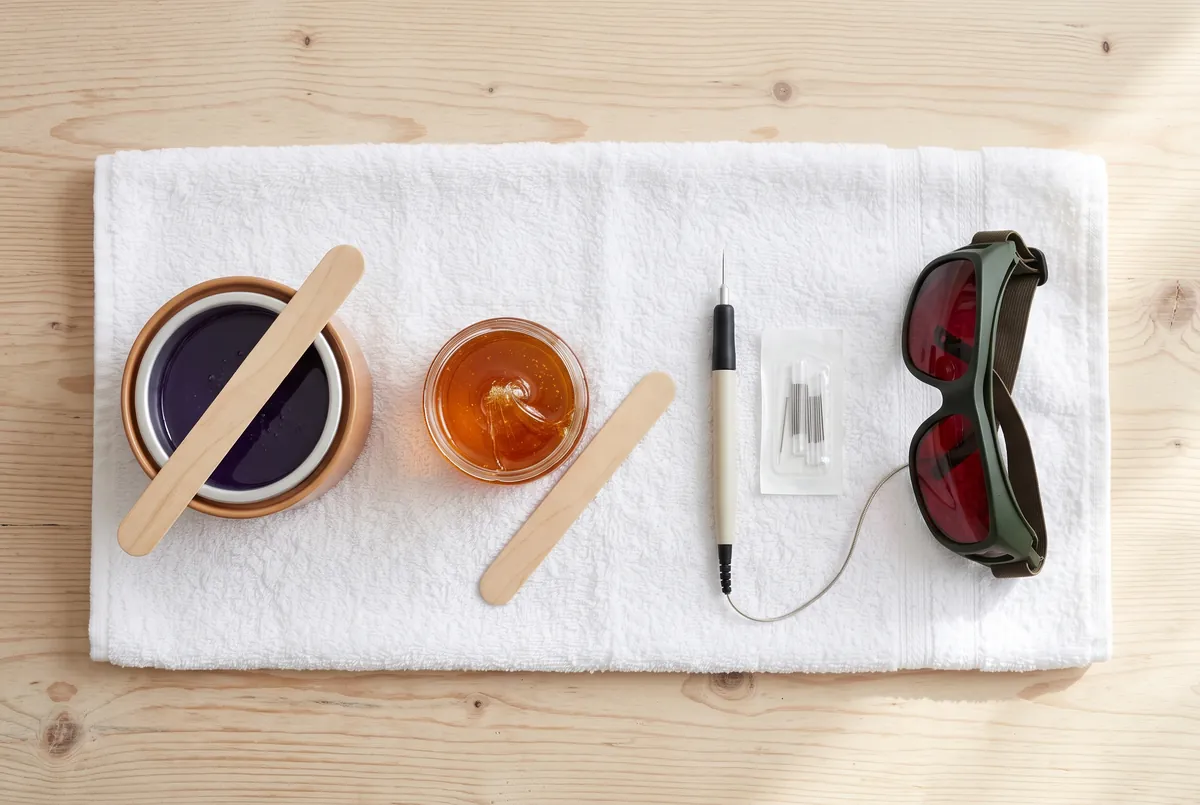
Electrolysis: The Only Permanent Method
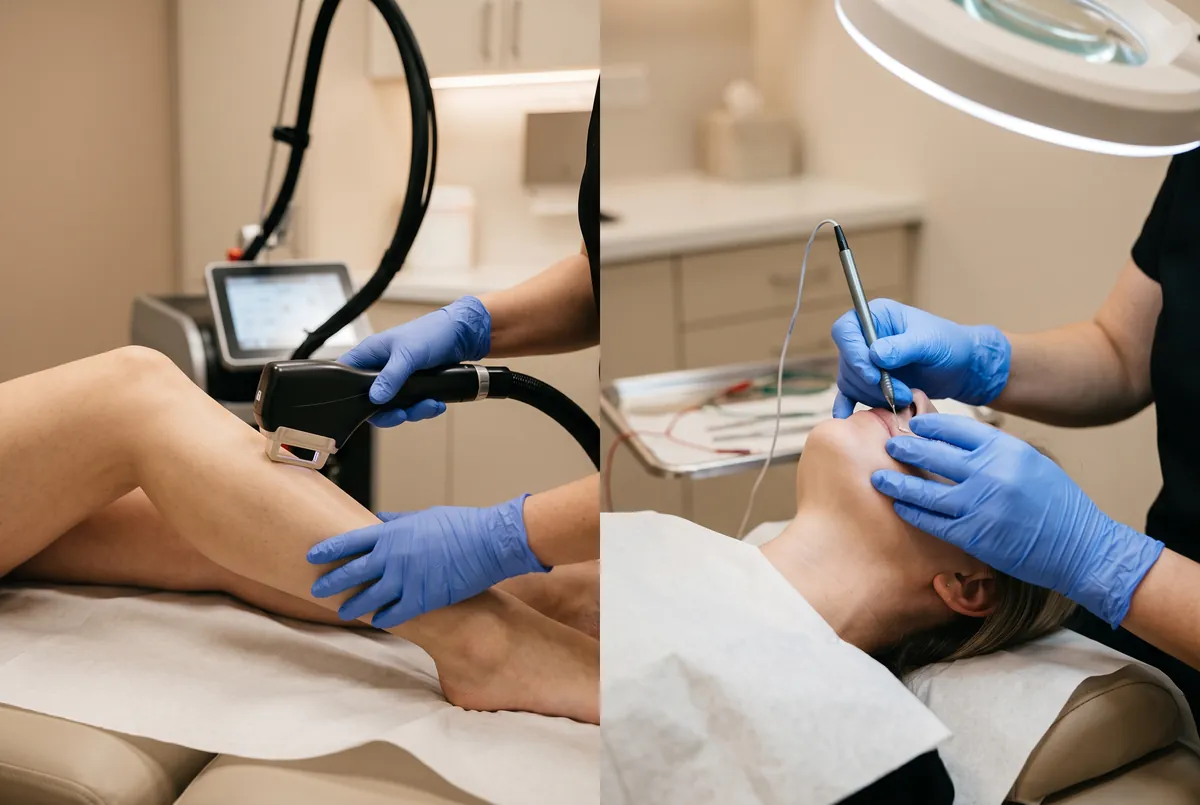
Electrolysis works by inserting a fine probe into the individual hair follicle and applying a small amount of energy, either galvanic current, heat (thermolysis), or a blend of both, to destroy the follicle's ability to grow hair again. Because it treats the root structure directly rather than relying on light absorption, it works on every hair color and every skin tone, including gray, white, red, and blonde hairs that other methods struggle with. This is also why it carries the FDA clearance for permanent hair removal that no other method on this list has.
The tradeoff is time. Because each follicle is treated individually, a session covering a small area like the upper lip might take fifteen minutes, while a larger area like the lower legs or back can take an hour or more per visit, and a full course typically spans many sessions over months. Hair grows in cycles, and a follicle usually needs to be caught more than once during an active growth phase before it is fully destroyed, which is why electrolysis is a process rather than a one-time fix. Most people see sessions become shorter and further apart as treated hair stops returning, until maintenance visits are rare or unnecessary altogether.
Pain is usually described as a brief, sharp sensation at each insertion point, more noticeable on sensitive areas like the upper lip or bikini line and less noticeable on areas like the arms or legs. It is generally tolerable without numbing cream for most clients, though sensitive-skin clients sometimes use a topical numbing product before longer sessions. Because treatment happens one follicle at a time, electrolysis is also one of the few hair removal options considered safe for use near the eyebrows and other delicate facial areas where laser is often avoided.
Electrolysis also tends to be the method people turn to for the hairs other methods leave behind. It is common for someone to run a laser course on a large area, then finish off the lighter or finer hairs that did not respond to light-based treatment with electrolysis. It is a career as much as a service, and it takes real training to do well. Anyone curious about the practitioner side of this rather than the client side can look at our online electrolysis course and the path to becoming a licensed electrologist.
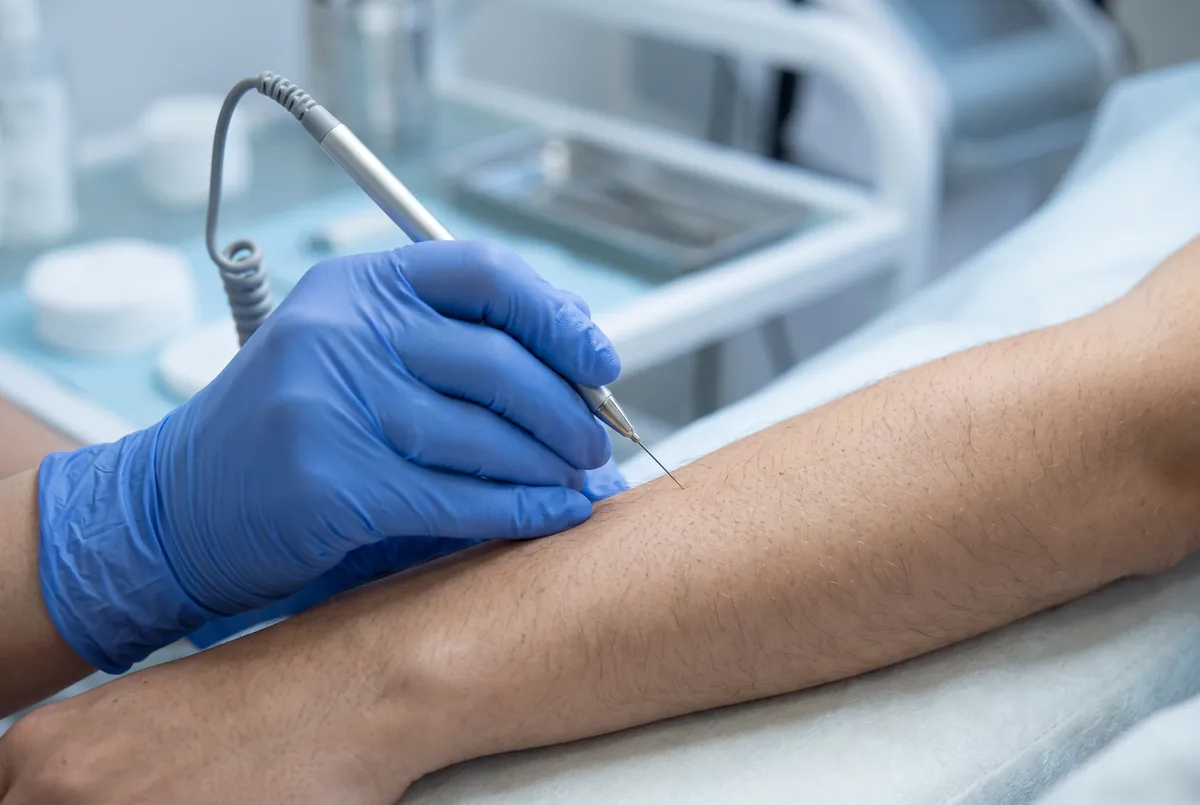
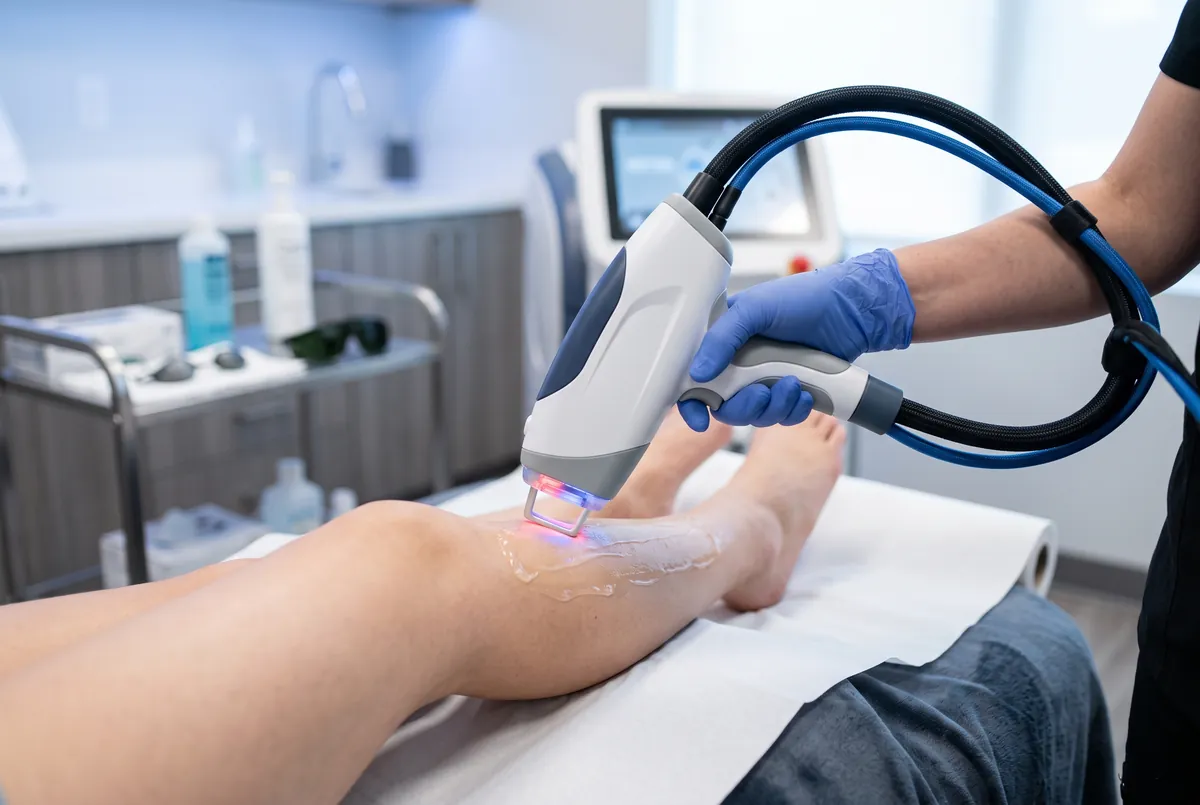
Laser Hair Removal: Fast Reduction on the Right Hair and Skin Combination
Laser hair removal uses a concentrated beam of light tuned to be absorbed by melanin, the pigment in hair. The light heats the hair shaft and follicle, damaging its ability to produce new hair. Because the technology depends on that pigment contrast, laser performs best on dark, coarse hair against lighter skin, where the beam can distinguish the hair clearly from the surrounding skin. Blonde, red, gray, and white hair contain far less pigment for the laser to target, which is why laser is often disappointing on exactly the hair colors electrolysis handles without issue.
A laser course is typically several sessions spaced weeks apart, timed around hair growth cycles, since laser only affects hair that is actively growing at the time of treatment. Most people see a meaningful long-term reduction in hair density and thickness after a full course, sometimes reaching a point where regrowth is sparse enough to feel like a permanent result in daily life, even though laser is not classified or marketed as permanent hair removal the way electrolysis is. A portion of treated follicles can reactivate over time, particularly around hormonal changes, which is why some clients return for occasional touch-up sessions years later.
Pain during laser is often described as a warm snap or rubber-band sensation against the skin, generally quick per pulse but covering larger areas faster than electrolysis, so a session can move through a leg or back in well under an hour. Preparation matters more with laser than with most other methods: the area needs to be shaved beforehand, not waxed or plucked, since the laser needs a hair shaft present at skin level to target, and tanning in the weeks before a session needs to be avoided since it reduces the skin-to-hair contrast the laser relies on and raises the risk of skin irritation or pigment changes.
Laser is a strong option for people with dark hair and lighter skin who want a fast, dramatic reduction over large areas like legs, arms, or the back, and who are comfortable with a result described as long-term rather than permanent. For a full side-by-side breakdown of exactly when laser edges out electrolysis and vice versa, see the dedicated electrolysis or laser comparison guide.
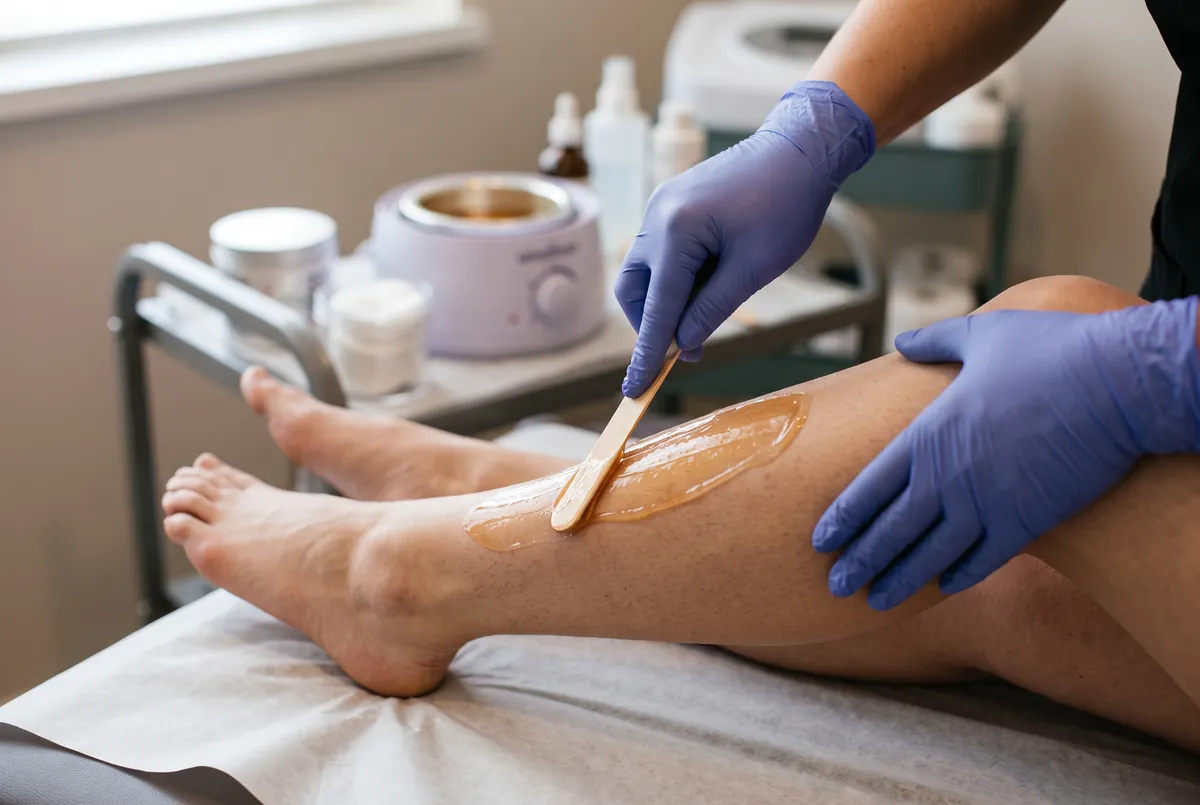
Waxing: Temporary, Root-Deep, and Widely Available
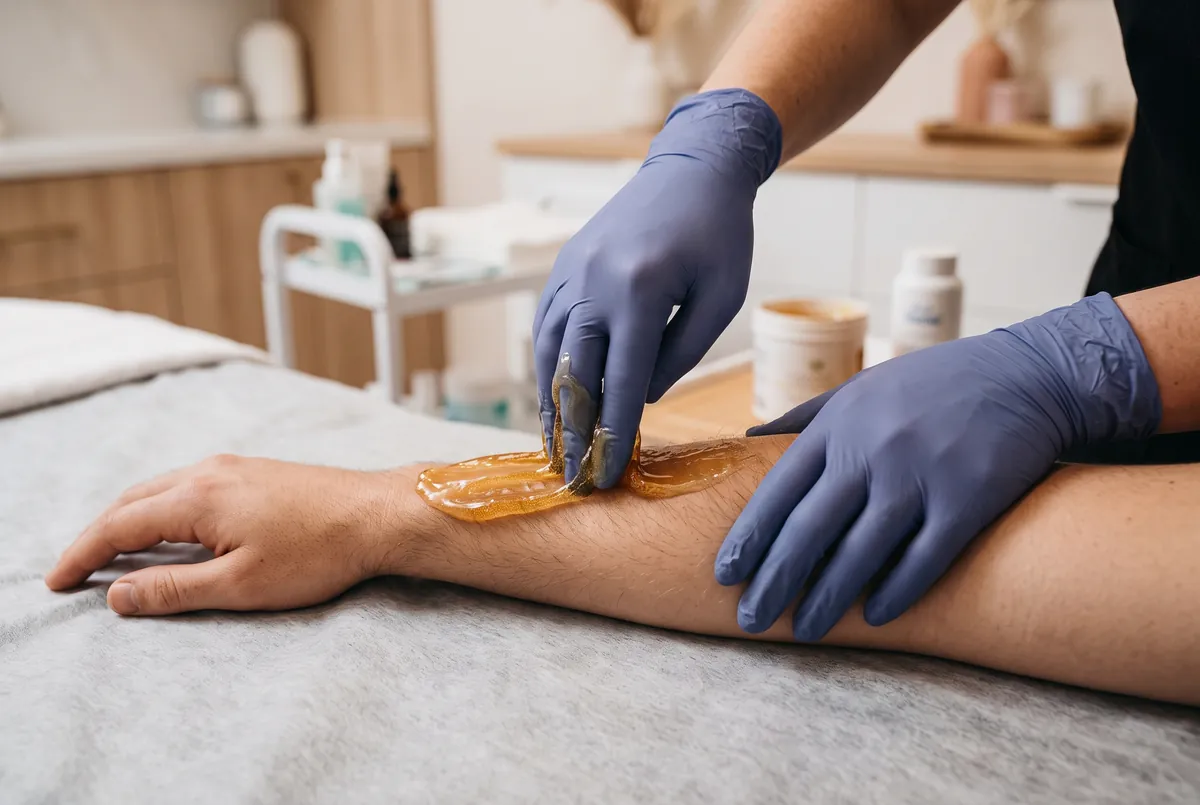
Waxing removes hair from the root using warm wax applied to the skin and then pulled away, taking the hair with it. Because the hair is removed from the root rather than cut at the surface, regrowth takes noticeably longer than shaving, typically several weeks, and the regrowth often feels softer at first since it has not been blunted by a razor edge.
There are two main styles: soft wax, which is spread thin and removed with a cloth or paper strip, generally used on larger areas like legs and arms, and hard wax, which hardens on its own and is removed without a strip, generally preferred for smaller or more sensitive areas like the face and bikini line because it grips hair rather than skin more selectively. Either style requires hair to have some length to grip, typically at least a quarter inch, which is why waxing appointments often ask you not to shave for a couple of weeks beforehand.
Pain is a genuine factor with waxing, a quick pulling sensation at each strip or patch, more intense the first few times and on sensitive areas, and it tends to ease somewhat with repeated sessions as hair grows in finer over time. Because waxing is a purely mechanical process with no light or energy involved, it works identically regardless of hair color or skin tone, which is one advantage over laser. The tradeoff is that it is entirely temporary. Every session removes the current hair but does nothing to the follicle's ability to regrow it, so waxing is a recurring habit for as long as you want the results, not a path toward less hair over time the way electrolysis or laser can be.
Waxing is also one of the most common entry points into the beauty industry as a service to learn, since it is offered nearly everywhere and demand is steady. If you are weighing waxing against sugaring from the practitioner side rather than the client side, that comparison is covered thoroughly in wax vs sugaring: which to learn, and our waxing course covers both hard and soft wax technique for anyone considering it as a service to offer.
What separates a good waxing appointment from a bad one is mostly technique and hygiene. A skilled practitioner holds the skin taut, applies wax in the direction of growth, removes it quickly and close to the skin in the opposite direction, and avoids waxing the same patch over and over in one visit. Hygiene matters just as much: a fresh applicator for every dip into the wax pot, so nothing goes back into the pot after touching skin. If you notice a provider double dipping, it is fair to ask them to stop, or to book somewhere else next time.
Sugaring: A Gentler Root-Removal Alternative
Sugaring removes hair from the root using a thick paste made primarily of sugar, water, and lemon, applied and removed by hand rather than with a strip in most techniques, working in the direction of hair growth rather than against it. Because the paste is water-soluble and applied at body temperature rather than heated wax temperature, it is generally considered gentler on sensitive skin and less prone to burns, and cleanup is simpler since sugar paste washes off with water.
The result timeline is similar to waxing: hair is removed from the root, so regrowth takes several weeks rather than days, and the actual duration of smooth skin is comparable between the two methods. The meaningful differences are in the experience rather than the outcome. Sugar paste tends to adhere more to the hair than to the skin, which can mean less discomfort and less irritation for people who find waxing harsh, particularly in sensitive areas. It also tends to be more forgiving on shorter hair than wax, though a similar minimum hair length is still generally recommended for the best grip.
Sugaring is not a permanent or long-term reduction method any more than waxing is. It is a temporary, root-deep removal technique, and the hair returns on a similar schedule to waxing once the follicle recovers. The choice between the two often comes down to skin sensitivity and personal preference in texture and technique rather than one being objectively superior for everyone.
People who have tried both waxing and sugaring and found waxing too harsh on their skin are often good candidates to try sugaring instead, since the underlying result is the same but the sensation and skin reaction tend to be milder. Estheticians and cosmetologists training to offer both services can find that technique breakdown in the same wax vs sugaring guide referenced above, and our cosmetology course covers the broader skill set both services fall under in many states.
Sugaring also depends heavily on the practitioner's hands. The paste changes consistency with room temperature and body heat, and the manual flicking technique takes real practice to perform quickly without breaking hairs or overworking the skin. A sugaring appointment with an experienced practitioner can feel very different from one with someone still learning, so the first time you try it, ask how long they have been sugaring and whether they use the manual method or a strip technique on the area you are booking.
Threading, Tweezing, Shaving, and Depilatory Creams: The Short Version
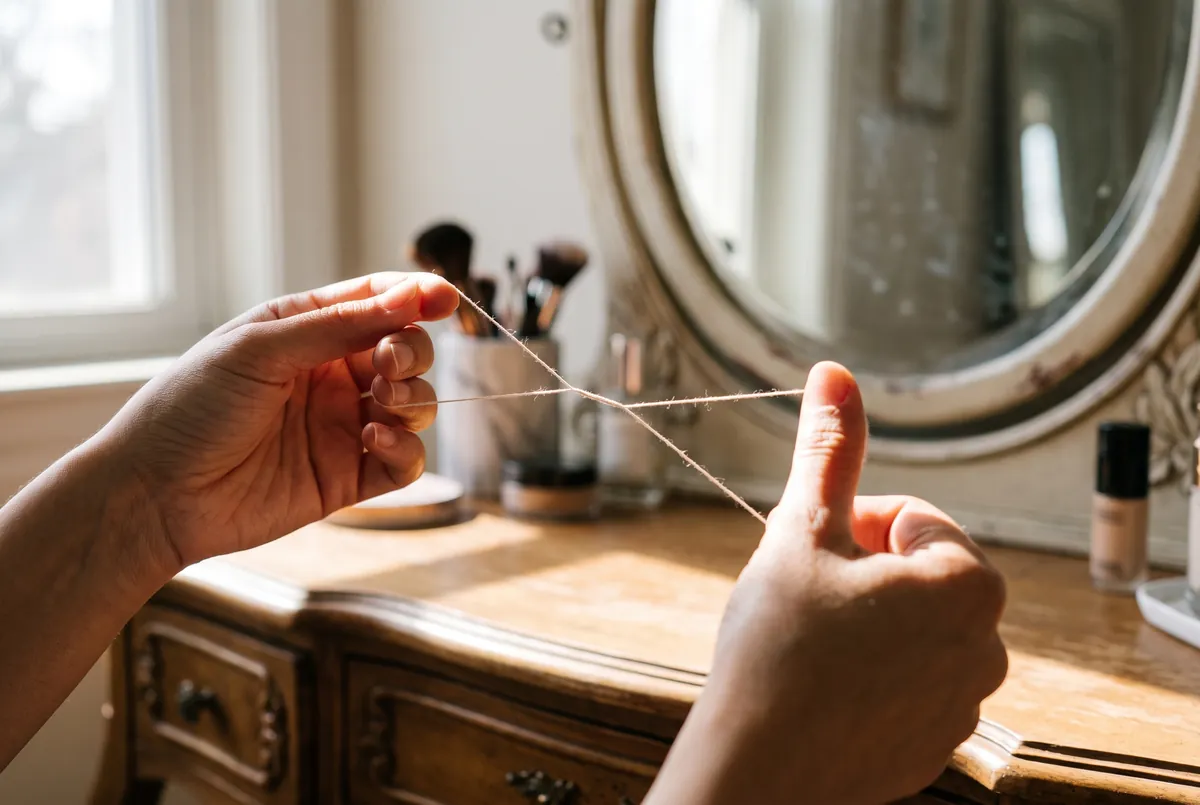
These methods deserve a mention for completeness, even though they are not full alternatives to the four methods above for larger areas or longer-term goals. Threading uses twisted thread to lift and remove hair from the root, precise enough for eyebrows and upper lip shaping but too slow for large areas. Tweezing works the same way, one hair at a time, useful for stray hairs and touch-ups rather than full removal. Shaving cuts hair at the skin's surface rather than removing the root, which is why regrowth appears within a day or two and can feel coarser at first as the blunt-cut tip grows out. Depilatory creams dissolve the hair shaft chemically at the surface, lasting a bit longer than shaving but still well short of root-removal methods, and they carry a real risk of skin irritation for sensitive users.
None of these four are built for the kind of long-term or permanent reduction electrolysis and laser aim for, and none last as long between sessions as waxing or sugaring. They fill a different role: quick, low-commitment upkeep between appointments with one of the four main methods, or a way to manage small, precise areas like eyebrows that do not call for a full removal method. For a deeper look specifically at threading and tweezing against electrolysis, see electrolysis vs tweezing and threading.
Which Method Works Best on Each Body Area
Most people are not choosing one method for their entire body. They are choosing for the one or two areas that bother them most, and the best fit changes with the area. Here is how the methods usually line up in practice, based on the size of the area, how sensitive the skin is, and the kind of hair that typically grows there.
- Eyebrows. Threading, tweezing, or waxing for shaping and upkeep. Electrolysis for permanently removing strays outside the shape you want to keep. Laser is generally avoided this close to the eyes.
- Upper lip and chin. Electrolysis is the usual choice for a permanent result, especially where fine, light, or hormonal hairs mix with darker ones. Threading and waxing handle temporary upkeep well. Laser can reduce dark, coarse hair here but tends to leave finer hairs behind.
- Underarms. Laser is often efficient on dark underarm hair when skin tone suits it, with electrolysis finishing whatever remains. Waxing and sugaring work for temporary results but can aggravate ingrown hairs in some people.
- Bikini line. A sensitive area where hard wax and sugaring are popular temporary choices. Laser and electrolysis both work for long-term results, and electrolysis is often used for the light hairs laser misses and for chronic ingrown hairs.
- Legs, back, and chest. Large areas favor laser when hair and skin suit it, since it covers ground quickly. Waxing and sugaring are practical recurring options. Electrolysis on a full leg or back is possible but is a long, time-intensive commitment, usually reserved for finishing work.
Which Method Fits Which Situation
Skin tone and hair color are the first filter. If you have dark, coarse hair and lighter skin, laser will likely give you fast, visible results with fewer sessions than most other options. If your hair is blonde, red, gray, or white, or your skin tone reduces the contrast laser needs, electrolysis is the more reliable path to a lasting result, since it does not depend on pigment at all.
Darker skin deserves its own note. Laser can be done safely on darker skin, but only with a device and wavelength designed for it, such as an Nd:YAG laser, and a provider experienced in treating deeper skin tones, since the wrong device or settings can cause burns or lasting pigment changes. Electrolysis does not depend on pigment at all, which makes it a dependable option for every skin tone, though any irritation can leave temporary darkening on skin that is prone to it. With waxing and sugaring, the main concern on darker skin is repeated ingrown hairs, which can leave dark marks that take a long time to fade.
Pain tolerance matters more than people expect going in. Waxing and sugaring both involve a sharp pulling sensation concentrated in short bursts, which some people find more manageable than the sustained series of small pinches involved in an electrolysis session on a larger area. Laser's sensation is often described as milder per pulse but still noticeable, especially on sensitive areas like the bikini line or upper lip.
Budget pattern is a real consideration, not just total cost. If a lower cost per visit matters more to you right now than an eventual stopping point, waxing or sugaring's pay-as-you-go pattern may suit your situation better even though the spending never fully ends. If you would rather make a larger commitment now in exchange for eventually spending nothing at all on hair removal in a given area, laser or electrolysis are built for that trajectory, with electrolysis being the one that can actually reach a true endpoint rather than a long-term reduction.
How much permanence actually matters to you personally is worth being honest about. Some people are perfectly happy maintaining smooth skin with a monthly wax appointment indefinitely and have no interest in a multi-month course of any kind. Others are specifically trying to stop dealing with unwanted hair for good, whether for comfort, gender-affirming reasons, ingrown hair problems, or simply wanting one less recurring task in their life. That second group is who electrolysis is really built for, and increasingly who turns to laser first for large areas before finishing with electrolysis on what remains.

Side Effects and Skin Reactions by Method
Every method has side effects, and knowing the normal ones keeps you from panicking over a harmless reaction or ignoring a real problem. With electrolysis, the usual reactions are redness and slight swelling around treated follicles, which typically settle within hours to a day or so, and occasionally tiny pinpoint scabs that should be left alone to heal. The risks that matter, such as pitting, lasting pigment changes, or infection, are tied mostly to technique, settings, and aftercare, which is why training and sterile, single-use probes matter so much. Our full guide to electrolysis side effects and risks covers each one in detail.
Laser reactions usually include redness and small raised bumps around the follicles right after treatment, often compared to a mild sunburn. The more serious risks are burns, blistering, and pigment changes, either lighter or darker patches, which become more likely on tanned skin, on darker skin treated with an unsuitable device, or when settings are too aggressive. Protective eyewear is required during every laser session for the same reason: the energy that damages a follicle can also damage the eye.
Waxing commonly causes temporary redness and small bumps, and repeated waxing can lead to ingrown hairs and irritated follicles. Wax that is too hot can burn, and skin thinned by retinoid creams or certain acne medications can lift or tear when wax is removed, which is why a careful waxer asks about medications before a first appointment. Sugaring shares most of the same risks in a milder form. Shaving brings razor bumps and nicks, especially on curly hair, while depilatory creams can cause chemical irritation or burns, so a patch test on a small area should always come first.
Special Situations: Pregnancy, Medications, and Hormonal Hair
A few situations change the advice above. During pregnancy, many providers postpone laser as a precaution, and skin can become more sensitive to waxing and more prone to pigment changes, so check with your physician before starting or continuing any method. Medications matter too. Retinoids and some acne treatments make waxing risky because they thin the skin, and certain medications increase sensitivity to light, which matters for laser. Tell every provider about everything you take, including topical creams and anything prescribed since your last visit.
Hormonal hair growth is the other big exception. Conditions such as polycystic ovary syndrome keep activating new follicles over time, so a method that only treats the hair present today will seem to stop working. Electrolysis handles this pattern well because new hairs can be treated as they appear, and our guide on PCOS and unwanted hair explains why in detail. If unwanted hair appears suddenly or spreads quickly, see a physician before choosing any hair removal method, since the cause deserves a medical look first.
Combining Methods: Why Many People Use More Than One
It is common, and often the most practical approach, to combine methods rather than pick just one for life. A frequent pattern is using laser to clear the bulk of dark, dense hair on a large area like the legs or back relatively quickly, then switching to electrolysis to finish off the lighter, finer, or gray hairs that laser could not fully treat, reaching a genuinely permanent result on the whole area instead of a long-term reduction with some hair remaining.
Another common combination is using waxing or sugaring as a short-term maintenance method on areas where you have not yet started, or do not plan to start, a longer permanent process, while running electrolysis on a different area you specifically want gone for good, such as the upper lip or chin. There is no rule that says every part of your body has to be treated with the same method, and most experienced practitioners will tell you that mixing methods by area and by priority is normal, not a compromise.
Some people also use waxing or sugaring during the early stages of an electrolysis or laser course on areas that are not yet in active treatment, simply for cosmetic upkeep while waiting for a scheduled appointment, then stop once the permanent or long-term method has taken hold in that area. If you are exploring this kind of combined plan, a consultation with a licensed electrologist who also understands laser and hair removal timelines in general is the most useful first step, since it lets you plan sequencing around your actual hair growth and goals rather than guessing.
Questions to Ask Before You Book Any Method
A good provider welcomes questions, and the answers tell you a lot about the quality of care you will get. These are the questions worth asking at a consultation, grouped by method, along with one set that applies no matter which method you choose. A provider who answers them clearly and without pressure is usually the same provider who takes aftercare and safety seriously.
- Electrolysis: Do you hold an electrology license where your state requires one? Which modality do you use, galvanic, thermolysis, or blend, and why for my hair? Are probes sterile and single-use? How is session time billed?
- Laser: Who performs the treatment, and who supervises it? Which device will you use, and is it suited to my skin tone? Will you do a test spot first?
- Waxing and sugaring: Do you use hard or soft wax on this area? Do you use a fresh applicator for every dip? What do you need to know about my skincare products and medications?
- Every method: Which reactions are normal afterward, what aftercare do you recommend, and when should I contact you or a physician?
The Bottom Line
There is no single best hair removal method, only the method that best matches what you actually want: a truly permanent result with electrolysis, a fast long-term reduction with laser on the right hair and skin combination, a lower-commitment recurring habit with waxing, or a gentler version of that same recurring habit with sugaring. Many people end up using more than one method across different areas of their body, and that is a normal, practical way to approach it rather than a sign of indecision.
If you want to go deeper on any single comparison, the electrolysis-versus-laser decision gets its own full breakdown in this guide, the case for electrolysis over threading and tweezing is covered in this guide, and anyone deciding which service to train in professionally rather than which to book as a client should read wax vs sugaring: which to learn. For those interested in the practitioner side of any of these methods, our electrolysis career path, electrolysis course, waxing course, and cosmetology course are the places to start.

State Requirements
State licensing guides
Hours, exams, fees, and the licensing board differ by state. Open your state for the current requirements.
Looking for a practitioner or a program near you? Browse electrologists by state and city or beauty schools by state.
Common Questions
FAQ
No. Every method on this list involves some sensation, whether it is the pulling of waxing and sugaring, the pinch of electrolysis, or the warm snap of laser. Shaving is the closest to painless but only removes hair at the surface. What varies most between methods is how intense the sensation is and how long it lasts per session, not whether it exists at all.
Sugaring is generally considered the gentlest option for sensitive skin because the paste adheres more to hair than skin and is applied at body temperature. Electrolysis is also a reasonable option for sensitive areas since it treats one follicle at a time rather than a broad surface. Laser can be more irritating on sensitive skin depending on the device and settings, and waxing can cause more redness than sugaring in some people, though reactions vary by individual.
Yes, and it is common. Switching from waxing or sugaring to electrolysis or laser generally works fine, though you typically need to let hair grow back in for a period before starting electrolysis so the practitioner can see hair at the right stage of growth. If you have been shaving instead, that also requires some regrowth time before an electrolysis or laser session.
With shaving, the blunt cut at the surface can make regrowth feel coarser to the touch even though the hair itself has not changed thickness, an effect that fades as it grows longer. With waxing, some people notice regrowth feels softer over time as repeated root removal weakens individual follicles, though this is not a reliable path to permanent reduction the way electrolysis is.
A consultation with a laser provider who assesses your specific hair color, hair thickness, and skin tone is the only reliable way to know, since laser performance depends heavily on that combination. As a general pattern, dark and coarse hair on lighter skin responds best, while light, fine, gray, or red hair on any skin tone tends to respond poorly. If that describes your situation, electrolysis is worth strong consideration instead.
With electrolysis, a properly destroyed follicle does not regrow hair, so any regrowth in a treated area usually means either a follicle that was not fully treated or a new follicle activated by hormonal changes, which occasional maintenance sessions can address. With laser, a portion of treated follicles can reactivate over time regardless of how thorough the original course was, which is one of the core differences between a long-term reduction and a permanent result, and why some laser clients return for occasional touch-ups years later.
Electrolysis works on every skin tone because it does not rely on pigment, and waxing and sugaring also work regardless of skin tone, although repeated ingrown hairs can leave dark marks. Laser can be safe on darker skin only with a device designed for it, such as an Nd:YAG laser, and a provider experienced with deeper skin tones. A test spot before a full session is a sensible precaution with any laser.
Keep Reading
Related Guides


