Career
What Can You Do With a Cosmetology License? Jobs and Paths
Quick answer
A cosmetology license generally lets you cut, color and style hair and offer basic skin care, waxing, makeup and nail services. With it you can work in salons and spas, rent a booth or suite, open a salon, freelance for weddings and productions, teach with an instructor license, or work for product companies. Exact scope varies by state, and electrolysis, lasers and permanent makeup usually need separate credentials.
What can you do with a cosmetology license? Far more than stand behind one chair in one salon for thirty years, although plenty of people do exactly that and are happy. In most states the cosmetology license is the broadest credential in the beauty industry. It generally covers hair cutting, coloring, chemical texture services and styling, plus basic skin care, temporary hair removal, makeup, and natural nail services. That scope opens salon and spa jobs, self-employment in several forms, teaching, work for product companies, and freelance styling for weddings, photo shoots, and film or stage productions.
I hold both a cosmetology and an electrology license, and over two decades I have watched colleagues take the same starting credential in very different directions. This guide lays out the realistic options: where the jobs are, what each kind of work is like day to day, which paths need additional training or a second license, and where your scope of practice ends. The exact services a cosmetologist may perform are defined by each state, so I describe the common pattern and point you to the state pages for the specifics.
What the license generally covers
State laws define cosmetology in their own words, but the typical definition includes arranging, cutting, coloring, bleaching, waving, straightening, and cleansing hair, giving facials and applying cosmetic preparations to the skin, removing unwanted hair by temporary means such as waxing and tweezing, applying makeup, and manicuring and pedicuring the natural nail. Many states also include artificial nail services and lash or brow services, and some address them through separate rules. This is why the cosmetology program is the longest of the standard beauty programs: it teaches a little of everything, with hair at the center.
The breadth is the license's main strength. An esthetician cannot cut hair, and a nail technician cannot give a facial, but a cosmetologist can usually offer services from all three areas. In practice most professionals narrow down, because nobody is equally good at everything. Still, the freedom to move matters over a long career. A colorist who develops a wrist problem can shift toward skin services. A stylist in a small town can offer brow waxing and manicures to fill the week. A salon owner can cover for an absent staff member.
The license is a legal permission, and it is not proof of skill in every service it lists. School introduces you to all of them, some only briefly. Before you offer a service to the paying public, you need real competence in it, and for services such as lash extensions, advanced chemical exfoliation, or hair extensions, that usually means additional classes. Check the exact scope for your state on the cosmetology licensing hub, and for the classroom side of each subject see what you learn in cosmetology school.
Working in a salon
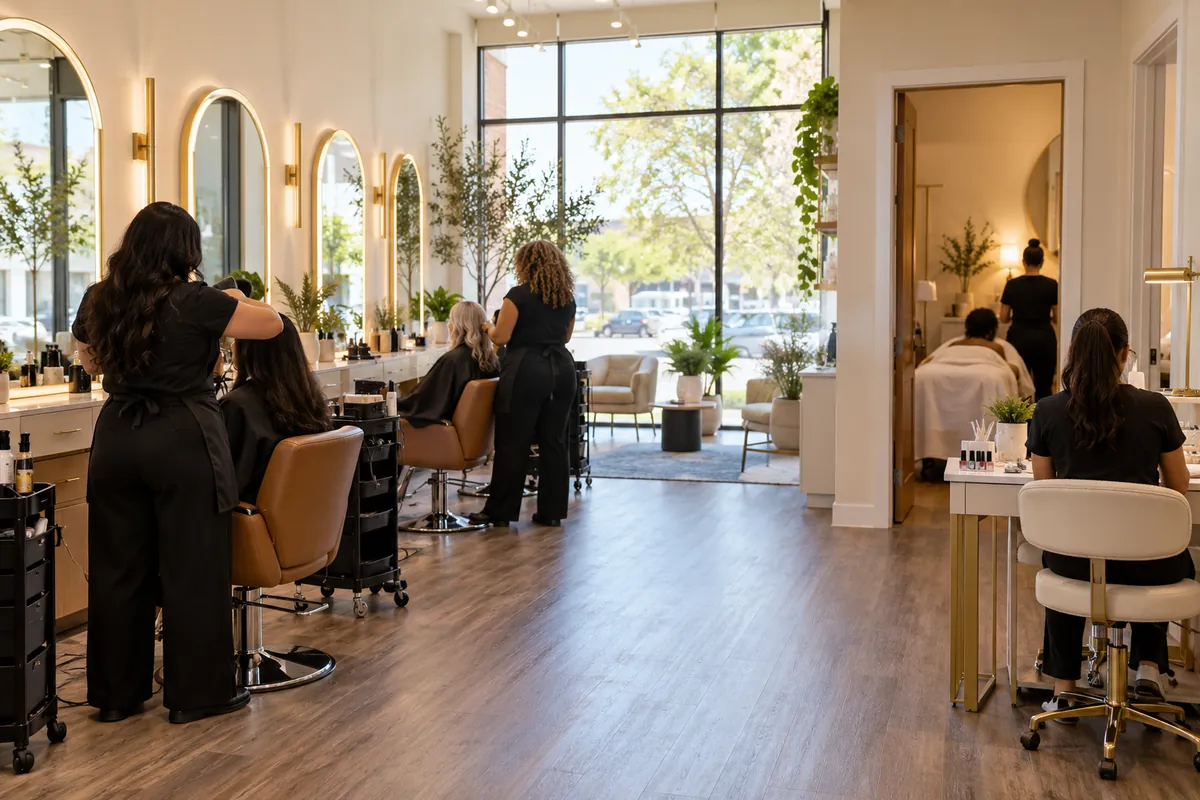
The salon is where most license holders start and where many stay. Salons come in several kinds, and the daily experience differs more than the job title suggests. Value and chain salons run on walk-in traffic and short appointments. You do many haircuts in a day, mostly straightforward ones, and you build speed quickly. Pay structures are usually set by the company, and training programs are often built in. For a new graduate, this volume is a real education.
Independent and upscale salons work by appointment, with longer services and higher prices. New stylists often begin as assistants to senior staff, shampooing, mixing and applying color under direction, and blow-drying, before taking their own clients. The pace of advancement depends on the salon's training culture. Some run structured education with clear steps to the floor. Others leave you to learn by watching. When you interview, ask who trains, how often, and what it takes to move up.
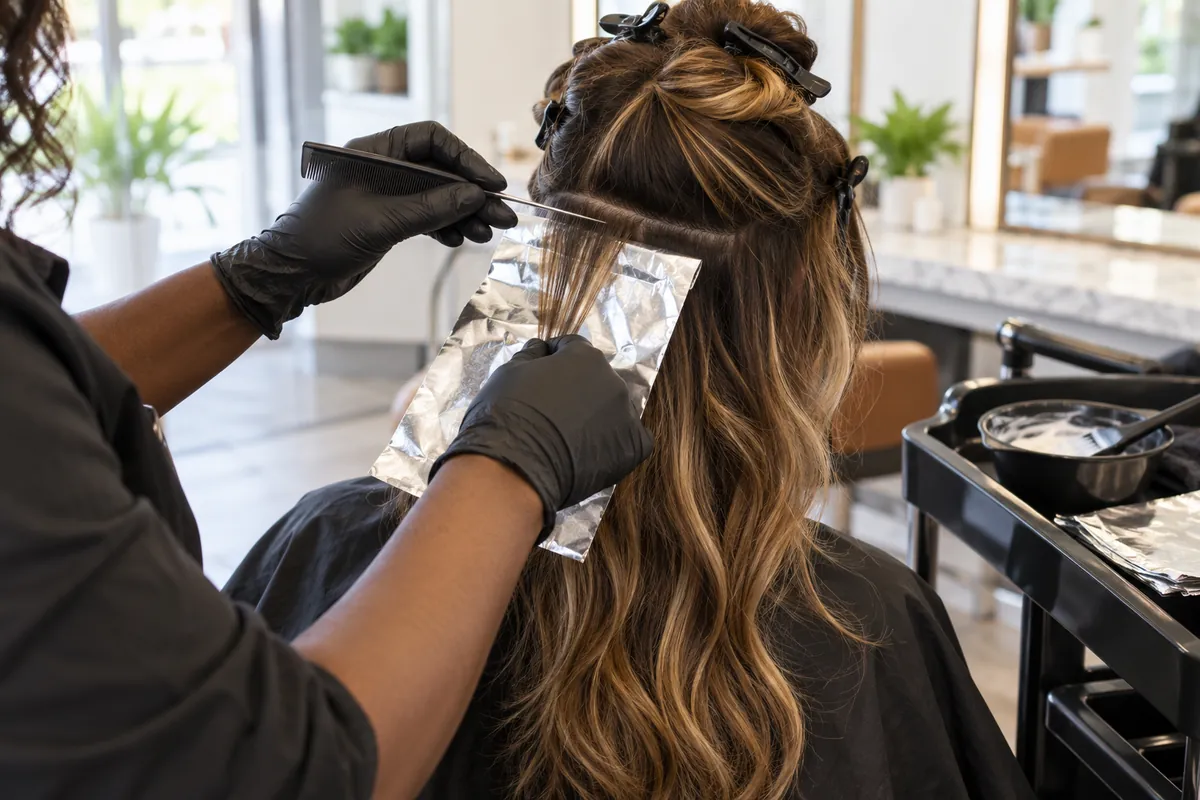
Within a salon you can specialize. Colorists focus on highlights, lightening, and corrections. Cutting specialists build a reputation for precision or for particular hair types. Texture specialists work with curls, coils, and chemical or thermal straightening. Extension specialists install and maintain added hair. Stylists who love formal work concentrate on updos and event hair. Most people find their specialty by noticing which appointments they look forward to and which clients keep sending friends.
Salon work also comes in schedules that school rarely mentions. Evenings and Saturdays are the busiest times in most salons, because that is when clients are free, so new stylists should expect to work them. Part-time chairs are common, which is one reason the trade suits parents and people with a second occupation. Some stylists split the week between two locations, or between a salon and a different kind of work entirely. When you compare job offers, look at the schedule and the training together with the pay, since a slightly lower rate in a salon that teaches you is usually the better deal in the first years.
How you are paid is a career decision in itself. Employees are commonly paid hourly, by commission, or by a combination, with tips on top. Booth or chair renters pay the salon a fixed amount and run their own small business inside it. Each arrangement shifts risk and control in a different direction. I compare them in booth rental vs commission for beauty professionals, which is worth reading before your first interview.
Men's grooming and barbershop work
Men's cutting is a strong and steady market, and cosmetologists work in it every day. Cutting, clipper work, fades, and beard trimming with clippers or shears generally fall within a cosmetology license. The usual dividing line is shaving the face with a straight razor, which many states reserve for licensed barbers. Rules about whether a cosmetologist may work in a barbershop, and what services are allowed there, are state specific. Some states offer a crossover program that lets a cosmetologist add a barber license with a shorter course.
If this is the work you want, find out early which license your state expects for it. A cosmetologist who mainly wants to do fades and beard work may be better served by adding the barber credential, and someone who has not yet enrolled might choose barber school from the start. School usually gives limited time to clipper cutting, so plan on extra practice and classes either way. Clients in this market return often, which makes for a full, predictable schedule once you are established.
Spa, skin care, hair removal, and nail services
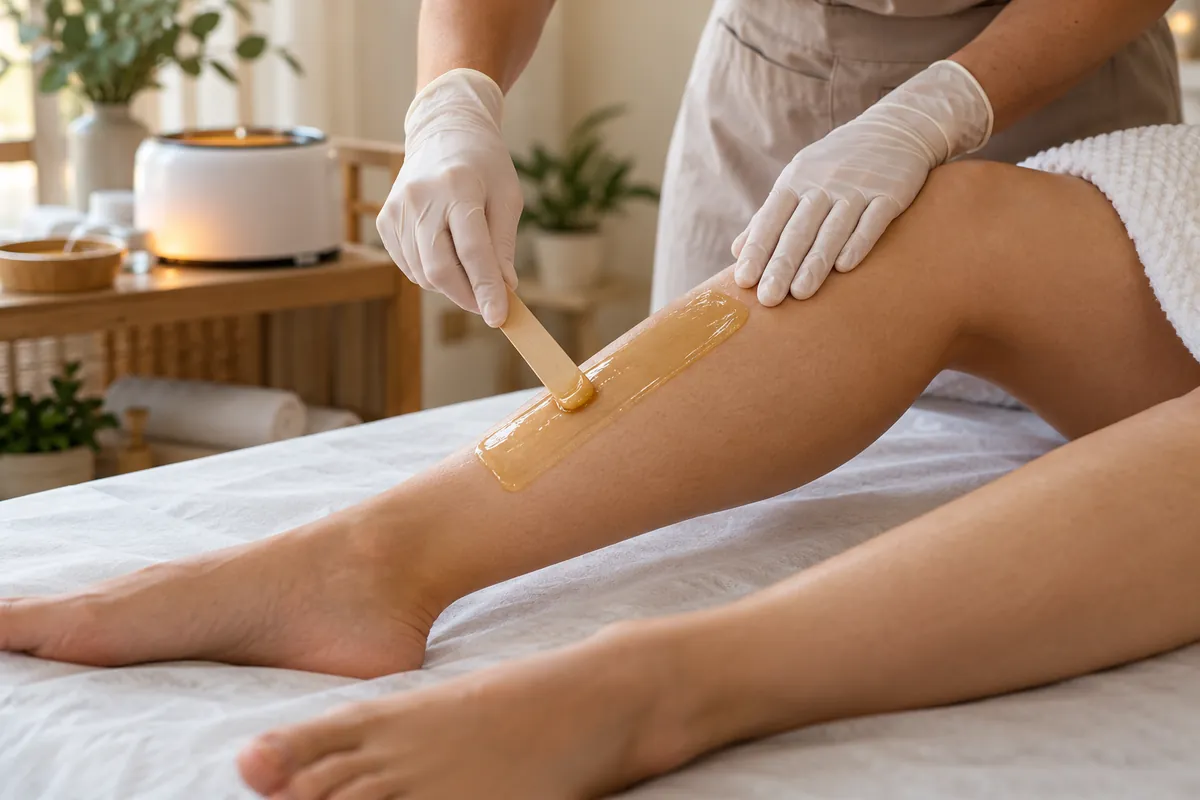
Because the license usually includes basic skin care, cosmetologists are hired by day spas, resort and hotel spas, and salons with treatment rooms. The services are facials, exfoliation within the limits of state law, masks, brow and lash tinting where permitted, brow shaping, and waxing of the face and body. Waxing in particular is a service where a cosmetologist can build a loyal following, since clients return on a regular cycle. If that appeals to you, see how to become a waxing specialist.
Be honest with yourself about depth. The skin unit in a cosmetology program is short compared with an esthetics program, and employers know it. A spa hiring for a facial room often prefers an esthetician or a cosmetologist who has taken substantial additional skin education. If you want to make skin your main work, invest in advanced classes on skin analysis, ingredients, and equipment, and learn your state's limits on exfoliation strength and device use. The broader comparison is in cosmetologist or esthetician: the difference.
Some skin-related services sit outside a cosmetology license in most states. Permanent hair removal by electrolysis is a separate license in most states that regulate it, with its own training. Laser and light-based hair removal is governed by a patchwork of state rules, often involving medical oversight. Medical-grade peels, injectables, and anything that affects living tissue below the outer layer of the skin belong to medical practice. A cosmetologist can work in a medical spa in a supporting cosmetic role, but the setting does not widen the license.
Manicures and pedicures are within the cosmetology scope in most states, and many states include enhancements such as gels and acrylics. Few cosmetologists make nails their main work, because dedicated nail technicians usually have more training and practice in enhancements and nail art. Even so, nail services are a useful addition in a small salon, in a spa menu, or for a mobile professional serving events. If you find you love the detail work, advanced nail classes can turn the introductory school unit into a real specialty.
Pedicure work carries responsibilities you should take seriously. Foot basins must be cleaned and disinfected between clients according to state rules. You must recognize signs of infection or conditions that mean a client should see a physician or podiatrist before receiving a service. Clients with diabetes or circulation problems need particular care, and cutting living skin is prohibited. Those limits apply to everyone who holds the license, in every setting where pedicures are offered.
Self-employment: booth rental, suites, and your own salon
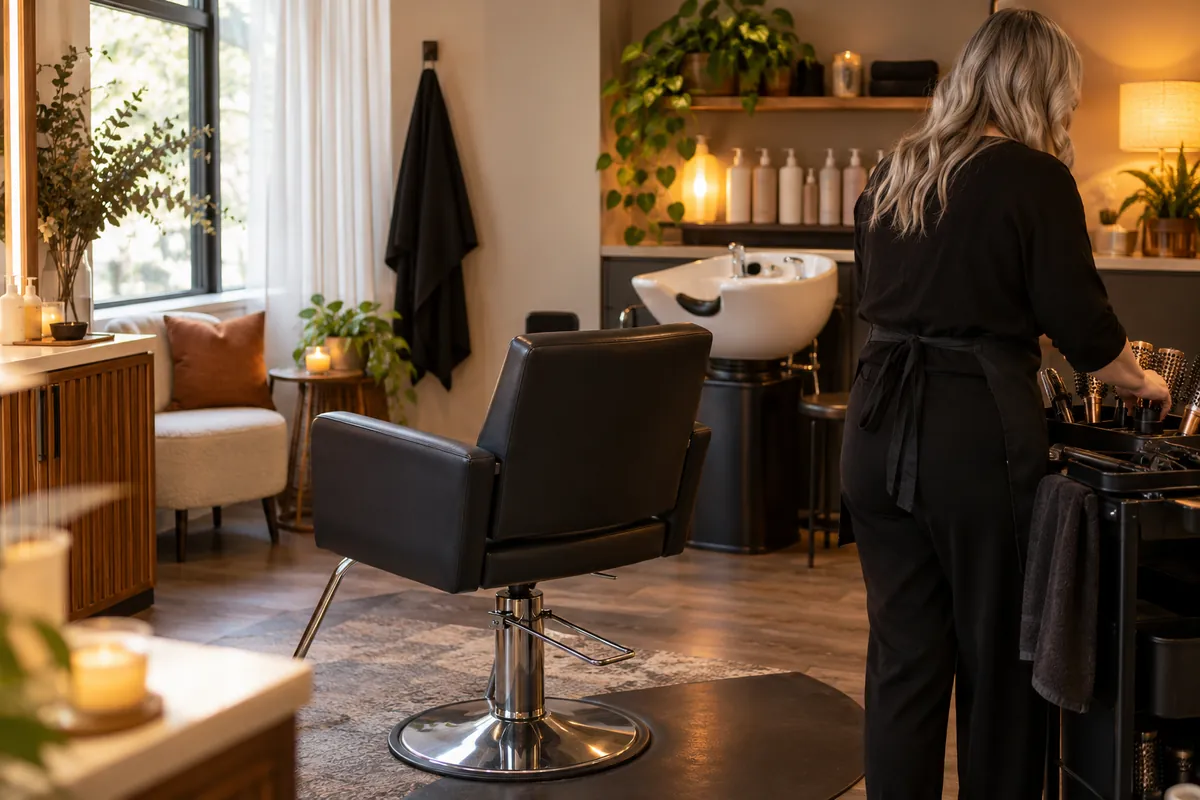
Many cosmetologists eventually work for themselves. The first step is often renting a chair in an existing salon. You pay rent, set your own prices and hours, buy your own color and supplies, and keep your service income. The next step for many is a salon suite: a small private room in a building of similar suites, with your own door, your own decor, and usually your own retail. Suites suit professionals who already have a full book and want privacy and control.
Opening a full salon is a different job. You become an employer or a landlord to other professionals, and you spend much of your time on hiring, scheduling, inventory, marketing, and bookkeeping. States license salons as establishments, separately from the individuals who work in them, with requirements for the premises and inspections. In some states the person in charge must hold a particular license or have a certain amount of experience. Read the establishment rules before you sign a lease.
A home salon is another form of self-employment, and it comes with the most conditions. Where states permit it, the room normally has to be licensed as an establishment, and rules often call for things such as a separate entrance, a sink, proper ventilation, and a space closed off from the living area. Local zoning, homeowner association rules, and your insurance policy all have a say too. The overhead is low and the commute is ideal, but a home salon can be harder to grow and harder to separate from family life. Research every layer of permission before you buy equipment.
Self-employment changes your paperwork as well as your income. You are responsible for your own taxes, your own liability insurance, and your own health coverage and retirement saving. You will need to decide on a business structure and keep proper records. None of this is taught in depth at school. Two guides here can help you begin: business structure for independent beauty professionals and home studio vs renting a suite. For tax and legal questions about your own case, talk to an accountant or attorney.
Freelance work: weddings, events, and on-location styling
Bridal and event styling is a popular path for cosmetologists who enjoy formal hair and makeup. The work happens on location: a hotel room, a family home, a venue dressing room. You carry your kit, work to a strict timeline, and often style a whole wedding party in one morning. It requires fast, reliable updo and makeup skills, calm under pressure, and good organization, including contracts, deposits, trial appointments, and travel planning.
Check your state's rules before you advertise on-location services. Many states require cosmetology services to be performed in a licensed establishment, with exceptions for special events, for clients who cannot leave home, or under a separate mobile or event permit. The exceptions and permits differ considerably. Some professionals keep a salon base and take event work on weekends, which satisfies the rules and smooths out the seasonal swings that come with wedding work.
Mobile salons, where a vehicle is fitted out as a licensed workspace, are permitted in some states under their own regulations. Services for clients in care facilities, hospitals, or their own homes are another niche, often in demand and often regulated specifically. These options can be rewarding and stable. They are also the areas where well-meaning professionals most often break rules without realizing it, so read the regulation or call the board before you start.
Film, television, theater, and editorial work
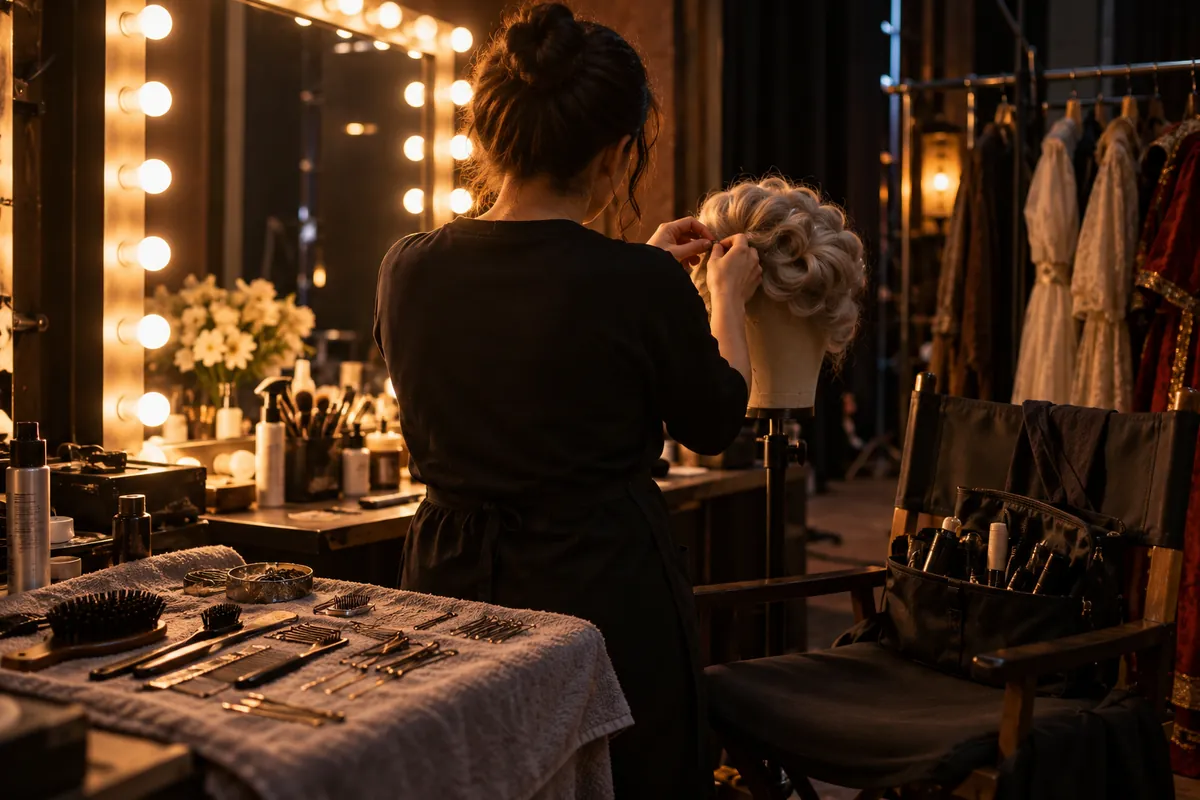
Hair and makeup for productions and photo shoots is the path students ask me about most and the one with the least predictable entry. The work exists wherever productions happen: major centers such as Los Angeles, New York, and Atlanta, plus regional theater, local commercials, corporate video, and fashion or catalog shoots in many cities. The roles include hair stylist, makeup artist, wig specialist, and assistants to each. Days are long, start early, and involve a great deal of waiting followed by fast, exact work.
A cosmetology license is commonly expected for hair work on professional sets, and union membership governs many film and television jobs, with its own entry requirements. Theater has its own traditions, including wig styling and maintenance, quick changes, and period looks. Editorial work is built on a portfolio and on relationships with photographers, and people often begin by assisting an established artist, sometimes for little pay at first.
The practical advice is to build this alongside steady income, not instead of it. Keep a salon job or clientele while you assist on shoots, collect professional images of your work, and learn skills that sets need and school barely covers, such as wig application, period styling, and working with every hair texture. Careers here are freelance by nature, with busy and quiet periods. Those who last tend to be reliable, discreet, and easy to work with, as well as skilled.
Teaching and education
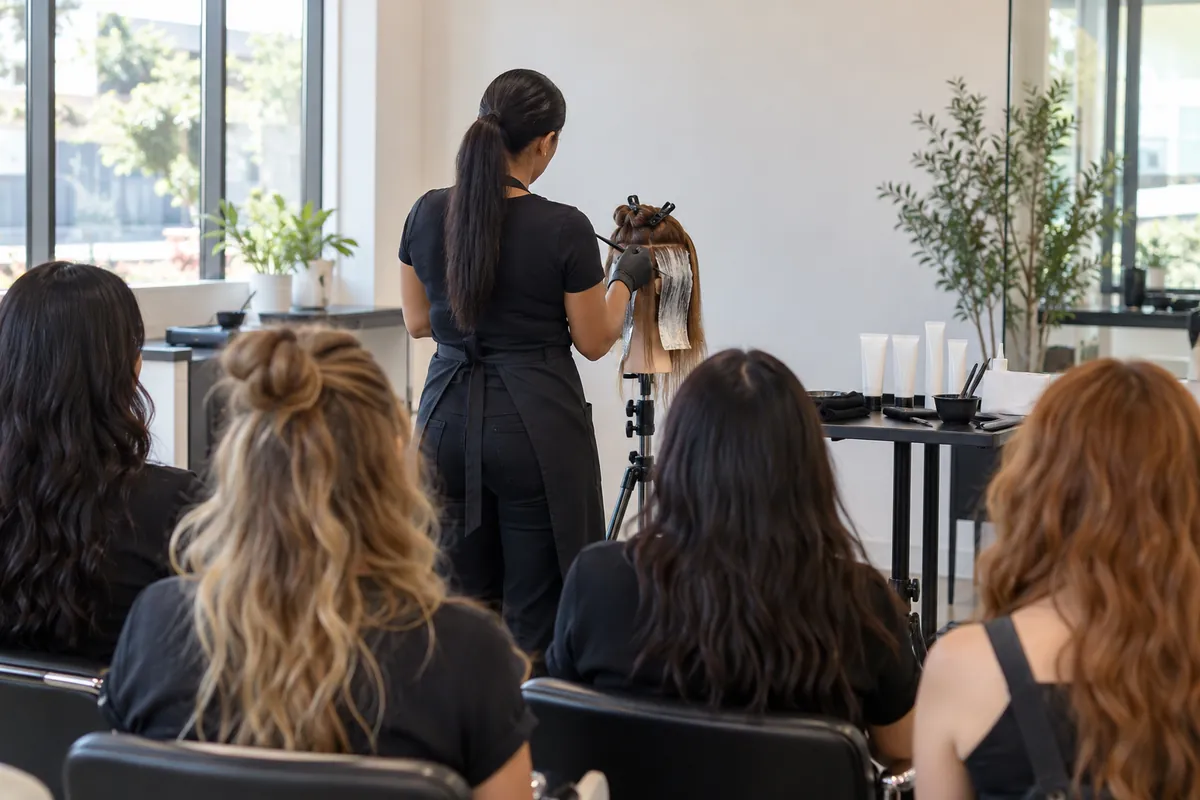
Experienced cosmetologists often move into teaching. School instructors teach theory and supervise students on the clinic floor. Most states require a separate instructor license for this, usually based on a period of work experience, additional instructor training, an exam, or some combination. The work suits people who are patient, organized, and happy to explain the same foundation many times. It offers more regular hours than salon work, which appeals to professionals whose bodies need a break from full days behind the chair. The path is described in how to become a cosmetology instructor.
Education also happens outside licensed schools. Salons employ education directors to train new staff. Independent educators teach advanced cutting, color, or extension classes to licensed professionals, in person and online. State boards and testing companies use experienced licensees as exam proctors or raters in states with a practical exam. Some states employ licensed professionals as inspectors who visit salons and schools to check compliance with sanitation and licensing rules, a role that combines field knowledge with regulatory work.
Product companies, sales, and brand education
Manufacturers and distributors of professional hair color, care, tools, and skin products hire licensed cosmetologists for several roles. Brand educators travel to salons and shows to teach product knowledge and technique. Sales consultants for distributors visit salons, take orders, and advise owners on what to stock. Staff in professional beauty supply stores help licensed customers choose products. Technical advisors answer formulation questions from stylists by phone or online. Some licensees work in product development and testing, giving feedback on how formulas perform in real services.
These jobs draw on your license and salon experience and add skills from other fields: public speaking, sales, travel logistics, and reporting. Companies generally look for people who have spent real time behind the chair, because credibility with salon professionals depends on it. For someone who enjoys teaching and travel, or who wants a salary and benefits after years of self-employment, brand work can be a good second act. Many educators keep a small clientele to stay sharp.
Stage work at trade shows is the visible end of this path. Platform artists demonstrate cuts and color in front of audiences of professionals, and competition stylists build reputations through industry contests. These roles are few, and they are usually reached after years of salon work and assisting behind the scenes on a brand's education team. If the idea attracts you, volunteer as a model wrangler or assistant at a regional show, attend classes given by the brands you admire, and ask their educators how they started. It is a small world, and people remember helpful assistants.
Management, front-of-house, and content work
Not every career that grows from the license involves performing services. Salon and spa managers handle staffing, schedules, inventory, client complaints, and financial targets, and owners often prefer managers who hold a license because they understand the work and can step in when needed. Larger chains have district and regional roles. Resort and cruise ship spas hire licensed staff under contracts, which can suit people who want to travel, though the employer's licensing requirements and working conditions deserve careful reading.
Content is another direction. Licensed professionals write for trade publications, create tutorials, review tools, and build audiences on social platforms. For most, this supports a chair-based business by attracting clients, and for a few it becomes a primary income. A license adds credibility, and it also adds responsibility: advice you give the public should be accurate and within your scope. Showing a home viewer a technique is different from encouraging unlicensed people to perform chemical services on others.
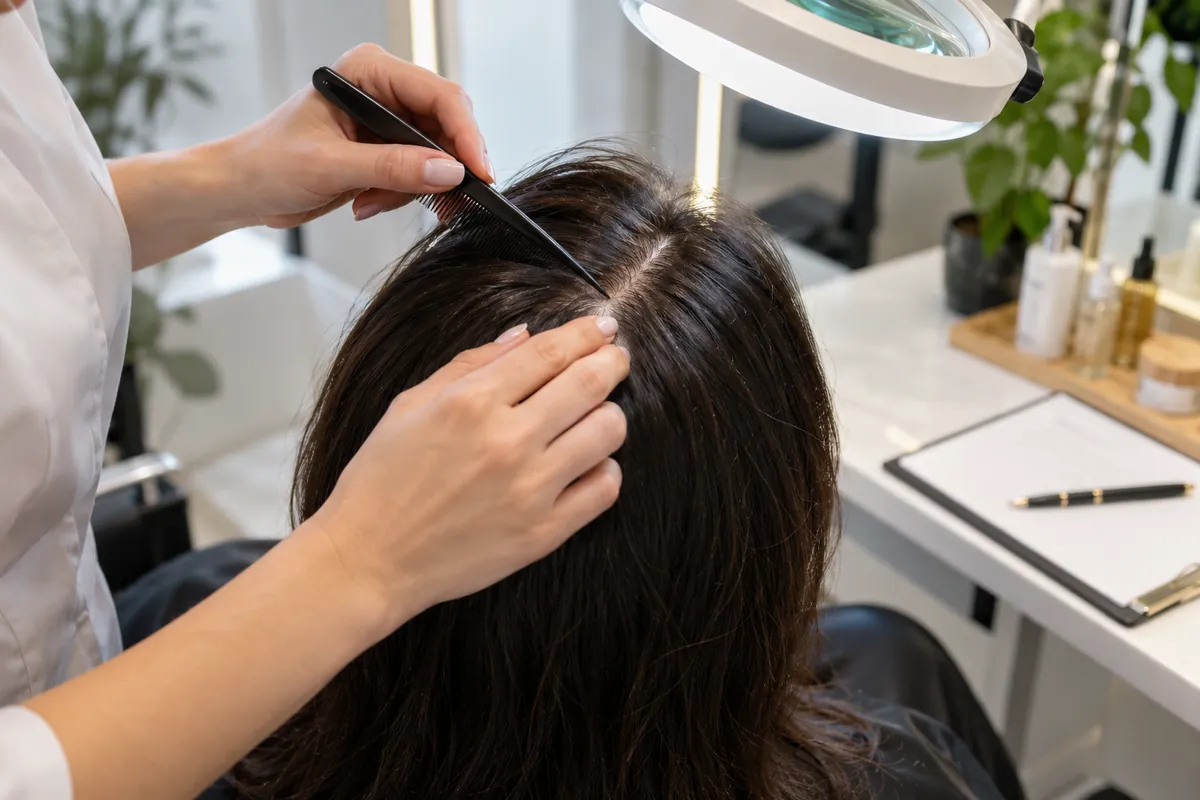
There are also specialized service niches that grow from the hair side of the license. Wig and hairpiece fitting for clients with medical hair loss is skilled and meaningful work, often done in private rooms with a gentle manner. Scalp-focused services have grown in popularity, within cosmetic limits: a cosmetologist can cleanse, massage, and treat the scalp cosmetically and must refer anything that looks like disease to a physician. Natural hair care, braiding, and locs are regulated very differently across states, some under cosmetology, some under a separate registration, and some not at all.
Services for older adults deserve a mention of their own. Senior living communities, nursing facilities, and hospitals often have a small salon on site or bring in a licensed stylist on set days. The work is mostly sets, cuts, and simple color, done at a gentle pace with clients who may have limited mobility or memory loss. It calls for patience, careful infection control, and comfort with medical surroundings. The schedules are usually daytime and weekday, and for many residents the weekly appointment matters a great deal. Facilities set their own contracting terms, and state rules on working in them vary.
Add-on specialties that expand what you offer
Additional training lets a cosmetologist offer services that school touched lightly or not at all. Which of these your license permits, and whether a separate certificate or license is required, depends on your state. Use the table as a starting list for your own research, and confirm each item with your board before paying for a class. A certificate from a training company shows you completed a course. It does not change what your state license permits.
| Specialty | What it usually takes | What to confirm with your state |
|---|---|---|
| Hair extensions | Method-specific classes and practice | Generally within cosmetology scope |
| Lash extensions and lash lifts | Dedicated training | Whether cosmetology covers it or a specialty license is needed |
| Advanced color and correction | Advanced classes and mentoring | Within scope |
| Smoothing and texture treatments | Product-specific training, ventilation knowledge | Any state rules on specific products |
| Advanced waxing and sugaring | Technique classes | Generally within scope as temporary hair removal |
| Chemical exfoliation and devices | Advanced skin education | Limits on strength, depth, and equipment |
| Permanent makeup and microblading | Separate training | Often regulated as tattooing by a different agency |
| Electrolysis | Separate program and exam in most states | Usually a separate electrologist license |
| Laser hair removal | Specific training | Varies widely, often requires medical oversight |
| Barbering and straight razor shaving | Crossover program in some states | Usually a barber license |
I added electrology to my own practice, and it changed my career. Electrolysis is the only method the FDA recognizes for permanent hair removal, clients commit to a series of visits, and relatively few professionals offer it. It requires its own training and, in most states, its own license, so it is not something a cosmetologist can simply begin offering. If you want to understand where the line falls, read can estheticians do electrolysis. The reasoning there applies to cosmetologists as well.
Choose add-ons by demand and by fit, not by trend. Look at what clients in your area ask for and cannot easily find. Consider what your hands and temperament suit: lash work demands stillness and fine vision, extensions demand stamina, color correction demands problem solving. And consider the economics: the cost of training and supplies, how long a service takes, and how often clients return. One well-chosen specialty usually does more for a career than five certificates on the wall.
What a cosmetology license does not allow
Knowing the limits protects your clients and your license. The exact wording varies, but the following are outside the cosmetology scope in most or all states, and I state them plainly because I have seen licensees drift across each of these lines. In nearly every case the person meant well and simply had not read the rule, which the board does not accept as an excuse.
- Diagnosing or treating disease. You may recognize that a scalp, skin, or nail condition looks abnormal and refer the client. You may not name a diagnosis or treat it.
- Medical procedures. Injections, prescription-strength treatments, and procedures that affect living tissue below the outer layer of the skin belong to medical professionals.
- Cutting living skin. This includes using blades on calluses in ways prohibited by state rule.
- Permanent hair removal by electrolysis without the electrologist license where one is required.
- Laser and light-based treatments unless your state specifically permits them for your license, often under supervision.
- Tattooing, permanent makeup, and microblading without the separate permit most states require.
- Straight razor shaving where it is reserved for barbers.
- Massage beyond the areas named in the cosmetology law, since body massage requires a massage therapy license.
- Working outside a licensed establishment unless your state allows it or you hold the right permit.
- Working on an expired license, or in a state where you are not licensed.
That last point deserves emphasis. A license is valid only in the state that issued it. If you move, you apply to the new state, which will review your training and exam history under its own rules. Some transfers are straightforward and some require extra steps. The process is explained in cosmetology license reciprocity by state. People trained outside the country face a separate evaluation, covered in the sibling guide foreign cosmetology license in the USA.
How to choose a direction
With this many options, new licensees sometimes freeze. A workable approach is to treat the first two years as exploration with a paycheck. Take a job that exposes you to many services and many clients. Notice which appointments you enjoy, which you dread, and which you are requested for. Notice what your body tolerates. Ask senior colleagues how they found their specialty. Most say it found them, through repetition and through clients who kept returning for one particular thing.
Then narrow with intent. Pick one area to deepen and take the best class you can afford in it. Build a simple portfolio of that work. Tell your clients what you are focusing on. As demand grows, adjust your service menu and prices. If you want to leave the chair eventually for teaching, brand work, or management, start gathering the experience those roles require, since most ask for a record of time behind the chair.
It is also normal to combine paths, and to change them. I know stylists who work three days in a salon and teach two, colorists who take bridal work in the summer, and educators who keep a handful of long-time clients. People leave to raise children and return part time. Others shift from hair toward skin or hair removal as their interests and their bodies change. As long as you keep the license renewed under your state's rules, it stays available to you, which is one of its real advantages over many other kinds of training.
Income differs across these paths in ways that depend on location, pay model, and how full your schedule is, so I will not put numbers on them. The factors that move earnings are discussed in how much cosmetologists earn. In my observation, the professionals who do best financially are rarely the ones who chose the path with the highest advertised pay. They chose work they could sustain for many years and became very good at it, and their clients stayed with them.
Your next step
If you are licensed already, look up your state's scope of practice and compare it with what you offer now, then choose one specialty to research this month. If you are still deciding whether to pursue the license, start with your state's requirements on the cosmetology licensing hub, and build your theory foundation with our online cosmetology theory course. The course covers theory for study and exam preparation. It does not replace the in-person training your state requires and it does not grant a license. With the license in hand, the range of work described here is open to you, and you can change direction more than once over a career.
State Requirements
State licensing guides
Hours, exams, fees, and the licensing board differ by state. Open your state for the current requirements.
Common Questions
FAQ
Common jobs include hairstylist, colorist, salon assistant, men's grooming stylist, spa service provider for basic facials and waxing, and nail service provider. With experience, people move into salon management, ownership, school instruction (usually with an instructor license), brand education, distributor sales, and freelance bridal, editorial, theater, or film styling. The services allowed under the license are defined by your state.
In most states, yes. Basic facials, temporary hair removal such as waxing and tweezing, and makeup application are generally part of the cosmetology scope. The training in school is brief compared with an esthetics program, so additional education is wise before making skin your main work. States also limit exfoliation strength and device use. See cosmetologist or esthetician: the difference.
It depends on the state. Some states include lash extensions within cosmetology or esthetics scope, some require a separate specialty license or certificate, and requirements change. Even where the license covers it, you need dedicated training before offering the service, because school rarely teaches it in depth. Check your state board's current position before you enroll in a lash class.
Sometimes. Many states require services to be performed in a licensed establishment and allow exceptions for special events, homebound clients, or holders of a mobile or home salon permit. A home salon usually needs its own establishment license and must meet local zoning rules. Read your state's rules or contact the board before advertising home or on-location services.
Usually not on the cosmetology license alone. Most states regulate microblading and permanent makeup as tattooing or body art, often through a health department, with separate training, permits, and facility requirements. A cosmetology background helps with brow design and client care, but you need to meet the body art rules in your state and county.
Not under the cosmetology license in most states. Electrolysis typically requires a separate electrologist license with its own training and exam. Laser hair removal rules vary widely and often involve medical supervision. Waxing, sugaring, and tweezing are the hair removal methods generally included in cosmetology. If permanent hair removal interests you, look at your state's electrology requirements.
In most states, yes. Teaching in a licensed school generally requires an instructor license, obtained through some combination of work experience, instructor training, and an exam. Teaching advanced classes to licensed professionals outside a school is usually less regulated. Details are in how to become a cosmetology instructor.
No. Each state issues its own license, and you may work only where you are licensed. When you move, you apply to the new state, which reviews your training, exam results, and work history under its own rules and may ask for additional steps. Plan ahead if you expect to relocate.
Keep Reading
Related Guides


