Cosmetology
Radiofrequency Skin Tightening: How RF Facials Work and Results
Quick answer
Radiofrequency skin tightening heats the dermis with radio wave energy so collagen fibers contract and new collagen forms over the following months. It gives mild to moderate improvement in firmness and fine lines, judged about two to three months after treatment. People with pacemakers or pregnancy should avoid it. Who may perform RF depends on the state and may require medical supervision.
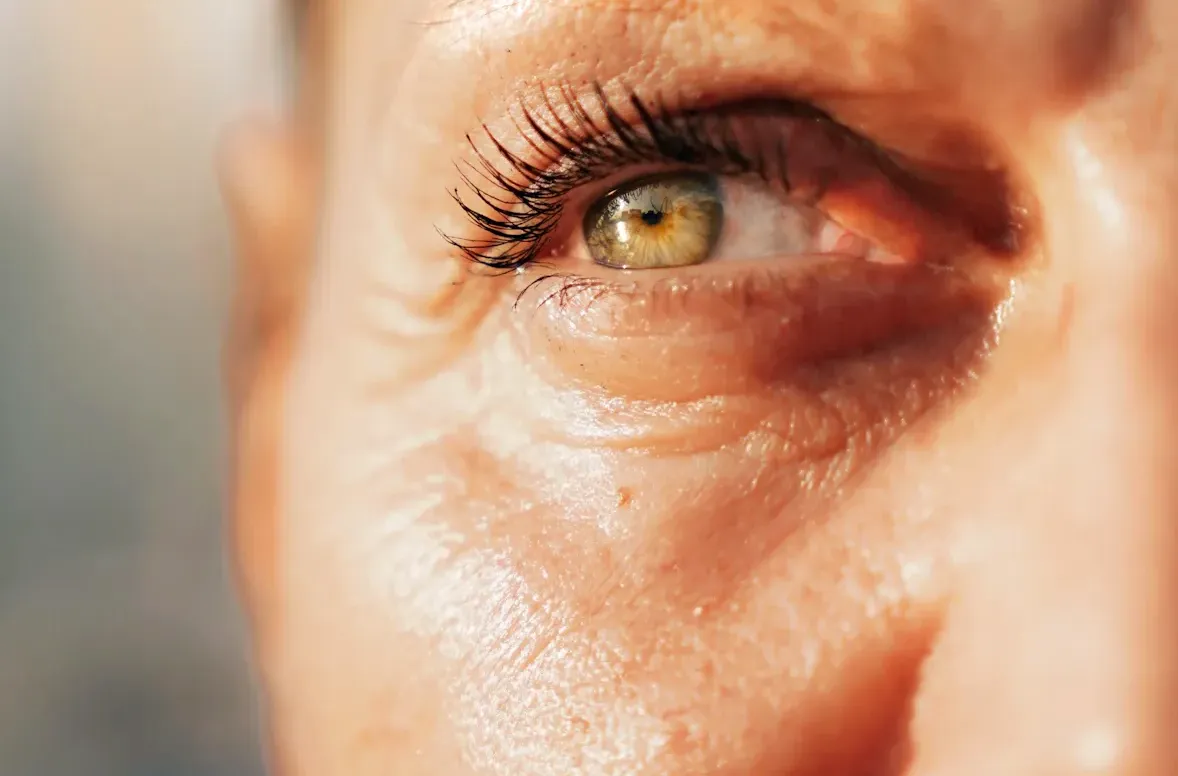
Radiofrequency skin tightening is a non-surgical treatment that uses radio wave energy to heat the deeper layer of the skin while keeping the surface comparatively cool. The heat makes existing collagen fibers contract a little and, more importantly, prompts the skin to produce new collagen over the following months. Clients usually book it as an RF facial for mild looseness along the jawline, soft lines around the eyes and mouth, or skin on the neck that has started to look thin. It does not cut, it does not inject anything, and with the classic non-invasive form there is little or no downtime.
I am Aida Khazieva, a licensed electrologist and cosmetologist with more than twenty years of work with electrical and energy-based equipment. In this guide I explain how radiofrequency works, the device types you will see on spa and clinic menus, what results are realistic, who should avoid it, and how home devices compare. I also spend time on a point that is often skipped: who is legally allowed to perform RF in the United States depends on the state and the device, and may require medical supervision. This is general education and not medical advice.
What radiofrequency skin tightening is
Radiofrequency, usually shortened to RF, is electromagnetic energy in the radio wave range. In an RF treatment, a handpiece with one or more electrodes delivers an alternating current into the skin. Tissue resists the flow of that current, and the resistance turns electrical energy into heat inside the tissue itself. This is the important difference from a laser or intense pulsed light, which rely on light being absorbed by pigment or water. RF heating does not depend on skin color in the same way, which is why non-invasive RF has traditionally been considered suitable for a wide range of skin tones.
The target is the dermis, the layer under the surface where collagen and elastin form the skin's support structure. With age, sun exposure and hormonal change, the dermis makes less collagen, the fibers that remain become disorganized, and skin loses firmness. Controlled heating of the dermis does two things. Some collagen fibers shorten right away, which is why skin can look slightly firmer just after a session. Then the mild thermal stress triggers a repair response in which fibroblasts lay down new collagen over weeks and months.
RF devices are medical devices under FDA rules, and manufacturers obtain clearance for specific uses, such as temporary improvement in the appearance of wrinkles. Clearance is not the same thing as proof of dramatic results, and it applies to a named device used as directed. An RF facial is also not a facelift. It works on skin quality and mild laxity. It does not remove excess skin, reposition deeper tissue or change the bone and fat changes that drive much of facial aging.
Types of RF devices: monopolar, bipolar and multipolar
Menus and advertisements use a lot of technical words, and most of them refer to how the electrodes are arranged. In a monopolar system, the handpiece holds one active electrode and a grounding pad is placed elsewhere on the body. Current travels from the handpiece through the tissue toward the pad, so the heating reaches deeper. Monopolar devices are generally the most powerful, are often performed in medical practices, and are the type most associated with single-session protocols.
In a bipolar system, two electrodes sit close together in the same handpiece and the current passes between them. The heating is shallower and more controlled, limited to a depth related to the distance between the electrodes. Multipolar devices, sometimes sold as tripolar or by the number of poles, use three or more electrodes and switch the current among them. The aim is more even heating at lower power. Many esthetic-grade RF facials use bipolar or multipolar handpieces and are delivered as a series of gentler sessions.
You will also see RF combined with other technologies in one platform: vacuum suction, pulsed magnetic fields, infrared light, ultrasound or microcurrent. Combination devices can be perfectly good, but more features do not automatically mean better results. What matters in practice is whether the device has FDA clearance for the use being offered, whether it controls and monitors skin temperature, and whether the person operating it has been trained on that specific machine.
RF microneedling and fractional RF: a different category
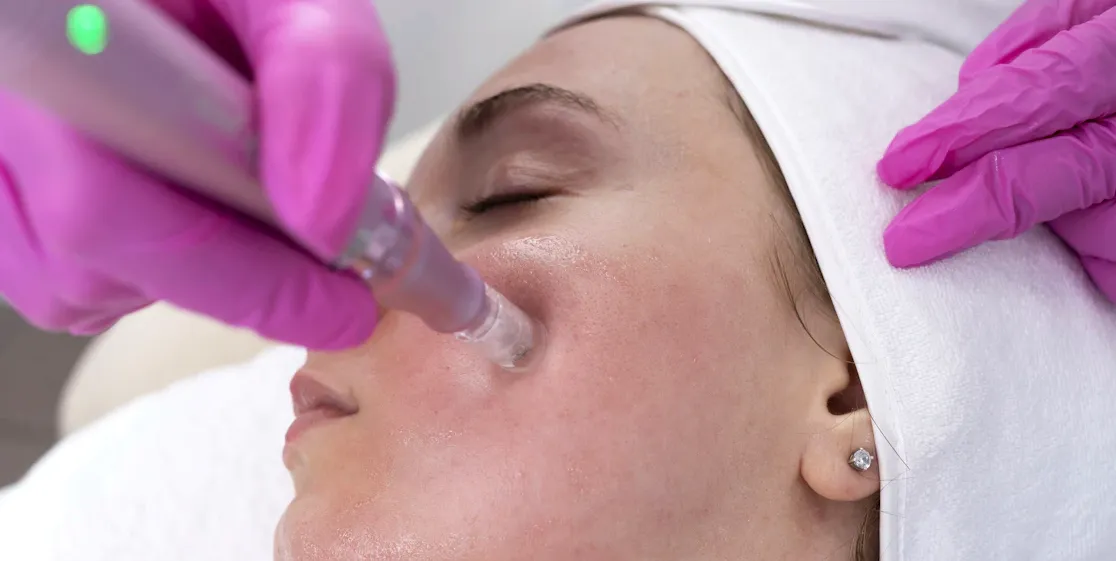
RF microneedling, also called fractional RF, is often listed next to the RF facial as if it were a stronger version of the same thing. It is a different procedure. The handpiece carries an array of fine needles that penetrate the skin and release RF energy from their tips at a chosen depth. This creates small zones of heat injury inside the dermis, with untreated skin between them. It is used for acne scars, texture, pores and laxity, and it involves numbing, pinpoint bleeding in some cases, redness and several days of recovery.
Because the needles break the skin and deliver energy below the surface, the risk profile is different as well. The FDA has issued a safety communication about reports of serious complications with radiofrequency microneedling, including burns, scarring, fat loss, disfigurement and nerve damage, and has reminded the public that these are medical procedures that should be performed by appropriately trained and licensed providers. If you are considering it, treat it as a medical treatment: ask who will perform it, what their license is, and what happens if there is a complication.
For estheticians, this distinction is essential. Many state boards place any device that penetrates the skin or affects tissue below the epidermis outside the esthetics scope, or allow it only under physician delegation in a medical practice. A weekend certificate from a device seller does not change what your license permits. The rest of this guide is mainly about non-invasive RF, the kind where a smooth handpiece glides over intact skin.
What radiofrequency can and cannot do
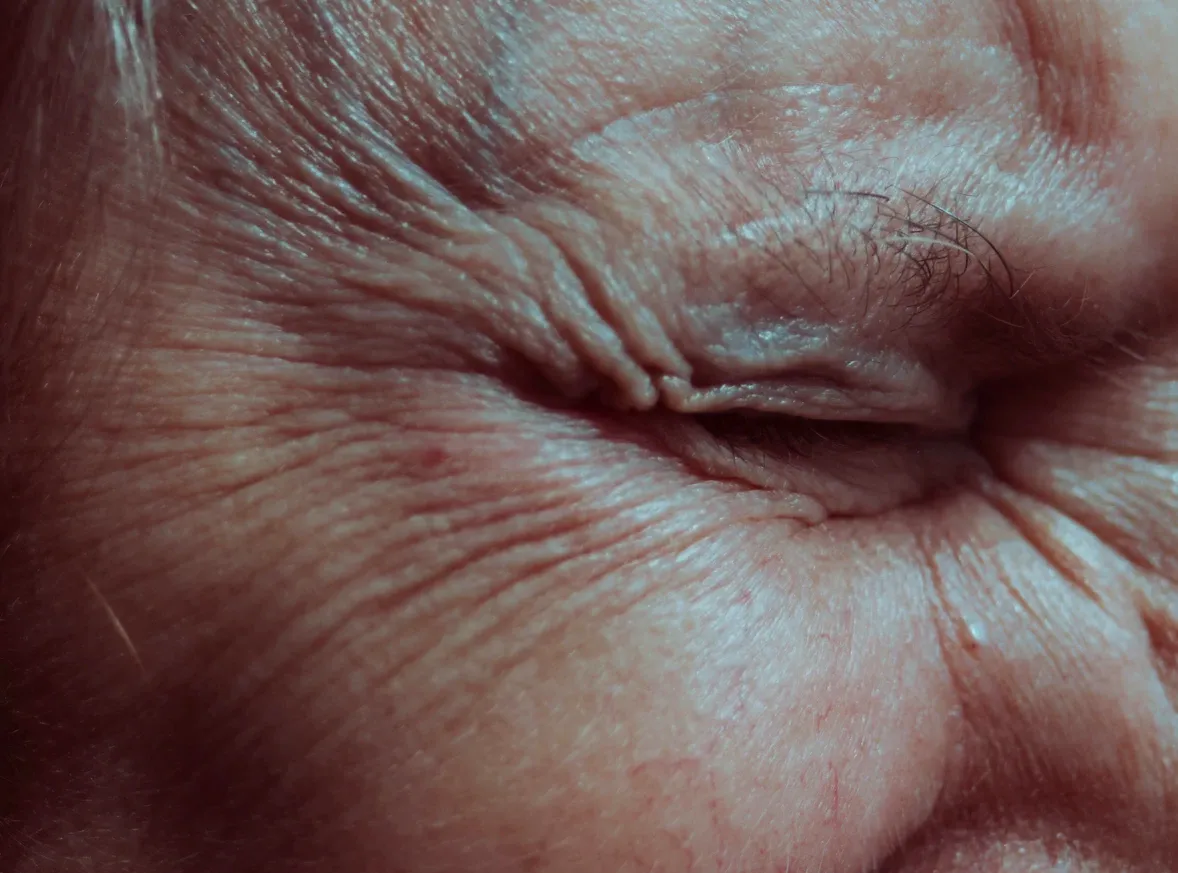
The changes clients notice most often after a well-performed series are a somewhat firmer feel to the skin, softer fine lines, a slightly cleaner jawline, and a smoother, more even surface. Skin often looks fresher directly after a session because of warmth, increased circulation and mild swelling, and that immediate glow fades within a day or so. The structural change comes later. Collagen remodeling is slow, so the real result tends to appear over the two to three months after treatment and continues to develop for some time.
The size of the change is modest. Published studies and clinical experience support mild to moderate improvement in laxity and wrinkles, with considerable variation between individuals. Some people respond visibly, some see a subtle difference, and a share of clients see very little. Age, sun damage, smoking, weight changes and general health all influence how well skin can produce new collagen. Anyone who shows you only dramatic before and after photos is not giving you the full picture.
RF does not remove pigment spots, visible capillaries or deep folds caused by volume loss. It does not lift heavy jowls or a hanging neck. It does not replace sunscreen, and without sun protection any collagen gained is quickly undermined. Results also do not last forever. Skin keeps aging, so maintenance sessions are part of the plan. I describe RF to clients as slowing the slope, not reversing it, and those who hear that at the start are usually satisfied at the end.
Who is a good candidate
The best candidates have mild to moderate laxity and skin that still has reasonable thickness and elasticity. Typical examples are a person in their late thirties to fifties who notices the jawline softening, a client whose cheeks look less firm after weight loss, or someone bothered by crepey texture under the eyes or on the neck. People who want prevention and maintenance, and who accept gradual change, tend to be the happiest with it.
Skin tone is less of a limiting factor with non-invasive RF than with many lasers, because the energy is not aimed at pigment. That said, any heat can trigger post-inflammatory darkening in skin that is prone to it, so settings and technique still matter on deeper skin tones, and RF microneedling deserves particular caution. A good practitioner asks about your history of dark marks after pimples or injuries before choosing a plan.
Poor candidates include people with pronounced sagging who would be better served by a surgical consultation, people expecting a one-time permanent fix, and people who cannot commit to a series or to daily sun protection. Very thin, fragile skin responds less, and heavily sun-damaged skin has less capacity to rebuild. If the main concern is volume loss, dynamic lines from muscle movement, or pigment, a dermatologist can explain options that address those directly.
Who should not have RF
Radiofrequency is an electrical current that produces heat, and the contraindications follow from that. Manufacturers publish a list for each device, and a responsible provider goes through it on an intake form before the first session. The following are the standard reasons to decline or to require a physician's clearance first.
- A pacemaker, implanted defibrillator or any other implanted electronic device.
- Metal implants, plates, screws or wires in or near the treatment area. Dental implants and braces need to be discussed with the provider.
- Pregnancy. The treatment has not been studied in pregnancy and is avoided as a precaution.
- Active cancer or current cancer treatment, unless the oncology team approves.
- Active skin infection, cold sores, open wounds, sunburn, or a flare of eczema, psoriasis or rosacea on the area.
- Recent injectable fillers or neuromodulators in the area, until the injector says it is safe.
- Recent surgery, deep peel or laser resurfacing on the area.
- Use of oral isotretinoin now or recently, until the prescribing physician clears it.
- Conditions that impair healing or sensation, such as poorly controlled diabetes or reduced ability to feel heat.
- Autoimmune or connective tissue disease, bleeding disorders, or a tendency to keloid scarring, without medical clearance.
Fillers are the question I am asked most. Heating tissue that contains a dermal filler raises concerns about changing how the product behaves, and the answer depends on the product, where it sits and how long ago it was placed. That decision belongs to the injector, who knows those details. The same applies to threads and to any recent cosmetic surgery. Bring the dates and product names to your consultation instead of guessing.
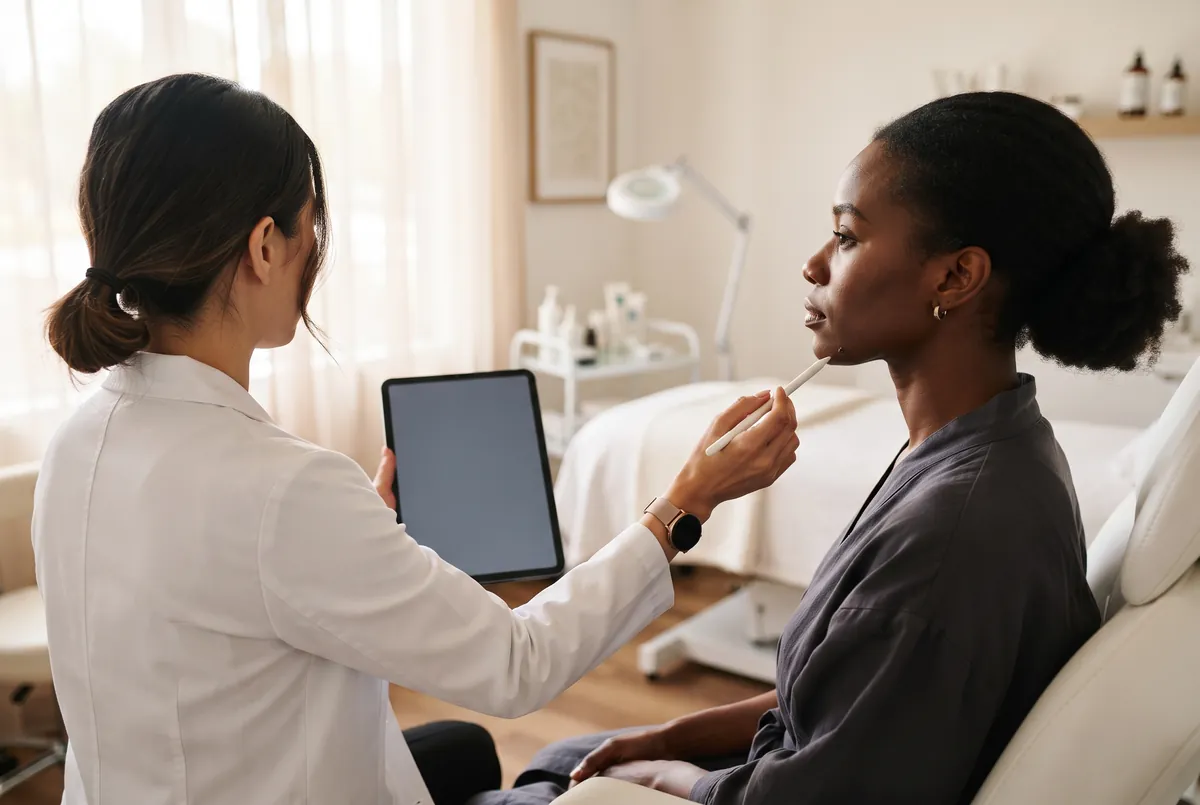
Who can legally perform RF in the United States
There is no single national rule. Each state decides what licensed estheticians and cosmetologists may do, and RF sits in a gray zone that states resolve differently. Some boards allow estheticians to use certain low-energy, non-invasive devices. Some restrict any device that heats tissue below the epidermis to medical practices. Some require physician delegation and on-site or available supervision. A few have an advanced or master esthetician license with a wider device scope. The class of the device and its labeling also matter, since some RF systems are sold only to licensed medical professionals.
What this means for a client is simple: ask. Ask what license the person treating you holds, whether a physician or other medical professional oversees the practice, and whether the device is FDA cleared for the treatment offered. A legitimate provider answers without hesitation. You can also verify a license on your state board's website. The esthetics licensing hub and the cosmetology licensing hub on this site point to each state's board and summarize how the professions are regulated.
For professionals, the rule is to check the board before buying equipment. I have met estheticians who financed an expensive platform on a sales representative's word and then learned that their state did not permit them to operate it independently. The term medical esthetician describes a work setting more than a separate license in most states, and I explain how delegation works in the guide to what a medical esthetician is. RF microneedling, as noted above, is a medical procedure and is treated as one by regulators.
What happens during an RF facial
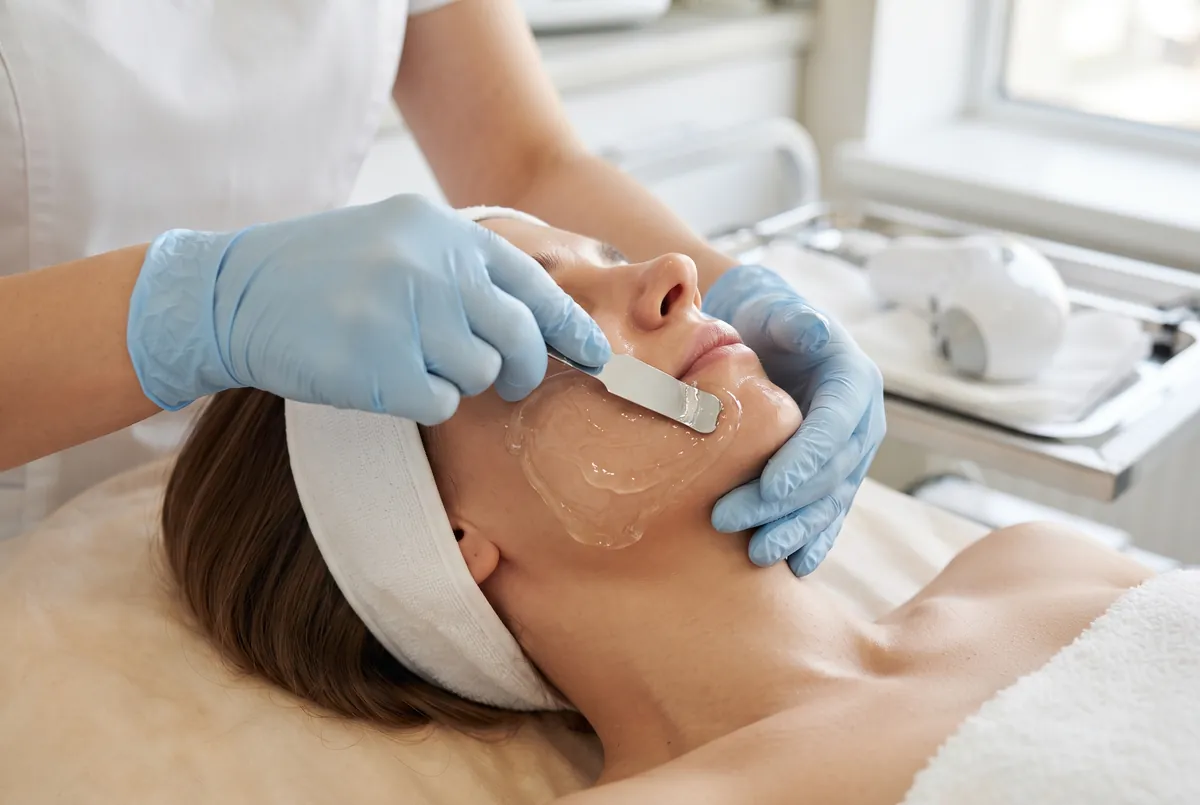
A professional session starts with a consultation and a look at the skin under good light. The practitioner reviews the intake form, takes photos for comparison, and removes makeup and sunscreen. Jewelry near the area comes off. For monopolar devices a grounding pad is placed on the body. A conductive gel, glycerin or a manufacturer's coupling product is spread on the skin so the handpiece glides and the energy passes evenly.
The practitioner then works in zones, moving the handpiece continuously in slow circles or strokes. With most esthetic RF devices the goal is to bring the skin to a target temperature and hold it there for a set time, so the handpiece keeps moving and never rests in one spot. Many devices display the temperature at the surface, and some practitioners check with a separate infrared thermometer. Each zone, such as one cheek, the jawline or the forehead, is treated in turn. A full face and neck usually takes under an hour.
Afterward the gel is removed, a calming product and sunscreen are applied, and you can return to normal activity. The skin is typically pink and warm for a short while, somewhat like after a brisk walk in cold air. Single-session medical RF systems work at higher energy with built-in cooling, feel more intense, and follow their own protocol. Your provider should explain which kind you are getting and why.
What it feels like, and why your feedback matters
A non-invasive RF facial should feel like deep, pleasant warmth, similar to a hot stone massage that builds gradually. It should never feel like burning, stinging or a sharp hot spot. Bony areas such as the forehead, temples and jawline feel hotter than the cheeks because there is less soft tissue to spread the heat. Higher-energy medical systems can produce brief, intense heat with each pulse, and practices that use them explain how they manage comfort.
Your sensation is a safety system. The practitioner relies on you to say when an area is getting too hot, and you should speak up immediately instead of trying to be a good patient. This is one reason I am wary of numbing the skin before non-invasive RF: a client who cannot feel heat cannot warn of a burn. If a provider proposes a topical anesthetic for a procedure, that is a decision involving a drug and should be made under medical direction, with the product label followed exactly.
Burns from RF are uncommon and almost always trace back to the same causes: the handpiece stopped moving, there was too little gel, the electrode was tilted so only an edge touched the skin, the energy was too high for the area, or the client was not giving feedback. All of these are operator issues. They are also the reason training on the specific device matters more than the brand name on the machine.
How many sessions, how often, and how long results last
The answer depends on the type of device. Gentler bipolar and multipolar systems are delivered as a series, commonly with sessions spaced a week or more apart, followed by occasional maintenance. Higher-energy monopolar systems are often designed as a single treatment repeated after a long interval. The manufacturer's protocol is the starting point, and the practitioner adjusts it to your skin and your response. I avoid quoting fixed numbers because they differ so much between machines.
Timing your expectations is as important as counting sessions. The early glow is not the result. Because new collagen forms slowly, the fair moment to judge is two to three months after the series, using photos taken in the same light and position as the first day. I schedule that review in advance. If the photos show a change, a maintenance plan makes sense. If they show nothing after a properly performed series, more of the same is unlikely to help, and I say so.
How long results last varies with age, sun exposure, lifestyle and genetics. The new collagen is your own tissue and ages like the rest of your skin. Many people return for maintenance once or a few times a year. Daily broad-spectrum sunscreen, not smoking, and a steady home routine with a moisturizer and, if your skin tolerates it and your dermatologist agrees, a retinoid, do more to preserve the outcome than extra sessions.
Aftercare and side effects
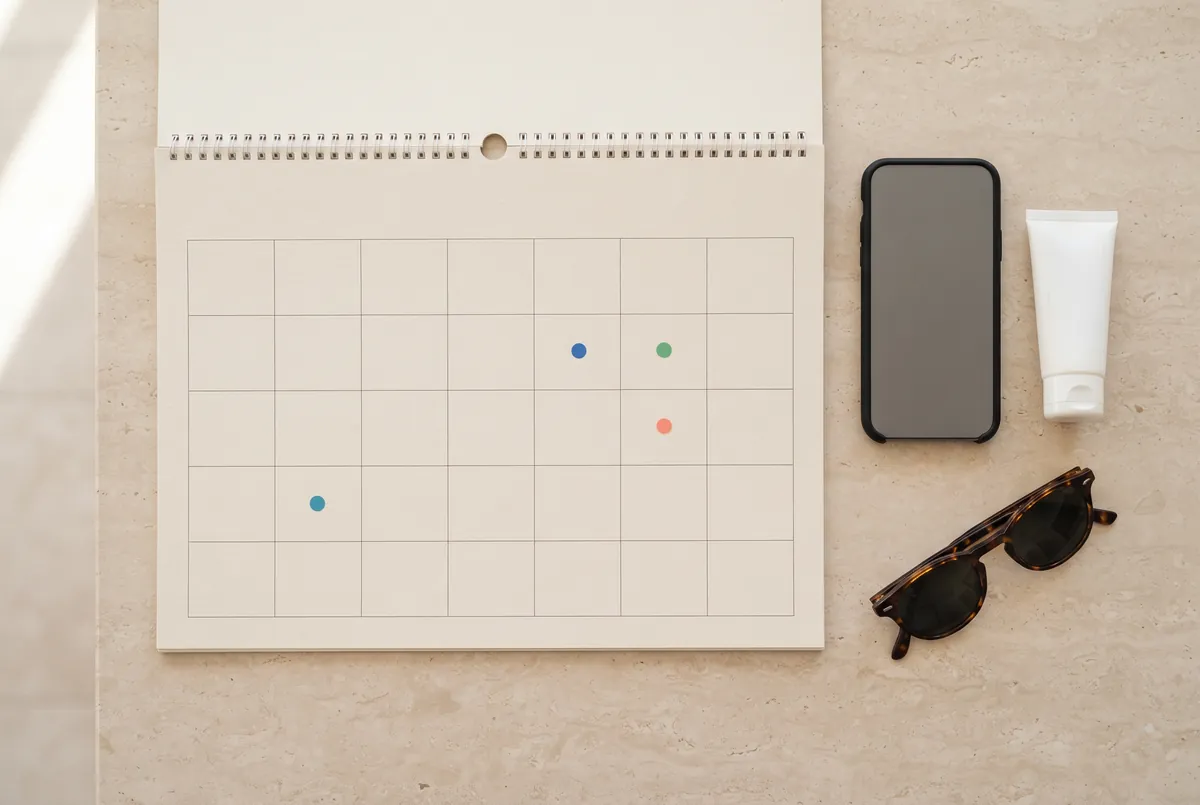
Aftercare for non-invasive RF is light. For the rest of the day, skip hot showers, saunas, steam rooms and hard workouts, because the skin has already been heated. Use a gentle cleanser and a plain moisturizer. Avoid scrubs, acids and retinoids on the treated area for a few days, or for as long as your provider advises. Apply broad-spectrum sunscreen every morning. Drink water. Makeup is usually fine the same day unless you were told otherwise.
Normal reactions are redness, warmth and slight swelling that settle within hours, sometimes by the next day. Mild tenderness can occur over bony areas. Less common effects include bruising, a temporary bumpy texture, and dryness. Burns, blisters, crusting, lasting dark or light patches, and small depressions from fat loss under the skin are rare with non-invasive devices and are more associated with high energy and with RF microneedling. Any of those needs prompt attention.
Call the provider if redness or swelling is getting worse after a day, if a blister or scab forms, if an area stays painful, or if you see a change in skin color that does not fade. See a physician or dermatologist promptly for signs of infection, significant burns, or any numbness or weakness in the face. Take photos of the reaction when it appears, since they help whoever examines you later.
RF compared with microcurrent, ultrasound, lasers and peels
Clients often confuse RF with microcurrent because both are electrical and both are sold for lifting. They work differently. Microcurrent uses a very low current that produces no heat and is aimed at facial muscle tone and a temporary rested look. RF heats the dermis to stimulate collagen. The two are sometimes combined in a plan, and my microcurrent facial guide explains what to expect from that treatment on its own.
Focused ultrasound tightening targets deeper layers than most RF and is a medical procedure with its own discomfort and risk profile. Lasers and intense pulsed light work on pigment, vessels and surface texture, and are chosen for different problems, with more attention to skin tone. Chemical peels resurface from the outside in and help with dullness, uneven tone and fine surface lines. The guide to types of chemical peels explains how depth determines what a peel can do.
These tools can complement one another, but combining them needs spacing and judgment. Heating skin that has just been peeled, or peeling skin that has just been heated, invites irritation and pigment problems. A sensible provider builds a calendar instead of stacking services in one visit. If you are unsure which problem you are really trying to solve, a board-certified dermatologist can sort laxity from volume loss, pigment and muscle lines in one appointment.
RF for the body
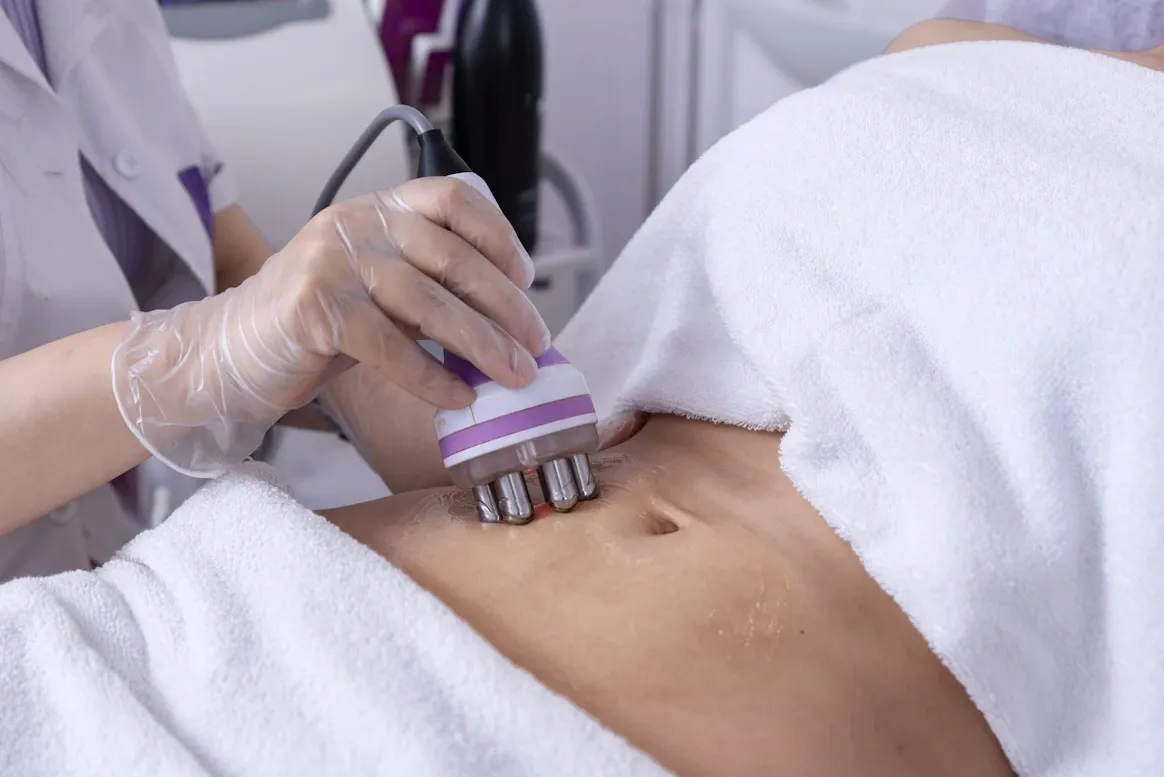
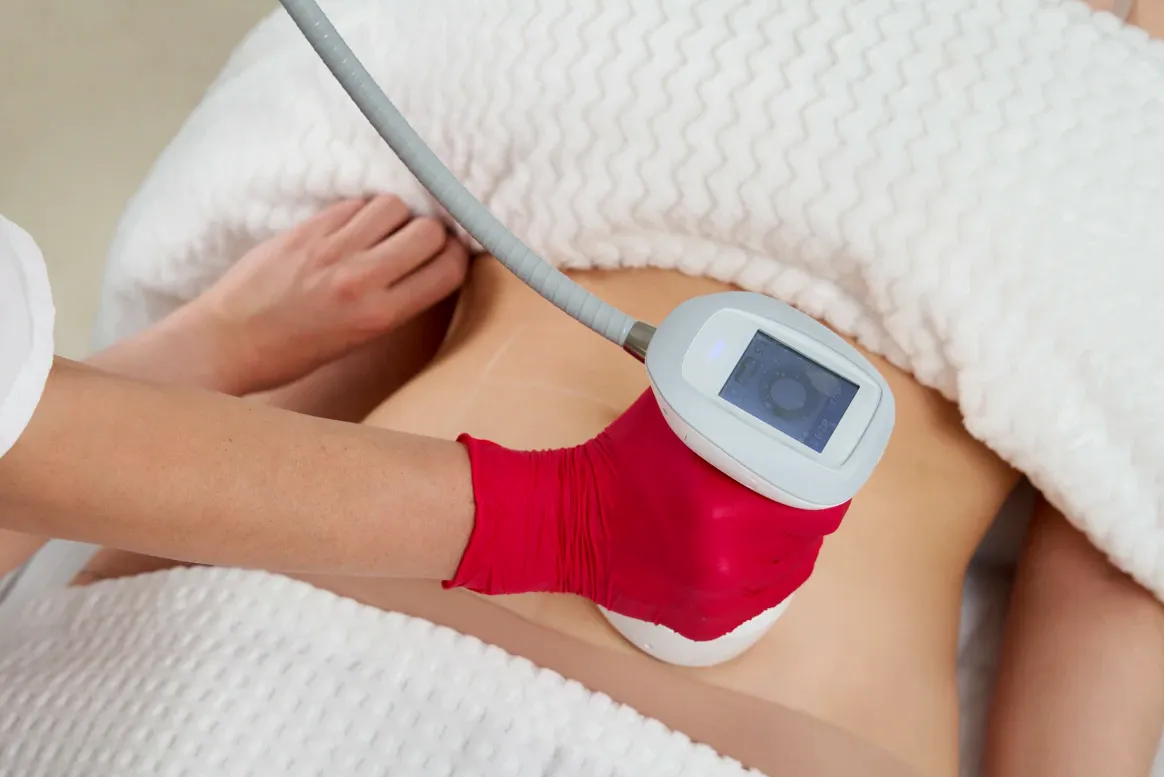
The same principle is used on the abdomen, arms, thighs and knees, usually with larger handpieces and sometimes with vacuum or massage rollers. Clients ask for it after weight loss or pregnancy, when skin has lost some snap, and for the appearance of cellulite. The honest expectation is a temporary improvement in skin texture and mild firmness. It is not a weight loss treatment, it does not remove fat in any meaningful way with typical esthetic devices, and it does not repair separated abdominal muscles or stretched skin that needs surgical removal.
Body sessions take longer because the areas are larger, and they follow the same safety rules: constant movement, enough coupling gel, temperature monitoring, and client feedback. The abdomen should not be treated during pregnancy, and after childbirth or surgery the timing is a question for your physician. Scope of practice rules apply to body devices exactly as they do to facial ones, so the same questions about licensing and supervision are worth asking.
At-home RF devices
Home RF devices are low-power versions built so that a consumer cannot easily overheat the skin. Lower power means a smaller effect and a need for frequent, consistent use over months. Some users see a mild improvement in texture and firmness, many see little, and almost nobody gets what a professional series delivers. If you buy one, choose a device from an established manufacturer that states its FDA clearance, and be skeptical of unbranded marketplace devices with no documentation.
Use it exactly as the manual says: on clean skin, with the specified gel, for the specified time per zone, and no more often than directed. Keep it moving. Do not use it over the thyroid area, the eyelids or broken skin unless the manual explicitly allows that. The contraindications for professional RF apply at home too, including implanted electronic devices, pregnancy and metal in the area. People with fillers should ask their injector before using any heating device over the treated zones.
The most common home mistakes are impatience and overuse. Doubling the time or using the device every day when the manual says a few times a week does not speed up collagen production. It dries and irritates the skin. The second mistake is abandoning sunscreen and expecting the device to compensate. A consistent routine of sun protection and moisturizer, with the device as an extra, is the realistic way to use one.
Common myths about RF skin tightening
The first myth is that RF "melts" facial fat and hollows the face. Non-invasive esthetic RF used correctly heats the dermis, and facial fat loss is not an expected outcome. Reports of fat loss are linked mainly to high energy delivered at depth, including with RF microneedling, which is one reason that procedure belongs in trained medical hands. If you have a lean face and worry about volume, say so at the consultation, and the provider can choose settings and areas with that in mind or advise against treatment.
The second myth is that hotter and more frequent is better. Collagen remodeling needs a controlled stimulus followed by time. Pushing the temperature beyond the protocol raises the burn risk without a matching gain, and booking sessions closer together than the manufacturer recommends does not hurry the biology. The third myth is that RF thins the skin over the years. The intended effect is the opposite, a denser dermis, and I am not aware of good evidence that properly performed non-invasive RF thins skin.
The fourth myth is that results are permanent, and the fifth is that RF is only for older clients. New collagen ages along with the rest of the skin, so maintenance is part of any honest plan. As for age, people in their thirties sometimes use RF for early changes, but nobody needs it preventively in their twenties, and a provider who pushes a long package on a young client with firm skin is selling, not advising.
How to choose a provider, and a note for students
Look for a provider who asks more questions than they answer in the first ten minutes. They should take a medical history, examine your skin, explain which device they use and why, state plainly what it can and cannot do for your face, and tell you who supervises the practice. They should take baseline photos and offer a review point. Be cautious of large prepaid packages sold on the first visit, of guaranteed results, and of anyone who cannot tell you their license type. My guide on how to choose a cosmetologist lists more checks that apply here.
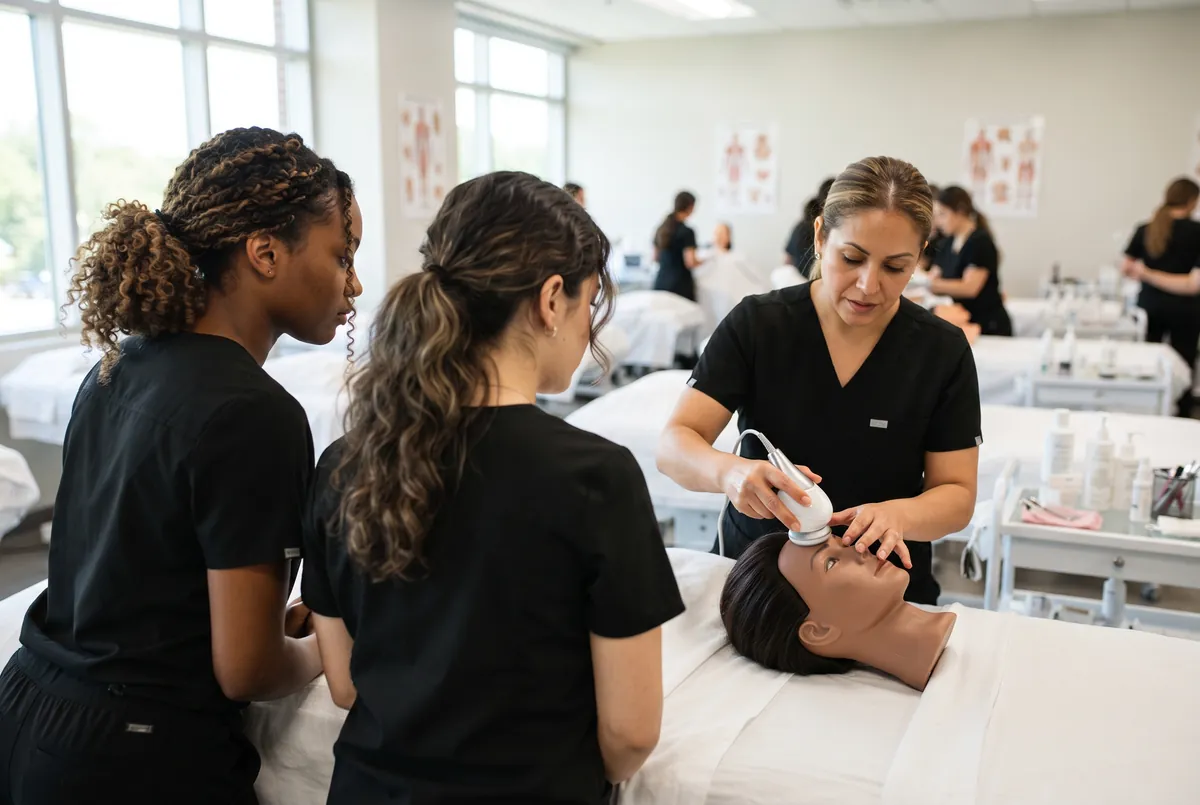
If you are an esthetics student or a new licensee interested in devices, start with the foundation: skin anatomy, wound healing, the Fitzpatrick scale, electricity basics and contraindications. The esthetics course on this site covers that theory. Online study supports your training, and it never replaces the in-person hours and exams your state requires or the hands-on device training a manufacturer and employer must provide. Before you invest in any RF platform, get your state board's position in writing and read what an esthetician does for a realistic view of scope.
Your next step
If you are considering radiofrequency skin tightening as a client, decide first what bothers you: texture and mild looseness, or true sagging. For the first, book consultations with one or two licensed providers, ask the questions in this guide, and plan to judge the outcome with photos a few months after the series. For the second, start with a dermatologist or plastic surgeon so that you are comparing realistic options. In either case, daily sunscreen is the part of the plan you can begin today.
If you are a professional, confirm your state's rules on RF devices before anything else, then seek training on the specific machine and work under the supervision your state requires. Clients trust the practitioner who tells them what a treatment will not do. That honesty, combined with careful technique, is what builds a device practice that lasts.
State Requirements
State licensing guides
Hours, exams, fees, and the licensing board differ by state. Open your state for the current requirements.
Common Questions
FAQ
It can produce mild to moderate improvement in skin firmness, fine lines and texture by heating the dermis and stimulating new collagen. The change is gradual, appears over the two to three months after treatment, and varies a lot between people. It works best for early to moderate laxity. It does not remove excess skin or replace surgery for significant sagging.
It depends on the device. Gentler bipolar and multipolar systems are given as a series of sessions followed by maintenance, while some higher-energy monopolar systems are designed as a single treatment repeated after a long interval. Your provider should follow the manufacturer's protocol and adjust it to your response. For how professional treatments fit into a regular schedule, see how often you should get a facial.
A non-invasive RF facial should feel like deep, comfortable warmth. It can feel hotter over the forehead and jawline, and you should tell the practitioner right away if any spot feels too hot, because your feedback prevents burns. Higher-energy medical devices and RF microneedling are more intense, and the practices that offer them explain how they manage comfort.
That depends on the state and the device. Some state boards allow estheticians to use certain non-invasive devices, others restrict tissue-heating devices to medical practices or require physician supervision, and RF microneedling is treated as a medical procedure. Check your state board through the esthetics licensing hub, and as a client, ask any provider what license they hold and who supervises the practice.
Non-invasive RF heats tissue through electrical resistance and is not aimed at pigment, so it has traditionally been considered suitable across skin tones. Any heat can still trigger post-inflammatory darkening in skin that is prone to it, so conservative settings and an experienced operator matter. RF microneedling calls for more caution. Tell your provider if you tend to develop dark marks after pimples or injuries.
Ask your injector before booking. Heating tissue that contains a dermal filler raises questions that depend on the product, its location and how long ago it was placed, and neuromodulators have their own recommended waiting period after injection. Bring the product names and dates to your RF consultation. A careful provider will not treat over recent injectables without that information.
Radiofrequency produces heat in the dermis to stimulate collagen and is aimed at skin firmness and texture. Microcurrent uses a very low current with no heat and is aimed at facial muscle tone and a temporary lifted look. They are different tools for different goals and are sometimes combined. The microcurrent facial guide covers that treatment in detail.
Home devices are much lower in power than professional equipment, so any effect is smaller and requires consistent use over months. Some people notice mild improvement in texture and firmness, and many notice little. Choose a device from an established manufacturer that states its FDA clearance, follow the manual exactly, and do not use it if you have an implanted electronic device, are pregnant, or have metal in the area.
Keep Reading
Related Guides


