Career
What Is a Medical Esthetician? Duties, Settings, and How to Become One
Quick answer
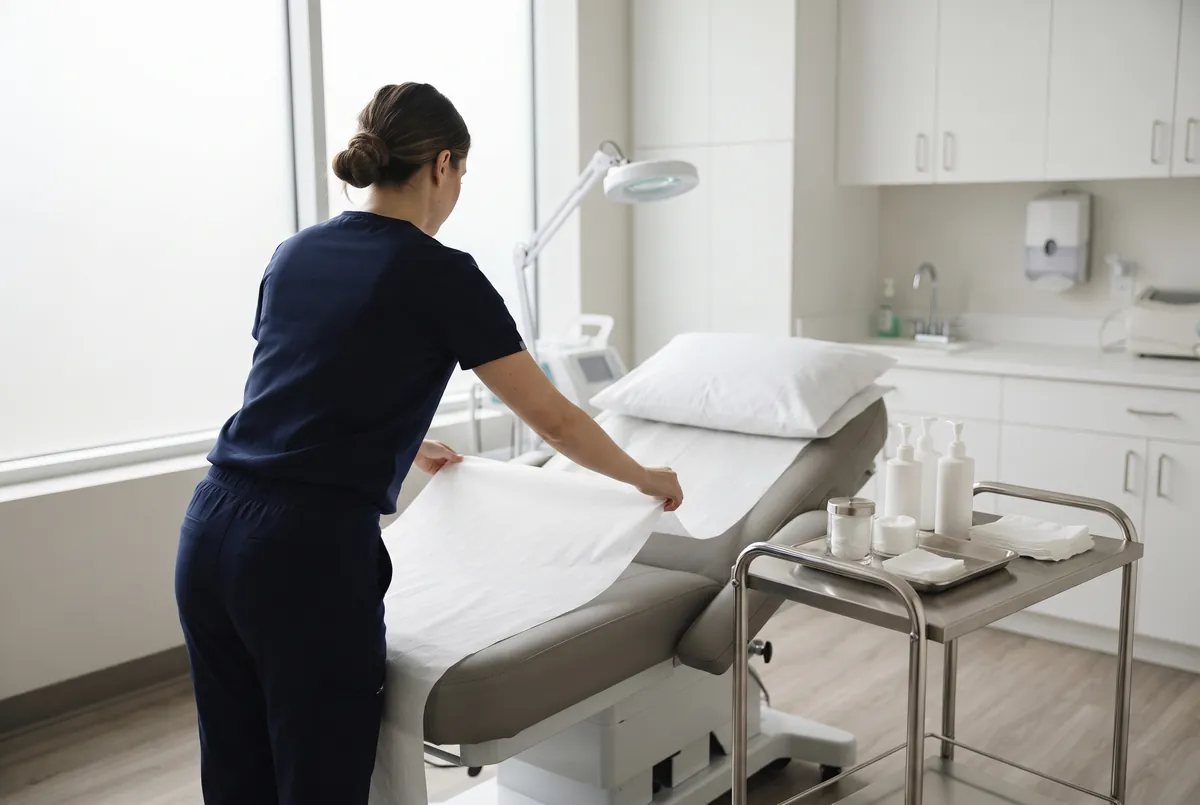
A medical esthetician is usually a licensed esthetician who works inside a medical practice under a physician or other licensed provider, focusing on clinical skin care. In most states there is no separate medical esthetician license, and the role does not include diagnosing, prescribing, or injecting. The path starts with a state esthetics license, then clinical experience and training your state allows.
"Medical esthetician" is one of the most searched job titles in skin care, and one of the most misunderstood. Students ask me about it before they have finished their first term of esthetics school, and clients sometimes assume it means a nurse or a doctor's assistant. In most of the United States it is neither. The term usually describes a licensed esthetician who works inside a medical practice, under the direction of a physician or another licensed medical provider, and whose daily work leans toward clinical skin care rather than relaxation services. The license in that person's wallet is typically the same esthetics license a day spa esthetician holds. What changes is the setting, the patients, the protocols and the level of supervision.
This guide explains what the title really covers, where the limits sit, what the work looks like in dermatology, plastic surgery and medspa settings, and how to build a path toward it without paying for training that does not move you forward. It assumes you already know the basic route to an esthetics license. If you do not, start with our step by step guide on how to become a licensed esthetician, then come back here. I will point you to state resources rather than print numbers, because training hours, device rules and supervision requirements differ from state to state, and they do get revised.
What the Title Actually Means
In most states there is no license printed with the words "medical esthetician." The state board of cosmetology, or whichever agency regulates esthetics where you live, issues an esthetician license, sometimes called an esthetics or aesthetics license, and in some states a cosmetology license also covers esthetics services. "Medical esthetician" is a job title layered on top of that credential. You will also see "clinical esthetician," "paramedical esthetician" and "medical aesthetician" used for the same idea. Employers use the title to signal that the role sits inside a medical practice, that the patient mix includes people before and after procedures, and that the esthetician follows written protocols set by the supervising provider.
The distinction matters for two practical reasons. First, a job title cannot expand what your license allows. If a procedure is outside esthetics scope in your state, calling yourself medical does not bring it inside. Second, some boards pay close attention to titles that could lead the public to believe a person holds a medical credential. If you ever leave a medical practice and open your own studio, check with your board before keeping the word "medical" on your website, business cards or social profiles. Plain, accurate language protects you: "licensed esthetician, formerly in a dermatology practice" says a lot and implies nothing you cannot back up.
Where the word "medical" does earn its place is in the kind of work and the knowledge behind it. A medical esthetician is expected to understand how common skin conditions look and behave, how prescription skin care and in-office procedures change the skin's tolerance, and when to stop and bring the provider in. That knowledge is built through experience and additional education after licensure, not through a separate state exam in most places. It is also why employers value calm judgment as much as technique when they hire for these roles.
Where a Master or Advanced License Exists
Some states go further and create a higher tier of esthetics license, often called a master or advanced esthetician license. Where that tier exists, it usually requires more training than the basic license and may open specific services the basic license does not cover, frequently the use of certain devices. Our state pages show two different versions of this idea. Washington's esthetics licensing page describes a separate master esthetician license connected to the use of certain prescriptive devices under physician authorization, on top of the standard esthetician license. The Utah esthetics licensing page describes a master esthetics license that is currently the state's dedicated esthetics license, so there it is the standard route rather than an optional upgrade.
The lesson from those two examples is that the word "master" does not mean the same thing across state lines. In one state it is an advanced credential that expands scope, in another it is simply the name of the license everyone needs, and in many states there is no such tier at all. If a school advertises a "master" or "medical" esthetics program, ask exactly which license it prepares you for in your state and whether the extra hours count toward anything the board recognizes. Our esthetics licensing by state hub is the place to check what your own state offers before you commit to a longer or more expensive track.
What a Medical Esthetician Does Day to Day
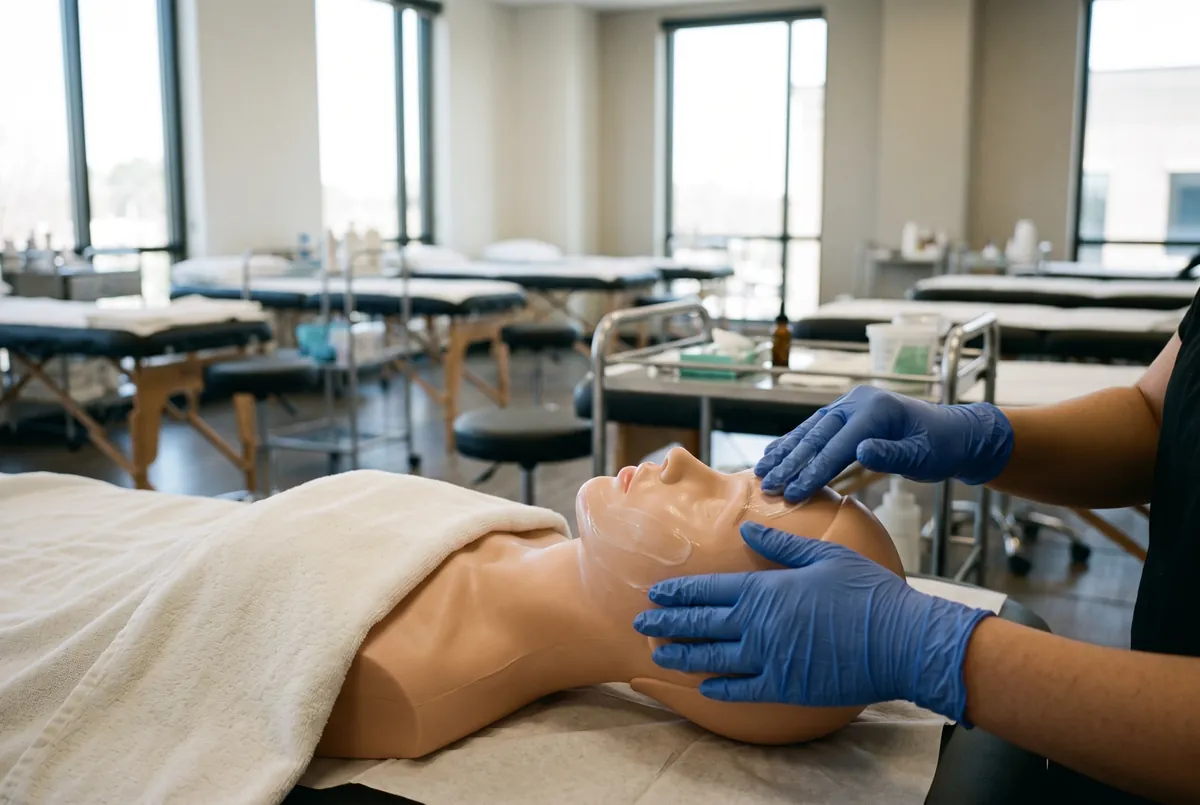
The daily work depends heavily on the practice, but most roles share a core. A large part of it is preparing skin before procedures and caring for it afterward. That can mean a cleansing and prep routine before a provider performs a treatment, gentle calming care in the days after a peel or a device session, and teaching the patient how to protect healing skin at home. Another large part is running treatment series under a protocol: a sequence of superficial peels for acne or uneven pigment, for example, with the provider setting the plan and the esthetician carrying out the visits and reporting how the skin responds.
- Pre-procedure skin preparation and post-procedure care routines written by the supervising provider
- Treatment series such as superficial chemical peels, microdermabrasion and acne-focused facials within your license scope
- Home care education, including sun protection and how to use products the provider has recommended or prescribed
- Standardized before and after photography for the patient chart
- Charting every visit in the practice's electronic records system
- Corrective or camouflage makeup instruction after procedures, where the practice offers it
- Retail consultations for the practice's professional skin care line
- Flagging anything unusual in the skin to the provider instead of treating it
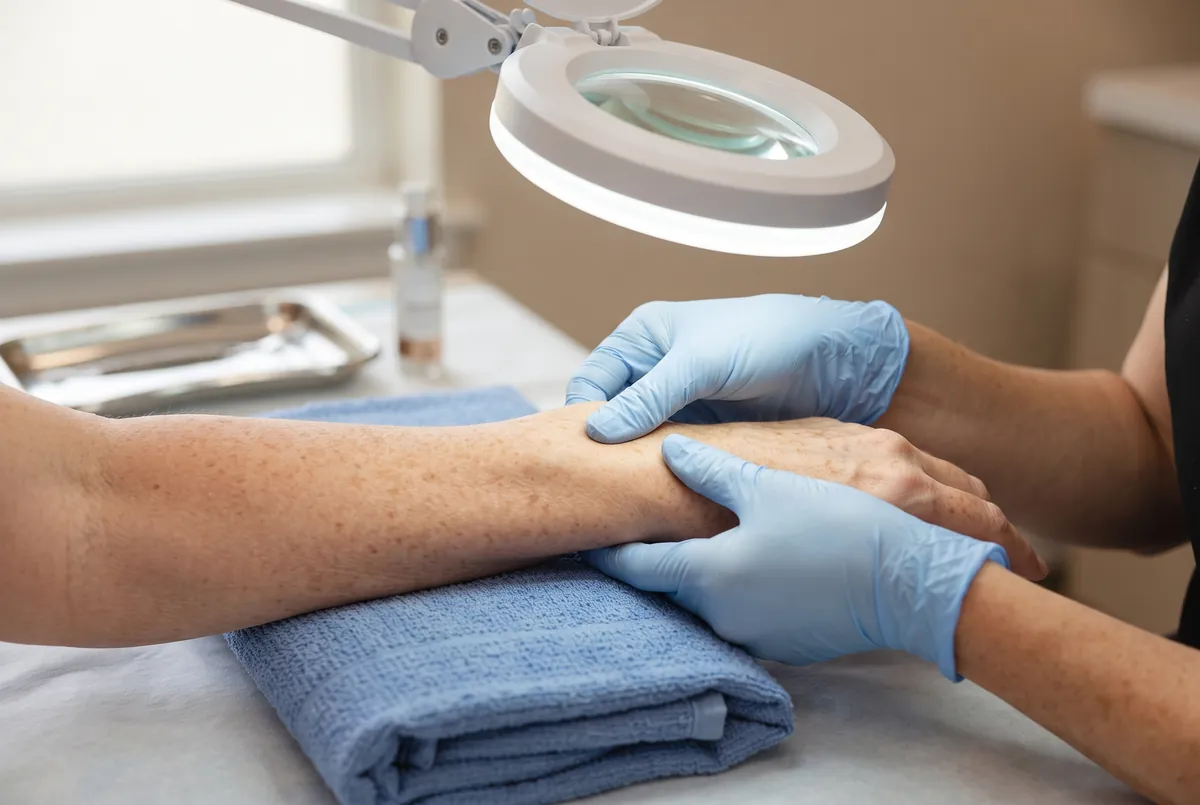
Documentation surprises people coming from spa work. In a medical office, if it was not charted, it did not happen. You record the products used, the timing, the skin's response and what you told the patient, in language another clinician can read and act on. Many practices also want a note on which products the patient says they use at home. Photography works the same way: consistent lighting, angles and distance, so the provider can compare visits honestly. These habits feel slow at first, but they are what make a practice trust you with more responsibility. They also protect you, because a clear chart shows that you followed the protocol if a patient later has a reaction.
Patient mix is the other big difference. In a spa, most clients come to relax or to maintain healthy skin. In a medical setting you will see people managing acne under a dermatologist's care, patients preparing for or recovering from surgery, people with pigment concerns that need careful sun and product discipline, and sometimes patients going through cancer treatment who want gentle comfort care with their oncology team's approval. Each group needs a different tone and a different level of caution. The work is less about a signature facial and more about doing the right thing for that specific person on that specific day.
Where the Line Is: Scope and Limits
The most important thing a medical esthetician learns is where the line sits. In general, an esthetician does not diagnose skin disease, does not prescribe, does not inject anything, and does not perform procedures that the state defines as the practice of medicine. Across most states, esthetics scope is built around the outer layer of the skin, so procedures intended to reach deeper tissue usually belong to licensed medical providers. Microneedling, stronger chemical peels and certain energy-based treatments sit in a gray zone that each state resolves differently, which is exactly why you check before you accept a role that includes them.
Lasers and intense pulsed light deserve their own warning. Who may operate these devices is set by state law, and sometimes by the medical board rather than the cosmetology board. Some states allow trained estheticians to perform certain laser or light treatments under physician supervision or delegation, some limit them to licensed medical professionals, and some attach the permission to a specific license tier. A certificate from a laser course does not by itself authorize you to fire a laser on a patient. Before you train for or accept a job that includes device work, ask the employer which state rule allows it for your license, and confirm the answer with your board.
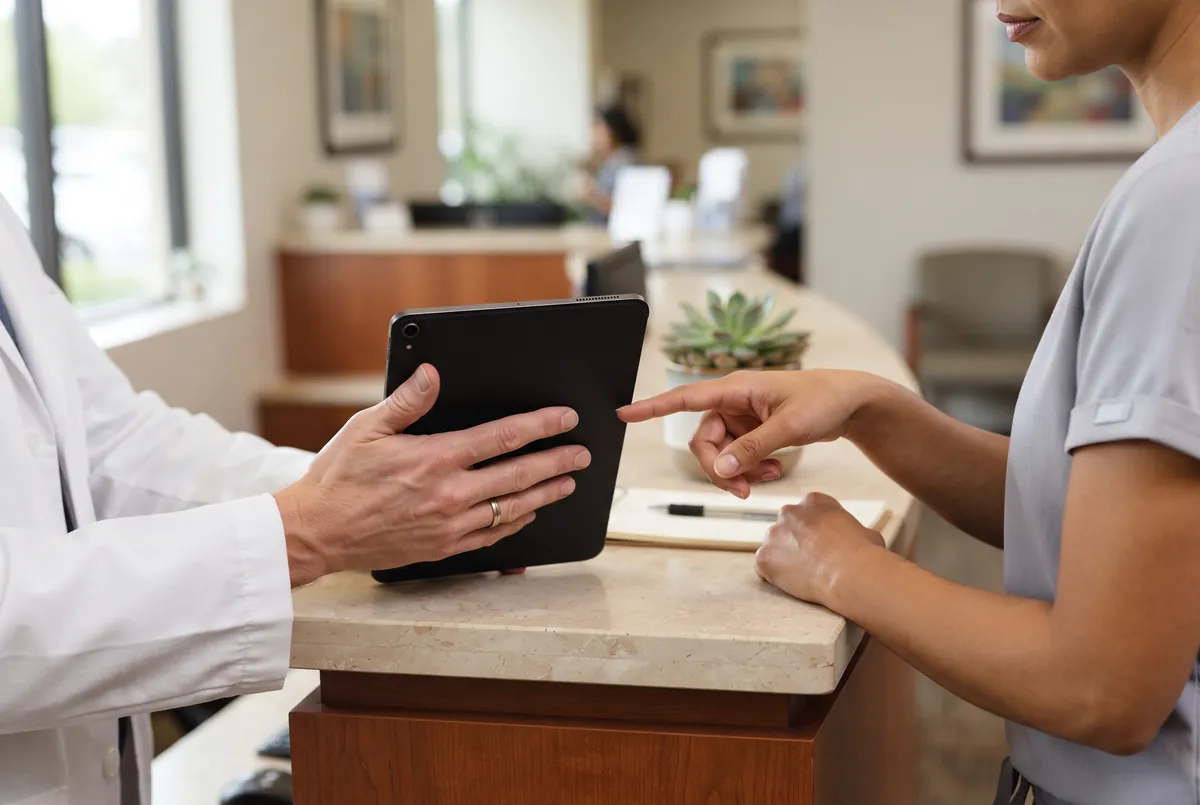
Supervision also has layers. A practice may have a supervising physician who is on site every day, or one who reviews charts and protocols from elsewhere, depending on the state and the business model. Ask who your supervising provider is, how you reach them during a treatment, and what the written protocol says you should do if a patient reacts badly. A well-run practice will answer those questions easily. If a manager tells you not to worry about the rules because everyone does it, treat that as a reason to keep looking. Your license is the one at risk, not the manager's.
It also helps to know what to say in the moment when a request falls outside your scope. The professional response is short and calm: explain that the treatment is not something your license covers, offer what you can do, and pass the request to the provider. Patients rarely mind hearing that you follow the rules. What damages trust is an esthetician who agrees to everything and then has to take it back, or who quietly tries something the practice never approved.
Dermatology, Plastic Surgery and Medspa Settings
The three most common homes for a medical esthetician feel quite different once you are inside them. The table below is a general comparison built from how these settings usually operate. Individual practices vary a great deal, so use it to shape the questions you ask at interviews rather than as a promise about what any single office will be like. The last column is the one I would print out and bring with you.
| Setting | Typical patients | Esthetician's usual focus | What to ask before accepting |
|---|---|---|---|
| Dermatology practice | Acne, rosacea, pigment concerns, patients using prescription topicals | Treatment series, pre and post care, home care education | Which concerns you will treat and which go straight to the dermatologist |
| Plastic surgery practice | Surgical patients before and after procedures, anti-aging clients | Skin preparation, post-procedure skin care, camouflage makeup, maintenance treatments | How post-surgical care is divided between nurses and estheticians |
| Medical spa | Aesthetic clients seeking peels, device treatments and maintenance | Facials, peels, device treatments where state law allows, retail | Who the medical director is, how often they are on site, which devices you would run |
| Other medical settings | Patients in cancer care or other specialty clinics | Comfort care, gentle facials, product guidance with medical clearance | What training and clearance process the practice requires |
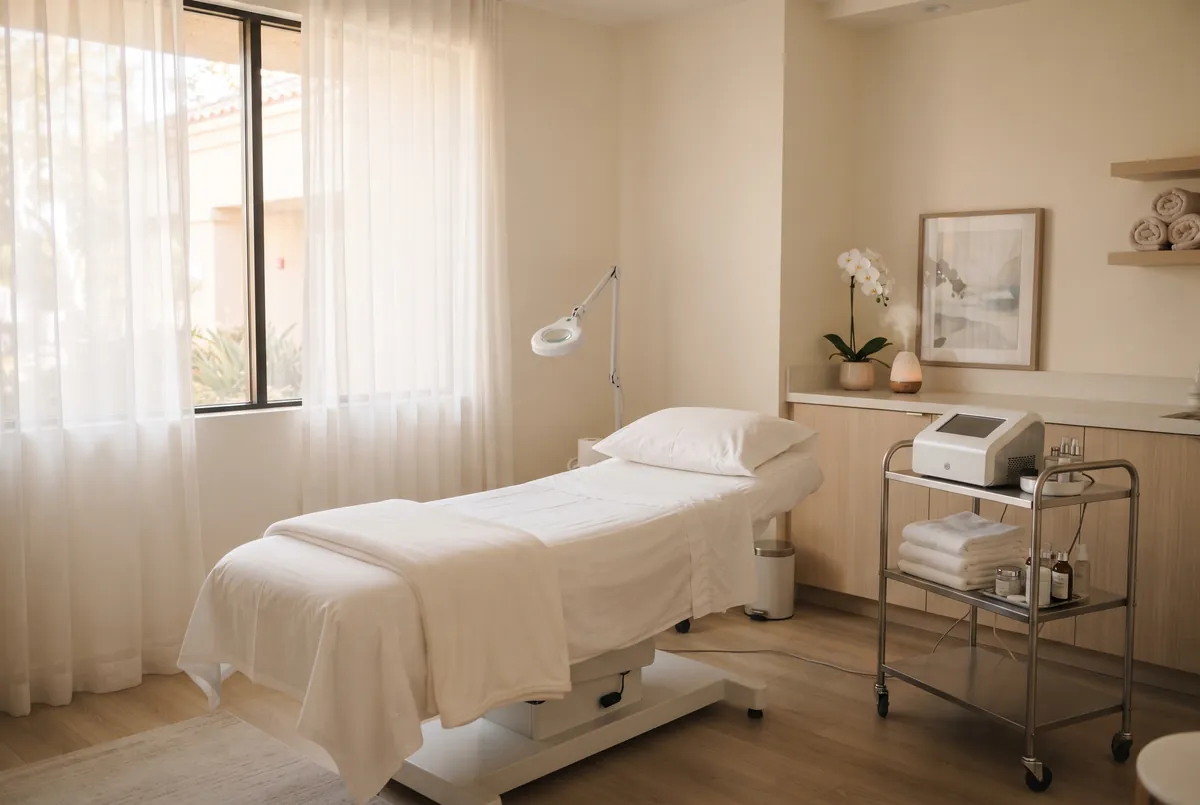
A dermatology practice is usually the most clinical. The dermatologist diagnoses and treats disease, and the esthetician supports the cosmetic and maintenance side: acne extraction and peel series, care for skin that is dry and irritated from prescription retinoids, and teaching patients routines they can actually follow. The pace can be fast, and you will learn a great deal simply by listening to how the providers explain conditions to patients. You will also have less freedom to improvise, because the dermatologist's plan leads everything.
A plastic surgery practice centers on procedures. Estheticians there often help prepare skin before surgery, support recovery afterward with gentle care the surgeon has approved, and keep patients on a maintenance plan between procedures. You may teach patients how to cover bruising or redness while they heal. Emotional skill matters here: people recovering from surgery can be anxious about how they look, and your calm explanation of normal healing, within what the surgeon has already told them, is part of the service.
Medspas are the most varied. Some are physician-owned clinics with a strong medical culture; others are retail-driven businesses where the medical director is rarely seen. The work can be busy, especially where device treatments and memberships are part of the model, but the variation is exactly why you interview carefully. Ask for the written protocols, ask who performs which procedures, and ask how new staff are trained on devices. A medspa that answers vaguely is telling you something important about how it handles risk.
How to Become a Medical Esthetician
There is no single official route, but the path most people follow has a clear order, and trying to jump straight to the last steps rarely saves time. Employers hiring for medical roles look for a solid esthetics foundation first, then evidence that you can work carefully inside a clinical team. The general sequence below is the one I describe to students who tell me they want to end up in a dermatology office or a medspa.
- Check your state first: which esthetics license it issues, whether a master or advanced tier exists, and what the rules say about devices.
- Complete a state-approved esthetics program with the in-person hours your state requires.
- Pass your state exams and receive your license. Nothing in medical esthetics can start before this.
- Build core skills on real skin, either directly in a medical practice or first in a spa or skincare studio.
- Add targeted training that matches the setting you want, and only in areas your state allows your license to use.
- Learn how medical offices run: charting, patient privacy, infection control and working under written protocols.
- Apply strategically, with a resume that shows clinical habits and not only a list of facials.
The training and exam steps are covered in depth in our licensing guide linked above, so I will not repeat them here, and the same advice about checking your state board first applies. What I will add is a note on online learning, because it comes up in almost every conversation I have with future estheticians. A good online course can build the theory side, including skin anatomy and physiology, common conditions, ingredients, sanitation and contraindications, and that knowledge matters even more in a medical role. It cannot replace the supervised in-person hours your state requires, and it does not create a license. Our online esthetics course is designed as that theory foundation, to study before or alongside in-person training, never as a shortcut around it.
If you are still deciding between esthetics and a broader license, keep in mind that some medical practices hire cosmetologists for skin roles in states where cosmetology includes esthetics services, but many practices prefer a dedicated esthetics license because the training goes deeper on skin. If medical skin care is the clear goal, the esthetics route is usually the more direct one. If you want hair and nails in your career as well, the broader license may still make sense, and you can specialize later. Whichever license you choose, pick a school whose graduates pass the state exams and that gives you plenty of supervised practice on real clients, because clinical employers notice the difference in the first week. Ask to see the student clinic floor before you enroll.

Extra Training and Certifications Worth Considering
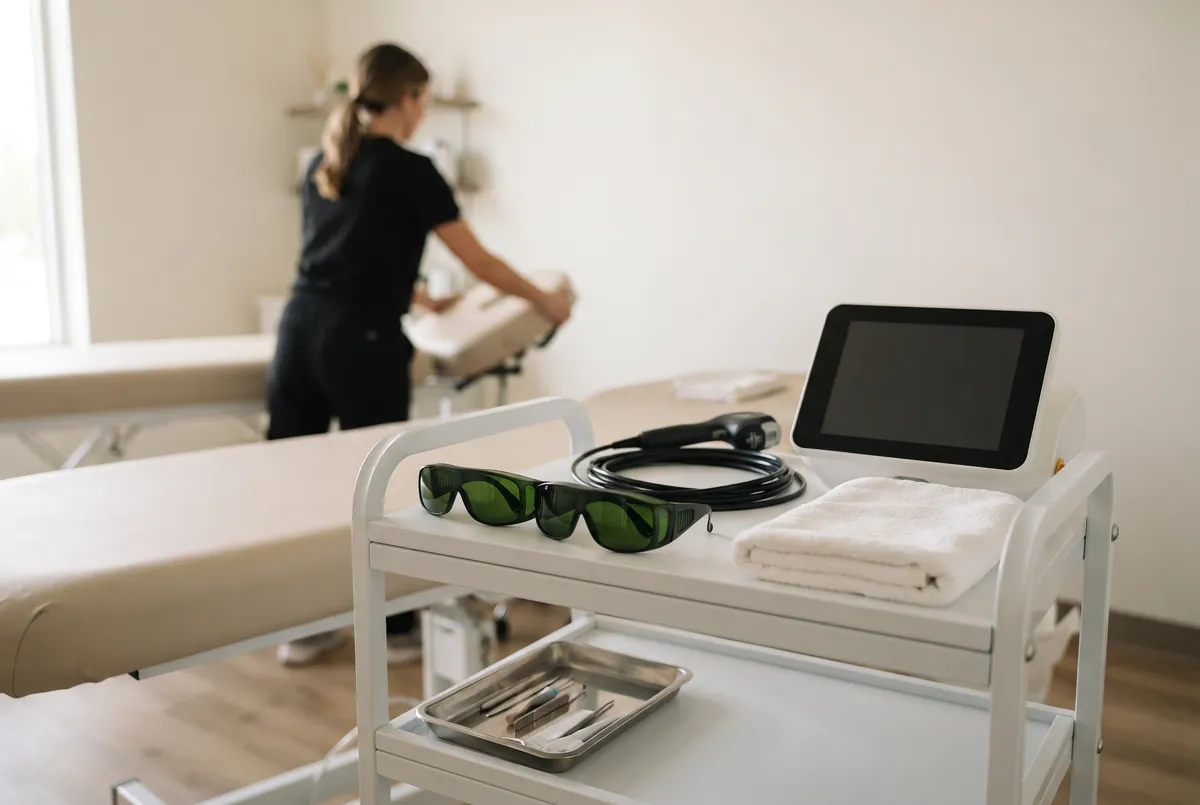
After licensure, most medical estheticians keep adding education. The market is full of certificates, and not all of them are worth the money. The useful ones fall into a few groups. Advanced chemical peel training teaches you to assess skin more carefully, choose products within the strengths your license allows, and manage reactions. Device training, often from the manufacturer or the employer, teaches safe operation of specific equipment, which only matters if your state lets your license use that equipment. Laser and light safety courses cover eye protection, skin typing and burn prevention, and they are valuable even if your role is limited to assisting.
Other training fits specific settings. Oncology esthetics courses teach how to work safely with patients in cancer treatment, always with the medical team's approval. Lymphatic drainage techniques show up in some plastic surgery practices, though whether an esthetician may perform them for post-surgical patients depends on state rules and the surgeon's protocol. Corrective and camouflage makeup training is useful in surgical and dermatology offices. Employers also commonly require workplace safety training, such as bloodborne pathogens training under OSHA rules, and training on patient privacy rules such as HIPAA. Some also ask for CPR certification before your first day.
Before paying for any certificate, check three things. First, that it teaches something you are legally allowed to do in your state with your license. Second, that it includes supervised hands-on practice and not only lectures or videos. Third, that employers in the setting you want actually value it, which you can learn by asking a practice manager or an experienced medical esthetician directly. A certificate that fails the first test is just an expensive piece of paper, and one marketed as making you "certified" to perform procedures outside your scope tells you something about the company selling it.
One adjacent skill deserves a mention because it is my own field. Dermatology and medical practices regularly see patients with unwanted hair that laser does not treat well, such as light, gray or red hair, or hair growth linked to hormonal conditions. Electrolysis is the only method the FDA accepts for permanent hair removal claims, and in many states it is licensed separately from esthetics, with its own training and exam. For an esthetician who wants a distinct specialty alongside medical skin care, our electrolysis course builds the theory side of that path while you look into your state's electrology requirements.
Skills That Matter More Than Certificates
The medical estheticians who get trusted with more responsibility are rarely the ones with the most certificates. They are the ones who follow protocols exactly, write clean charts, notice small changes in the skin and say something, and speak to patients in a calm, accurate way. Hiring managers in medical offices tend to test for these habits in interviews, asking how you would handle a reaction, a patient who wants a stronger peel than the plan allows, or a question you cannot answer. The best answer to the last one is simple: you do not guess, you ask the provider.
Medication awareness is another skill that separates clinical work from spa work. Many patients in a medical practice use prescription retinoids, oral acne medications, blood thinners or other drugs that change how skin tolerates exfoliation, waxing or heat. You do not decide on your own whether a medication rules out a treatment. Your job is to take a thorough intake, update it at every visit, and make sure the provider knows before you start. A patient who started or stopped a medication since the last appointment is exactly the kind of detail that prevents injuries when someone catches it.
Finally, there is teamwork. You will work alongside physicians, nurses, physician assistants, medical assistants and front desk staff, each with their own scope. Knowing who does what, and handing off cleanly with a clear verbal summary and a complete chart note, keeps patients safe and makes your own days easier. Estheticians who try to act as the nurse, or who treat medical staff as rivals, struggle in these settings. Those who respect the structure usually find it gives them room to grow, because providers delegate more to people they trust to stay inside the lines.
Communication with worried patients is a skill of its own. A patient a few days after a procedure may be frightened by swelling or redness the provider fully expected. Your role is not to diagnose or promise outcomes, but you can repeat what the provider already explained, stay calm, document what you see, and make sure the provider hears about it the same day if anything looks different from the expected course. Patients remember who took them seriously, and they come back to the practice because of it.
You will also handle intake and consent paperwork, which in a medical practice is a legal record, not a formality. Read it with the patient, make sure every question is answered, and never start a treatment when a form is incomplete or the patient seems unsure about what is being done. Slowing down for a minute there is part of the job, even on a packed schedule, and it is one of the habits supervising providers notice first.
Pros and Cons Compared With Spa Work
Medical esthetics is not automatically a step up from spa work. It is a different kind of job, and people who thrive in one can be unhappy in the other. On the positive side, a medical setting brings a steady stream of patients referred by the providers, so you spend less energy finding clients. You learn constantly, because you see conditions and results you would rarely see in a spa. The work is results-driven, which is satisfying if you like tracking progress over a series. Medical employers may also offer more structured schedules and employee benefits, although that varies by practice and is worth asking about directly.
The trade-offs are real. There is much less creative freedom, since the protocol decides the products, the steps and the timing. The atmosphere is clinical rather than restful, and some estheticians miss the relaxation side of the craft. Documentation takes time, and some practices set retail targets that can feel at odds with clinical care. Pay structures vary widely, from hourly to commission-based models, so a medical title does not guarantee higher income. The emotional load can be heavier, especially with surgical or oncology patients. And much of what you learn is tied to one practice's protocols and devices, so it does not always carry over if you later go independent.
Spa and studio work, by contrast, gives you more control over your menu, your atmosphere and eventually your own business. You can still do serious corrective work there within your scope, and many of the most skilled estheticians I know built their reputations in independent studios. Plenty of people move back and forth over a career, or open a private practice after years in a medical office. There is no wrong answer, only a better fit for your temperament and your goals at a given stage of life.
Is Medical Esthetics the Right Fit for You
Medical esthetics tends to suit people who like structure, enjoy learning the science of skin, are comfortable with rules and documentation, and find satisfaction in steady improvement rather than instant transformation. It suits people who can stay calm when a patient is upset and who are happy to be one part of a team rather than the person in charge of everything. It is a harder fit for someone who wants full creative control, loves the spa atmosphere, or plans to run their own studio soon after school.
The best way to find out is to see the work before you invest in more training. Ask a local dermatology practice or medspa if you could observe for a day, or request a short informational conversation with the practice manager or lead esthetician. Ask what a typical day looks like, what they wish new hires knew, and what training they provide themselves. Many practices train their own estheticians on their devices and protocols, which is useful to know before you spend money on outside courses that would only duplicate that training.
Landing Your First Role in a Medical Practice
When you apply for medical roles, your resume should read like a clinician's, not a spa menu. List your license and state, the treatments you perform confidently, any device or peel training with the provider's name and dates, and experience with charting or intake forms, even from your school's clinic floor. If you have worked in any healthcare-adjacent job, from a pharmacy counter to a clinic front desk, include it, because it shows you understand patient privacy and professional boundaries. Keep the language factual. Phrases like "followed written protocols" and "documented every treatment" land better than "passionate about beauty."
In the interview, expect scenario questions. A common one is what you would do if a patient's skin reacts more strongly than expected during a peel. A good answer walks through stopping the treatment, following the practice's reaction protocol, notifying the provider and documenting what happened. Another is how you would handle a patient pushing for a stronger treatment than the plan allows. The answer there is that you explain the plan kindly and bring the request to the provider. Ask your own questions too: who supervises, what training is provided, how devices are assigned, and how performance is measured.
Some practices offer a working interview, where you perform a treatment on a staff member. Treat it like a practical exam. Set up cleanly, follow your sanitation steps visibly, talk through your consultation, and stay within your scope even if someone suggests you just try a device you have not been trained on. Declining politely in that moment tells a good employer more about you than any certificate could, and it tells you something about the practice if they push back.
Common Misconceptions About Medical Esthetics
"A medical esthetician can give injections." Not in general. Neurotoxins and fillers are medical procedures performed by licensed medical providers such as physicians, nurse practitioners, physician assistants or nurses, as their state allows. An esthetician may help prepare the skin or support aftercare, but does not inject. "A medical esthetics certificate is a license." A certificate shows you completed a course. Only the state issues a license, and only a state license tier changes what you may legally do with your hands.
"You need a nursing degree to work in a medical practice." You do not need one to work as an esthetician in a medical practice; you need an esthetics license and the right skills. Nursing is a separate profession with its own education and scope. "Every medspa has a doctor in the building." Not necessarily. Supervision rules and business models vary, which is why you ask who the medical director is and how supervision actually works. "An online program can make you a medical esthetician." Online study can build theory, but it cannot replace the in-person hours and exams your state requires.
Your Next Step
If medical esthetics appeals to you, start with the credential everything else rests on: a state esthetics license earned through an approved program and exams. Check your state's rules on our licensing pages, including whether an advanced tier exists and what it requires. Build the theory side early with our esthetics course so your in-person training goes further, and use our school finder to compare approved programs near you. Once you are licensed, add training that matches the setting you want and that your state lets you use. The title follows the work, not the other way around.
State Requirements
State licensing guides
Hours, exams, fees, and the licensing board differ by state. Open your state for the current requirements.
Common Questions
FAQ
In most states, no. The state issues an esthetician license, and "medical esthetician" describes working in a medical setting under a physician or other licensed provider. Some states add a master or advanced esthetics license that can change scope, often for certain devices, and the meaning of that tier differs by state. Check your state on our esthetics licensing hub to see which license applies where you live.
No. Injectables are medical procedures performed by licensed medical providers such as physicians, nurse practitioners, physician assistants or nurses, depending on state law. An esthetician in a medical practice may prepare the skin, help with patient education or provide approved skin care before and after, but does not inject. An employer asking an esthetician to inject is putting both the esthetician's license and the patient at risk.
It depends entirely on the state. Some states allow trained estheticians to perform certain laser or light-based treatments under physician supervision or delegation, some restrict these devices to licensed medical professionals, and some tie device use to a specific license tier. A laser certificate alone does not grant permission. Confirm the rule with your state board before you pay for device training or accept a role that includes it.
The timeline has two parts: earning your esthetics license, which depends on your state's required hours and on your study schedule, full-time or part-time, and then building clinical experience and extra training. Some graduates are hired into medical practices soon after licensure, while others spend time in a spa first. There is no fixed number of months, so plan around your own state's requirements and the setting you want.
Sometimes, but not automatically. Pay depends on the region, the practice, hourly versus commission pay, retail expectations and how many treatments you perform. Medical practices may be more likely to offer benefits and steady schedules, while a successful independent esthetician can out-earn an employee in a clinic. Ask each employer for the full pay structure in writing rather than relying on the job title.
Theory can be studied online: skin science, conditions, ingredients, contraindications and sanitation. Hands-on skills and state-required hours cannot be replaced by an online course, and no online program issues a license. A strong online theory course helps you get more out of in-person training and prepares you for the clinical knowledge medical employers expect. Treat any program that promises a medical title without in-person training as a warning sign.
A dermatologist is a physician who diagnoses and treats diseases of the skin, hair and nails, prescribes medication and performs medical procedures. A medical esthetician is a licensed esthetician who provides cosmetic and supportive skin care within the esthetics scope, often following the dermatologist's plan. If you have a skin condition that is changing, painful, bleeding or not responding to care, see a dermatologist or physician rather than relying on esthetic treatments.
I would not. The title implies a medical setting and physician oversight, and some state boards look closely at titles that could suggest a medical credential. Describe yourself accurately, for example as a licensed esthetician with advanced peel training, and let your experience and results speak. If you are unsure whether a title is allowed in your advertising, ask your state board before you use it.
Keep Reading
Related Guides


