Cosmetology
Mandelic Acid Peel: Benefits, Who It Suits, Process and Aftercare
Quick answer
A mandelic acid peel is a light chemical peel using an alpha hydroxy acid originally derived from bitter almonds. Its larger molecule enters skin slowly, so it stings less than glycolic acid and suits sensitive, acne-prone and deeper-toned skin. A series can smooth texture and fade dark marks. Recovery is mild, and daily sunscreen is essential. Who may perform it depends on the state.
A mandelic acid peel is a light chemical peel made with an alpha hydroxy acid that was originally derived from bitter almonds. It loosens the bonds between dead cells at the skin surface so they shed more evenly, and it does this more slowly and gently than glycolic acid, the best known member of the same family. That gentler behavior is the reason mandelic acid is so often chosen for sensitive skin, for acne-prone skin, and for medium and deep skin tones, where stronger peels carry a higher risk of leaving dark marks. Clients book it for dullness, clogged pores, mild breakouts, uneven tone and the brown marks that pimples leave behind.
I am Aida Khazieva, a licensed electrologist and cosmetologist with more than twenty years in the treatment room. In this guide I explain how mandelic acid works, who it suits and who should skip it, what a professional peel involves from preparation to aftercare, how home products compare, and what results are realistic. I also cover who is legally allowed to perform peels, because that depends on your state and on the strength of the product, and may require medical supervision. This is general education, not a diagnosis. Skin conditions and prescription medications belong in a conversation with a dermatologist.
What mandelic acid is
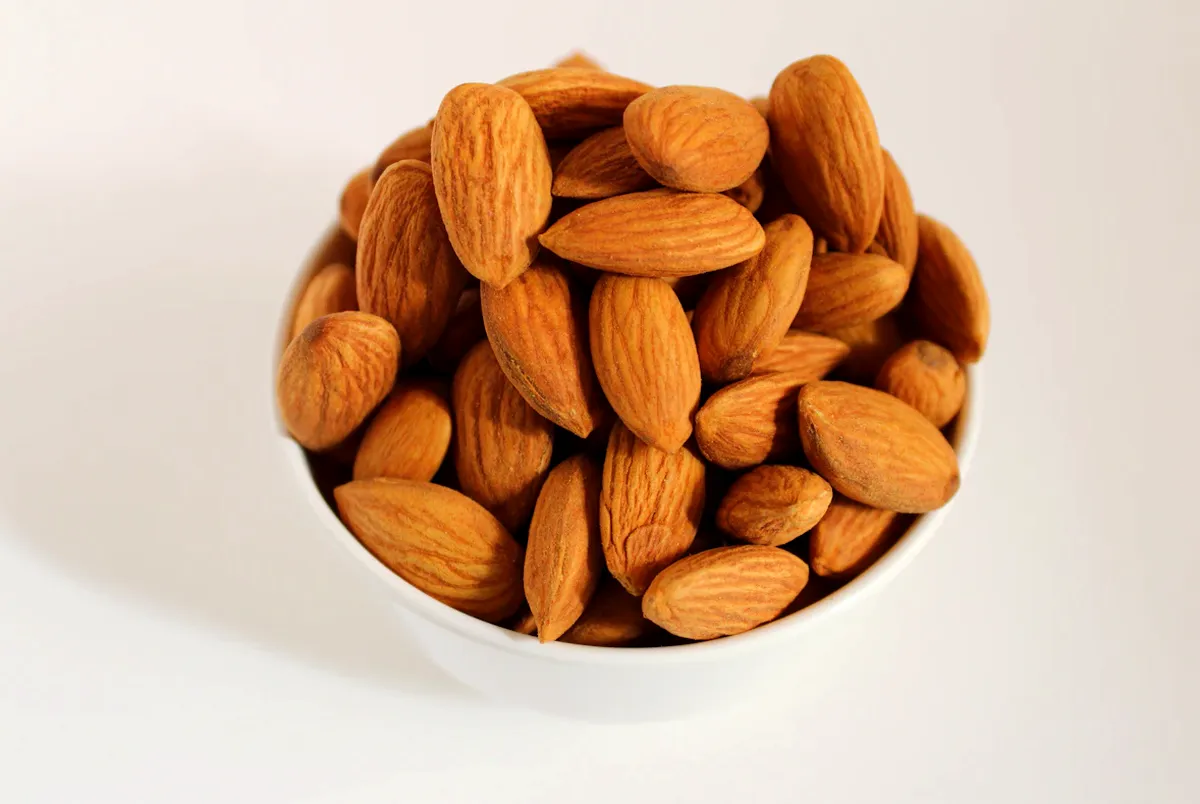
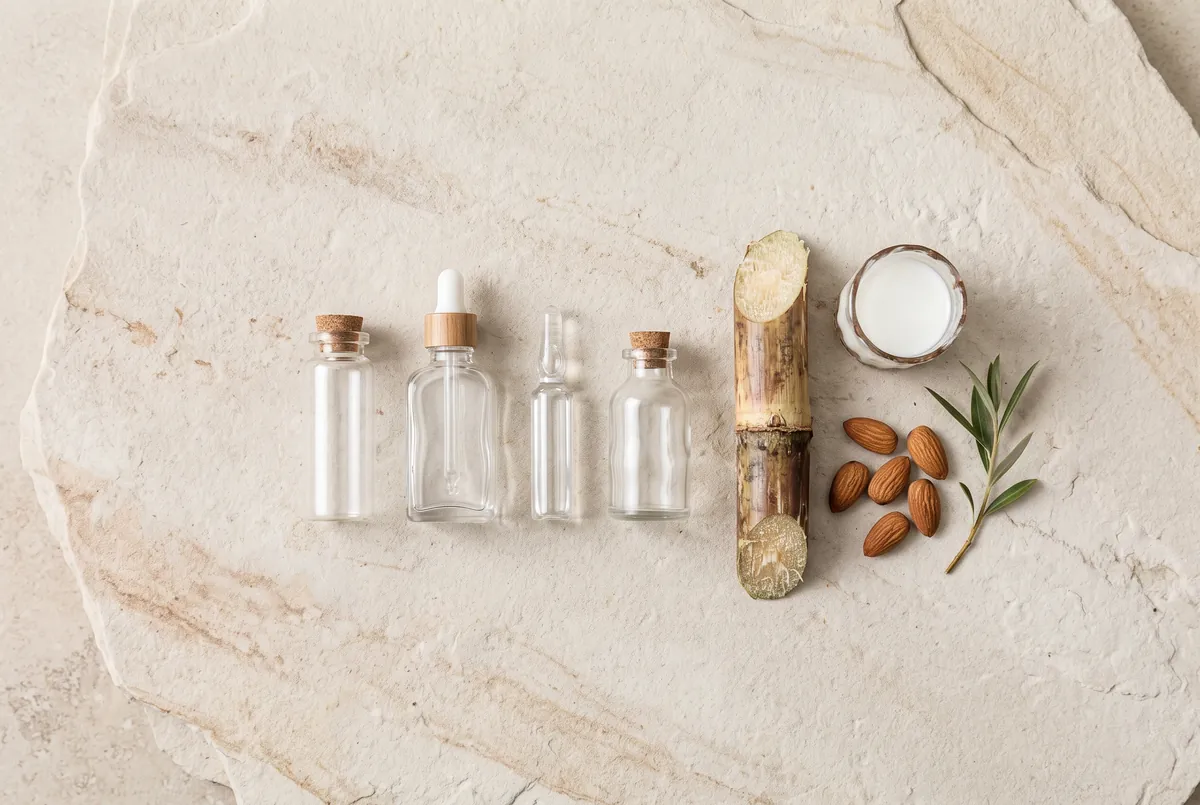
Mandelic acid belongs to the alpha hydroxy acids, or AHAs, a group that also includes glycolic acid from sugar cane and lactic acid from milk. Its name comes from the German word for almond, because it was first obtained from an extract of bitter almonds. The mandelic acid in today's cosmetic and professional products is typically produced in a laboratory, which gives a consistent, pure ingredient. Chemically it is an AHA with an aromatic ring attached, and that structure makes its molecule noticeably larger than those of glycolic and lactic acid.
Size is the property that defines how it behaves. A small molecule like glycolic acid passes into the skin quickly, which makes it effective and also more likely to sting, redden and irritate. The larger mandelic acid molecule moves into the outer layer more slowly and more evenly. The exfoliation still happens, but the skin is not hit all at once. Mandelic acid is also somewhat more attracted to oil than other AHAs, which helps it work in oily skin and around pores, and it has been reported to have antibacterial properties.
In peel terms, mandelic acid is a superficial, or light, peel. It works within the epidermis, the outermost layer of skin. It does not reach the dermis and it is not designed to produce dramatic sheets of peeling. If you want to see where it sits compared with salicylic acid, Jessner's solution, TCA and phenol, my guide to the types of chemical peels lays out all three depth categories.
How a mandelic acid peel works on skin
The surface of the skin is made of flattened dead cells held together by a kind of protein glue. In healthy young skin those cells shed invisibly on a regular cycle. With age, sun damage, oiliness or acne, shedding becomes uneven. Cells pile up, the surface looks dull and rough, pores clog, and pigment sits in patches. An AHA weakens the bonds between those cells so that the built-up layer releases. Fresher cells come to the surface, light reflects more evenly, and products applied afterward spread and absorb better.
Inside the pore, the same loosening action helps clear the plug of dead cells and oil that forms a comedone. Because mandelic acid has some affinity for oil and some antibacterial activity, it has earned a place in routines for mild acne, often alongside salicylic acid. On pigment, the mechanism is turnover: cells carrying excess melanin are shed faster, so marks left by pimples and patches of uneven tone fade gradually over a series. It does not bleach skin and it does not change your natural color.
With repeated use, AHAs are also associated with a smoother, slightly firmer surface and softer fine lines, which is why they appear in so many products aimed at aging skin. The effect of a light peel on wrinkles is modest. How strongly any peel acts depends on more than the acid's name. Concentration, the pH of the formula, how the skin was prepared, the number of layers and the contact time all change the depth. Two products labeled mandelic acid can behave very differently, which is one reason professional peels require training.
Who a mandelic acid peel suits best
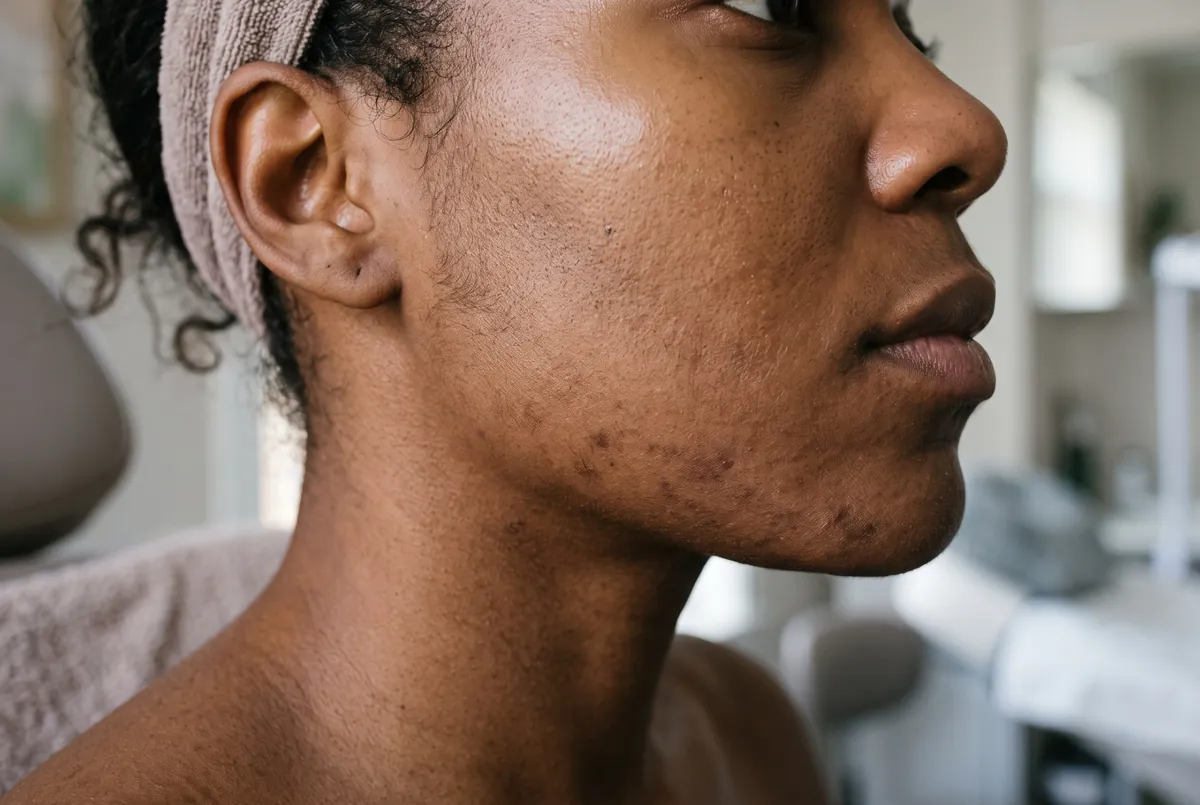
The first group is people with sensitive or reactive skin who have tried glycolic acid and found it too harsh. Mandelic acid gives them a way to get the benefits of exfoliation with less stinging and less redness. The second group is people with oily, congested or acne-prone skin, including adults who still break out along the jaw and chin. For them, a series of mandelic peels can reduce clogged pores, calm mild breakouts and help fade the marks that follow.
The third group, and the one where mandelic acid has built its reputation, is people with medium to deep skin tones. Skin with more melanin responds to irritation and injury by producing extra pigment, a reaction called post-inflammatory hyperpigmentation. A peel that is too strong can cause the very dark marks the client came to treat. Because mandelic acid penetrates slowly and evenly, it is generally considered one of the lower-risk peeling agents for brown and Black skin when it is used correctly. Lower risk is not zero risk, and preparation, conservative timing and sun protection still decide the outcome.
The fourth group is first-timers. A person who has never had a chemical peel and is nervous about downtime can start here and return to work the same day. The fifth is people with early signs of sun damage and dullness who want smoother, brighter skin without a week of visible peeling. Mandelic acid is also used cautiously as one part of a dermatologist-led plan for melasma, a stubborn form of pigmentation that needs medical management and strict sun protection.
It is a weaker match for deep wrinkles, significant sun damage, pitted acne scars and marked laxity. Those concerns sit below the reach of any light peel. A dermatologist can explain medium-depth peels, lasers and other options for them. Telling a client this at the consultation is part of doing the job properly.
Who should not have one
Mild does not mean suitable for everyone. A responsible practitioner reviews a health and skin care history before every peel, and declines or postpones in the situations below. Some of them need a physician's opinion first.
- Oral isotretinoin now or recently. The prescribing physician decides when peels are safe again.
- Sunburn, a fresh tan, or plans for significant sun exposure right after the peel.
- Active cold sores, or a history of them around the mouth without discussing prevention with a physician.
- Open wounds, cuts, active skin infection, or a flare of eczema, psoriasis, seborrheic dermatitis or rosacea on the area.
- Recent waxing, threading, depilatory cream, laser, microneedling or dermaplaning on the area.
- Use of prescription retinoids or other strong topical actives on the area in the days before, unless the provider has planned around them.
- Pregnancy and breastfeeding, unless your obstetric provider agrees. Many practitioners postpone as a precaution.
- A known allergy to the product's ingredients, or a tendency to keloid scarring or severe pigment reactions, without medical guidance.
- Recent facial surgery or radiation treatment to the area.
Clients with nut allergies often ask whether mandelic acid is safe for them, given the almond connection. The ingredient used in modern products is usually made synthetically and is a purified acid, not an almond extract. Even so, formulas differ and some contain plant extracts or oils, so anyone with a nut allergy should read the full ingredient list, ask the manufacturer or provider about the source, and check with their allergist or physician before use. A patch test is sensible for everyone with a history of reactions.
Who can perform a mandelic acid peel
In the United States, what a licensed esthetician or cosmetologist may do with acids is set by each state board, and the rules are not uniform. Many states allow estheticians to perform superficial exfoliation that affects only the outermost layer of the skin. Some set limits on acid concentration or pH, some restrict particular acids, and some offer an advanced or master esthetician license with a wider scope. Stronger formulas may be sold only to medical practices and used under a physician's supervision. Medium and deep peels are medical procedures everywhere.
A mandelic acid peel at esthetic strength commonly falls within what estheticians are trained to do, but do not assume. If you are a professional, read your board's rules and the manufacturer's training requirements before you buy a product line. The esthetics licensing hub and the cosmetology licensing hub link to each state. If you work in a medical office, what a physician may delegate to you is also decided by the state, as I explain in the guide to what a medical esthetician is.
If you are a client, ask what license the person holds and what product they use. A professional will tell you the acid, explain why it was chosen for your skin, and give you written aftercare. Be wary of anyone who cannot name the product, skips the consultation, or offers a strong peel in a setting with no licensed staff. My guide on how to choose a cosmetologist lists other checks worth making.
Preparing your skin
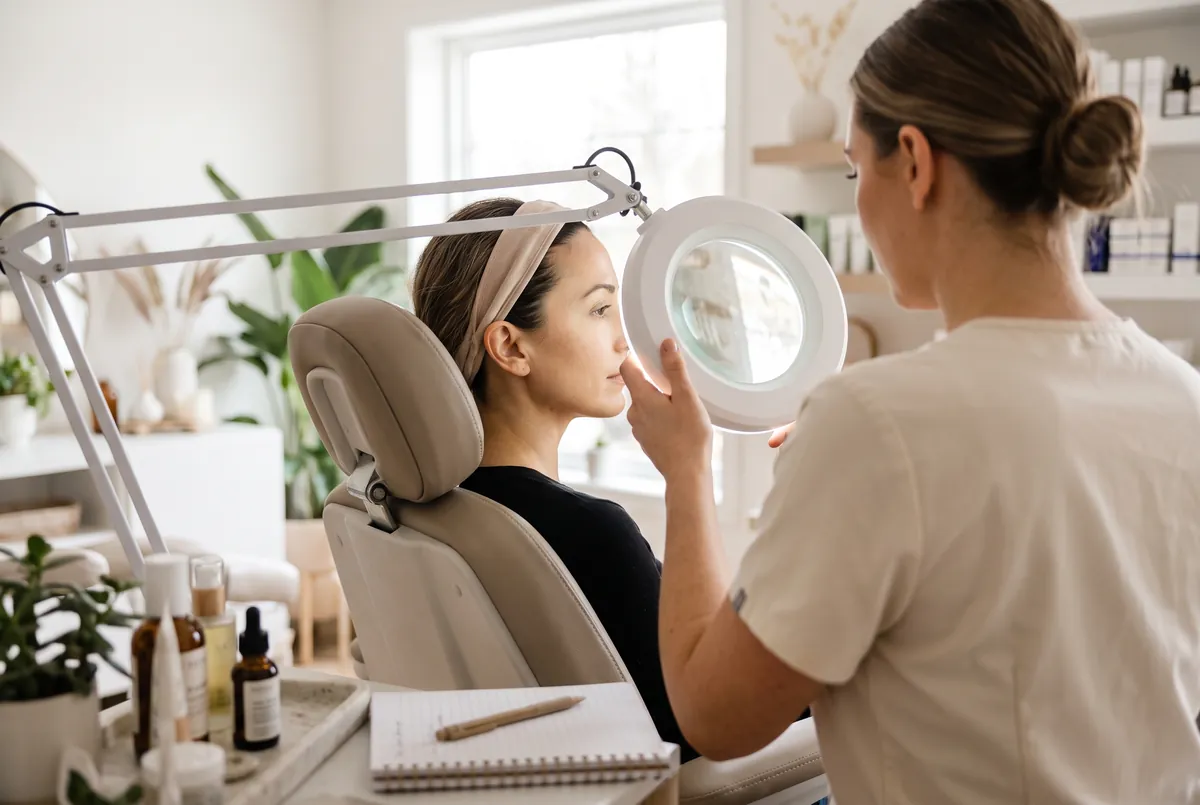
Preparation begins with the consultation. The practitioner asks about medications, allergies, past peels, how your skin reacts to the sun, and whether you develop dark marks after pimples or scratches. They assess your skin type and tone, often with the Fitzpatrick scale, and take photos. Many will do a patch test behind the ear or along the jaw for sensitive clients. This conversation is where the plan is set: which formula, how many sessions, how far apart.
For skin that pigments easily, a period of preparation at home before the first peel is common. The practitioner may recommend a gentle routine with daily broad-spectrum sunscreen and, in some cases, low-strength exfoliating or brightening products to get the skin used to acids and to quiet pigment production. A dermatologist may prescribe specific agents for this. The purpose is an even, predictable response on the day and a lower chance of post-inflammatory darkening afterward.
In the days right before the appointment, the usual instructions are to stop retinoids, scrubs, exfoliating brushes and other acids on the face, to avoid waxing, threading and depilatories in the area, and to stay out of the sun. Men are often asked not to shave closely on the morning of the peel, since freshly shaved skin is more reactive. Arrive without makeup if possible. Follow the written instructions from your own provider, because timing varies with the product they use.
What happens during the peel
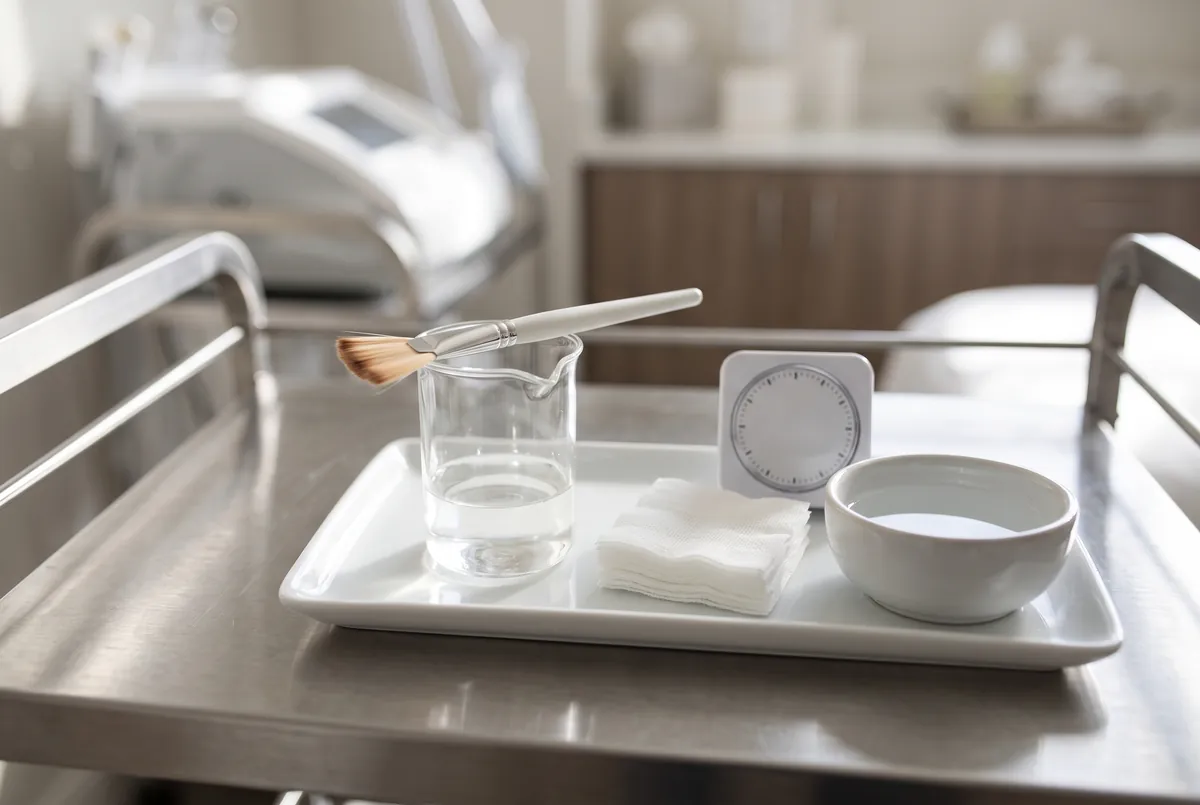
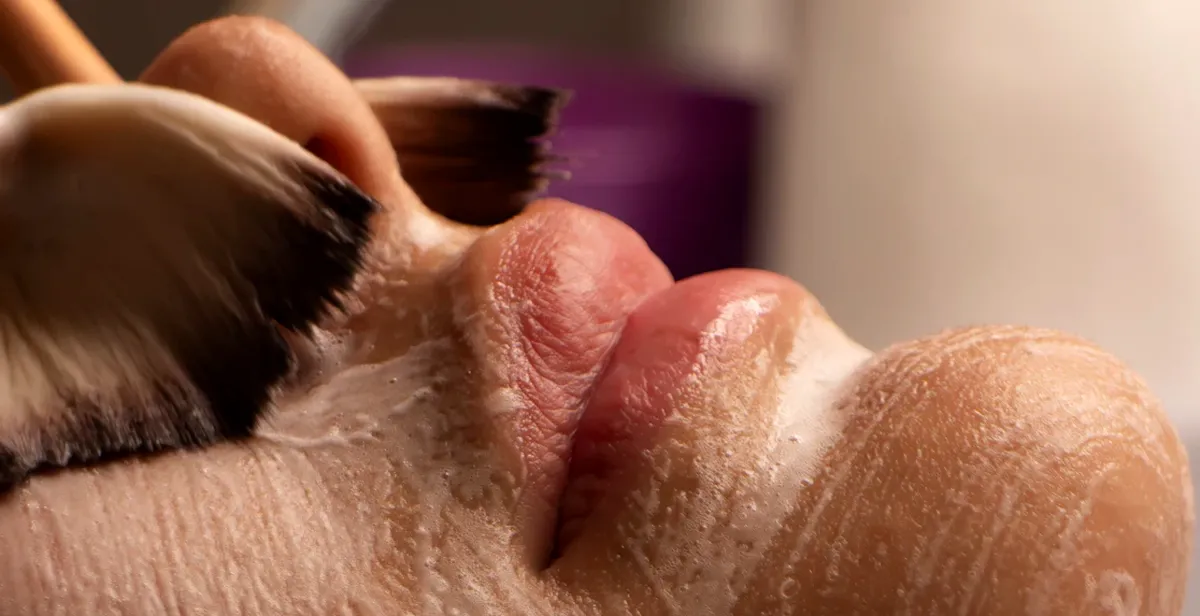
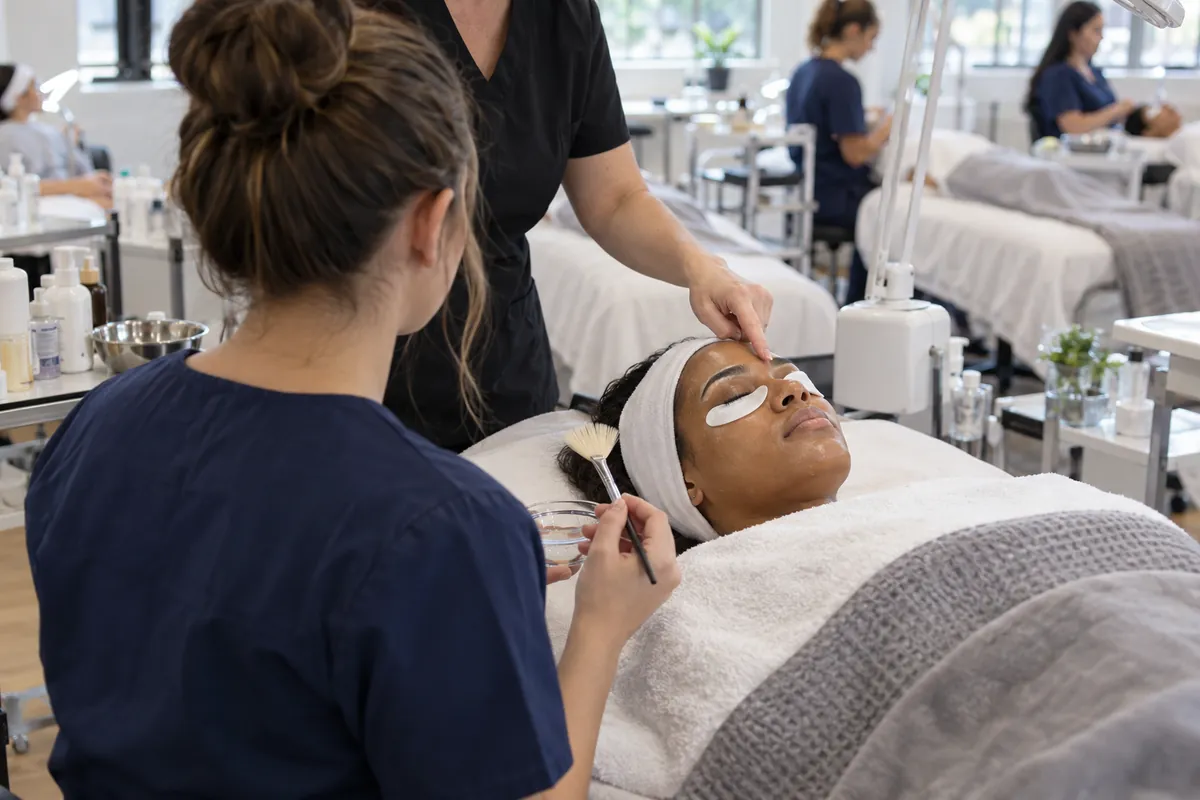
The appointment is short. The practitioner cleanses the skin thoroughly and then degreases it with a prep solution so that the acid meets an even, oil-free surface. Sensitive spots such as the corners of the nose, the corners of the mouth and the lips are protected with a thin layer of ointment. Your eyes are covered or you are asked to keep them closed. A small fan may be offered for comfort.
The solution is applied with a fan brush, gauze or cotton in a set order, usually starting with the less sensitive areas such as the forehead and finishing with the center of the face. A timer starts. The practitioner watches the skin the whole time for the degree of pinkness and for any sign of an uneven reaction, and asks you to rate the sensation. Depending on the product and on the plan, one layer or more than one may be applied.
At the end of the planned time, or earlier if the skin signals that it has had enough, the peel is neutralized or removed according to the manufacturer's instructions. Some formulas require a neutralizing solution, and others are self-limiting and are rinsed with cool water. A soothing product, a moisturizer and a broad-spectrum sunscreen finish the service. You leave with written aftercare, and you can normally return to your day.
What it feels like
Most clients feel mild tingling, warmth or light itching for the first minute or two, and then it settles. On a scale of one to ten, people commonly rate it low. Compared with glycolic acid, mandelic acid is known for being comfortable, and first-time clients are often surprised by how little they feel. Areas that are thinner or already a little irritated, such as around the nostrils, can tingle more.
Sensation is information. A practitioner uses your rating together with what they see to decide when to stop. Strong burning, sharp stinging that keeps climbing, or pain in one spot are not things to endure quietly. Say so immediately, and the peel can be removed. Bravery has no benefit here. A light peel that is taken off a little early still does its job, and a peel left on irritated skin is how dark marks start.
Recovery: what is normal and what is not
Recovery from a mandelic acid peel is usually mild. Right afterward the skin may look slightly pink and feel tight, similar to the feeling after a day in dry wind. Over the next few days it may feel dry, and some people see fine, powdery flaking around the mouth, nose and chin. Many people see no visible peeling at all. That does not mean the peel failed. Light peels work at a microscopic level, and visible shedding is not the measure of success.
Skin often looks its best about a week after treatment: smoother, more even, with a little more brightness. Active breakouts sometimes look more noticeable for a few days as congestion comes to the surface, and then calm down. Existing dark marks can look slightly darker before they shed. These are common, short-lived reactions.
Reactions that need attention are different in kind. Call your provider if you have swelling, blistering, crusting, oozing, pain that worsens after the first day, or redness that persists and deepens. Clusters of small painful blisters near the lips suggest a cold sore outbreak and need a physician. New dark or light patches that appear in the following weeks should be assessed early, since post-inflammatory pigment changes respond better when they are addressed quickly. When in doubt, send a photo to your provider and see a dermatologist.
Aftercare rules
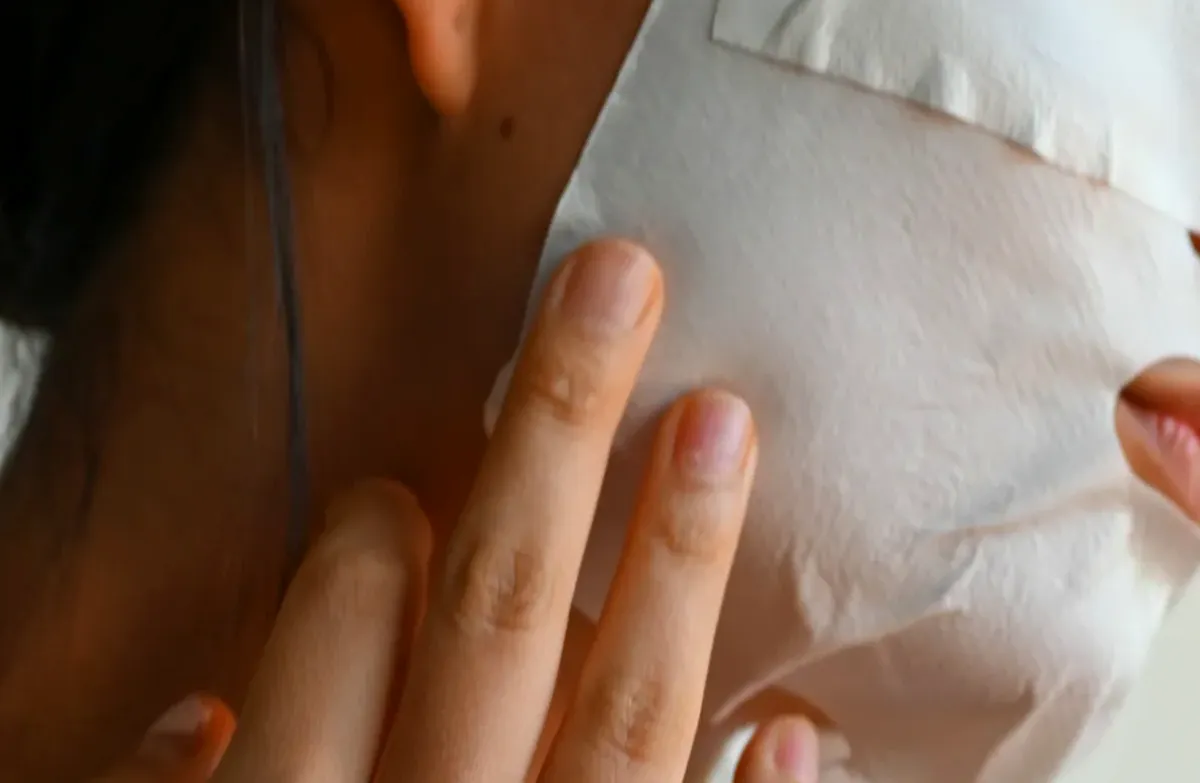
Aftercare for a light peel is simple, and it matters as much as the peel itself. The skin's outer barrier has been thinned on purpose, so for about a week it is more easily irritated and more vulnerable to the sun. The rules below are the ones most professional aftercare sheets share. Your provider's own instructions come first.
- Wash with a gentle, non-foaming cleanser and lukewarm water, and pat dry.
- Moisturize morning and night with a plain, fragrance-free product.
- Apply broad-spectrum sunscreen of SPF 30 or higher every morning and reapply when outdoors. Add a hat and shade.
- Do not pick, rub or peel off flakes. Let them come away on their own.
- Skip scrubs, cleansing brushes, acids, retinoids and vitamin C serums that sting until the skin feels normal, or as your provider advises.
- Avoid saunas, steam rooms, hot yoga and hard workouts for the first day or two.
- Do not wax, thread or use depilatory cream on the area for about a week.
- Keep makeup light, and wait until the next day if you can.
Sun protection deserves the emphasis it gets. The FDA has advised for years that products containing alpha hydroxy acids can increase the skin's sensitivity to the sun and that sunscreen should be used during and after their use. After a professional peel this matters more. Unprotected sun in the following week is the most common reason for pigment problems, including in clients who chose mandelic acid precisely to avoid them. A peel without daily sunscreen is wasted effort and an avoidable risk.

How many peels, how often, and the best season
One mandelic peel gives a fresher look for a couple of weeks. Lasting improvement in breakouts, texture or pigment comes from a series. Practitioners usually plan several sessions spaced a couple of weeks or more apart, following the product manufacturer's protocol and the skin's response, and then move to occasional maintenance. I set a review point in the middle of the series with photos taken in the same light, and adjust the plan from there.
Results arrive gradually. Smoother texture and a brighter surface show first. Congestion and mild breakouts improve over the first few sessions. Dark marks take the longest, often several weeks to months, because pigment has to work its way up and out through normal turnover. Patience is part of the treatment. Increasing strength or frequency to hurry things along is the classic route to irritation and new pigmentation.
Mandelic acid is often described as a peel that can be done in any season, since it is gentle and causes little visible peeling. There is truth in that, and with strict sun protection many clients have it year-round. I still prefer to schedule a series for the months when the client spends less time in strong sun, and I postpone if a beach vacation or outdoor event is coming. To see how peels fit with regular professional care, read how often you should get a facial.
Cost is a fair question, and I do not quote figures because prices vary with the city, the setting and the product line. A light peel in a spa is usually priced close to a facial, a dermatology practice may charge more, and a series is often sold as a package. When you compare offers, look at what is included: the consultation, skin preparation advice, the number of sessions, post-peel products and a follow-up check. A cheap peel from someone who skips the history and the aftercare sheet is the expensive option if it leaves you with pigment marks that take months to fade.
At-home mandelic acid products compared with a professional peel
Mandelic acid is widely sold in serums, toners, cleansers and pads for home use. These consumer products are formulated at lower strengths and gentler pH so that small mistakes have small consequences. Used as directed, a few times a week, they offer mild ongoing exfoliation and are a reasonable way for sensitive or acne-prone skin to use an AHA. They are maintenance. They work gradually and will not match the effect of a professional series.
A professional peel uses a stronger formula, applied to prepared skin, timed, watched and neutralized by someone trained to read the skin. That control is what you pay for. The two approaches combine well: a professional series, then a home product for upkeep, with the home acid paused around each peel as your provider instructs.
What I advise against is buying professional-strength peel solutions online to use at home. The FDA has warned consumers about chemical peel products sold without professional supervision because of the risk of chemical burns and scarring. The low price is tempting and the instructions are often poor. With home products of any kind, introduce one new active at a time, start with infrequent use, do not layer several acids and a retinoid in the same routine without guidance, and stop if the skin becomes red, tight and shiny.
Mandelic acid compared with glycolic, lactic and salicylic acid
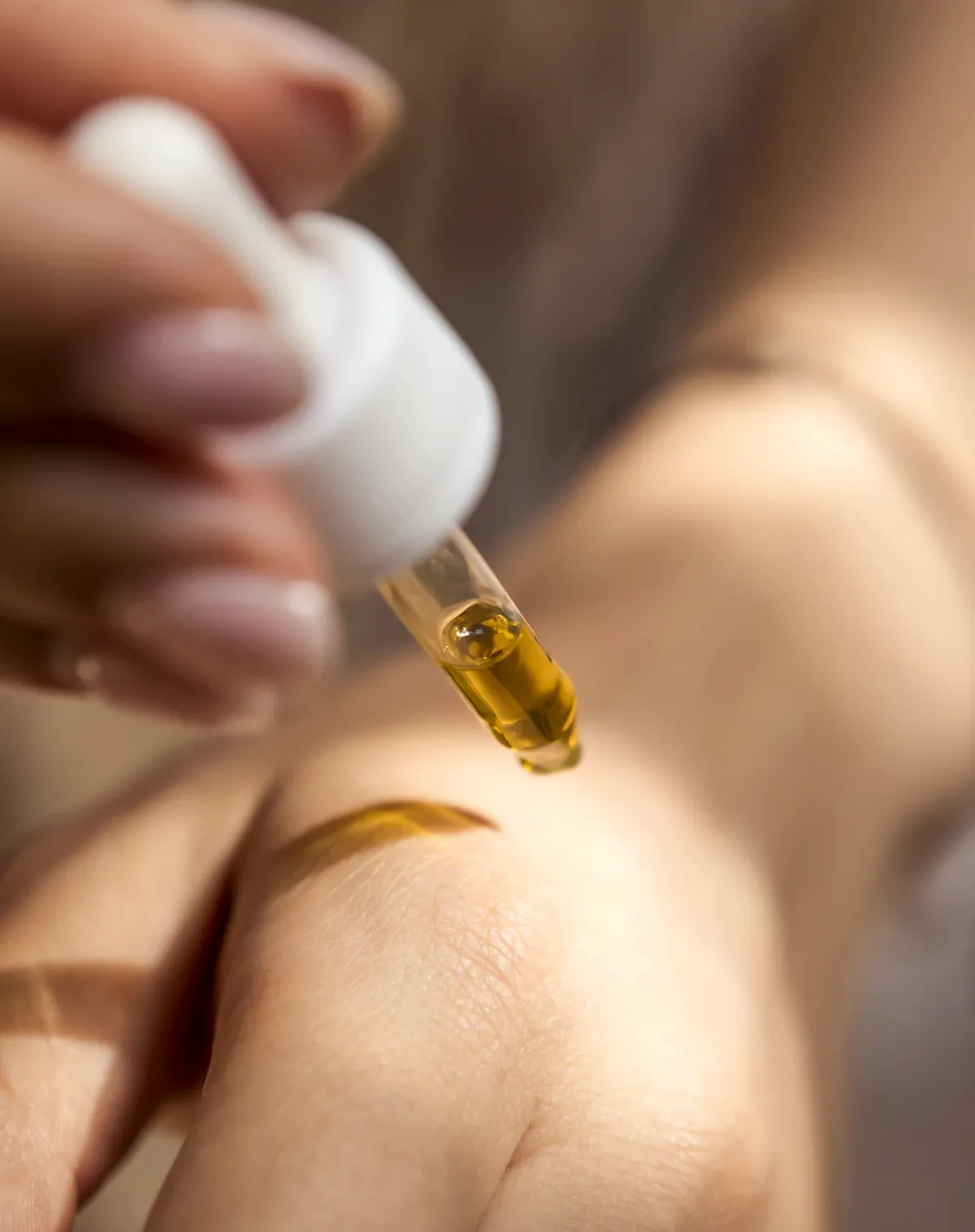
Choosing among light peels is mostly a question of matching the acid's character to the skin. The table summarizes how I explain the four most common ones to clients and students. It describes general tendencies. The exact product and how it is used matter more than the name.
| Acid | Character | Often chosen for | Watch for |
|---|---|---|---|
| Mandelic | Large molecule, slow and even, some affinity for oil | Sensitive skin, mild acne, dark marks, deeper skin tones, first peels | Subtle results per session, needs a series |
| Glycolic | Smallest AHA molecule, fast and strong | Sun damage, rough texture, fine lines on resilient skin | More stinging and irritation, higher pigment risk on darker skin |
| Lactic | Mid-sized AHA with a hydrating reputation | Dry, dull skin and uneven tone | Can still irritate reactive skin |
| Salicylic | Oil-soluble beta hydroxy acid that works inside the pore | Oily skin, blackheads, acne | Can be drying. Not for people with aspirin allergy without medical advice |
Mandelic and salicylic acids are frequently combined in one formula for acne-prone skin, pairing even surface exfoliation with action inside the pore. Blends with lactic acid are aimed at tone and dryness. A practitioner might start a sensitive client on mandelic acid and move to a stronger agent later if the skin tolerates it and the goals call for it. There is no single best acid, only the right one for a particular skin at a particular time.
Combining a mandelic peel with other treatments
Light peels fit well into a broader plan, as long as treatments are spaced. A mandelic peel can replace the exfoliation step in a facial or be scheduled between regular facials. Calming, hydrating services and LED light are compatible around it. My overview of the types of facials shows where acid-based services sit among the other options.
Treatments that also disrupt the skin surface need distance from a peel: waxing and threading of the face, dermaplaning, microdermabrasion, microneedling, laser and intense pulsed light. Combining them on the same day or in the same week without a clear protocol invites irritation and pigment problems. Injectables are generally scheduled on a different day as well, on the injector's advice. Give every provider you see the full list of what you have had done recently, since each of them is planning around the others' work.
Myths and common mistakes
The first myth is that no peeling means no result. Mandelic acid often produces little or no visible flaking, and the improvement shows in tone and texture over the series. The second is that gentle means risk-free. Any acid can irritate or cause pigment changes when the skin was not prepared, the peel was left on too long, or sunscreen was skipped. The third is that mandelic acid is unsafe for anyone with a nut allergy, or automatically safe. The honest answer, covered above, is to check the formula and ask your physician.
The fourth myth is that a light peel thins the skin permanently. The outer dead layer is reduced for a short time and rebuilds, and regular, sensible exfoliation is associated with healthier-looking skin. The fifth is that one peel will erase dark spots. Pigment takes a series and months of sun protection. The sixth is that summer peels are forbidden or, on the other side, completely carefree. Season matters less than your actual sun exposure and your discipline with sunscreen.
The mistakes I see most are practical. Clients use a retinoid the night before and do not mention it. They wax the upper lip two days before a peel. They pick at flakes. They go back to their strongest serum on day two. They book a peel the week before a wedding or a beach trip. Professionals make mistakes too: skipping the history, treating over irritated skin, choosing strength by what the client asks for instead of what the skin shows, and failing to give written aftercare.
Notes for students and new professionals
Mandelic acid is a good first peel to master because it is forgiving, and it teaches habits you will need for every acid afterward. Learn skin histology, the Fitzpatrick scale, how pH and concentration interact, how to read the skin during application, and how to recognize and respond to an adverse reaction. Learn the manufacturer's protocol for each line you use and get their certification. Document every peel: product, lot, layers, time, the skin's response and the aftercare given.
Know your legal limits before you offer any acid service. Your state board defines them, and they may differ from what a product distributor tells you. The esthetics course on this site covers the theory behind exfoliation and skin analysis. It supports your education, and it never replaces the in-person hours, practical training and licensing exam your state requires. For a realistic view of where peels sit in daily work, see what an esthetician does.
Your next step
If a mandelic acid peel sounds right for your skin, book a consultation with a licensed esthetician or a dermatology practice, bring your list of products and medications, and ask which formula they use and why. Buy sunscreen first. Plan the series for a stretch of weeks without major sun exposure or big events, and judge the results with photos at the midpoint and the end. If your concern is painful acne, melasma or anything that has not responded to good skin care, start with a dermatologist.
If you are a student or a working professional, confirm what your state allows, train with the product manufacturer, and begin with conservative protocols on well-prepared skin. A cautious first peel that leaves the client comfortable and a little brighter is what brings them back for the rest of the series.
State Requirements
State licensing guides
Hours, exams, fees, and the licensing board differ by state. Open your state for the current requirements.
Common Questions
FAQ
It is a light chemical peel that loosens the bonds between dead cells at the skin surface so they shed more evenly. Over a series it can smooth texture, brighten dull skin, reduce clogged pores and mild breakouts, and gradually fade dark marks left by acne. It works within the epidermis and is not designed for deep wrinkles or scars.
It is generally considered one of the lower-risk peels for medium and deep skin tones, because its larger molecule penetrates slowly and evenly and is less likely to trigger post-inflammatory dark marks than faster acids. The risk is lower, not absent. Skin preparation, conservative timing, an experienced provider and strict daily sunscreen remain essential.
One peel gives a short-term fresher look. Lasting change usually takes a series of several sessions spaced a couple of weeks or more apart, set by the manufacturer's protocol and your skin's response, followed by occasional maintenance. Texture improves first, and dark marks take the longest. For scheduling around regular care, see how often you should get a facial.
Most people feel mild tingling or warmth for a minute or two. Afterward the skin may be slightly pink and tight, with dryness or fine flaking over the next few days, and many people have no visible peeling. You can usually return to normal activities the same day, while avoiding heat, exfoliants and sun as instructed.
Mandelic acid in modern products is typically made synthetically and is a purified acid, not an almond extract. Formulas vary, though, and some include plant extracts or oils. If you have a nut allergy, read the complete ingredient list, ask about the source, and check with your allergist or physician before using a product or booking a peel.
Low-strength consumer serums, toners and pads with mandelic acid are made for home use and are fine when used as directed with daily sunscreen. Professional-strength peel solutions are a different matter. The FDA has warned about chemical burns and scarring from peel products used without professional supervision, so leave those to a licensed practitioner or physician.
Neither is better in general. Glycolic acid has a smaller molecule and acts faster and more strongly, which suits resilient, sun-damaged skin and carries more risk of irritation. Mandelic acid is slower and gentler, which suits sensitive, acne-prone and deeper-toned skin. The guide to types of chemical peels compares the main acids.
It depends on your state and on the strength of the product. Many states allow licensed estheticians and cosmetologists to perform superficial peels, some limit concentration or pH, and stronger formulas may require a medical setting and physician supervision. Check the rules for your state through the esthetics licensing hub, and ask any provider about their license.
Keep Reading
Related Guides


