Cosmetology
Expired Cosmetology License Reinstatement: Steps After a Lapse

Quick answer
To reinstate an expired cosmetology license, look up your status on your state board's website, read its reinstatement rule, and submit the application with fees and any required documents. Depending on how long the license has been expired, the board may also require continuing education or re-examination, and very long lapses can require a new license. Do not work until the record shows active status.
Expired cosmetology license reinstatement is the process of bringing a license back to active status after it has passed its expiration date without being renewed. People let licenses lapse for many reasons: a move, a new baby, illness, a career change, caring for a parent, or simply a renewal notice that went to an old address. The good news is that an expired license is often recoverable. The less comfortable news is that the longer it stays expired, the more steps your state board may require, and in some states a license that stays lapsed long enough can no longer be reinstated and must be earned again.
I am Aida Khazieva, a licensed cosmetologist and electrologist with more than twenty years of practice, and I have helped colleagues and former students sort out lapsed licenses after long breaks. This guide focuses only on what happens after a license has expired: how to find out where you stand, the general stages boards use, the documents you are likely to need, what to do if you have been working without realizing the license lapsed, and how to plan a return to the chair. For routine on-time renewal, read my guide on how to renew a cosmetology license. Rules, fees and time limits differ by state, so use the cosmetology licensing hub to reach your board.
Expired, Lapsed, Inactive or Revoked: Know Which One You Have
Different boards use different words, and the word on your record decides your path. An expired or lapsed license usually means you did not renew by the deadline. An inactive license, in states that offer this status, usually means you chose to step away and kept the license on record under specific rules, often with lower requirements while inactive. A suspended or revoked license is a disciplinary status, which follows a completely different process and is not covered in this guide.
Some states also use a delinquent or grace status for a short window after expiration, during which you may be able to renew with a late fee and fewer steps. After that window, the license may move into a longer expired status, and after a further period some boards cancel or close the license entirely. The names and time frames vary, so do not rely on what a colleague in another state experienced. Look up your own license record and read your board's definitions.
Knowing your exact status matters because it changes the questions you ask. If you are inside a short late window, the fix may be simple. If your license has been expired for years, you need to ask about requirements such as continuing education, re-examination or additional training. If you are unsure whether you ever chose inactive status, the board's record will show it.
If your record shows a disciplinary status rather than a simple expiration, stop here and read the board's order or letter carefully. Disciplinary matters have their own conditions, and reinstatement may depend on completing them, such as paying fines or finishing required courses. An attorney experienced in professional licensing can explain your options. Everything else in this guide assumes an ordinary lapse with no disciplinary action involved.
One more point on terms: a license that has expired is not the same as a license you never earned. Your training and exam history are still on record with the board in most cases, and that history is the foundation of reinstatement. Even when the board adds steps, you are restoring something you already built, which is usually faster and simpler than starting from the beginning. Keep that in mind if the paperwork feels heavy at the start.
Step One: Find Your License Record
Most state boards offer a public online license verification or lookup. Search by your name or license number. The record usually shows your license type, number, status and expiration date. Take a screenshot or print it with the date so you have a reference. If you cannot find your record, try earlier names, alternate spellings or your license number from old paperwork. Boards also change systems over time, so a very old license may require a phone call or written request to locate.
If you have an online account with the board, log in or recover access. Many boards handle reinstatement through the same portal used for renewal, but some require a separate paper application. If your contact details are outdated, update your address and email first. Renewal and reinstatement notices that go to an old address are one of the most common reasons licenses lapse unnoticed, and you do not want correspondence about reinstatement to go missing too.
While you are on the board's website, find the page or rule that explains reinstatement for your license type. Read it fully. Note any time frames tied to how long the license has been expired, the documents listed, the fees, and any continuing education or examination requirements. If the page is unclear, write down specific questions for the board before calling or emailing.
If you call the board, have your license number, date of birth and the dates you think the license expired ready. Ask who you are speaking with, write down the date and time, and summarize what you were told in a follow-up email if the board accepts email. Phone answers are helpful for orientation, but written guidance is what you want to rely on for decisions that cost money or affect when you can work.

How the Length of the Lapse Usually Changes the Process
Across states, the most consistent pattern is that the time since expiration shapes what you must do. The exact thresholds differ widely, and I will not print any because they vary and change. But the general stages look similar in many places. Use the table below as a map of the kinds of steps boards tend to add as time passes, then check your own board's rules for where the lines fall.
| General stage | Steps boards commonly require | What to ask your board |
|---|---|---|
| Recently expired | Renewal or reinstatement application, renewal fee, late or reinstatement fee | Is there a grace period, and has it ended? |
| Expired for a moderate period | Application, fees, proof of continuing education where required, sometimes a declaration about work history | Which CE is required, and from which providers? |
| Expired for a long period | Possible re-examination, additional training or a new application as if newly licensed | Is re-examination required, and which parts? |
| Beyond the board's limit | License may be cancelled; a new license through school hours and exams may be required | Can any prior training or exam results be credited? |
Some states also consider whether you held an active license in another state during the lapse. If you kept practicing legally elsewhere, a board may treat your return differently from someone who stopped working entirely. Others focus only on your status in their own state. If you were licensed elsewhere, gather proof of that license and ask whether it affects your reinstatement.
A common question I hear is whether a long lapse means all the original effort was wasted. Usually not. Even when a board requires re-examination or new training, your experience still matters: you will likely learn faster, pass exams more comfortably and rebuild a clientele more quickly than a new graduate. The paperwork may treat you as new, but your skills and judgment are not.
Documents You May Need
Reinstatement applications ask the board to trust that you are still qualified and in good standing. The documents prove it. Requirements vary, but the list below covers what boards commonly ask for. Gather what applies to you before starting the application, so you can submit everything at once. Incomplete applications are a frequent cause of delays.
- Your license number and a copy of your old license if you have one.
- Government-issued identification matching the name on the license, or proof of a legal name change.
- Current mailing address and contact details.
- Proof of continuing education, if your state requires CE for reinstatement.
- Verification of licensure from other states where you held a license during the lapse.
- A declaration of whether you practiced during the expired period.
- Answers to background or disciplinary history questions on the application.
- Payment for renewal, late and reinstatement fees as set by the board.
- Exam registration materials, if re-examination is required.
Name changes cause more trouble than people expect. If you married, divorced or legally changed your name since your license was issued, the board may need certified proof, such as a marriage certificate or court order, before it can match you to the old record. Prepare this early. Similarly, if your old license number is lost, the board can usually find it with your name and date of birth, but expect a slower response.

Reinstatement Step by Step
Here is a general sequence that fits most situations. Your board's process may combine or reorder steps, and some boards require certain steps on paper rather than online. Follow your board's instructions where they differ.
- Look up your license status and expiration date and save a copy.
- Read your board's reinstatement rules for your license type and time since expiration.
- Update your contact details with the board.
- Stop practicing if you are working on the expired license, until it is active again.
- Complete any required continuing education from accepted providers.
- Register for and pass any required examination.
- Gather identification, name change documents and license verifications.
- Submit the reinstatement application and pay the fees.
- Keep confirmation of submission and payment.
- Check the license lookup until it shows active status before returning to work.
The last step is the one people skip. Submitting an application does not always make a license active immediately. Some boards process reinstatements quickly, while others review them manually. Until the board's record shows active status, assume you are not yet licensed to practice, unless the board tells you in writing otherwise. Keep a screenshot of the active record once it appears, in case an employer or inspector asks.
If the board asks for more information, respond promptly and keep copies of what you send. Applications can stall when a request goes unanswered. If several weeks pass without a response, contact the board politely with your application date and confirmation number.
Keep a simple log during the process: the date you looked up your status, the date you submitted the application, payment confirmations, any requests from the board and your replies, and the date the license became active. If something goes wrong, such as a lost payment or an unanswered request, this log lets you show exactly what happened and when. It also becomes a useful reference if you ever need to explain the lapse to an employer, landlord or another state board.
Continuing Education for Reinstatement
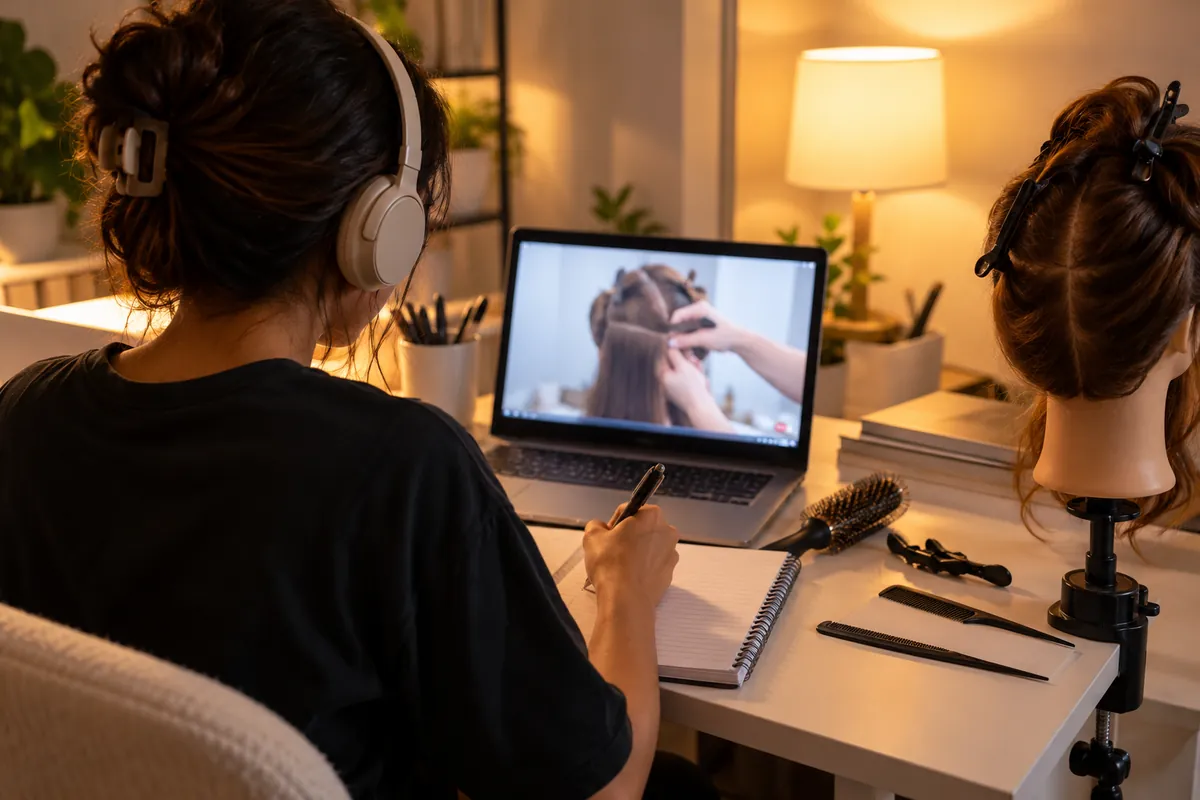
In states that require continuing education for cosmetologists, reinstatement often requires that you complete any missed CE, or a set amount of CE, before the license becomes active. Some boards also require specific topics, such as infection control, safety or state laws and rules. Some accept courses only from approved providers. Read the reinstatement rule carefully, because the CE required to reinstate can differ from the CE required for an ordinary renewal.
Choose courses that both satisfy the rule and help you return to work confidently. After a long break, infection control and safety updates are genuinely useful, not just a requirement, because products, disinfectants and best practices change. Keep certificates showing your name, course title, provider, date and hours, and submit them exactly as the board instructs.
If your state does not require CE for reinstatement, consider some refresher learning anyway. A structured theory review, such as our cosmetology course, can rebuild your knowledge of chemistry, sanitation and services before you see clients again. It supports your return but does not replace any requirement your board sets, including hours or exams.
Watch out for the difference between hours and topics. A board may require a certain amount of CE and also specific subjects within that amount. Completing the right total in the wrong topics can leave you short. Before enrolling, compare each course description against the topic list in the rule, and keep the course outline with your certificate in case the board asks how the content fits.
When Re-Examination Is Required
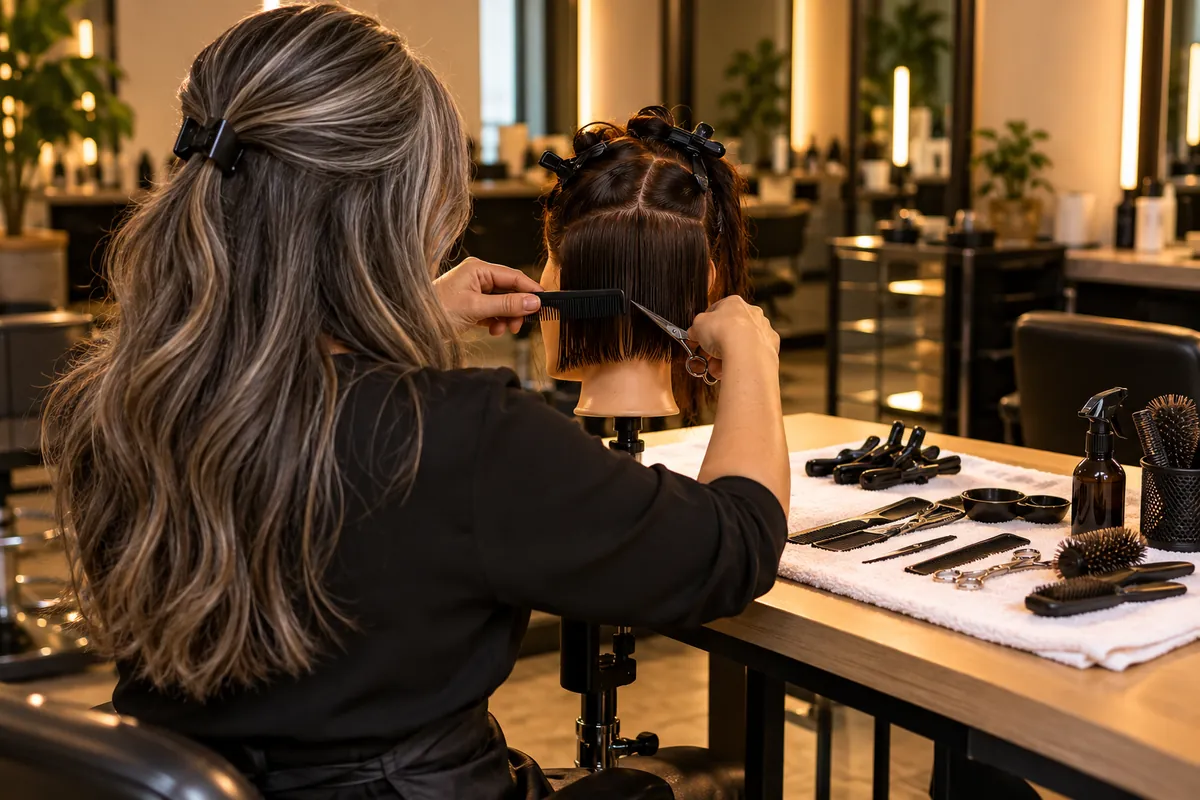
For long lapses, some boards require you to pass the written exam, the practical exam, or both again before reinstating. The reasoning is that skills and knowledge fade, and rules change. If your board requires re-examination, find out which parts, how to register, and whether you can take them before or after submitting the reinstatement application. Some boards use the same exam as new candidates, administered by the same testing provider.
Taking a board exam years after school can feel daunting, but experienced professionals usually do well when they prepare properly. Study the current exam content outline, because topics and emphasis may have changed since you first tested. Pay special attention to infection control and state law, which are areas where rules evolve. For the practical, re-learn the exam procedures, which are more formal than everyday salon work. My guide on how to pass the cosmetology state board exam covers preparation, and the practical exam kit checklist helps you pack correctly.
If your lapse is so long that the board treats you as a new applicant, ask whether any part of your original training or exam results can be credited. In some cases, you may need to complete school hours again. That is disappointing, but knowing early lets you plan finances and timing rather than discovering it after months of uncertainty.
Some boards allow returning professionals to take a refresher course in place of, or in addition to, re-examination. Where that option exists, compare it honestly with your own readiness. A structured refresher with hands-on practice can be the better choice if you have been away a long time, even when an exam alone would be permitted, because it rebuilds habits as well as knowledge.
If You Have Been Working on an Expired License
Sometimes people discover the lapse only after months of working, often when an employer, landlord or inspector checks. If this is you, stop performing licensed services right away, until your license is active again. Continuing to practice once you know the license is expired can make your situation worse. Then begin the reinstatement process immediately.
Many reinstatement applications ask whether you practiced while the license was expired. Answer honestly. Boards may impose fines or other consequences for unlicensed practice, and the approach differs between states. Providing false information on an application is generally treated far more seriously than the original lapse. If you are worried about the consequences, consider speaking with an attorney who handles professional licensing matters before submitting your application.
Working on an expired license can also affect insurance and employment. Many liability policies require you to be licensed for coverage to apply, so claims arising from work during the lapse may not be covered. Tell your insurer and, if you are employed, your employer once you understand your situation. It is uncomfortable, but handling it openly protects you better than hoping no one notices.
Employers also have a role. Many salons check license status when they hire but not afterward. If you manage staff, verify active status for everyone at each renewal cycle, not only on hiring day. A single lapsed license in a salon can create problems during an inspection for both the stylist and the business. Simple shared reminders protect the whole team.

Special Situations: Military Service, Illness and Family Leave
Some lapses happen for reasons boards recognize. Many states have provisions for licensees who were on active military duty, and some extend similar consideration to military spouses who moved because of a service member's orders. These provisions may extend deadlines, waive late fees or simplify reinstatement. If military service or a military move caused your lapse, ask the board specifically about these provisions and have documentation, such as orders, ready.
Serious illness, disability, or caring for a family member can also lead to a lapse. Boards differ in how much flexibility they offer, and many do not have formal exceptions. Still, it is reasonable to explain your circumstances in writing and ask whether any relief is available, such as waiving a late fee or extending time to complete CE. Attach supporting documents if the board requests them, keeping private medical details to what is necessary.
Whatever the reason, write a short, factual letter if the board allows one: when the license expired, why, what you have done since, and what you are asking for. Keep it brief and polite. Board staff handle many requests, and a clear letter with documents attached is easier to act on than a long story. Save a copy with your application records.
If you are returning after a pregnancy or a period of childcare, think also about your schedule. Many cosmetologists come back part-time at first, which can be a sensible way to rebuild speed and clientele. Reinstatement requirements usually do not change based on how many hours you plan to work, so complete the full process even if you will only take a few clients at the start.

Costs and Timeline: What to Plan For
Reinstatement fees are set by each board and often include more than the regular renewal fee. Many boards add a late fee, a reinstatement fee or both, and the total can rise with the length of the lapse. Some states also charge for CE courses, exam registration, and license verifications from other states. I will not quote amounts, because they vary and change, but you should expect reinstatement to cost more than an on-time renewal. Check your board's current fee schedule before you start so the total does not surprise you.
Time is the other cost. Processing times differ between boards and across the year. Periods when many licenses expire at once can slow responses. If you need CE, add the time to find and complete courses. If you need to retake an exam, add time to register, schedule a test date and receive results. Plan your return to work around the realistic total, not the fastest possible case.
If you have a job offer waiting, tell the employer honestly how long reinstatement may take and keep them updated. Many employers understand, especially if you show them the steps you are taking. Do not start work early on the assumption that approval is coming. An employer who discovers that you worked unlicensed may face problems of their own with the board or their insurer.
Budget for the practical side of returning too: updated tools, fresh disinfectant, a new kit if your old one is outdated, and possibly professional liability insurance if you are self-employed. Spreading these costs across the weeks while your application is processed makes the return less stressful.
Before you start, it helps to know the mistakes that most often add cost or delay to a reinstatement. These come from cases I have seen over the years, across different states and situations.
- Waiting months after discovering the lapse, which can push you into a stricter stage.
- Continuing to work while the application is pending.
- Taking CE from a provider the board does not accept.
- Submitting an application with a name that does not match the old record.
- Paying a third-party website instead of the board.
- Not checking the license lookup for active status before returning to work.
- Forgetting that salon, booth or instructor licenses need separate attention.
Each of these mistakes adds delay or risk, and all of them are avoidable with a careful first week. Read the rule, gather documents, use only official channels and wait for active status. That sequence covers the large majority of reinstatement cases I have helped with.
If You Moved to Another State
If your license expired in one state and you now live in another, you have two separate questions. The first is whether you want to reinstate the old license. You might, if you plan to return, or if the new state requires an active license in good standing to grant you a license by endorsement. The second is how to get licensed in your new state, which follows that state's rules for out-of-state applicants.
Some states require that your original license be active, or have been active recently, before they will license you by endorsement or reciprocity. Others look at your training and exam history instead. If your old license has expired, ask the new state's board whether that affects your application, and whether reinstating it first would help. My guide on cosmetology license reciprocity by state explains the transfer process in more detail.
If you trained or were licensed outside the United States, the process is different. My guide on using a foreign cosmetology license in the USA covers evaluation and next steps.
If you moved because of a job offer in the new state, be careful about starting work there before you hold that state's license. Each state requires its own license for practice within its borders, and an active or reinstated license in your old state does not authorize work in the new one. Plan your start date around the new state's approval, and ask the employer whether they can help with paperwork or offer non-licensed work in the meantime, such as reception or retail, if that is allowed.
Preventing Another Lapse
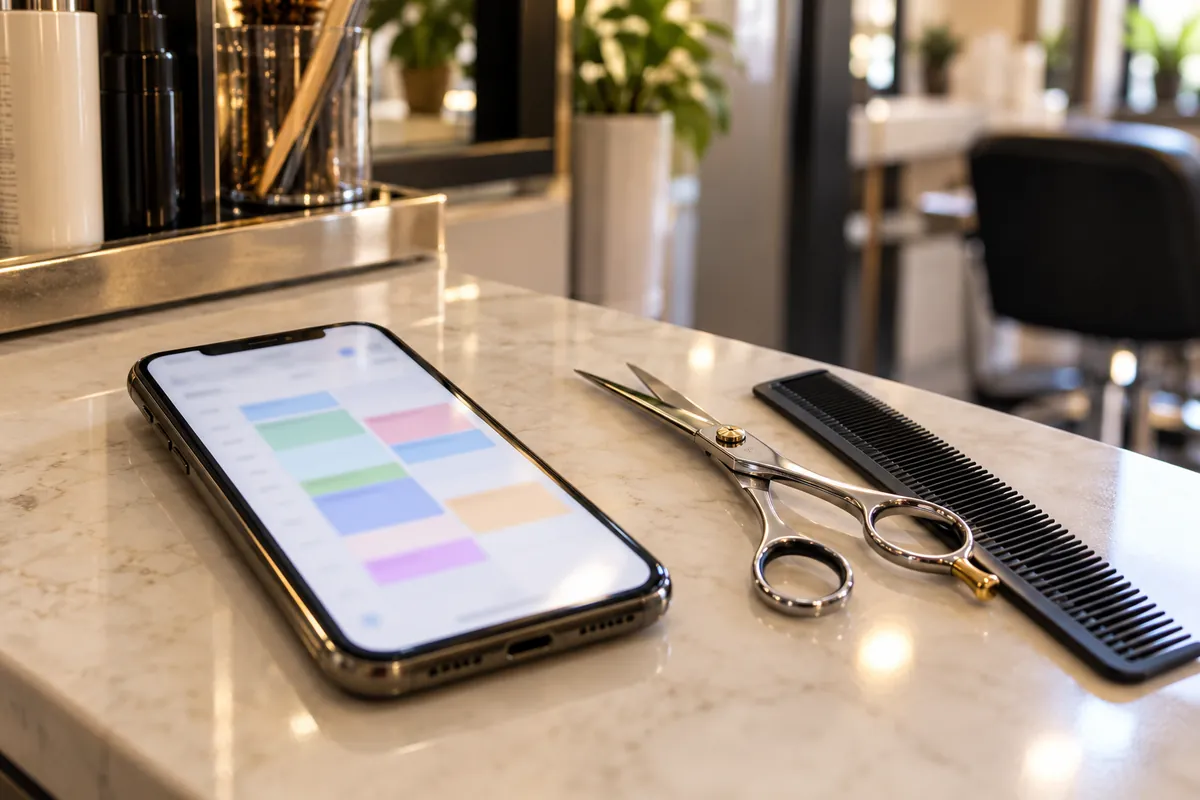
Once your license is active again, set up a system so this does not happen twice. Put your expiration date in your phone calendar with reminders well in advance. Keep your contact details current with the board, especially after moves. Create a folder for each renewal cycle holding your CE certificates and receipts. If your board offers email notices or an online account, use them.
If you know you will be away from the profession for a while, check whether your state offers inactive status. Choosing inactive status deliberately, before expiration, is often simpler than reinstating after a lapse. Ask the board what is required to keep a license inactive and what is required to reactivate it later.
Also keep an eye on related licenses. If you own a salon, rent a booth, or teach, those licenses or permits may renew on separate schedules. Track each one. A personal license in order does not help if your shop license has lapsed.
Rebuilding a clientele takes patience. Reach out to former clients if you still have permission to contact them, let them know you are back and licensed, and offer a simple way to book. Update your social profiles and any directory listings with your active status. Clients often return quickly to a stylist they trusted, and word of mouth does the rest.
Finally, keep copies of your reinstatement approval and the active license record with your other career documents. If you apply for a license in another state, become an instructor, or open a salon later, boards sometimes ask about past lapses. Having the paperwork ready turns that question into a short, simple answer.
Returning to the Chair After a Long Break
Reinstatement is the legal part of coming back. The practical part matters just as much. After a long break, your hands, timing and product knowledge may be rusty, and trends in cutting, color and texture services may have moved on. Give yourself time to rebuild. Practice on mannequins, assist a colleague, or take a hands-on refresher class before booking a full schedule.
Review infection control carefully. Disinfectant products, contact times and inspection standards may differ from what you remember. Read the current rules in your state and update your station setup. Clients notice clean, organized work, and inspectors check for it.
Think about how you want to work now. You may return to the same type of salon, or this may be a chance to change: booth rental, a suite, a specialty, or teaching. My guide on what you can do with a cosmetology license lists career paths that might fit your next chapter.
Reconnect with your professional network too. Former colleagues, school instructors and suppliers can tell you what has changed in your area, which salons are hiring and which skills clients now ask for most. A few conversations often save weeks of guessing and can lead directly to your first clients after reinstatement.
Consider booking your first returning clients with longer appointment times than you used before the break. A relaxed pace lets you work carefully, check results and rebuild speed naturally, without the pressure of a tight schedule in the first weeks.
Give yourself credit for coming back. Returning to a licensed profession after a lapse takes organization and persistence, and the same qualities make a good stylist. With a clear plan, the reinstatement paperwork becomes a short chapter rather than an obstacle, and your experience is waiting for you on the other side of it.

Your Next Step
Look up your license on your state board's website today and save a copy of the record. Read the reinstatement rule for your license type, note the documents and any CE or exam requirements, and update your contact details. Reach your board through our cosmetology licensing hub, and if you want to refresh your theory before returning, explore our cosmetology course.
State Requirements
State licensing guides
Hours, exams, fees, and the licensing board differ by state. Open your state for the current requirements.
Common Questions
FAQ
In many cases, yes. Most boards allow reinstatement of an expired license through an application, fees and sometimes continuing education or re-examination. The steps depend on your state and how long the license has been expired. If it has been expired a very long time, some boards require a new license. Check your board through our cosmetology licensing hub.
Renewing usually means extending an active license before it expires. Reinstating usually means restoring a license that has already expired. Reinstatement often involves extra fees, documents or requirements. My guide on how to renew a cosmetology license covers routine renewal.
It depends on your state and how long your license has been expired. Some boards require re-examination only after a long lapse, others never require it, and some treat very old lapses as new applications. Read your board's reinstatement rule and ask directly which parts of the exam, if any, you must retake.
Generally, no. Until the board shows your license as active, you should not perform licensed services unless the board tells you in writing that you may. Working on an expired license can lead to fines and may affect your insurance coverage. Wait for active status and save a copy of the record.
Stop practicing as soon as you find out and begin reinstatement right away. Answer any application questions about practicing during the lapse honestly, because false answers are usually treated more seriously than the lapse itself. If you are concerned about consequences, consider speaking with an attorney who handles professional licensing.
Often it is, in states that offer it. Choosing inactive status before expiration usually keeps your license on record under clear rules, and reactivation can be simpler than reinstatement. Requirements for inactive status and reactivation vary, so ask your board before stepping away from work.
It can. Some states require an active license in good standing for licensing by endorsement. Others focus on your training and exam history. Ask the new state's board how an expired license affects your application, and read my guide on cosmetology license reciprocity.
Keep Reading
Related Guides


