Career
Esthetician Liability Insurance: Coverage Types and What to Ask

Quick answer
Esthetician liability insurance helps pay for claims that your service harmed a client and, under general liability, for accidents such as falls. Booth renters and suite owners usually need their own policy, while employees may be covered by an employer's policy only for work done on the job. Check that every service you offer is covered, whether the policy is occurrence or claims-made, and the limits.
Esthetician liability insurance is coverage that helps pay for claims made against you when a client says your work caused them harm, or when someone is injured or their property is damaged in connection with your business. For an esthetician, that might mean a client who reports a burn after a peel, a reaction after waxing, an infection after extractions, or a fall in your treatment room. Even careful professionals face complaints, and the cost of responding to a claim, including legal defense, can be serious whether or not you did anything wrong.
I am Aida Khazieva, a licensed cosmetologist and electrologist with more than twenty years of practice, and I have carried my own coverage through employment, booth rental and running my own studio. This guide explains the main coverage types estheticians usually consider, the questions to ask before you buy, how needs differ for booth renters, suite owners and employees, and the mistakes that leave people uncovered at the worst moment. I will not recommend any insurer or quote prices, because both vary by state, services and history. Insurance rules and any requirements tied to your license also vary, so check with your state board through the esthetics licensing hub and with a licensed insurance professional.
Why Estheticians Need Liability Coverage
Esthetics involves direct contact with skin, often with heat, chemicals, wax, electrical devices or sharp instruments. Most treatments go smoothly, but skin is unpredictable. A client may not disclose a medication that increases sensitivity, may have an allergy no one knew about, or may not follow aftercare. Even when you follow protocol perfectly, a client can believe that your treatment caused a problem and decide to pursue a claim. Liability insurance exists so that one complaint does not threaten your savings or your business.
Coverage is not only about paying damages. In many policies, a large part of the value is the defense: the insurer arranges and pays for legal help to respond to a claim, within the policy's terms. Without coverage, you would have to find and pay for that help yourself, even for a claim that turns out to have no merit. For a self-employed esthetician, that cost alone can be significant.
There are also practical reasons beyond risk. Many salons, spas and suite landlords require proof of insurance before you can rent space or work as an independent contractor. Some ask to be named on your policy as an additional insured. Some brands or training providers require proof of coverage before they sell you professional products or devices. And some clients, especially those referred by medical providers, may ask whether you are insured. Having coverage in place makes these conversations easy.
The Main Coverage Types Explained
Insurance terms can be confusing, and different insurers bundle coverage in different ways. Below are the coverage types estheticians most often discuss. Your policy may combine several of them into one package, or sell them separately. Read definitions in the actual policy, because names and details vary.
| Coverage type | What it generally addresses | Example situation |
|---|---|---|
| Professional liability | Claims that your professional service caused harm | A client reports a burn or reaction after a treatment |
| General liability | Bodily injury or property damage not caused by the service itself | A client slips on a wet floor in your room |
| Product liability | Claims related to products you use or sell | A client reports a reaction to a retail product |
| Business property | Damage to or theft of your equipment and supplies | Your devices are damaged in a fire or stolen |
| Business interruption | Lost income when a covered event stops work | Your studio closes temporarily after covered damage |
| Workers' compensation | Injuries to your employees at work | An employee you hire is injured on the job |
| Cyber liability | Data breaches affecting client information | Your booking system is breached |
Professional liability, sometimes called malpractice or errors and omissions in other fields, is usually the core coverage for estheticians because it addresses harm arising from the service itself. General liability covers accidents that could happen in any business, such as falls. Many esthetician policies combine the two. Product liability matters if you retail skincare, and it matters more if you sell products under your own label.
Workers' compensation rules are set by each state, and requirements depend on whether you have employees and how many. If you hire anyone, ask an insurance professional or your state's labor agency what applies. Do not assume that independent contractors who work in your studio are automatically outside these rules; classification of workers is a legal question, and misclassification can create liability.
Exclusions deserve as much attention as coverage. Policies list situations they do not cover, and those lists differ between insurers. Common examples in many liability policies include intentional acts, work performed while unlicensed, services outside the listed categories, and certain specialized treatments that require separate coverage. Ask for the exclusions section and read it slowly, with your service list beside you. If any line is unclear, ask the agent to explain it in plain words and note the answer.

Occurrence vs Claims-Made Policies
One of the most important details in professional liability is whether the policy is written on an occurrence basis or a claims-made basis. This sounds technical, but it decides whether you are covered for a claim that arrives long after a treatment. With an occurrence policy, coverage generally depends on when the incident happened. If you were insured on the date of the treatment, the policy that was in force then may respond, even if the claim is filed after the policy ended.
With a claims-made policy, coverage generally depends on when the claim is made and reported. Both the incident and the claim usually need to fall within the policy period or a defined retroactive period. If you cancel a claims-made policy and a former client files a claim later, you may have no coverage unless you bought an extended reporting period, often called tail coverage. This matters if you retire, switch careers, change insurers or move.
Neither type is automatically better. They are priced and structured differently. What matters is that you know which one you have and plan accordingly. If you change insurers while on a claims-made policy, ask how the new policy handles prior acts and whether a retroactive date carries over. Gaps between policies are where estheticians most often lose coverage without realizing it.
Coverage Must Match Your Services and Scope
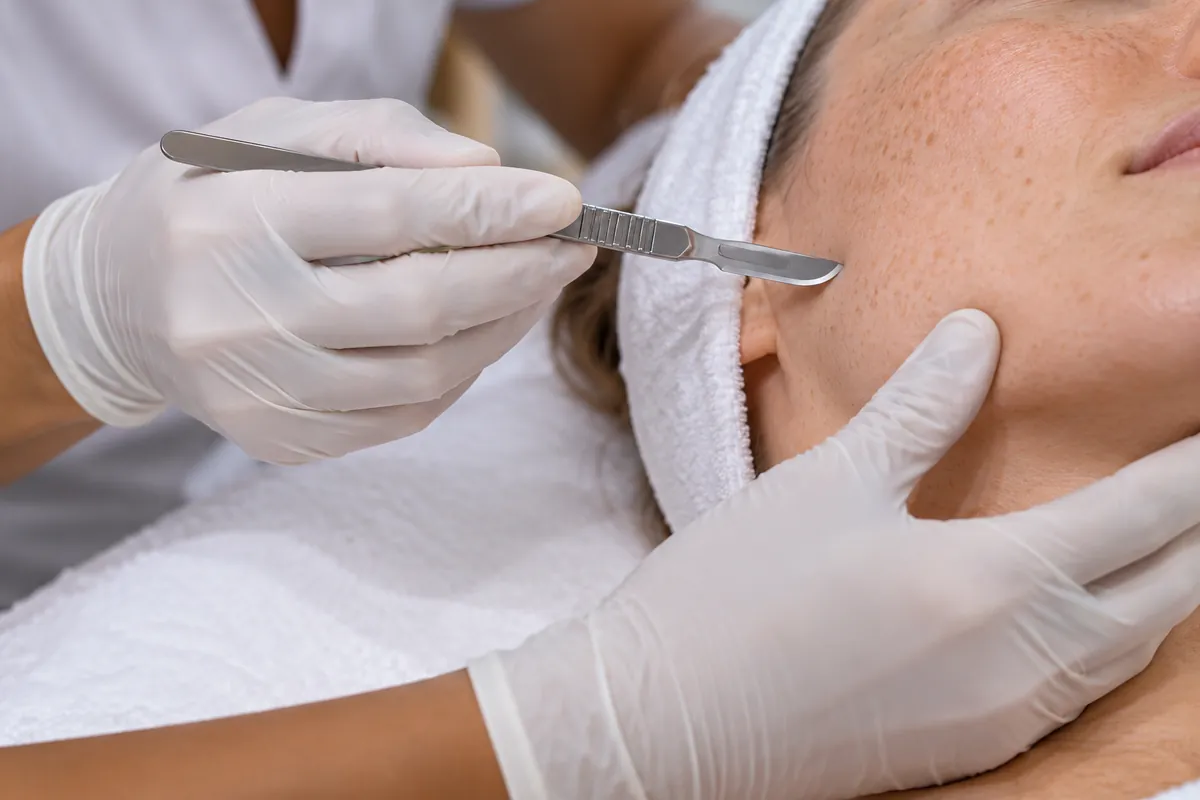
A policy covers the services it lists or describes, under the conditions it sets. If you perform a service that the policy excludes or does not mention, you may have no coverage for a claim related to it. This is one of the most common gaps I see. An esthetician buys a basic policy when starting out, then adds chemical peels, dermaplaning, microcurrent, lash extensions or body treatments over the years, and never updates the insurer. The day a claim arises from one of those services is the day they discover the gap.
Insurers also look at legal scope of practice. A policy generally will not cover services that your license does not allow in your state, even if you took a course and received a certificate. If a service is allowed only under medical supervision in your state, the policy may require that supervision to be in place. Before adding any service, check your state board's rules and then confirm with your insurer, in writing, that the service is covered as you will perform it.
Keep a list of every service you offer, the training you completed for each, and the date you confirmed coverage. Update it each time you add or drop a service. When you renew, send the current list to your insurer or agent and ask them to confirm that each service is included. This is a few minutes of work that protects years of income. My guide on esthetician continuing education covers how to check scope before enrolling in new training.
Training records matter here too. Some insurers ask for proof of training in particular services, either at application or when a claim arises. Keep certificates, course outlines and dates in the same folder as your policy, organized by service. If a claim involves a service, being able to show when and where you trained, and that it was within your scope, supports both your defense and your coverage.
Booth Renters and Suite Owners
If you rent a booth, room or suite, you are usually running your own business, and you are responsible for your own coverage. The salon or suite owner's policy is written to protect their business. It generally does not cover your professional services, your equipment, or claims made against you personally. Many landlords require you to carry your own professional and general liability coverage and provide a certificate of insurance before you start.
Read your rental agreement carefully. It may require specific coverage types, minimum limits, or that the landlord be named as an additional insured. It may also include indemnification language, meaning you agree to cover certain losses the landlord suffers because of your work. Show the agreement to your insurance professional and ask whether your policy meets every requirement in it. If the agreement asks for something your policy does not include, sort that out before signing.
Suite owners have additional exposures compared with a chair in a shared salon. You may control the space, so general liability for falls and accidents inside your suite becomes more important. You may own expensive equipment, so business property coverage matters. If you store client records, cyber and privacy issues come into play. My guide on booth rental vs commission covers the wider trade-offs of renting, and home studio vs renting a suite compares space options.

Employees: What Your Employer's Policy Covers
If you work as a W-2 employee in a spa, salon, medical office or resort, your employer usually carries business insurance that covers work you do within your job. In many cases, that coverage extends to you as an employee acting within the scope of your employment. But details differ by policy, and you should not assume. Ask your employer, politely and in writing, whether their policy covers employees for professional liability and whether there are any services or situations it excludes.
There are several situations where an employee may want personal coverage as well. If you do any work outside your job, such as weekend clients at home, events, or freelance shifts, your employer's policy almost certainly does not cover that work. If your employer's limits are low, or if a claim names you personally, you may want your own policy for additional protection. And if you leave the job, your employer's coverage generally stops applying to future claims about your work there, depending on the policy terms.
Some employees choose a personal policy simply for peace of mind and portability. It moves with you between jobs and covers side work, which many estheticians do at some point. Discuss this with an insurance professional, who can explain how a personal policy would interact with an employer's coverage in your situation. Avoid buying duplicate coverage blindly, but do not assume that being employed means you are fully protected everywhere.
Whatever setting you work in, keep your certificate of insurance easy to share. Save a current PDF on your phone and in your email so you can send it when a venue, landlord or employer asks. It is a small detail that makes you look organized and saves last-minute stress.
Questions to Ask Before You Buy
Insurance is a contract, and the details matter more than the headline price. When you speak with an agent, broker or insurer, bring a list of your services, your work setting, and any contracts that require insurance. Then ask direct questions and write down the answers. If an answer is vague, ask for the relevant policy wording. Here is the list I use and share with students.
- Is this policy occurrence or claims-made, and what is the retroactive date?
- Which of my services are covered, and which are excluded?
- What are the limits per claim and in total for the policy period?
- Are legal defense costs included within the limits or in addition to them?
- Is there a deductible, and how does it apply?
- Does the policy cover product liability for products I use and products I sell?
- Does it cover work at other locations, such as events or mobile appointments?
- Can I add additional insureds, such as my landlord, and how quickly?
- Does it include business property, and at what value?
- What must I do if a client complains or threatens a claim?
- How does cancellation work, and is tail coverage available?
- Is there any requirement about training, licenses or supervision for coverage to apply?
The question about defense costs is often overlooked. Some policies pay defense costs within the policy limit, which means the money spent on lawyers reduces the amount left to pay a settlement or judgment. Others pay defense in addition to the limit. Neither is necessarily wrong, but the difference matters when comparing options. The question about what to do when a client complains is equally important: many policies require prompt notice, and late notice can affect coverage.

Understanding Limits and Deductibles
Every liability policy has limits: the most the insurer will pay. Policies often show a per-claim or per-occurrence limit and an aggregate limit, which is the most paid for all claims during the policy period. Some policies have separate limits for different coverage parts, such as professional liability, general liability and product liability. When a landlord or employer asks for minimum limits, they are referring to these numbers.
Choosing limits is a judgment call that depends on your services, setting, contracts and personal circumstances. Higher-risk services, larger client volume, or contracts that require specific minimums may push you toward higher limits. I will not suggest amounts, because they depend on your situation and the market in your state. Ask your insurance professional to explain the options and what a typical claim in your type of practice could involve.
A deductible is the part of a covered loss you pay yourself before the insurer pays. Some esthetician policies have no deductible on liability coverage, others do. Property coverage often has a deductible. A higher deductible may reduce your premium but means more out-of-pocket cost when something happens. Make sure you could comfortably pay the deductible if you had a claim tomorrow.
Reducing Claims Through Everyday Practice
The best insurance claim is the one that never happens. Most complaints I have seen in esthetics trace back to a few causes: incomplete consultation, missing consent, unclear aftercare, poor documentation, or a service performed on someone who should have been referred elsewhere. Insurers know this too, and some ask about your procedures when you apply. Strong habits protect your clients and your business at the same time.
- Use a detailed intake form covering medications, allergies, skin conditions, recent procedures and pregnancy.
- Review intake answers with the client, not just collect the form.
- Use written, service-specific consent forms explaining risks and expected results.
- Patch test where appropriate and record the result.
- Document each treatment: products, settings, duration, skin response and any concerns.
- Give written aftercare and keep a copy of what you provided.
- Refer clients with suspicious lesions or medical concerns to a physician or dermatologist.
- Follow up after first-time or higher-risk services and record the follow-up.
Documentation is your memory when a complaint arrives months later. A note that says facial, client happy is useless in a dispute. A note that lists the products, the strength or settings, the exposure time, the skin response and the aftercare given shows a professional who works carefully. Keep records securely and for as long as your state requires, or longer if your insurer advises. My guide on common new esthetician mistakes covers several of these habits from the practical side.
Photographs can support your records when used carefully. With the client's written permission, before and after images of the treated area, taken in consistent light, can show the skin's condition at each visit. Store them securely with the client file, never on a personal social media account, and follow privacy rules for health-related information. If a client later reports a problem, clear photos from before treatment can help show what was already present, such as existing pigmentation or irritation. Ask your insurer whether they have guidance on photo documentation for your services.

If a Client Complains or Threatens a Claim
When a client contacts you upset about a reaction or result, your first responsibility is the client's well-being. Listen carefully, ask what they are experiencing, and if there is any sign of infection, a significant burn, an allergic reaction or anything that looks medical, advise them to see a physician promptly. Do not diagnose, and do not try to treat a possible medical problem yourself. Stay calm and respectful, even if you believe the complaint is unfair.
At the same time, protect your position. Document the contact: date, time, what the client said and what you advised. Retrieve and preserve the treatment record. Avoid admitting fault, promising payment or offering refunds as compensation for an injury before talking to your insurer, because such statements can complicate a claim. Kindness and empathy are fine; legal conclusions are not yours to make in the moment.
Then contact your insurer or agent as soon as possible and follow the reporting process in your policy. Many policies require prompt notice of incidents that might lead to a claim, not only of formal lawsuits. Reporting early does not mean you admit wrongdoing. It allows the insurer to advise you and protects your coverage. If you are an employee, inform your employer according to workplace policy as well.

State Requirements, Licensing Boards and Insurance
Some states or local authorities may tie certain insurance requirements to business licenses or specific services, while most leave insurance choices to the practitioner and to private contracts with landlords and employers. Requirements can also depend on the type of business entity you form. Because these rules vary and can change, check your state board's website and your local business licensing office. Your insurance professional can also tell you about any requirements in your area.
Remember that a licensing board and an insurer play different roles. The board regulates your license and can discipline you for violations of practice rules. The insurer responds to claims according to your policy. A complaint can lead to both a board investigation and an insurance claim. Some policies include limited coverage for legal help with board complaints; ask whether yours does. Keeping your license current and your practice within scope supports you on both fronts.
If you are forming a business entity such as an LLC, note that the entity may limit some business liabilities but generally does not shield you from claims about your own professional work. Insurance remains important regardless of business structure. My guide on business structure for independent beauty professionals discusses this in more detail, and a business attorney can advise on your situation.

Reviewing Your Coverage Every Year
Your practice changes over time, and your insurance should change with it. Set a yearly review, ideally a few weeks before renewal. Compare your current services, locations, equipment, retail products and contracts with what the policy covers. Check whether you added staff, moved to a suite, started mobile work, launched your own product line, or plan a break. Each of these can change what you need.
During the review, also read any changes the insurer made to the policy. Insurers sometimes update exclusions or definitions at renewal, and these changes are easy to miss. If something looks different, ask about it before renewing. Make sure your certificate of insurance is current with your landlord or anyone else who requires it, and update any additional insured endorsements.
Finally, keep a copy of every policy year, not just the current one. If a claim arises later about an old treatment, especially with an occurrence policy, you will need the policy that was in force at the time. Store them with your treatment records and your license documents, backed up digitally.
If your business grows to include other estheticians, as employees or renters, revisit coverage with that growth in mind. Each person working under your roof changes your exposure, and you need to understand which policy responds to a claim about their work: theirs, yours, or both. Clear written agreements and matching insurance requirements for everyone in the space prevent disputes later.

Comparing quotes without being fooled by price
Two quotes that look the same are often not. One policy might list your services by name while another covers only a general category. One might include products you apply and another exclude them. One might carry a waiting period for new businesses or limits on mobile work. Read the declarations page and the exclusions side by side, not only the headline price. If an agent cannot explain a term in plain words, ask for the explanation in writing. A cheaper policy that excludes your main service is more expensive than it looks.
Pay attention to who the policy protects. Some policies cover only you, others add your salon, landlord or employer as an additional insured, which is often required by a lease or a host business. Ask whether the cover applies to every location where you work, including a suite, a client's home or an event. Ask whether you can cancel and how refunds work. Keep a copy of the certificate of insurance, since landlords and suite owners frequently ask for it before you start.
- Are all my services named in the policy?
- Are products I apply covered?
- Does it cover each location I work in?
- Is the claim type occurrence or claims-made?
- Can I name a landlord or salon as additional insured?
- What exclusions apply to new or advanced treatments?
Adding new services without losing coverage
Estheticians love to add services: a new peel, a device treatment, microneedling where the state allows it, lash lifts, or a new brand of waxing. Each addition can change your risk and sometimes your eligibility for coverage. Before you launch a service, check whether your state permits it for your license, whether your training covers it, and whether your policy lists it. Tell your insurer in writing and ask for an endorsement if needed. Launching first and asking later puts you in a position where a claim may be refused.
Training matters here as much as paperwork. Insurers and boards both expect that you learned a new service properly. Keep certificates, product instructions, manufacturer training and your own practice notes. If a device is involved, record maintenance and settings used. Start with a small group of clients or willing models, document outcomes, and write a clear consent form for that treatment. Good habits at the start of a new service are what protect you when something unexpected happens, and they are also what make the service worth offering.
Last, remember that coverage is only one layer. Careful consultation, honest contraindication screening, clean tools, clear aftercare and prompt documentation prevent most problems before an insurer ever becomes involved. When you talk to an agent, you can describe those habits and show your forms, which often supports a better conversation about your risk. Read our guide on common new esthetician mistakes to see which habits to build early.
If you work with a team, remember that everyone's habits affect everyone's risk. Agree on shared standards for cleaning, consent and documentation, and review them together when someone new joins. A single careless colleague can bring a complaint to the whole business. Written house rules, signed by each person, make expectations clear and give you something concrete to point to if a dispute arises later.
Finally, keep a short list of who to call when something happens: your insurer's claims line, your agent, your board for reporting questions and a trusted attorney if you have one. Put it where you can find it quickly, not only in your head. Clients who see you handle a problem calmly and professionally often stay with you, even after an unpleasant event.
One more habit worth building is a simple incident log. Note the date, the client's concern in their own words, what you observed, what you did and what you advised, and keep it with the client record. Short, factual notes made at the time carry far more weight than a memory reconstructed weeks later, for you and for your insurer.
Your Next Step
Write a list of every service you offer, every place you work and every contract that mentions insurance. Take that list to a licensed insurance professional and use the questions in this guide to compare options. If you are still training, build a strong foundation in skin science and contraindications with our esthetics course, which supports but never replaces your state-required training and license, and confirm your state's rules through the esthetics licensing hub.
State Requirements
State licensing guides
Hours, exams, fees, and the licensing board differ by state. Open your state for the current requirements.
Common Questions
FAQ
Many estheticians carry it because skin treatments carry real risk and a claim can be costly even when it has no merit. Whether it is legally required depends on your state, local rules and contracts. Landlords, salons, suites and some product suppliers often require proof of insurance. Check your state board through our esthetics licensing hub and ask an insurance professional.
Professional liability generally addresses claims that your service itself caused harm, such as a burn or reaction after a treatment. General liability generally addresses accidents and property damage not caused by the service, such as a client slipping in your room. Many esthetician policies combine both, but read the definitions in your own policy.
Often it covers employees acting within their job, but details vary by policy. It almost certainly does not cover work you do outside your job, such as private clients or events. Ask your employer in writing what the policy covers and consider whether a personal policy makes sense for side work or extra protection.
Usually yes. A salon or suite owner's policy is written to protect their business, not your professional services or equipment. Most rental agreements require renters to carry their own professional and general liability coverage, and some require naming the landlord as an additional insured. Review the agreement with an insurance professional before signing.
Generally not. Policies typically cover only services your license allows in your state, performed under any required conditions. A course certificate does not expand your legal scope. Check your state board's rules before adding a service, then confirm coverage with your insurer in writing.
Tail coverage, or an extended reporting period, applies to claims-made policies. It allows claims reported after the policy ends to be covered if the incident happened while you were insured. It matters if you retire, change careers or switch insurers. Occurrence policies work differently and generally do not need tail coverage.
Put the client's health first and advise them to see a physician if anything looks medical. Document the contact, preserve the treatment record, avoid admitting fault or promising payment, and notify your insurer promptly according to your policy. Early notice protects your coverage and lets the insurer guide your next steps.
Keep Reading
Related Guides


