Electrolysis
Electrolysis Side Effects and Risks: What Is Normal, What Is Not
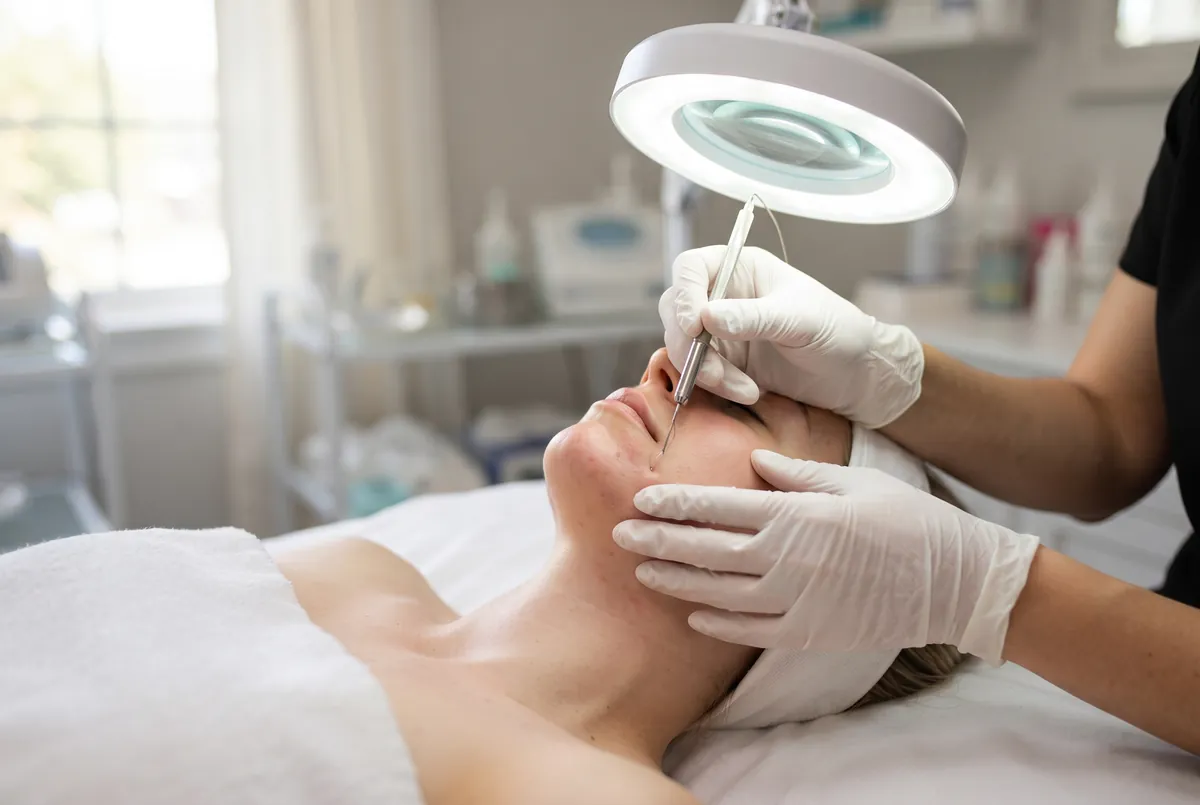
Quick answer
Most electrolysis side effects are mild and short-lived: pink redness around treated follicles, a little puffiness, and sometimes tiny scabs that flake off within days. Less common problems such as dark spots, pitting, or infection usually trace back to aggressive settings, rushed technique, poor hygiene, sun exposure, or picking. Bumps that turn hot, spread, or bring fever need a doctor.
Most electrolysis side effects are mild, short-lived, and predictable: a pink flush around the treated follicles, a little puffiness, and sometimes tiny scabs that flake off within days. In more than twenty years of practice as a licensed electrologist, I have found that the reactions clients worry about most, like scarring or dark spots, are rarely caused by the method itself. They come from settings that are too aggressive for the skin, rushed technique, poor hygiene, or aftercare that gets dropped once the redness fades. That is good news, because every one of those factors can be checked before you book and managed while you are in the chair.
This guide is written for clients who want an honest picture before committing to a course. It covers what counts as a normal reaction, the less common problems and what causes them, who should speak with a physician first, and how to tell a careful practitioner from a risky one. It does not repeat the full day-by-day aftercare routine or the complete screening checklist practitioners use, since those have their own guides linked below. Think of it as a map of what can happen, why it happens, and what you can do about each part. Nothing here replaces advice from your own physician or dermatologist about your skin and health history.
What Is Normal After a Session
Electrolysis works by sliding a very fine probe into the natural opening of the hair follicle and delivering a small, controlled amount of energy that damages the growth cells at its base. The skin around each treated follicle responds the way it responds to any minor, controlled injury: blood flow increases, a little fluid collects, and healing starts. That response is what you see in the mirror afterward. It is a sign the follicle received energy, not a sign that something went wrong. How strong it looks depends on how many follicles were treated, how close together they sit, which area of the body was worked on, and how reactive your skin is in general.
- Redness: a pink or red flush around the treated follicles, strongest right after the session and usually fading within hours to a day or so.
- Swelling or small welts: tiny raised bumps around individual follicles that usually flatten within hours. On the upper lip and near the eyes, swelling can look more dramatic than it really is.
- Pinpoint spots: small red or brownish dots at the follicle openings that may appear a day or two later and fade as the skin renews.
- Tiny scabs: crusts about the size of a pinhead, more common on the body and with coarse, deep hairs, that fall off on their own.
- Tenderness or warmth: the area can feel like a mild sunburn for the rest of the day.
- Small whiteheads: occasional tiny pustules on the chin, jawline, or bikini line a day or two later, which typically clear without squeezing.
The key word for all of these is short-term. Normal reactions peak early and then steadily improve. When clients call me worried, the first thing I ask is whether the area looks better, the same, or worse than it did the day before. Better is the normal direction. The same after several days is worth a message to your practitioner. Worse, especially with increasing pain, heat, or spreading redness, is a reason to be seen. For the full routine that keeps these reactions short, read the complete electrolysis aftercare guide, which walks through washing, products, sun, and exercise day by day.
How Reactions Differ by Treatment Area
The same settings produce different reactions on different parts of the body, which is why a client can have a barely visible chin session one week and a noticeably puffy upper lip the next. Skin thickness, blood supply, how densely the hairs grow, how deep the follicles sit, and how much friction the area gets from clothing all play a part. Coarse, hormonally driven hair on the chin or neck needs more energy per follicle than fine hair on the forearm, and more energy means a stronger local reaction. The table below is a general guide based on what I see in practice, not a prediction for any individual client.
| Area | What clients commonly notice | What tends to help |
|---|---|---|
| Upper lip | Visible swelling and redness, sometimes more on one side | Cool compress, shorter sessions, no makeup until settled |
| Chin and jawline | Redness, occasional small whiteheads with coarse hair | Clean hands, no picking, a fresh pillowcase |
| Eyebrows | Mild redness that fades quickly | Sun protection, no brow products on treated skin |
| Neck | Redness and small scabs on dense growth | Loose collars, no tight scarves over the area |
| Underarms | Tenderness and bumps from friction and sweat | No deodorant on treated skin briefly, breathable clothing |
| Bikini line | Redness, bumps, occasional whiteheads | Loose cotton underwear, no tight workout clothes right away |
| Legs and arms | Tiny scabs and pinpoint spots, usually less swelling | Gentle washing, no shaving over scabs |
Two patterns in that table deserve attention. First, areas under friction, like the bikini line and underarms, tend to hold onto bumps longer because clothing and sweat keep irritating the follicle openings. Second, areas with coarse, deep hair, like the chin in a client with hormonal growth, tend to show more small whiteheads. Neither pattern means the treatment is failing. It means aftercare for that area needs to focus on friction and hands-off habits. If your skin reacts strongly everywhere, a practitioner can lower intensity, work smaller patches, and space visits further apart, all of which I cover in the guide to electrolysis for sensitive and reactive skin.
Less Common: Temporary Pigment Changes
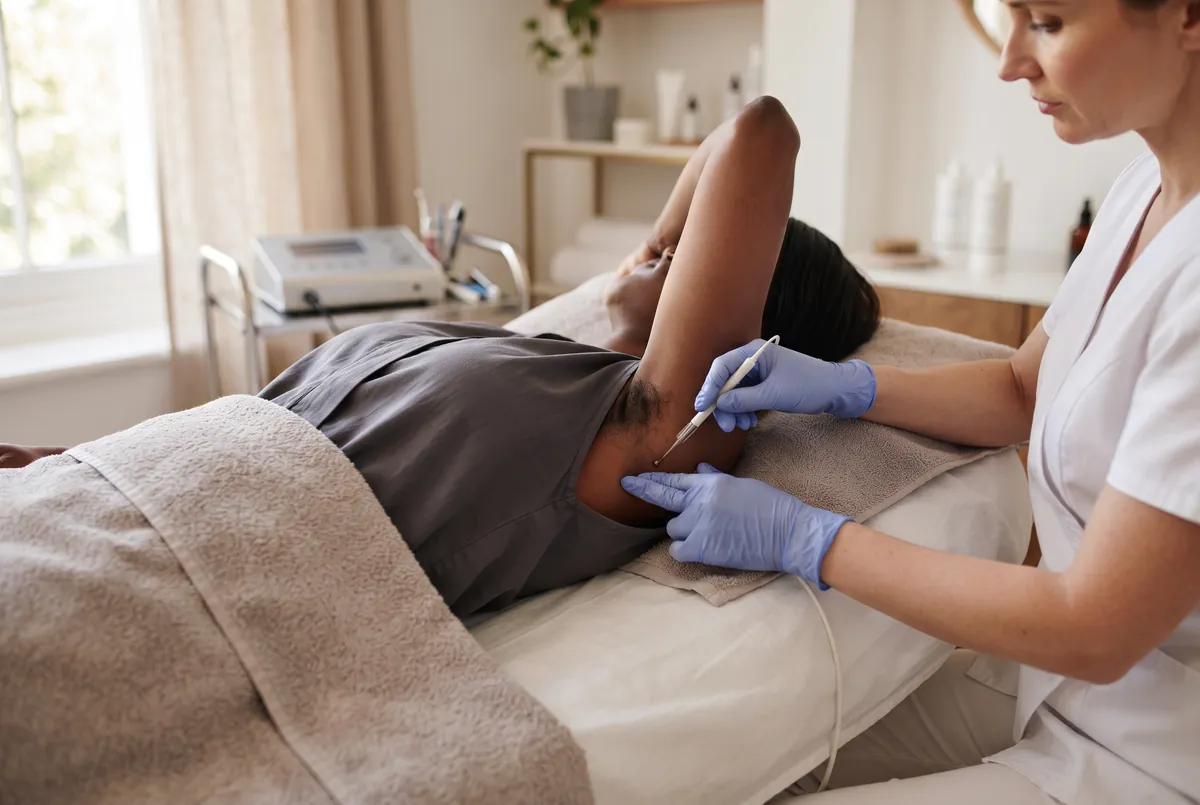
Pigment changes are the side effect most clients have heard about, and they are worth understanding clearly. Post-inflammatory hyperpigmentation is darkening that follows any inflammation in the skin, whether from acne, a scratch, a burn, or electrolysis. Pigment cells respond to irritation by producing more melanin, which can leave small brown dots at treated follicles. It is more likely in medium and deeper skin tones, in skin that has recently been tanned, and in areas that get sun right after a session. Less often, skin can lighten slightly at treated sites. That is called hypopigmentation, and it is more often linked to excessive heat concentrated in a small area.
In most cases, post-inflammatory darkening is temporary and fades gradually as the skin renews, though that can take weeks or months rather than days. The most effective prevention is also the least exciting: daily broad-spectrum sunscreen on treated areas that see the sun, no tanning before or during a course, and no picking at scabs. For clients with deeper skin tones, I keep the energy conservative, avoid treating hairs that sit very close together in the same session, and leave more time between visits to the same patch. Electrolysis works on every skin tone, which is one of its real advantages over laser, but the approach has to respect how that skin heals.
If you notice brown spots that are not fading between sessions, tell your practitioner before the next appointment rather than after it. The fix is usually a change in settings, spacing, or area rotation, not stopping treatment. If spots last a long time, or you already struggle with melasma or stubborn dark marks after breakouts, a dermatologist can advise on sun protection and topical options that suit your skin. Do not start strong exfoliating acids or lightening products on your own while the skin is still healing from electrolysis, since irritating healing skin can make darkening worse rather than better.

Pitting and Scarring: Why Technique Decides the Outcome
Scarring is the fear I hear most often from new clients, usually because someone they know had a bad experience years ago or they read a frightening review. The honest answer is that when electrolysis is performed correctly, with the right probe, accurate insertion, and energy matched to the hair and skin, lasting scars should not happen. When something does go wrong, the causes are usually identifiable. Too much energy for the skin, probes inserted at the wrong angle or depth, hairs treated too close together in one session, the same patch overtreated before it has healed, and scabs picked off at home are the patterns behind most marks.
Pitting refers to small, shallow depressions at the follicle opening, sometimes with a slightly textured look. It happens when heat reaches the upper layers of skin instead of staying down near the base of the follicle, often because of shallow insertion or too much current for the area. During treatment, a warning sign practitioners watch for is blanching, where the skin right around the probe turns white or grayish. A careful electrologist sees that and adjusts immediately. If you ever notice white rings forming, or feel a burning that lingers after the probe comes out, say so. It is feedback your practitioner needs, not a complaint, and a good one will thank you for it.
Clients with a personal or family tendency toward keloids or raised scars need extra caution. For them, even a small, controlled injury can occasionally heal with more scar tissue than expected. That does not automatically rule out electrolysis, but it does mean a conversation with a dermatologist first and, if cleared, a small test area treated and watched through full healing before any larger work. The same applies to anyone who has scarred unexpectedly from minor things like ear piercings or small cuts. A practitioner who sees keloid history on an intake form and proceeds as usual, with no test area, is not being careful enough.
Infection and Folliculitis: When Hygiene Fails
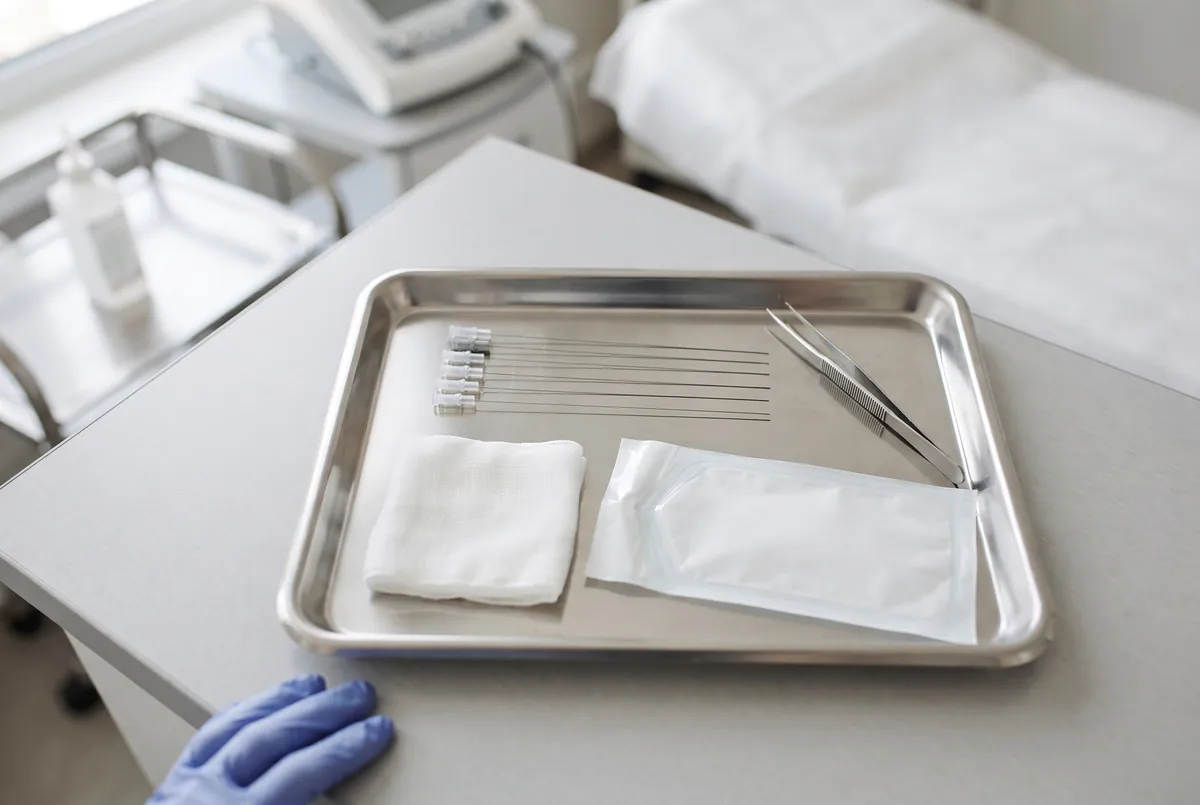
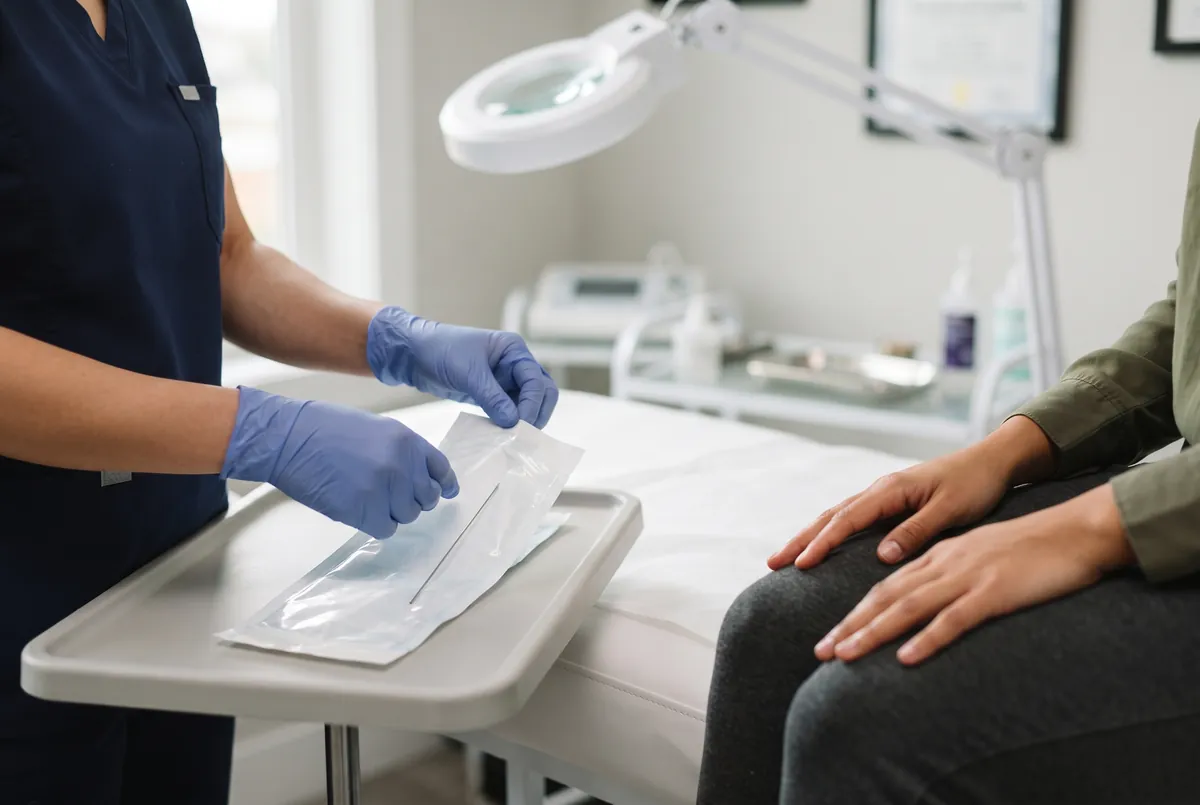
Electrolysis opens the skin at a microscopic level, one follicle at a time, so hygiene is not optional. Current professional practice uses sterile, single-use disposable probes that are opened in front of the client and discarded into a sharps container after the session. Forceps and other reusable instruments should be cleaned and sterilized between clients, and the practitioner should wear fresh gloves, cleanse the skin before starting, and keep the work surface organized so clean and used items never mix. When these basics are followed, infection after electrolysis is uncommon. When they are skipped, bacteria can enter treated follicles, and reused sharps raise the concern of blood-borne infection.
The more common hygiene problem is folliculitis, an inflamed or infected follicle that shows up as a red, tender bump with a white or yellow head. A few small whiteheads are part of normal healing, especially with coarse hair, but a cluster of painful, hot bumps that keeps growing is different. Folliculitis after electrolysis usually traces back to something that happened after the session: touching the area with unwashed hands, sweaty workout clothes, shaving over treated skin, dirty makeup brushes, or a pillowcase that has not been changed. That is why aftercare instructions focus so much on keeping hands, fabric, and tools away from freshly treated skin for the first day or two.
How Modality, Probe, and Settings Change the Risk
There are three modalities in modern electrolysis. Galvanic uses direct current to create a chemical reaction in the follicle that destroys the growth cells. Thermolysis uses high-frequency current to generate heat at the base of the follicle, either in longer manual applications or in very short bursts called flash. Blend combines the two. Each can be performed safely, and each has its own side effect profile when misused. Too much galvanic action can leave the skin inflamed and weepy around the follicle, too much heat in thermolysis can cause surface burns and pitting, and blend carries both risks if settings are pushed. I explain the differences in more depth in galvanic, thermolysis, and blend explained.
The probe matters as much as the current. A probe that is too thin for a coarse hair concentrates energy in a small space and can cause more surface reaction, while a probe matched to the follicle spreads the energy more evenly. Insulated probes, which have a coating along the shaft, direct energy toward the tip and away from the skin surface, and some practitioners prefer them for sensitive areas or clients prone to dark marks. Clients with a known nickel sensitivity should mention it, since probe materials vary and there are options for reactive skin. The guide to electrolysis needles and probes covers materials, sizing, and insulation in detail.
Settings are not something to choose once and forget. A skilled electrologist starts conservatively, checks how each hair releases, watches the skin for surface reaction, and adjusts between areas and even between individual hairs. A properly treated hair should slide out of the follicle without resistance. If it has to be pulled, the follicle was not fully treated, and turning the energy up blindly to compensate is how overtreatment starts. In my practice, the most common source of avoidable side effects I see in clients coming from elsewhere is not the machine brand. It is a rushed pace, aggressive settings aimed at clearing more hairs per session, and returning to the same patch too soon.
Who Should Talk to a Physician First
Electrolysis suits most healthy adults, but some health situations call for a physician's input before the first session. This is not about scaring anyone away. It is about making sure the person who knows your full health history weighs in before a practitioner starts working on your skin. A good electrologist will ask about all of the items below on the intake form. Answer fully, even when something seems unrelated, because details like a medication change or a recent procedure can affect how your skin heals. Practitioners who want the complete screening picture can read the electrolysis contraindications guide for practitioners.
- Pacemakers and other implanted electronic devices: electrical current near an implanted cardiac device needs clearance from the cardiologist first, and many practitioners will not proceed without it in writing.
- Pregnancy: there is no single universal rule, so the physician managing the pregnancy should weigh in. The guide to electrolysis during pregnancy explains the usual approach.
- Keloid or raised scar tendency: see a dermatologist first, then start with a small test area.
- Active skin conditions in the area: psoriasis plaques, eczema flares, active acne, cold sores, rashes, or broken skin should settle before that area is treated.
- Diabetes or other conditions that slow healing: healing may take longer and infection risk may be higher, so physician input helps set a cautious plan.
- Blood thinners or clotting disorders: these can increase bruising and pinpoint bleeding. Never stop a prescribed medication on your own to fit an appointment.
- Isotretinoin, strong retinoids, or photosensitizing medications: skin can be more fragile or reactive, so ask the prescribing doctor about timing.
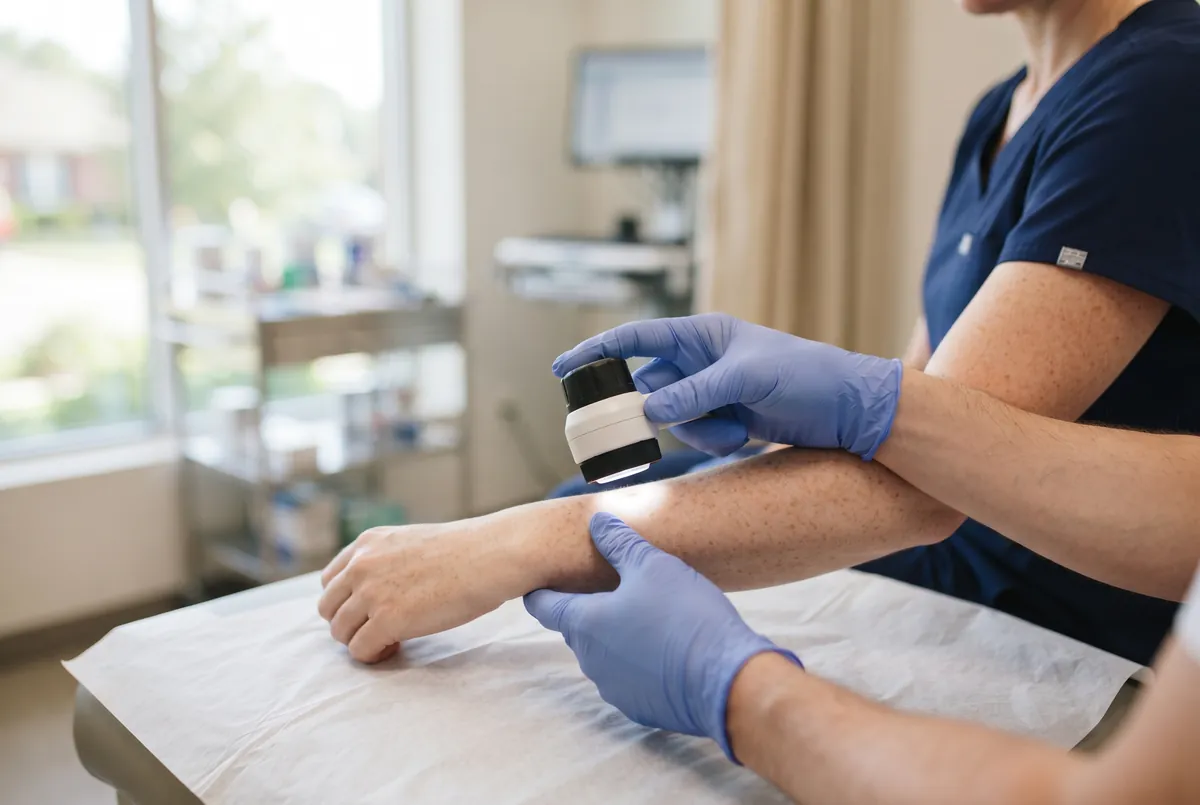
- Moles or unusual spots: have a physician or dermatologist check any mole or lesion before anyone treats hair growing from it.
- Sudden new hair growth: rapid new coarse hair, especially with other symptoms, deserves a medical workup before hair removal.
That last point matters more than clients expect. Electrolysis removes hair permanently, follicle by follicle, but it does not treat the reason hair is growing. If coarse hair appears quickly on the face, chest, or abdomen, or comes with irregular periods, acne, or a deepening voice, a physician should look for hormonal causes such as polycystic ovary syndrome or other endocrine conditions. Treating the cause and the hair together gives better long-term results, and it prevents the frustration of clearing an area while new follicles keep switching on. For clients who already have a diagnosis, the guide on PCOS and unwanted hair explains how electrolysis fits alongside medical care.

Myths and Overblown Fears
Some fears about electrolysis come from older equipment, some from unregulated home devices, and some from simple misunderstanding of how the treatment works. Clearing them up helps clients focus on the risks that are real and manageable instead of the ones that keep them from booking at all. These are the myths I hear most often at consultations, along with what actually happens in a professional treatment room with a trained, licensed practitioner and modern equipment.
- "Electrolysis causes cancer." There is no established link. The current is small, acts locally inside the follicle, and does not travel through the body.
- "You can get shocked." Professional machines deliver small, controlled currents to the probe tip. The sensation is local heat or a sting at one follicle, not a shock through the body.
- "Scarring is inevitable." Correctly performed electrolysis should not scar. Marks are linked to technique, overtreatment, and picking.
- "It makes hair grow back thicker." New hairs during a course are usually untreated follicles entering their growth phase, and partially treated hairs that return tend to be finer.
- "Home devices are safer because you are in control." They put an untrained operator in charge of insertion and energy, which is exactly where most side effects start.
On that last myth, the guide comparing home electrolysis devices with professional treatment goes through the practical differences. One more misunderstanding deserves its own mention: that redness means you are allergic to electrolysis. Redness and swelling are the skin's normal response to controlled injury. A true allergic reaction looks different, with itching, a rash spreading beyond the treated area, or hives, and it is more often linked to an aftercare product, glove material, or probe metal than to the treatment itself. If that happens, stop any new products, tell your practitioner, and see a doctor promptly if it spreads or your lips, tongue, or throat swell.
How to Reduce Your Risk Before and During Treatment
Clients have more control over side effects than they usually realize. The practitioner controls the probe, the settings, and the pace. You control what happens to your skin in the weeks before a session, what you disclose, how you communicate in the chair, and how you treat the area afterward. In my experience, the clients with the smoothest courses are not the ones with the toughest skin. They are the ones who follow a few simple habits consistently and speak up early when something feels off. Here is the checklist I give to new clients before their first appointment.
- Disclose everything on the intake form: medications, supplements, skin conditions, recent cosmetic procedures, and any history of scarring.
- Avoid tanning and sunburn on the area before and throughout the course.
- Stop plucking, waxing, and threading the treatment area so the practitioner can see and treat hairs properly, and ask whether trimming is fine for your area.
- Arrive with clean skin and no makeup, lotion, or deodorant on the area.
- Speak up during the session if you feel lingering burning, see white marks, or feel a hair being pulled.
- Ask for a small test area first if your skin is sensitive, tends to darken after irritation, or has any keloid history.
- Accept a slower plan if your skin needs it: smaller sessions and longer gaps between visits to the same patch.
- Keep a steady appointment schedule, since irregular visits often lead to rushed, heavier sessions later.
Point seven is the one clients push back on most. Everyone wants to finish faster, and a practitioner who promises to clear an entire area in one long session can sound appealing. But packing too many treated follicles into one small patch, or returning to it before it has healed, is one of the most reliable ways to cause prolonged redness, pigment changes, and textural marks. A sustainable plan treats a manageable number of hairs per session, rotates between areas when possible, and lets the skin fully recover. It feels slower in the first months and often ends up faster overall, because you are not pausing to let complications heal.

Aftercare That Actually Protects Your Skin
Aftercare is where the client takes over, and it has a direct effect on nearly every side effect covered above. The full day-by-day routine lives in the aftercare guide linked earlier, so here I will focus on how each habit connects to a specific risk. Keeping hands off the area and washing gently reduces folliculitis. Skipping hot water, saunas, and heavy sweating for the first day or two keeps swelling and redness from flaring. Sun protection prevents post-inflammatory darkening. Leaving scabs alone prevents pitting and scars. Holding off on new actives and exfoliants while the skin heals prevents irritation that can be mistaken for a treatment reaction.
The biggest aftercare mistakes I see are well-intentioned. Clients scrub the area to keep it clean, dab a strong acne product on a whitehead, put on makeup to hide redness before it has settled, or pick a scab because it looks untidy. Each of these adds a second injury on top of the first. Others pile on thick, heavily fragranced creams that trap heat and irritate the follicles. Simpler is better: gentle cleansing, a thin layer of whatever soothing product your practitioner recommends, clean pillowcases and towels, loose clothing over body areas, and patience. If your practitioner gives specific instructions for your skin, follow those before any general advice, including mine.

When to Call Your Practitioner or a Doctor
Most questions after a session are best answered by the electrologist who treated you, since they know the settings used and can compare what you describe with what they saw. Some situations, though, belong with a doctor. The table below is a practical guide to who to contact. It is general information, not a diagnosis, and if you are ever unsure or symptoms feel severe, choose the medical route first. A good practitioner will never be offended that you saw a doctor, and will want to know what the doctor said so they can adjust your plan.
| What you notice | What it may mean | Who to contact |
|---|---|---|
| Redness and swelling that improve day by day | Normal healing | No call needed, follow aftercare |
| Redness or bumps unchanged after several days | Slow healing or ongoing irritation | Your electrologist |
| Brown spots that are not fading between sessions | Post-inflammatory darkening | Your electrologist, a dermatologist if persistent |
| Scabs larger than pinpoint size, or blisters | Possible overtreatment | Your electrologist, promptly |
| White or sunken marks at follicles | Possible surface burn or pitting | Your electrologist, a dermatologist if lasting |
| Painful, hot, growing bumps with pus | Possible infection | A doctor, then your electrologist |
| Spreading redness, red streaks, or fever | Possible spreading infection | A doctor or urgent care, promptly |
| Itching and a rash beyond the treated area | Possible allergic reaction | Stop new products, a doctor if it spreads |
| Swelling of lips, tongue, or throat, or trouble breathing | Possible severe allergic reaction | Emergency services immediately |
When you contact your practitioner, give them something concrete: when the reaction started, whether it is improving or getting worse, what products you have applied, and clear daylight photos. That information helps them tell a normal reaction from a problem and decide whether your next session needs different settings, a longer gap, or a different area. If a practitioner brushes off repeated concerns, refuses to adjust anything, or blames every reaction on you without looking at your skin, that tells you something important too. It may be time to find someone else.
How to Vet a Licensed Electrologist
The single most effective way to lower your risk is choosing the right person. Electrolysis licensing in the US is set state by state, and the rules differ widely: some states license electrologists directly with their own training and exam requirements, some place electrolysis under a broader board, and some have little or no specific regulation. Because the details vary and change, I do not print requirements here. Instead, check the rules for your state through the electrolysis licensing hub by state, then confirm that the practitioner's license is active on the official state board website.
Beyond the license, a consultation tells you a lot. A careful practitioner takes a full health history, asks about medications and scarring, looks at your skin and hair before proposing a plan, explains which modality they use and why, and sets realistic expectations about the number of sessions and possible reactions. They open a new sterile probe in front of you, wear fresh gloves, and are comfortable answering questions about hygiene. They offer or agree to a test area when there is any doubt. None of this takes long, and a practitioner who resents being asked is showing you how they will handle your concerns later.
- Are you licensed in this state, and can I check your license number?
- Which modality do you use for my hair and this area, and why?
- Do you open a sterile, single-use probe for every client?
- How do you adjust settings for skin that marks or darkens easily?
- Would you treat a small test area first and check it before a full session?
- How much of one small area do you usually treat in a single session?
- What should I do if I have a reaction, and how do I reach you?
- What aftercare do you recommend for this specific area?
Red flags are just as telling. Be cautious with anyone who promises results after one or two visits, advertises painless and mark-free treatment for everyone, skips the health history, reuses probes, treats hair growing from a mole without medical clearance, or pressures you into a large prepaid package before a single session. Reviews can help, but read them for detail about hygiene, communication, and how reactions were handled rather than star ratings alone. And if you are thinking about training as an electrologist yourself, remember that online study builds theory only. Supervised hands-on practice and a state license, where your state requires one, are what make a safe practitioner.
Your Next Step
If you are weighing electrolysis, the side effects discussed here should feel manageable rather than alarming: short-term redness and swelling after most sessions, and less common problems that trace back to technique, hygiene, sun, or picking. Start by checking your own health history against the physician list above and getting clearance where needed. Then book a consultation with a licensed electrologist, bring the questions from the checklist, and ask for a test area if your skin marks easily. Treat the first few sessions as a way to learn how your skin responds, keep notes and photos, and let the plan adjust from there.
State Requirements
State licensing guides
Hours, exams, fees, and the licensing board differ by state. Open your state for the current requirements.
Looking for a practitioner or a program near you? Browse electrologists by state and city or beauty schools by state.
Common Questions
FAQ
Normal redness and swelling usually settle within hours to a day or so, depending on the area and how much was treated. Pinpoint spots and tiny scabs can take several days to fade and flake off on their own. Body areas and coarse, deep hairs tend to produce more scabbing than fine facial hair. If a reaction is not improving after several days, or is getting worse, contact your electrologist, and see a doctor for any signs of infection.
Correctly performed electrolysis should not leave lasting scars. When scarring or pitting does happen, it is usually linked to too much energy for the skin, inaccurate insertion, treating hairs too close together, overtreating the same patch before it heals, or picking at scabs afterward. People with a keloid tendency carry a higher risk from any skin injury, so they should see a dermatologist first and start with a small test area that is watched through full healing.
Yes. Electrolysis treats the follicle directly and does not depend on contrast between hair and skin the way laser does, so it works on all skin tones. The main consideration for deeper skin tones is post-inflammatory darkening. Conservative settings, fewer hairs treated close together, longer gaps between sessions on the same patch, no tanning, and daily sunscreen on exposed areas keep that risk low. Ask your practitioner exactly how they adjust for your skin.
Usually not. Small whiteheads on the chin, jawline, or bikini line a day or two after a session are a common healing response, especially with coarse hair. Leave them alone, keep your hands off the area, and keep it clean. They become a concern if the bumps are hot, increasingly painful, spreading, or come with fever or red streaks. Those signs call for a doctor, not another look in the mirror.
Anyone with a pacemaker or other implanted electronic device should get clearance from their cardiologist before electrolysis, because the treatment uses electrical current. Many practitioners will not proceed without written clearance, and some will only work with certain modalities even then. List the device on your intake form and let your physician and practitioner decide together whether treatment is appropriate for you.
Electrolysis has a long track record and is the only method the FDA accepts for permanent hair removal claims. There is no established link between professional electrolysis and cancer or other long-term health problems. The realistic long-term risks are cosmetic: lasting pigment changes or small marks when technique, spacing, sun protection, or aftercare go wrong. Choosing a licensed, careful practitioner and following aftercare are the most effective protection.
Protect the area from sun every day, avoid picking or scrubbing, and do not start strong exfoliating or lightening products on your own while the skin is still healing. Tell your practitioner before the next session so they can lower energy, spread treated hairs out, or lengthen the gap between visits to that patch. Most post-inflammatory darkening fades gradually over weeks or months. If spots persist, a dermatologist can recommend treatment suited to your skin.
Licensing rules vary by state, so start by learning your state's requirements, then search the practitioner's name or license number on the official state board website to confirm the license is active. Ask about it directly at the consultation, since a licensed practitioner will share this without hesitation. In states with little specific regulation, look for documented formal training, a thorough health intake, and strict hygiene habits you can see for yourself.
Keep Reading
Related Guides


