Cosmetology
Laser Hair Removal Aftercare: What to Do and Avoid After a Session
Quick answer
After laser hair removal, cool the skin with cloth-wrapped compresses, use lukewarm water and a fragrance-free moisturizer, and skip heat, workouts, pools, scrubs, acids and retinoids for the first days. For the whole series, protect the area from sun and never wax or tweeze. Shedding usually happens in weeks two to four. Blisters, crusting or worsening pain mean calling your provider.
Laser hair removal aftercare is not complicated, but it is the part of the process clients control completely, and it decides how comfortable the next few days feel. The laser does its work in a few minutes. After that, the skin holds extra heat, the follicles are irritated, and the area reacts to sun, friction, and strong skincare more sharply than usual. In my practice, almost every phone call that starts with "something went wrong after my session" turns out to be an aftercare question: a hot yoga class the same evening, a beach day that weekend, a scrub used on day two.
I am Aida Khazieva, a licensed electrologist and cosmetologist with more than twenty years of work in hair removal. This guide walks through laser hair removal aftercare in the order you will live it: the first hours, the first week, the shedding phase, and the weeks before your next appointment. It covers what is normal, what to avoid and why, how care changes by body area and skin tone, and which signs mean you should call your provider or a dermatologist instead of waiting it out.
What Happens to Your Skin Right After a Laser Session
A hair removal laser sends light that is absorbed by melanin, the pigment in the hair shaft. The pigment converts that light into heat, and the heat travels down the shaft into the follicle. That is the entire point of the treatment, and it also explains every aftercare rule. For several hours after a session the follicles are warm and swollen, and the skin around them is doing what skin does after any controlled heat exposure: sending fluid and blood to the area. You see this as redness and feel it as warmth, similar to a mild sunburn.
The most typical reaction has a clinical name, perifollicular edema. It looks like small raised bumps around each treated hair, a bit like goosebumps that will not settle. Providers often read these bumps as a sign the follicles absorbed energy. Together with redness, they usually calm down within hours, and in more reactive skin within a couple of days. Mild itching and a tight, dry feeling are common too. None of this needs treatment beyond cooling and gentle care.
What matters is that the skin barrier is temporarily less tolerant. Heat on top of heat (a hot shower, a sauna, a hard workout) extends the inflammation. Ultraviolet light on freshly treated skin raises the chance of dark or light patches. Friction and harsh products irritate follicles that are already inflamed. Once you understand that the skin is managing leftover heat and irritation, the list of dos and don'ts stops looking arbitrary. Every rule below is simply a way of not adding more heat, more light, more friction, or more chemistry to an area that already has enough to deal with.
The First 24 Hours: Cool, Clean, and Left Alone
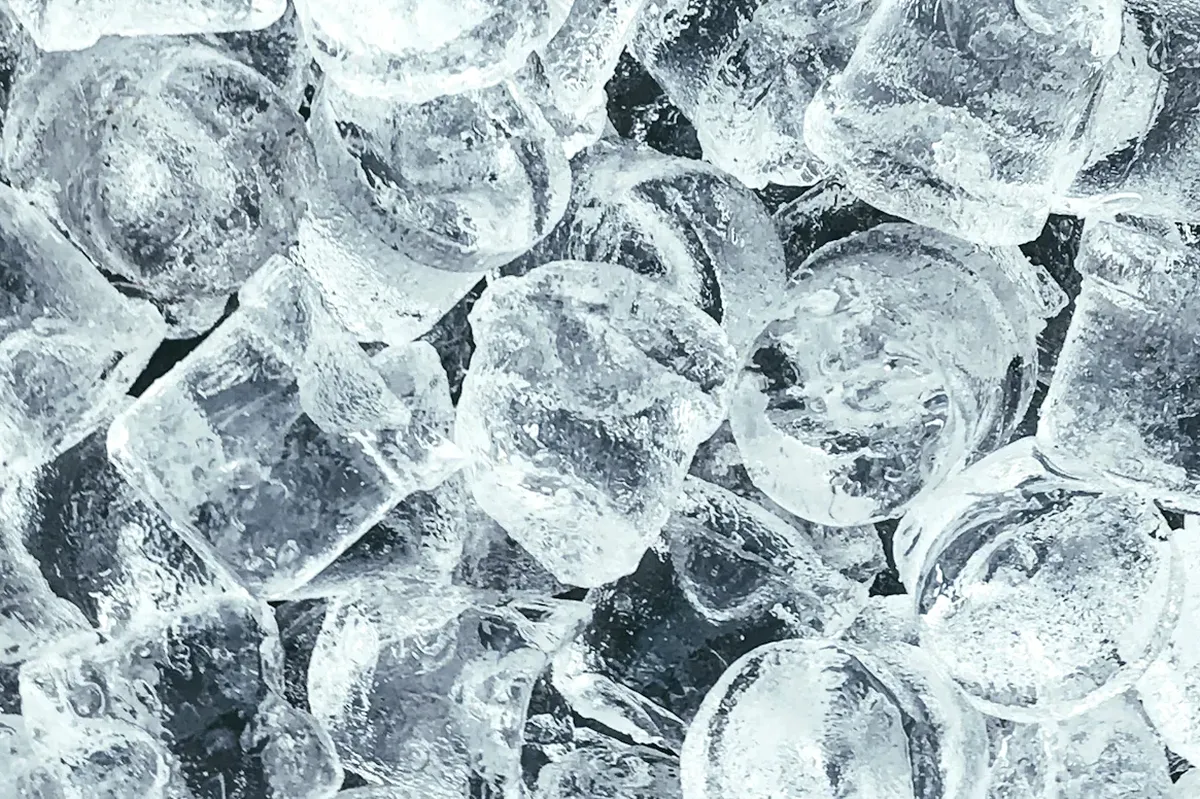
The first day is about cooling the area and keeping your hands off it. Most providers cool the skin during treatment and apply a soothing gel before you leave. At home, a cool compress helps if the area still feels hot: a clean cloth dampened with cool water, or a gel pack wrapped in a thin towel, held on the skin for several minutes at a time. Never put ice directly on treated skin. Bare ice on warm, sensitized skin can cause a cold injury, which is the opposite of what you want.
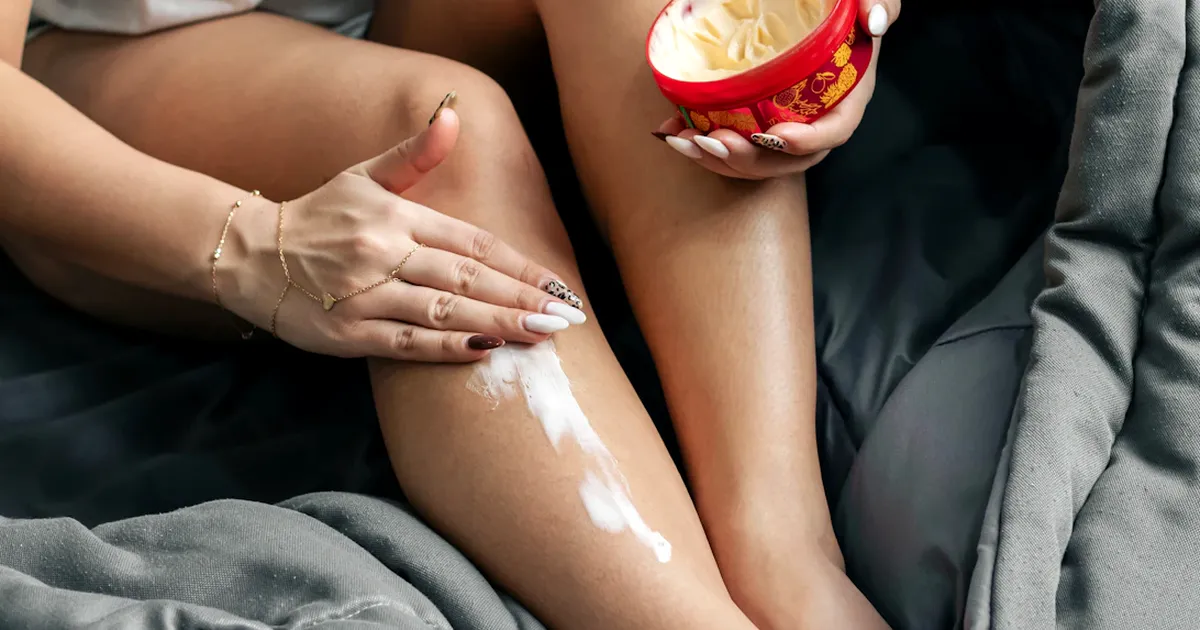
Wash the area with lukewarm water and a mild, fragrance-free cleanser, using your hands instead of a washcloth or loofah. Pat dry with a clean towel. Then apply a simple soothing product. Pure aloe vera gel without alcohol or added fragrance is a classic choice, and a bland fragrance-free moisturizer works just as well. If your provider gave you a specific post-treatment product, use that and nothing else on top. The goal is one calm layer, not a routine.
Dress for the treated area. Loose cotton clothing lets heat escape and avoids rubbing. After a bikini or underarm session, tight synthetic leggings, lace underwear, and close-fitting sleeves trap warmth and moisture against follicles that are still open and irritated. After a leg session, skip compression leggings for the evening. After a facial session, go without makeup for the rest of the day if you can, because foundation brushes and sponges carry bacteria and the rubbing itself irritates the skin.
On the first day, skip deodorant after an underarm treatment, skip perfume and scented lotion on any treated area, and do not swim. Chlorinated pools, hot tubs, and open water all expose irritated follicles to chemicals or microbes. A short lukewarm shower is fine. A long hot bath is not. If the skin stings under the water, the water is too warm.
Days 2 Through 7: Protecting the Skin While It Settles
By the second day most redness and bumps are gone, and this is exactly when people get careless. The surface looks normal, but the follicles are still recovering. For the rest of the first week, keep the routine boring. Cleanse gently, moisturize morning and night with a fragrance-free product, and keep the area out of direct sun. If the treated area is exposed in daily life, such as the face, neck, forearms, or lower legs, apply a broad-spectrum sunscreen of SPF 30 or higher every morning and reapply when you are outdoors.
Most providers ask clients to avoid heat and heavy sweating for the first day or two. That covers saunas, steam rooms, hot tubs, hot yoga, and intense cardio. Sweat itself is not dangerous, but a combination of heat, salt, friction from clothing, and bacteria on gym equipment is a reliable recipe for folliculitis, the small red or white bumps that look like a breakout in the treated zone. If you train daily, plan your sessions so a rest day or a light walk falls right after the appointment.
Hold off on active skincare in the treated area for several days: retinoids, alpha and beta hydroxy acids, benzoyl peroxide, vitamin C serums at high strength, and any physical scrub. These are fine products on calm skin, and too much for skin that was heated a few days ago. The same applies to self-tanner, which can sit unevenly on irritated follicles and also confuses your provider's reading of your skin tone at the next visit. Ask your provider when to restart each product, because the answer depends on the area and the settings used.
Do not pick, scratch, or squeeze. Itching in days two to four is common as the skin dries slightly. A cool compress and moisturizer handle most of it. If your provider agrees, a thin layer of an over-the-counter hydrocortisone cream for a day or two can calm stubborn itch, but that is a question for the person who treated you, not something to start on your own across a large area. Scratching with nails is how small irritated spots become marks that last for months.
Weeks 2 Through 4: The Shedding Phase
Somewhere between one and three weeks after the session, treated hairs start to work their way out of the skin. Clients often describe it as hair "growing back," and I understand why: you see dark dots or short stubble where the skin was smooth right after shaving. These are not new hairs. They are the damaged shafts being pushed out by the follicle. In the trade they are sometimes called pepper spots. If you tug one gently with clean fingers and it slides out with no resistance, it was a shedding hair.
Let them fall on their own schedule. Once the first week has passed and the skin feels completely calm, gentle exfoliation helps: a soft washcloth with light circular motion in the shower, two or three times a week. This lifts dead surface cells so the shafts can exit instead of curling under the skin. Do not use tweezers to "help" the hairs out, and do not use gritty scrubs or stiff brushes. If a hair resists, it is not ready, or it belongs to a follicle that was not in the right growth stage on treatment day.
That last point explains why there is always some real regrowth between sessions. Laser works on follicles in the active growth phase, when the hair is attached to its blood supply and carries the most pigment. At any moment only part of the hair in an area is in that phase. The rest is resting or transitioning and will surface later. This is the reason laser is sold as a series, and it is why a patchy look a few weeks after a session is expected and not a sign of failure. The same biology governs electrolysis, and I explain it in detail in the guide on hair growth phases and how they shape a treatment plan.
Keep moisturizing through this phase. Hydrated skin sheds hair more easily and is less prone to ingrowns. If you tend to get ingrown hairs in the bikini line, underarms, or neck, this is the window where they show up, usually because a shedding shaft got trapped under dry skin. Gentle exfoliation and a moisturizer are usually enough. Deep, painful, or repeatedly infected bumps are a reason to check in with your provider.
What to Avoid After Laser Hair Removal, and for How Long
Exact timelines vary by provider, device, body area, and skin type, so treat your own aftercare sheet as the final word. The table below reflects what most professional aftercare instructions have in common and, more usefully, the reason behind each restriction. When you know the reason, you can make a sensible call in situations the sheet did not cover.
| Avoid | Typical guidance | Why it matters |
|---|---|---|
| Direct sun and tanning beds | Before and after every session, for the whole series | UV on treated skin raises the risk of dark or light patches, and a tan raises burn risk at the next visit |
| Hot showers, baths, saunas, hot tubs | The first day or two | Added heat prolongs redness and swelling |
| Intense exercise and heavy sweating | The first day or two | Heat, friction, and bacteria irritate open follicles |
| Swimming pools and open water | The first couple of days | Chlorine and microbes on sensitized skin |
| Waxing, tweezing, threading, epilators | For the entire treatment series | They remove the root the laser needs as a target |
| Scrubs, acids, retinoids | Several days, longer on the face | Chemical and mechanical irritation of a weakened barrier |
| Fragrance, deodorant, makeup on the area | The first day | Stinging, contact irritation, clogged follicles |
| Tight clothing over the area | The first day or two | Friction and trapped heat |
| Self-tanner | Between sessions, especially before the next one | Artificial pigment on the surface can absorb laser energy |
Two items on that list last for the whole series, not just a few days: sun and root-pulling hair removal. They cause more failed or complicated laser courses than everything else combined. A client who tans between visits forces the provider to lower the settings or postpone, and a client who tweezes the strays arrives with empty follicles the laser cannot treat. Everything else in the table is a short-term comfort measure. Those two are about whether the series works at all.

Sun Protection: The Rule That Matters Most
If I could make clients follow only one aftercare instruction, it would be sun protection. Laser energy is absorbed by melanin. After treatment, the pigment cells in the skin are in a reactive state, and ultraviolet exposure can push them to overproduce pigment, which shows up as brown patches called post-inflammatory hyperpigmentation. Less often, the opposite happens and the area loses pigment. Both changes usually fade with time, but that can take months, and on deeper skin tones it can take longer.
Practical sun protection has layers. The first layer is avoidance: shade, timing outdoor activity away from midday, and clothing that covers the treated area. A long-sleeved shirt protects treated arms better than any cream. The second layer is sunscreen: broad-spectrum, SPF 30 or higher, applied generously and reapplied about every two hours outdoors and after sweating or swimming. On the first day, if sunscreen stings, rely on clothing and shade and start the sunscreen the next morning. Mineral formulas based on zinc oxide or titanium dioxide tend to be the most comfortable on freshly treated skin.
Sun rules also work backward. Providers ask clients to arrive without a recent tan because tanned skin contains more melanin, and that extra pigment competes with the hair for laser energy. That is how burns happen. So the sun protection you practice after one session is also the preparation for the next one. This is the main reason many people in sunny states start a laser series in the fall and finish before summer. If a beach vacation falls in the middle of your series, tell your provider ahead of time so the schedule can be adjusted instead of the settings.
Remember that sun reaches skin in ordinary life too: driving with your arm by the window, walking the dog, sitting near a bright window at work, a lunch on a patio. For a treated face, neck, or hands, daily sunscreen is not a vacation habit, it is part of the treatment. I tell clients to keep a tube by the front door and one in the car, because the tube in the bathroom cabinet does not get reapplied.
Shaving and Hair Removal Between Sessions
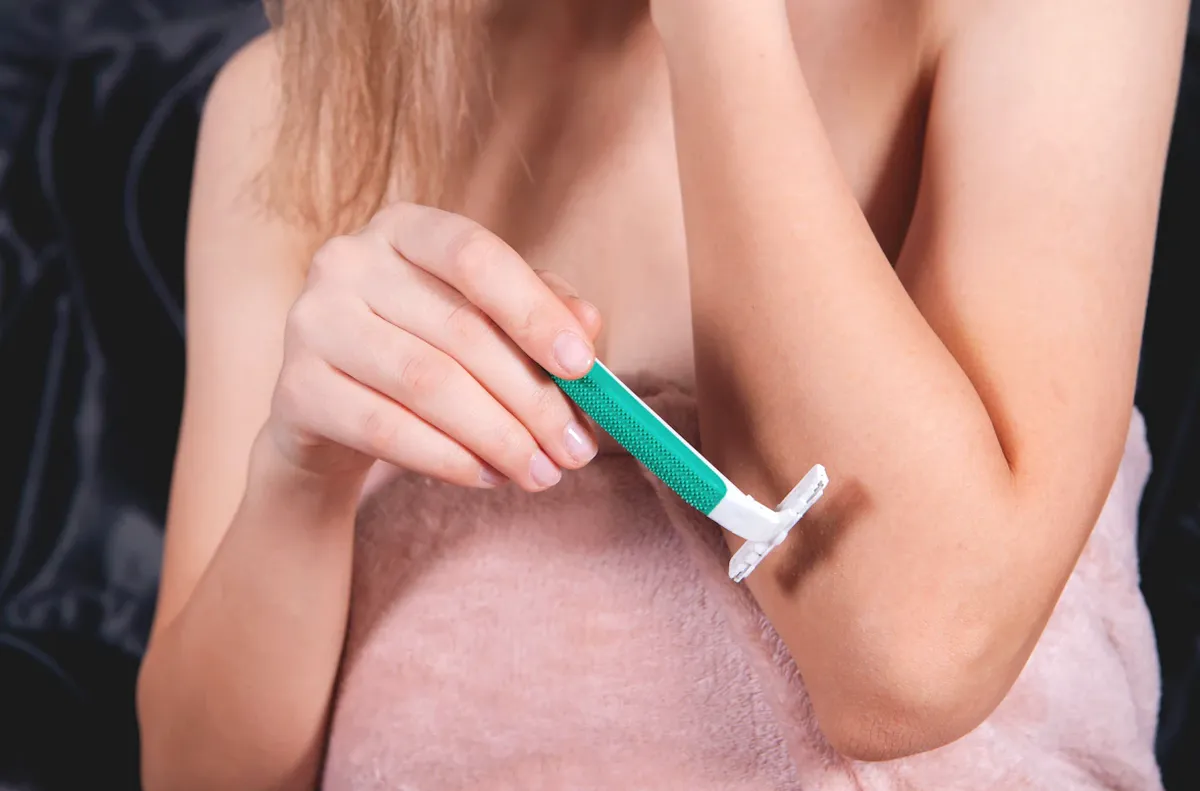
Shaving is the only hair removal method that fits a laser series. It cuts the hair at the surface and leaves the root in the follicle, which is exactly what the laser needs to find at the next visit. Waxing, sugaring, tweezing, threading, and epilator devices all pull the hair out by the root. An empty follicle has no pigment to absorb the light, so the pulse passes through with nothing to heat. A client who waxes two weeks before a laser appointment has essentially paid for a session on follicles that could not be treated.
Give the skin a few days after the session before the first shave, and wait until redness and bumps are fully gone. Use a clean, sharp razor, a shaving gel or cream without strong fragrance, and light pressure in the direction of growth. Dull blades and dry shaving cause razor burn that you will then confuse with a laser reaction. Do not shave over shedding hairs aggressively to speed things up. A normal gentle shave is fine and will take many of the loose shafts with it.
Depilatory creams are a gray zone. They dissolve hair at the surface and leave the root, so they do not sabotage the laser the way waxing does. But they are chemically harsh, and on skin that was recently treated they can cause real irritation. Most providers prefer you stay with a razor for the length of the series. Bleaching the hair is also off the table, since it removes the pigment the laser targets.
Before the next appointment, most clinics ask you to shave the area about a day ahead, so hair is short at the surface but the skin has had a night to settle. Follow whatever your clinic asks, since some prefer to see the hair first and shave it themselves. For the facial area, women who have never shaved the chin or lip often worry about it. Shaving does not make hair thicker or darker. I cover that myth and the practical technique in the guide on shaving between hair removal sessions, and the same logic applies during a laser series.
Aftercare by Body Area
The principles stay the same everywhere, but each area has its own weak spot. The face is exposed to sun and products all day. After a lip, chin, or sideburn session, the biggest risks are UV and active skincare. Pause retinoids and exfoliating acids on the treated zone for the period your provider recommends, skip makeup the first day, and treat sunscreen as non-negotiable. Use clean pillowcases and keep hair products off the area. If you are prone to cold sores and the lip is being treated, mention it before the session, because heat can trigger an outbreak and a physician can advise on prevention.
Underarms are warm, damp, and in constant friction. Skip deodorant and antiperspirant for the first day, then restart with a gentle formula. Wear a loose top home from the appointment. If you notice small bumps a few days later, they are usually irritated follicles reacting to sweat and friction, and they settle with breathable fabrics and gentle cleansing. Shaving the underarm should wait until the skin is fully calm.
The bikini and Brazilian area combines coarse hair, thin skin, friction from underwear seams, and moisture. Coarse dark hair absorbs a lot of energy, so this zone is often the most reactive after treatment. Wear loose cotton underwear and a skirt or loose pants for the first day or two. Avoid intercourse, cycling, and anything else that creates heat and friction in the area for about a day, longer if the skin is still tender. Do not use scented washes or wipes. This is also the area most prone to ingrown hairs during shedding, so begin gentle exfoliation once the skin is calm.
Legs and arms are large areas with thinner hair and usually the mildest reactions, but they see the most sun. In warm climates, legs are the reason people get pigment changes: shorts and sandals the weekend after a session. Cover up or use sunscreen on every exposed part. Skip tight jeans and compression leggings on day one. Lower legs also tend to be dry, so be generous with moisturizer during shedding.
The back, chest, and shoulders, common areas for men, bring two issues: sweat and reach. These zones sweat heavily under clothing and are prone to folliculitis even without laser. A day or two away from the gym, a clean cotton shirt, and a shower with mild cleanser after any sweating make a visible difference. Because you cannot see or reach your own back well, ask someone to check it on day two or three and to help with moisturizer. For more on how men's hair and skin respond to permanent methods, see the guide on electrolysis for men.
Aftercare for Different Skin Tones and Skin Types
Skin tone changes the risk profile, not the basic routine. Professionals describe skin by Fitzpatrick type, a scale from very fair skin that always burns to deeply pigmented skin that rarely burns. Deeper skin tones carry more melanin in the epidermis, so the skin itself absorbs more laser energy. Providers handle this with longer wavelengths, longer pulses, and strong cooling. For the client, it means pigment changes are the main complication to guard against, and sun protection carries even more weight than it does for fair skin.
If you have medium to deep skin, be strict about three things. First, sunscreen every day on exposed treated areas, including overcast days. Second, no picking or scratching, because on melanin-rich skin any small inflammation can leave a dark mark that outlasts the original bump by months. Third, report changes early. A patch that looks darker or lighter than the surrounding skin a week or two after treatment is worth showing your provider before the next session, so settings can be reviewed.
Very fair skin has a different pattern: more visible redness that looks alarming but usually clears quickly, and a higher tendency to plain sunburn on top of treatment. Sensitive and reactive skin, including people with eczema-prone or rosacea-prone skin, benefits from the shortest possible ingredient list in the first week. One cleanser, one moisturizer, one sunscreen, all fragrance-free. Dry skin needs more moisturizer during shedding. Oily and acne-prone skin does better with light gel textures, since heavy ointments can clog follicles.
For some people, especially those with deep skin tones and those with hair the laser cannot see well, laser is not the best tool at all. Electrolysis treats each follicle directly with a probe and does not depend on pigment, which is why it works on every skin tone and hair color. I explain the practical differences in the guide on electrolysis for dark skin.

Normal Reactions vs. Warning Signs
Knowing what is expected saves a lot of worry. Normal reactions include pink or red skin, raised bumps around the follicles, a warm sunburn-like feeling, mild swelling, mild itching, slight dryness, and later the dark dots of shedding hair. These peak in the first hours and fade steadily. The direction of change is the best test: normal reactions get better each day. A faint smell of singed hair during the session itself is also normal and is simply the hair shaft vaporizing.
Signs that need a call to your provider, and possibly a physician or dermatologist, look different. Use this list as a guide:
- Blisters, open areas, or crusting and scabbing on the treated skin.
- Pain or burning that increases after the first evening instead of fading.
- Redness or swelling that is still strong, or spreading, after two to three days.
- Pus-filled bumps, yellow crust, warmth, or fever, which can indicate infection.
- Patches that turn clearly darker or lighter than the surrounding skin.
- Hives, widespread rash, or swelling beyond the treated area, which may be an allergic reaction to a product.
- A cluster of painful blisters near the lip after a facial session, which may be a cold sore outbreak.
- Noticeably more or thicker hair growing in or next to the treated area over the following months.
If a blister or burn does occur, do not pop it, do not peel the skin, and do not cover it with home remedies. Keep it clean, protect it from the sun, and get it looked at. A burn that is managed properly from the first day heals with far less risk of scarring or lasting pigment change than one treated with whatever is in the medicine cabinet. Take a clear photo each day in the same light, because it helps the provider or physician judge how it is developing.
The last item on the list deserves a note. A small number of people experience increased hair growth after laser, known as paradoxical hypertrichosis. It is uncommon, and it is reported most often on the face and neck. No aftercare step prevents or causes it. If you suspect it, stop and talk to your provider instead of continuing sessions on autopilot. Electrolysis is the usual way to clear that kind of growth, as described in the guide to electrolysis after laser hair removal.
Aftercare Myths and the Mistakes I See Most
The first myth is that hair growing two weeks after a session means the laser did not work. As explained above, that is shedding, plus normal growth from follicles that were resting on treatment day. Judge a series after several sessions, not after one. The second myth is that more products mean faster healing. Clients arrive with a bag of serums, oils, and "repair" creams. Treated skin heals best under a short, plain routine, and each added product is one more chance for a reaction.
The third myth is that a cloudy day or a winter month means sunscreen is optional. Ultraviolet light passes through clouds and reflects off snow and water. The fourth is that home remedies are gentler than pharmacy products. Lemon juice, undiluted essential oils, toothpaste, and vinegar are all irritants on heated skin, and citrus on skin that then meets the sun can cause a reaction of its own. Plain is safer than natural.
The most frequent mistakes are practical ones. Booking a session the day before a beach trip or a ski weekend. Going to a hot yoga class the same evening. Tweezing a few stray hairs between visits "because they were bothering me." Using a body scrub on day two because the bumps looked like clogged pores. Applying self-tanner before an event and then showing up for the next session with artificial pigment on the skin. And the quiet one: not telling the provider about a new medication. Some antibiotics, acne medications, and other drugs make skin more sensitive to light, and your provider needs to know before every session, not just the first.
One more mistake belongs to the business side of this industry. Some clients are sent home with a verbal "avoid the sun" and nothing else. A professional provider gives written aftercare instructions, explains what is normal, and tells you how to reach someone if you have a problem. If you did not get that, ask for it before you leave. The quality of the aftercare conversation tells you a lot about the quality of the practice.
Notes for Students and Working Professionals
If you are training to work with lasers, or you are an esthetician adding laser to your services where your state allows it, treat aftercare as a clinical skill and not a handout. Explain the instructions before the session, while the client is still listening, and repeat the two critical ones afterward: sun and no root-pulling. Give the instructions in writing. Ask at every visit about sun exposure, new medications, and how the skin behaved after the previous session, and record the answers. Those notes are what let you adjust settings with confidence.
Who may operate a hair removal laser in the United States depends entirely on the state. Some states restrict it to physicians or to staff under physician supervision, some license laser technicians separately, and some allow licensed estheticians or electrologists to perform it with added training. Do not rely on what a device salesperson or an out-of-state course tells you. Start with the overview in how to become a laser hair removal technician, then confirm the rule with your own state board through the esthetics licensing hub.
Online theory is a good way to learn skin anatomy, hair biology, Fitzpatrick typing, contraindications, and aftercare protocols before you ever hold a handpiece. It does not replace the supervised, in-person hours your state requires, and it does not replace hands-on device training. Use it to arrive at your practical training already fluent in the reasons behind the rules, so your attention can go to technique and client communication.

Between Sessions and After the Series Ends
Aftercare does not stop when the redness fades. Between sessions, the job is to keep the skin in a condition your provider can treat at full, appropriate settings: untanned, calm, and with roots in place. Keep moisturizing, keep the sunscreen habit, shave when you need to, and keep your appointments at the interval your provider sets. Sessions spaced too far apart let treated areas drift out of sync with the growth cycle, and sessions crammed too close together treat follicles that have nothing new to offer.
It also helps to keep expectations accurate. In the United States, lasers are cleared by the FDA for permanent hair reduction, which means a long-term, stable decrease in the amount of hair regrowing after a treatment course. That is not the same as removing every hair forever. Most people finish a series with far less hair that is finer and lighter, and many need occasional maintenance sessions afterward. Hormonal changes, including pregnancy, menopause, and conditions such as PCOS, can wake up new follicles later.
Hairs that laser cannot treat well are the fine, light, gray, red, and blond ones, because they lack the pigment the light needs. These are the hairs that remain at the end of many laser series, especially on the face. Electrolysis is the only method the FDA recognizes for permanent hair removal, and it works regardless of hair color because it treats each follicle with a probe. Many of my own clients come to me after laser to finish the last scattered hairs. If you are weighing the two, the comparison in electrolysis or laser hair removal lays out where each one fits.

A Simple Aftercare Checklist
Here is the whole routine condensed into steps you can save on your phone. It assumes a normal reaction and does not replace the instructions from the person who treated you.
- Same day: cool compresses wrapped in cloth, lukewarm water only, aloe or a fragrance-free moisturizer, loose cotton clothing.
- Same day: no deodorant, perfume, or makeup on the treated area, and no pool, hot tub, sauna, or workout.
- Days 2 to 3: gentle cleanser, moisturizer twice a day, sunscreen SPF 30 or higher on exposed areas, still no heavy sweating or heat.
- Days 3 to 7: no scrubs, acids, or retinoids on the area. Shave only once the skin is fully calm.
- Weeks 2 to 4: let shedding hairs fall out, exfoliate gently with a soft washcloth a few times a week, keep moisturizing.
- Whole series: no waxing, tweezing, threading, epilators, bleaching, tanning, or self-tanner on the area.
- Before the next visit: shave as your clinic instructs, arrive with clean skin, and report any sun exposure or new medication.
- Any time: blisters, crusting, worsening pain, signs of infection, or pigment changes mean a call to your provider.
If you follow nothing else, follow the two rules that run through the whole series: protect the area from the sun, and do not pull hairs out by the root. Those two decide whether your provider can treat you effectively and safely at every visit. The rest of the checklist is about comfort and about lowering the odds of irritation, and it takes a few minutes a day.

Your Next Step
If you are a client in the middle of a series, save the checklist, set a reminder for sunscreen, and write down any questions for your next visit, especially about restarting active skincare and about the schedule around travel. If your results have stalled, or light and fine hairs remain, ask about finishing with electrolysis. You can read how that works in the complete guide to electrolysis and look for a qualified practitioner through the studio directory.
If you are a student or a licensed professional who wants to work in hair removal, build your foundation in skin and hair science first, then confirm what your state allows before paying for device training. The electrolysis course and the esthetics course cover the theory that every hair removal method rests on: skin structure, hair growth cycles, contraindications, sanitation, and client care. That theory supports your required in-person training. It never replaces it.
State Requirements
State licensing guides
Hours, exams, fees, and the licensing board differ by state. Open your state for the current requirements.
Common Questions
FAQ
For most people, redness and the small bumps around the follicles fade within a few hours and are gone by the next day. Reactive skin, coarse dense hair, and sensitive areas such as the bikini line can stay pink for two or three days. What matters is the trend: it should improve steadily. Redness that is getting stronger, spreading, or turning into blisters or crusts is not a normal reaction, and you should contact your provider.
You can shower the same day, as long as the water is lukewarm and you keep it short. Use a mild fragrance-free cleanser, wash with your hands instead of a loofah, and pat the area dry. What you should avoid for the first day or two is heat: long hot showers, hot baths, saunas, steam rooms, and hot tubs. If the water stings the treated area, turn the temperature down.
Most providers recommend waiting about a day or two before intense exercise, hot yoga, or anything that makes you sweat heavily. Sweat, heat, friction from tight gym clothes, and shared equipment can irritate open follicles and lead to folliculitis. Light activity such as an easy walk is usually fine. When you return to training, shower with a gentle cleanser soon afterward and wear breathable fabrics over the treated area.
Yes. Shaving is the only hair removal method you should use during a laser series, because it leaves the root in place for the next session. Wait a few days until redness and bumps are completely gone, then use a clean sharp razor and a gentle shaving gel. Do not wax, tweeze, thread, or use an epilator at any point between sessions. The guide on shaving between sessions covers technique in more detail.
In most cases it is not regrowth. It is shedding. Treated hair shafts are pushed out of the follicles over one to three weeks, and they look like stubble or dark dots before they fall out. You will also see some true growth from follicles that were in a resting stage on treatment day, because laser only affects hairs in active growth. That is why laser is done as a series of sessions.
Keep it simple: a cool compress, pure aloe vera gel without alcohol or fragrance, or a bland fragrance-free moisturizer, plus broad-spectrum sunscreen of SPF 30 or higher on any exposed area from the next morning. Avoid scented lotions, oils, scrubs, retinoids, and exfoliating acids on the treated area for several days. If your provider gave you a specific product, use that one and follow their timeline for restarting your usual skincare.
Plan to keep treated skin out of direct sun for the whole treatment series, not only the first days. Sun on freshly treated skin raises the risk of dark or light patches, and a tan before the next session increases burn risk and forces lower settings. Use clothing, shade, and SPF 30 or higher every day on exposed areas. Tell your provider about any vacation or sun exposure before each visit.
That is common. Lasers are cleared for permanent hair reduction, not complete removal, and they work poorly on blond, gray, red, and very fine hair. Remaining hairs can be treated with electrolysis, the only method the FDA recognizes for permanent hair removal, which works on any hair color and skin tone. See the guide to electrolysis after laser hair removal for what that process involves.
Keep Reading
Related Guides


