Cosmetology
Diode Laser Hair Removal: How It Works, Results and Risks
Quick answer
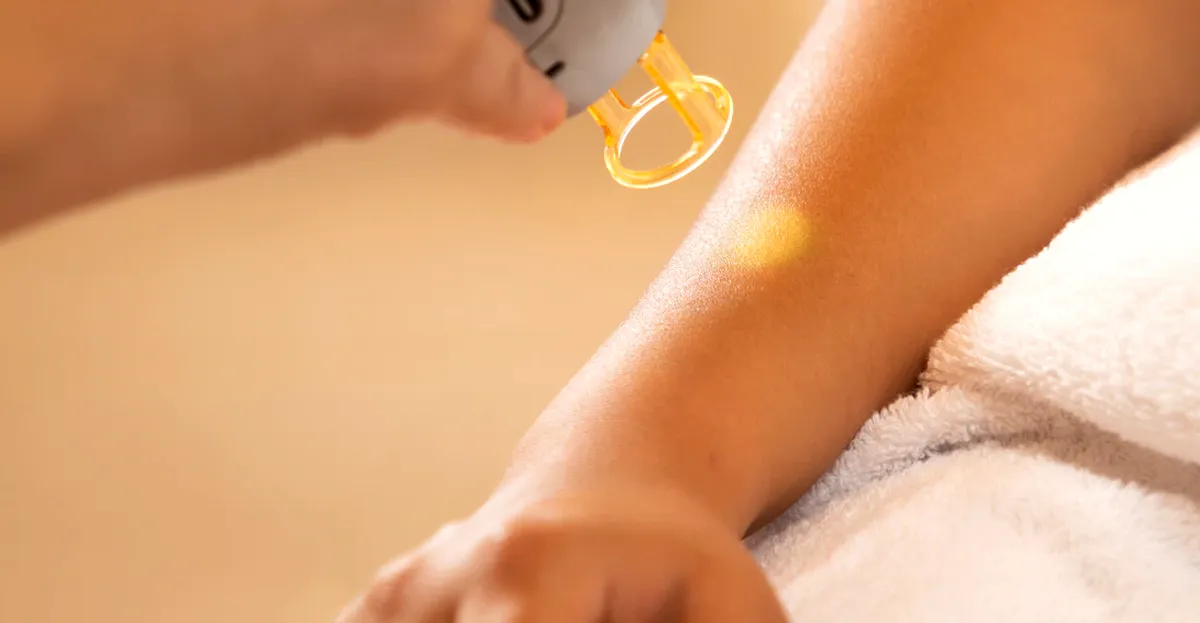
A diode laser emits near-infrared light, usually around 800 to 810 nanometers, that is absorbed by melanin in the hair and turned into heat inside the follicle. It is cleared for permanent hair reduction, not permanent removal. It works best on dark, coarse hair and does not treat blond, red, gray, or white hair. Most providers plan roughly six to eight sessions.
Diode laser hair removal is the workhorse of the modern laser room. If you have had laser hair removal at a chain clinic, a med spa, or a dermatology office in the last several years, there is a good chance the handpiece on your skin was a diode. The technology uses a semiconductor to produce near-infrared light, usually around 800 to 810 nanometers, which is absorbed by the melanin in the hair shaft and turned into heat inside the follicle. Done on the right candidate with the right settings, a course of sessions leaves the area with far fewer hairs, and the ones that remain are finer and lighter.
I am Aida Khazieva, a licensed electrologist and cosmetologist with more than twenty years in hair removal. Electrolysis is my main craft, and a large share of the people in my chair have already been through a diode course somewhere else. That gives me an unusual view of the method: I see what it does well, where it stops, and which promises were never realistic. This guide explains how a diode laser works, how it compares with alexandrite and Nd:YAG lasers, who is a good candidate, what a session feels like, and how to choose a provider you can trust.
What diode laser hair removal is
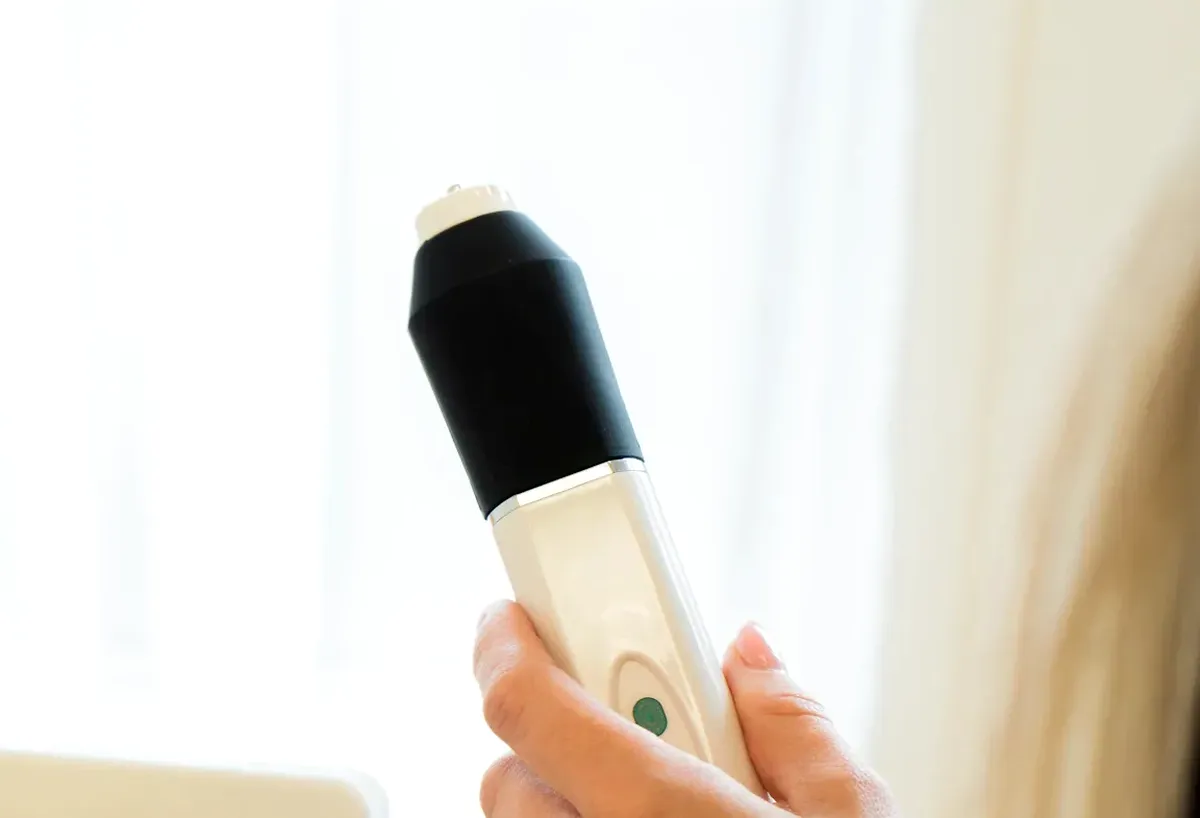
A diode laser is named for its light source. Instead of a crystal rod or a gas tube, it uses stacks of semiconductor diodes, the same family of components found in many electronics, to generate a beam of a single wavelength. Hair removal diodes emit in the near-infrared range, most commonly around 800 to 810 nanometers. Some platforms combine several wavelengths in one handpiece, but the classic diode sits in that band. The light is invisible to the eye, which is one reason protective eyewear matters so much: you cannot see the beam that can injure the retina.
The principle behind every hair removal laser is selective photothermolysis. In plain terms, a specific color of light is chosen because one target absorbs it far more strongly than the surrounding tissue. For hair removal the target is melanin, the pigment that gives hair its color. The hair shaft soaks up the light, heats quickly, and passes that heat to the structures of the follicle responsible for growth. If those structures are damaged enough, the follicle produces a weaker hair or stops producing a visible hair for a long time.
In the United States, laser devices for this purpose are cleared for permanent hair reduction, not permanent hair removal. The wording is deliberate. Reduction means a long-term, stable decrease in the number of hairs that regrow after a treatment course. It does not mean every hair in the area is gone for life. Electrolysis remains the only method the FDA accepts for permanent hair removal claims, because it destroys follicles one at a time regardless of hair color. Keeping that distinction in mind from the first consultation prevents most of the disappointment I hear about later.
How a diode laser works: settings, cooling, and delivery modes
Three settings shape what a diode pulse does. Fluence is the energy delivered per area of skin, and it determines how much heat the hair can absorb. Pulse duration is how long the light stays on, measured in thousandths of a second. Spot size is the area the handpiece covers with each pulse. A trained operator balances these against your skin tone and hair thickness. Coarse dark hair on light skin tolerates a shorter, stronger pulse. Darker skin needs longer pulses and more cooling so the epidermis can shed heat while the follicle keeps it.
The diode wavelength penetrates deeper than the shorter alexandrite wavelength and is absorbed by melanin somewhat less aggressively. That combination is the reason diodes became so popular. They reach the deep follicles of the legs, back, and bikini area, and they can be used on a wider range of skin tones than the lasers that came before them. The trade-off is that very fine, light hair gives the beam little to hold on to, so results on that kind of hair are weaker.
Cooling is part of the technology, not an optional comfort feature. Most diode handpieces have a chilled sapphire or metal tip that presses against the skin and pulls heat out of the surface before, during, and after each pulse. Good contact matters. If the tip is lifted, tilted, or dragged over dry skin without gel, the surface can overheat and blister even at modest settings. When clients tell me about striped or rectangular burns after a session elsewhere, the cause is very often poor contact or a rushed pass, not the laser itself.
Diode systems are used in two main modes, and it helps to know which one your provider is using. In the traditional mode, often called stamping or single-pulse, the operator places the tip on the skin, fires one high-energy pulse, lifts, moves to the next square, and repeats in a grid. Each follicle receives its full dose in a single flash. This approach has a long clinical track record. It is also the mode in which clients describe the classic rubber band snap, because all of the heat arrives at once.
In the gliding or in-motion mode, the handpiece stays on the skin and moves continuously over a small zone while firing many low-energy pulses per second. Heat builds gradually in the follicles with each pass until the operator has delivered a planned total amount of energy to that zone. Clients usually feel spreading warmth and occasional prickles instead of sharp snaps, so this mode is marketed as more comfortable. It asks more of the operator: the passes must be even, the speed steady, and the total energy tracked, or parts of the area end up undertreated.
Neither mode is automatically better. I have seen excellent and poor results from both. What matters is that the operator understands the device, chooses settings for your skin and hair instead of a default preset, and covers the whole area systematically. If a provider tells you their machine is painless and works on everyone, treat that as advertising. A comfortable session that delivers too little energy is a common reason people finish a full package with most of their hair still growing.
Diode vs alexandrite vs Nd:YAG
Three laser types dominate professional hair removal, and they differ mainly by wavelength. The alexandrite laser emits at 755 nanometers. Melanin absorbs that wavelength very strongly, which makes alexandrite highly effective on light skin with dark hair, including somewhat finer hair. The same strong absorption makes it riskier on tanned and darker skin, where the pigment in the epidermis competes with the hair for the light. The Nd:YAG laser emits at 1064 nanometers, penetrates deepest, and is absorbed least by melanin, which makes it the standard choice for the darkest skin tones.
The diode sits between the two. It is absorbed less by epidermal melanin than alexandrite, so it suits a broader range of skin tones, and more than Nd:YAG, so it does not need such high energy to heat a hair. For a client, the practical summary is simple. Light skin with dark hair does well with alexandrite or diode. Medium and olive skin usually does best with a diode at careful settings. Deep brown skin is safest with Nd:YAG, or with a diode platform specifically designed and cleared for dark skin and operated by someone experienced with it.
| Feature | Alexandrite | Diode | Nd:YAG |
|---|---|---|---|
| Wavelength | 755 nm | About 800 to 810 nm | 1064 nm |
| Melanin absorption | Highest | Moderate | Lowest |
| Depth of penetration | Shallowest of the three | Deeper | Deepest |
| Typical best fit | Light skin, dark hair | Light to medium and olive skin, dark hair | Dark skin, coarse dark hair |
| Main limitation | Higher risk on tanned or dark skin | Weak on fine and light hair | Often less comfortable, weaker on fine hair |
Machine type matters less than the person operating it. A skilled technician with a well-maintained diode will outperform a careless one with the most expensive alexandrite on the market. When you compare clinics, ask which laser type they plan to use on your skin and why. A good provider can answer in two sentences. A vague answer, or an insistence that one device is perfect for every client who walks in, tells you how much thought goes into individual settings.
Who is a good candidate, and who should wait or skip it
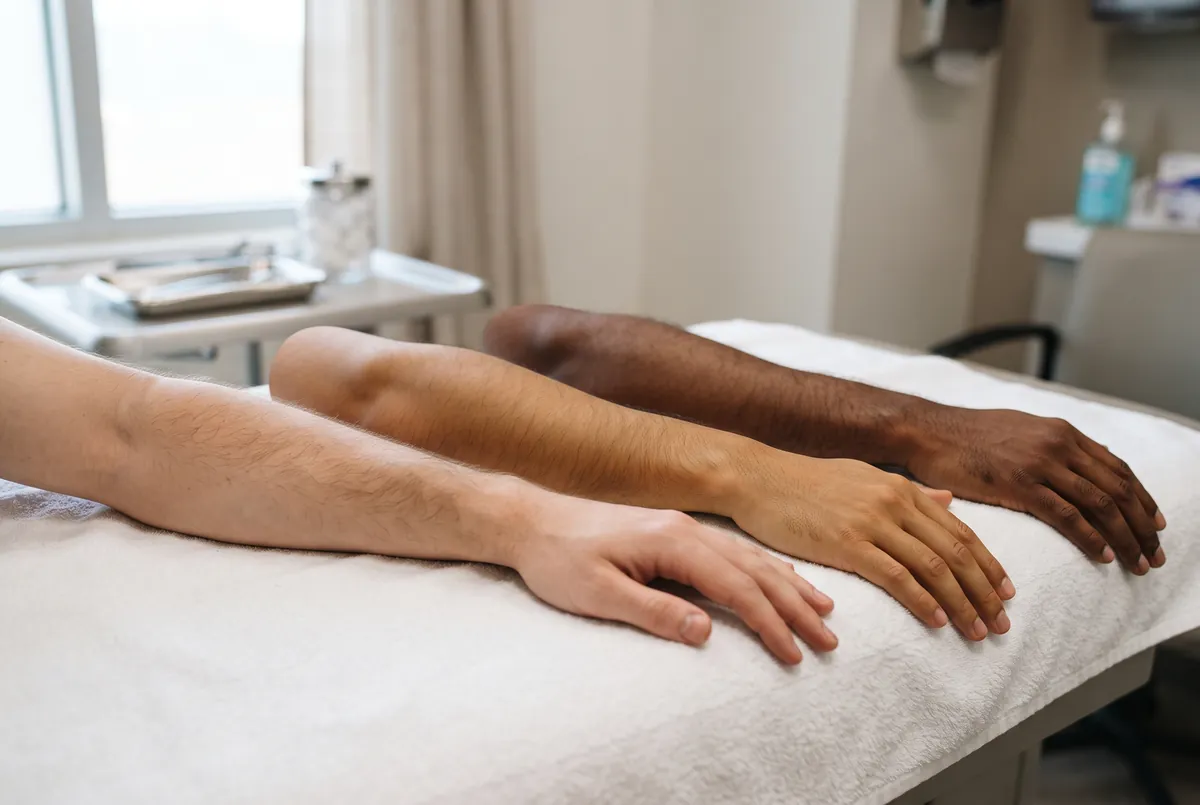
The best candidates have dark, reasonably coarse hair and skin that is lighter than the hair. Providers describe skin with the Fitzpatrick scale, which runs from type I (very fair, always burns) to type VI (deeply pigmented, rarely burns). Diode lasers are routinely used on types I through IV, and on types V and VI with suitable equipment, long pulses, strong cooling, and conservative energy. The darker the skin, the more the outcome depends on operator experience, so people with deep skin tones should ask directly how often the clinic treats skin like theirs.
Hair color is the hard limit. Black and dark brown hair respond best. Light brown hair responds less predictably. Blond, red, gray, and white hair do not respond in any useful way, because there is not enough of the dark pigment to convert light into heat. I regularly meet clients who paid for a full course on blond facial hair or on a chin that was already half gray. Nobody told them at the consultation that the hairs they most wanted gone were invisible to the laser. For those hairs the answer is electrolysis, which works on gray and light hair.
Hair thickness matters as much as color. Coarse hair on the underarms, bikini line, lower legs, and a man's back holds heat well and usually thins quickly. Fine, soft hair on the upper arms, the sides of the face, or the lower back is a poor target. Light-based treatment of fine hair occasionally triggers the opposite of what you want: denser, darker growth in or near the treated area, known as paradoxical hypertrichosis. It is uncommon, and it is reported mostly on the face and neck, particularly in people with hormonal hair growth.
Hormones shape the long-term picture. Hair driven by polycystic ovary syndrome, other endocrine conditions, or certain medications can be reduced by a diode, but the body keeps recruiting new follicles, so the result needs maintenance. If you have irregular periods, sudden new growth on the face or chest, or hair that returns quickly after every course, see a physician. Treating the hair without looking at the cause is frustrating and expensive. Many of my clients with hormonal growth use laser to thin large areas and electrolysis to finish the face.
A proper consultation screens for reasons not to treat. Some are temporary. A recent tan, whether from the sun, a tanning bed, or self-tanner, puts extra pigment at the surface and raises the risk of burns and dark or light marks, so providers ask you to wait until it fades. Active skin infections, cold sores, open wounds, rashes, or sunburn in the area are reasons to reschedule. Most providers postpone elective laser treatment during pregnancy, because safety has not been studied well enough to recommend it.
Other points require medical input. Tell the provider about every medication and supplement you take, since some increase sensitivity to light. People who have taken isotretinoin, who have a history of keloid scarring, who have conditions that flare with light or heat, or who are prone to dark marks after minor skin injuries need an individual decision, sometimes with a note from their physician. Moles should not be lasered over. A careful technician covers them or works around them, and any mole that has changed shape or color belongs with a dermatologist first.
Tattoos and permanent makeup are an absolute no for the beam. Tattoo pigment absorbs laser light intensely, and a hair removal pulse over ink can cause a serious burn and damage the tattoo. The technician should shield the tattoo and keep a margin around it. If you want hair removed from tattooed skin, electrolysis is the method that can work directly over healed ink, because the current is delivered inside the follicle and does not depend on pigment at all.
How many sessions and how far apart
Hair grows in cycles. At any moment some follicles are actively growing a hair, some are in a short transition, and some are resting. A laser pulse is most effective on a follicle in the active growth phase, when the hair is firmly connected to the structures that feed it and carries the most pigment. Only a portion of the follicles in an area are in that phase on a given day, which is why one session can never finish the job. A course is a series of sessions timed to catch new groups of follicles as they become active. My guide to hair growth phases explains the cycle in more detail.
Most providers plan a first series of roughly six to eight sessions for a body area and then reassess. The face often needs more, because facial follicles cycle faster and respond more to hormones. Intervals are shorter for the face, commonly around four to six weeks, and longer for the body, often six to ten weeks, stretching further as growth slows. These are typical ranges, not rules. Your provider should adjust them by watching how quickly new hair appears in your case.
Coming more often does not speed things up. If you return before a new group of follicles has entered the growth phase, the pulse lands on empty or resting follicles and you pay for a session that did very little. Coming far too late is less harmful but lets some treated follicles recover. The practical signal is regrowth: when a reasonable amount of new hair has appeared and it is time to shave again regularly, the area is usually ready for the next visit.
After a completed series, most people keep a long-lasting reduction. Many return for an occasional maintenance session when scattered hairs reappear. Hormonal shifts such as pregnancy, menopause, or a change in medication can wake up follicles that were never treated because they were not producing visible hair at the time. That is normal biology, not a failed treatment. If you want the remaining hairs gone for good, electrolysis after laser is the usual way to finish.
How to prepare for a session
Preparation starts weeks before the appointment. Stop waxing, sugaring, tweezing, threading, and epilating the area, typically for about four weeks or as your provider directs. These methods pull the hair out by the root, and the laser needs the hair in the follicle to carry heat down to it. Shaving is the only hair removal you should use during a course, because it leaves the root in place. Stay out of the sun and away from tanning beds and self-tanner, and wear sunscreen on exposed areas.
- Shave the area closely the day before or the morning of the session, unless the clinic asks to see the hair first.
- Arrive with clean skin: no lotion, oil, deodorant, makeup, or perfume on the area.
- Pause retinoids, acids, and scrubs on the area for several days beforehand if your provider advises it.
- Bring a current list of medications and tell the technician about anything new since your last visit.
- Wear loose clothing that will not rub the treated skin afterward.
- Skip self-tanner and spray tans for the whole course, not only the week before.
Shaving deserves a short explanation, because clients often worry that it makes hair thicker. It does not. A shaved hair has a blunt tip, so it feels coarser as it grows out, but the follicle is unchanged. For the laser, a close shave is exactly right: the energy travels down the short stub into the follicle instead of burning long hair on the surface, which smells unpleasant, hurts more, and can singe the skin. A provider who lasers over long hair is skipping a basic step.
A patch test is a sign of a careful clinic. The technician fires a few pulses on a small section of the area, or a similar patch of skin, and checks the reaction before committing to settings for the whole zone. On medium and darker skin, or after any long break, some providers wait a day or more to see the delayed response. If you have never had laser before and nobody offers a test spot, ask for one.
What happens during a session and what it feels like
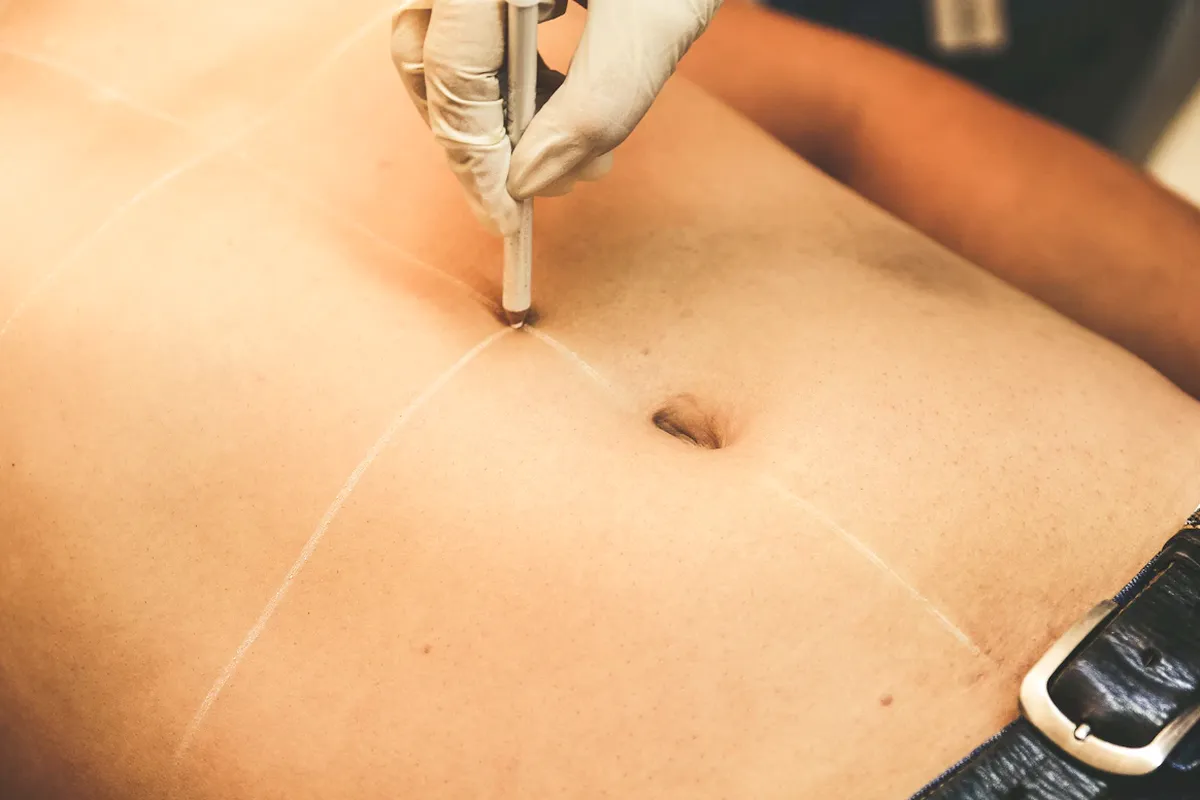
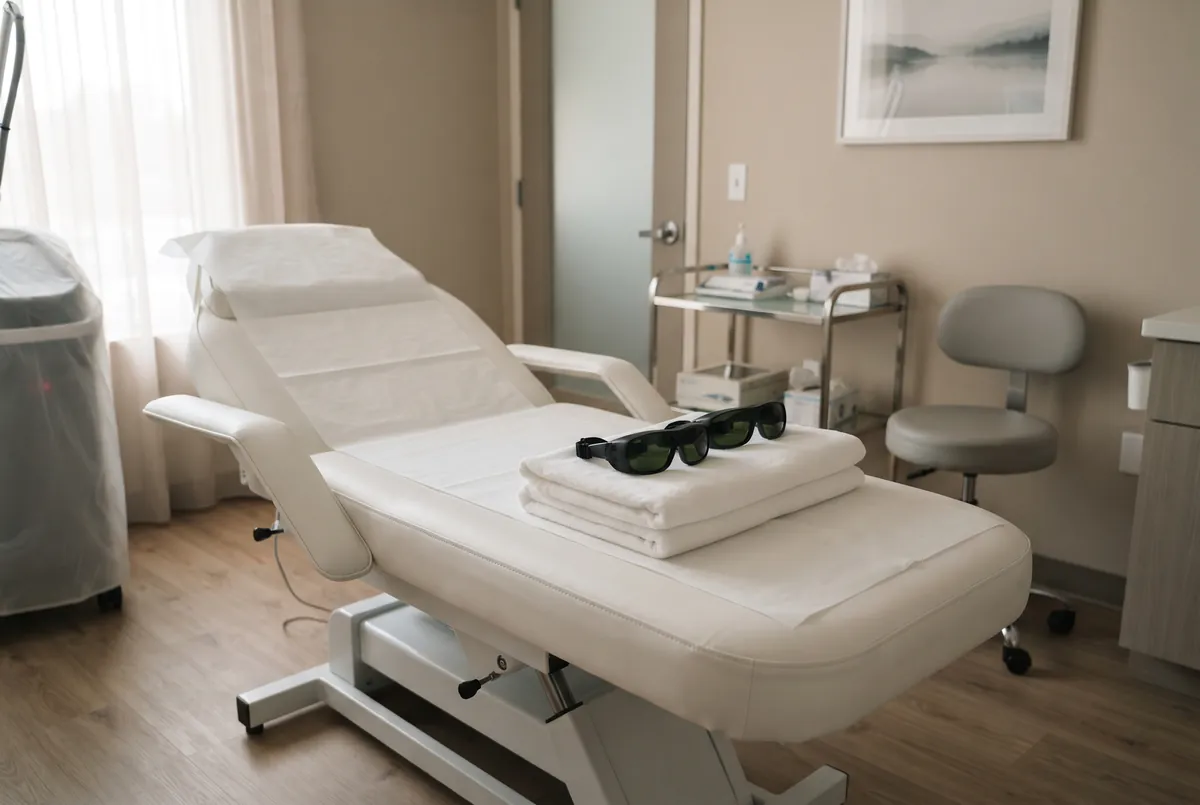
A session begins with a short check-in. The technician asks about sun exposure, medications, and how your skin reacted last time, then looks at the area. Both of you put on protective eyewear rated for the laser's wavelength. The technician may mark the area with a white pencil so no strip is missed or treated twice. A thin layer of clear gel is usually applied so the chilled tip glides and transfers light evenly, though some systems work on dry skin.
Then the technician works across the area in overlapping rows or small zones, depending on the mode. Small areas such as the upper lip or underarms take a few minutes. Full legs or a back can take an hour or more. During treatment a good technician watches the skin constantly. The reaction they hope to see is mild redness and small raised bumps around the follicles, called perifollicular edema, which looks a little like goosebumps. Graying, whitening, or blistering of the surface means the skin is taking too much heat, and the settings must come down immediately.
Speak up during the session. You are the only one who can report what the skin feels like, and that information is part of safe practice. A sharp snap that fades quickly is expected. A burning sensation that lingers or builds after the handpiece has moved on is not, and the technician needs to know right away. At the end, the gel is removed, the skin is cooled, and a soothing product and sunscreen are applied to exposed areas.
Most people describe a stamping pulse as a quick snap of a rubber band with a flash of heat. In-motion treatment feels like deepening warmth with occasional sharper prickles. Sensation depends on the area and the hair. Dense, coarse hair on the bikini line, underarms, and upper lip is the most uncomfortable, because more pigment means more heat. Sparse hair on the lower legs or forearms is usually easy. The first one or two sessions are typically the strongest. As the hair thins there is less to absorb the light.
Comfort tools include the cooled tip, cold air blown on the skin, and short pauses. Some clinics offer topical numbing cream for sensitive zones. Use it only as directed by the provider, on the area and for the time they specify. Applying large amounts of numbing cream over big areas under plastic wrap at home is dangerous, because the anesthetic is absorbed through the skin. Many people find they are more sensitive in the days before and during their period, so scheduling around the cycle can help.
Compared with other methods, clients often rate a diode as less painful than waxing the same area and quicker than electrolysis. It is not sensation-free, and it should not be. Some feedback from the skin is useful to the operator. If a session at a new clinic feels like almost nothing and your regrowth looks unchanged afterward, the energy may simply have been too low to affect the follicles.
Aftercare, shedding, and side effects
Redness and small bumps around the follicles are normal for a few hours and occasionally a day or two. The skin can feel warm, like a mild sunburn. For the first day or two, keep the area cool and avoid anything that adds heat or friction: hot showers and baths, saunas, hot tubs, hard workouts, and tight clothing. Use a gentle cleanser and a plain, fragrance-free moisturizer. Skip scrubs, acids, and retinoids on the area for several days.
Sun protection is the most important part of aftercare. Treated skin is more prone to pigment changes, so cover the area or use a broad-spectrum sunscreen daily, and reapply when outdoors. This applies throughout the course, not only the week after a session. Planning body areas for the cooler months, when the skin is covered and untanned, makes the whole process easier and safer.
Over the following one to three weeks, treated hairs work their way out of the skin. This shedding looks like stubble or regrowth and confuses many people, but these hairs slide out with gentle rubbing in the shower and do not keep growing. Do not tweeze them. Let them fall out, and shave if they bother you. After shedding there is usually a smoother period before the next group of follicles becomes active.
Less common side effects include blisters, crusting, and patches of darker or lighter skin, which are more likely on tanned or darker skin or with settings that were too aggressive. Most pigment changes fade over time, but some persist. Inflamed follicles and temporary breakouts can occur, especially on the back and in areas that sweat. If you see blisters, signs of infection, or marks that are not improving, contact the clinic and see a physician or dermatologist. Do not pick or peel.
Body areas, the face, men, and at-home devices
The diode's strengths show on the body. Underarms, bikini and Brazilian areas, lower legs, and the abdomen line usually respond well because the hair there is dark and coarse. Men's backs, shoulders, and chests are popular diode areas, since the large spot size covers ground quickly. Male body hair is dense and strongly driven by androgens, so men should expect a full series and periodic maintenance, and thinning is a more realistic goal than total clearance.
The face is a separate conversation. Women's facial hair is often a mix of a few coarse dark hairs and a lot of fine, light down. The laser can treat the coarse dark hairs, but the fine down is a poor target and is the area where stimulated growth is most often reported. For chins, upper lips, and jawlines I usually recommend electrolysis from the start, or laser only for clearly dark, coarse growth followed by electrolysis. A man's beard is a different case again: laser can thin it or shape the neckline, but any reduction should be considered permanent before you commit.
Some areas are off limits. Lasers are not used inside the bony rim of the eye socket, which rules out shaping the underside of the eyebrow, because the light can damage the eye. Nostrils, ear canals, and mucous membranes are not treated. For eyebrow shaping, the hairs between the brows are sometimes lasered with proper eye shields, but precise brow work belongs to tweezing, waxing, threading, or electrolysis.
Most handheld home devices are not diode lasers. They are IPL devices, which use a filtered flash lamp that emits a broad band of light instead of a single wavelength. A small number of home devices do use a diode. Either way, home units are built to be safe in untrained hands, which means much lower energy and small treatment windows. They can slow growth and thin hair on good candidates who use them consistently, but they do not match a professional course, and results fade faster when use stops.
The candidate rules are stricter at home, not looser. Home devices are generally intended for light to medium skin with dark hair, and many have a skin tone sensor that blocks the flash on darker skin. Never override it. Do not use a home device on the face unless the manual allows it, never near the eyes, and never on tattoos, moles, or tanned skin. Follow the schedule in the manual. More frequent flashing does not help and irritates the skin.

Common myths and mistakes
The most persistent myth is that laser removes hair forever after a fixed number of sessions. A diode produces long-term reduction, and the degree varies by person. The second myth is that it is painless. It is tolerable for most people, but claims of zero sensation usually mean low energy. The third is that it works on all hair. It does not work on hair without dark pigment, and no setting changes that. A fourth myth is that newer always means better. A well-maintained older device in skilled hands beats a new one used on presets.
The mistakes I see most often are practical. People tweeze stray hairs between sessions and remove the laser's target. They hide a vacation tan. They buy the largest package before a single test session, then discover the clinic rotates inexperienced staff. They stretch sessions randomly around their schedule and lose momentum. They treat fine facial hair that should never have been lasered. Each of these is avoidable with a frank consultation and a little patience.

How to choose a provider and compare prices
Who may legally fire a hair removal laser depends entirely on the state. In some states only physicians or licensed medical staff under physician supervision may operate one. In others, licensed estheticians, cosmetologists, electrologists, or certified laser technicians may do so under defined conditions. The rules change, and they differ in the details of training and supervision. Ask the clinic who will perform your treatment, what license or certification that person holds, and who the supervising medical professional is, then verify with the state board.
Good questions for a consultation include the following. Which laser type and brand will you use on my skin, and why? Is the device cleared by the FDA? How many clients with my skin tone and hair color have you treated? Will you do a patch test? Will the same technician see me each time? What happens if I react badly, and who do I call? What result do you expect on my specific hair, and what will the laser not be able to treat? Clear, unhurried answers are the best predictor of a safe course.
Prices vary widely by region, clinic type, and area size, so I will not quote numbers. Compare the total cost of a realistic course plus maintenance, not the cost of one session. Be cautious with deep discounts and prepaid packages that cannot be refunded. A fair clinic lets you pay for a first session or a small package, see how your skin and hair respond, and then decide. If you need help finding professionals, our studio directory is a starting point, and my overview of hair removal methods compared puts cost and permanence side by side.
For students and professionals
Laser hair removal is a common next step for licensed beauty professionals, and the diode is the device most new technicians learn first. Before you invest in training or equipment, read your state's rules on who may operate a laser, what supervision is required, and which license you need. My guide on how to become a laser hair removal technician walks through the usual paths. Our electrolysis licensing hub shows how differently states treat permanent hair removal in general.
I encourage laser technicians to learn electrolysis as well, and electrologists to understand lasers. The two methods cover each other's gaps. Laser clears large areas of dark hair quickly. Electrolysis treats the gray, blond, fine, and hormonally stubborn hairs that light cannot, and it works on every skin tone, as I explain in my guide to electrolysis for dark skin. A professional who can offer or honestly refer for both serves clients far better than one who pushes a single device. Our electrolysis theory course covers the science behind follicle destruction. Online theory builds knowledge, and it does not replace the in-person hours or license your state requires.

Your next step
If your hair is dark and your skin is lighter than your hair, a diode laser is a sound way to reduce growth over large areas. Book consultations at two clinics, ask the questions above, insist on a patch test, and start with a small commitment. If your hair is light, gray, or fine, or the area is your face, save your money and talk to a licensed electrologist first. And if you are a professional deciding what to learn next, start with the rules in your state and build your theory before you buy a machine.
State Requirements
State licensing guides
Hours, exams, fees, and the licensing board differ by state. Open your state for the current requirements.
Common Questions
FAQ
It produces long-term hair reduction, not guaranteed permanent removal. After a full series, most good candidates keep a lasting decrease in the number of hairs, and the remaining hairs are usually finer and lighter. Some follicles recover over time, and hormones can activate new ones, so occasional maintenance sessions are common. Electrolysis is the only method the FDA accepts for permanent hair removal claims, and it is often used to finish what laser leaves behind.
Most providers plan a first series of roughly six to eight sessions for a body area and then reassess. Facial areas and hormonally driven hair often need more. Sessions are spaced weeks apart so that each one catches a new group of follicles in the active growth phase. Your provider should adjust the count and the intervals to your regrowth instead of following a fixed package.
It can be, with the right equipment and an experienced operator. Darker skin contains more melanin at the surface, so it needs longer pulses, strong cooling, conservative energy, and a patch test. For the deepest skin tones, many providers prefer an Nd:YAG laser. Ask the clinic how often they treat skin like yours. If laser is not a safe option, electrolysis works on all skin tones.
No. The laser depends on dark pigment in the hair to convert light into heat. Blond, red, gray, and white hairs do not contain enough of it, so they do not respond no matter how many sessions you have. A provider who sells a package for these hair colors is not being straight with you. Electrolysis treats each follicle directly and does not depend on hair color.
Neither is better for everyone. Alexandrite is absorbed very strongly by melanin and suits light skin with dark hair. A diode penetrates deeper and is gentler on surface pigment, so it covers a wider range of skin tones, including olive and medium skin. For most clients, the operator's skill and individual settings affect the result more than the choice between these two machines.
Yes, and you should. Shaving is the only hair removal method to use during a laser course, because it leaves the root in the follicle for the laser to target. Do not wax, sugar, tweeze, thread, or epilate the area for about four weeks before a session or between sessions. Shave closely the day before or the morning of your appointment unless the clinic tells you otherwise.
No. Tattoo ink absorbs laser light intensely, and a hair removal pulse over a tattoo can cause a serious burn and damage the design. Technicians cover tattoos and leave a margin around them. The same applies to permanent makeup. If you want hair removed from tattooed skin, electrolysis can be performed on a fully healed tattoo because it does not rely on pigment.
It depends on the state. Some states restrict lasers to physicians or medical staff under supervision. Others allow licensed estheticians, cosmetologists, electrologists, or certified laser technicians to operate them under set conditions. Ask who will treat you, what credential they hold, and who supervises, then check with the state board. See how to become a laser hair removal technician for the common paths.
Keep Reading
Related Guides


