Electrolysis
Best Hair Removal for Fine Hair: What Works on Thin, Light Hair
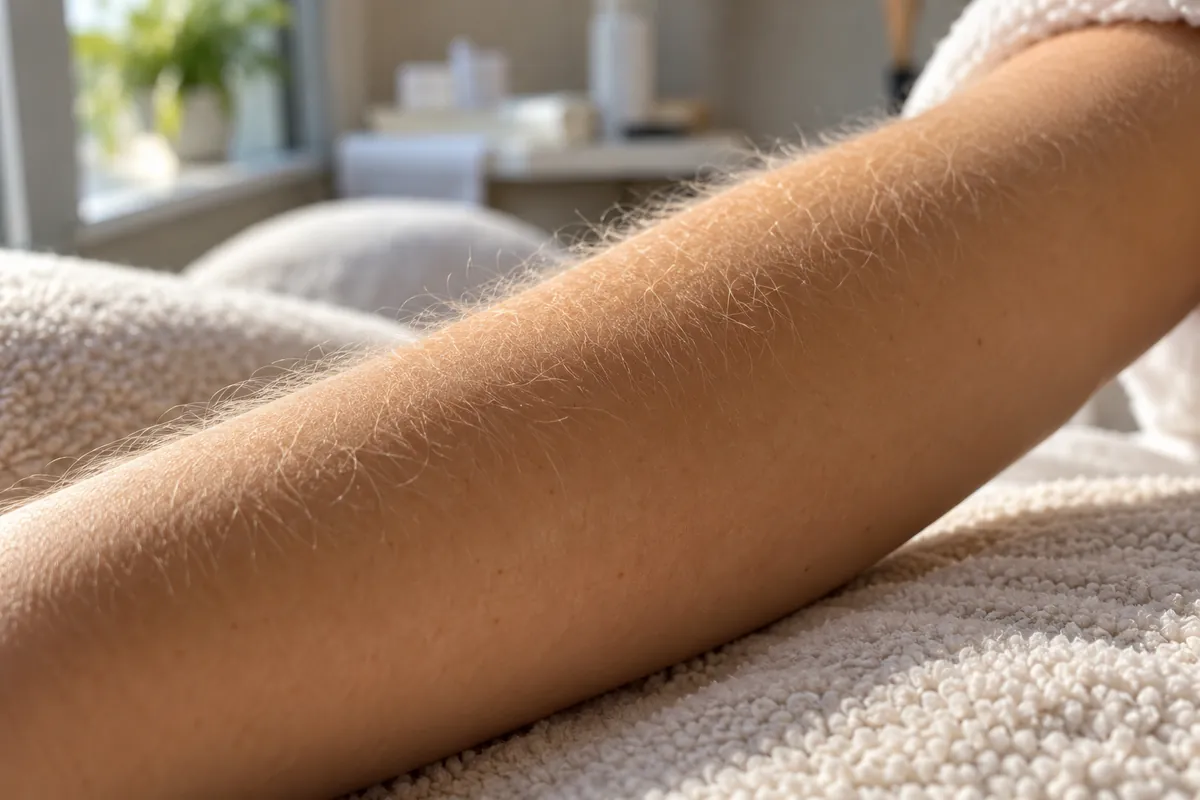
Quick answer
For thin, fine hair, electrolysis is the most reliable permanent option because it works on any hair color and thickness, one follicle at a time. For temporary smoothness, dermaplaning, threading, sugaring and gentle hard wax all handle fine hair well. Laser and IPL tend to struggle with fine, light hair because they need dark pigment and enough hair thickness to absorb energy.
Fine hair is the kind of hair that frustrates people most, because it is often the hair they notice in mirrors with side lighting and the hair that the most advertised methods handle worst. Clients come to me after spending money on laser packages for soft facial hair, light blonde arm hair or thin peach fuzz along the jaw, and they are surprised that so little changed. The problem was rarely the clinic. The problem was matching a method that depends on dark, coarse pigment to hair that has very little of either.
In more than twenty years as a licensed electrologist and cosmetologist, I have worked on every type of fine hair you can imagine: vellus fuzz, light terminal hairs that are thin but long, gray strands mixed into dark ones, and hairs that changed after hormonal shifts. This guide focuses only on that problem. It explains why fine and light hair behaves differently, which methods actually work on it, which ones waste time and money, and how to build a plan that fits your skin, your budget and the area you are treating.
Short answer: for thin, fine hair, electrolysis is the most reliable permanent option because it works on any hair color and thickness, one follicle at a time. For temporary smoothness, dermaplaning, threading, sugaring and gentle hard wax all handle fine hair well. Laser and IPL tend to struggle with fine, light hair because they need dark pigment and enough hair thickness to absorb energy.
What Counts as Fine Hair and Why It Matters
Fine hair is hair with a small diameter, and it matters because the thickness and pigment of a hair decide which removal methods can grab it, heat it or destroy its root. A practitioner looks at three separate traits: diameter (thin or coarse), color (dark, red, blonde, gray or white) and type (vellus or terminal). These traits combine in different ways. A dark but thin facial hair is very different from a thick blonde leg hair, and both are different again from colorless peach fuzz on the cheek.
Vellus hair is the short, soft, usually unpigmented hair that covers most of the body from childhood. Terminal hair is the longer, thicker, usually pigmented hair of the scalp, brows, underarms and bikini line. Between them sits a gray zone that clients often describe as "fine but annoying": hairs that are longer than vellus, slightly darker, but still thin. Hormonal changes can turn some vellus hairs into terminal ones over time, which is why fine facial hair sometimes starts to look thicker in the late twenties, during perimenopause or with conditions such as PCOS.
Why this matters in practice: every method grips, heats or destroys hair through a specific mechanism. Wax and sugar need enough hair length and surface for the product to hold. Tweezers and thread need a hair firm enough to grasp. Light-based devices need pigment to absorb energy. Electrolysis needs only a follicle that a fine probe can enter. Once you see that, the "best" method for fine hair stops being a matter of opinion and becomes a matter of mechanics.
One more distinction is worth making early. Some people with fine hair do not have a hair problem at all; they have a lighting problem or a skin texture concern. If the hair is truly vellus and only visible under harsh light, a gentle temporary method may be all that is needed. If the hair is fine but terminal and keeps getting longer or darker, a permanent plan usually makes more sense in the long run.
Best Hair Removal Methods for Thin Fine Hair
The best hair removal methods for thin fine hair are electrolysis for permanent results and dermaplaning, threading, sugaring or hard wax for temporary results, chosen by body area and skin sensitivity. Laser and IPL can work on fine hair only when that hair is still reasonably dark and the skin is lighter than the hair, which is the opposite of what most people with fine hair have.
I do not rank methods in a single list, because a method that is perfect on the upper lip can be impractical on the legs. Instead, I think in terms of goals. If the goal is permanent removal of a limited number of hairs, electrolysis is the clear choice. If the goal is smooth skin before an event, threading or dermaplaning on the face and sugaring on the body give good results with little irritation. If the goal is low effort on large areas covered with fine light hair, shaving or trimming is often more sensible than any salon service.
| Method | Works on fine hair? | Works on light or gray hair? | Result type | Best areas for fine hair |
|---|---|---|---|---|
| Electrolysis | Yes, any diameter | Yes, color does not matter | Permanent | Face, neck, brows, small body areas |
| Laser hair removal | Often poorly | No, needs pigment | Long-term reduction | Only darker fine hair on lighter skin |
| IPL | Often poorly | No, needs pigment | Reduction | Limited use on fine light hair |
| Threading | Yes, grips short fine hair | Yes | Temporary, from root | Brows, upper lip, cheeks, chin |
| Sugaring | Yes, grips well | Yes | Temporary, from root | Face, arms, legs, bikini |
| Hard wax | Yes, with good technique | Yes | Temporary, from root | Face, underarms, bikini |
| Dermaplaning | Yes, removes vellus at surface | Yes | Temporary, surface | Face only |
| Shaving or trimming | Yes | Yes | Temporary, surface | Legs, arms, body |
The table above is a starting point, not a prescription. Skin type, medications, hormonal background and how much time you want to spend on maintenance all change the picture. For a wider comparison of all major methods on all hair types, see our full guide to hair removal methods compared. This article stays with the specific question of fine and light hair.
Why Laser and IPL Struggle With Fine and Light Hair
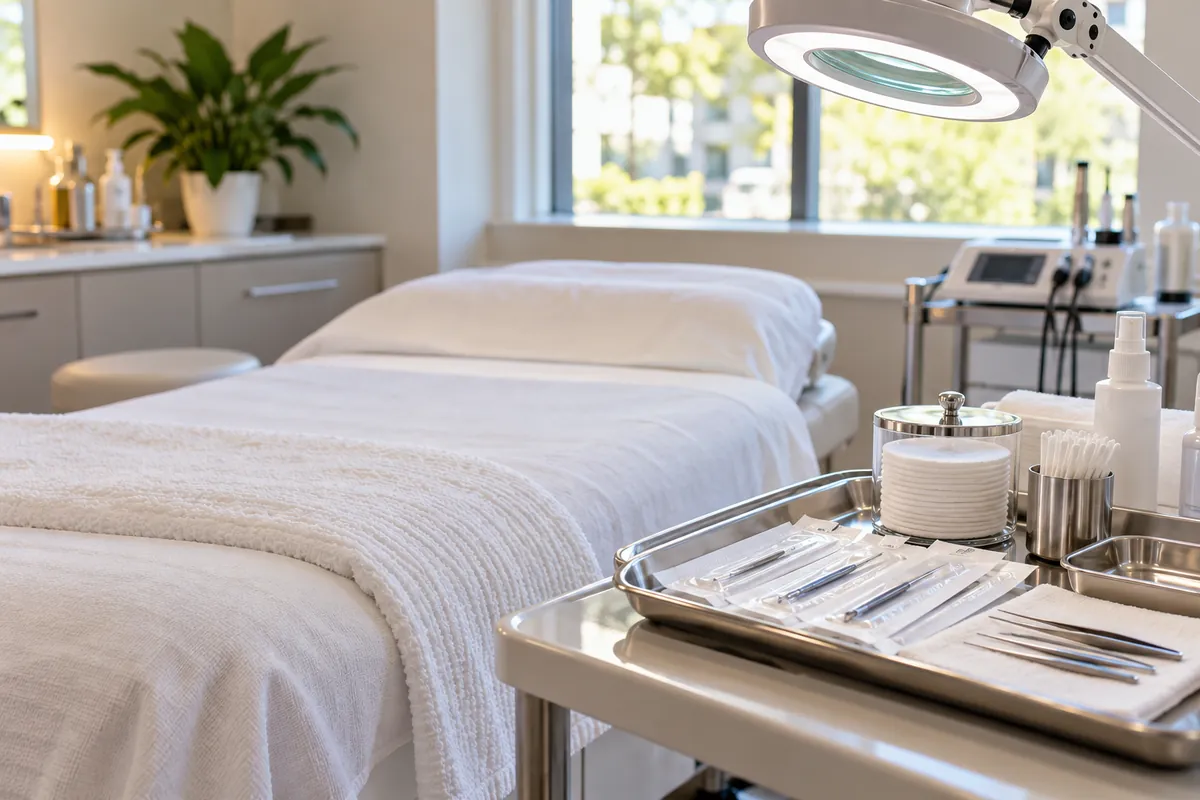
Laser and IPL struggle with fine and light hair because they rely on melanin in the hair shaft to absorb light and turn it into heat, and fine, blonde, red, gray or white hair does not hold enough melanin to reach the root at a useful temperature. This is not a defect of a specific device or clinic; it is how selective photothermolysis works. The light targets dark pigment, and without enough of it, there is nothing to heat.
Hair thickness adds a second limit. Even when a fine hair is fairly dark, its small diameter means less pigment overall and less ability to store and conduct heat to the follicle. Many clients see some thinning after laser, but fine hair often comes back looking much the same. Some people even notice paradoxical hypertrichosis, a documented effect where laser stimulates finer surrounding hairs to grow thicker, most often on the face and neck. It is not common, but it is a known risk worth discussing with a provider before treating fine facial hair.
Skin tone matters too. Laser works best when hair is clearly darker than the skin around it. If skin is tanned or naturally deep and the hair is fine, the contrast is low, and the device has to be set conservatively to protect the skin. That makes it even less effective on fine hair. Our guides on IPL hair removal and diode laser hair removal explain the technology in more detail if you are weighing these options.
None of this means laser is a bad technology. On coarse, dark hair it is efficient for large areas. It simply is not the tool for the fine and light hair this article is about. When a client with mixed hair comes to me, we sometimes combine the two: laser for the coarse dark hairs where it works, then electrolysis for the remaining fine, light or gray ones. Our guide on electrolysis after laser hair removal covers how that sequence works.
Electrolysis: Why It Works on Any Hair Color and Thickness
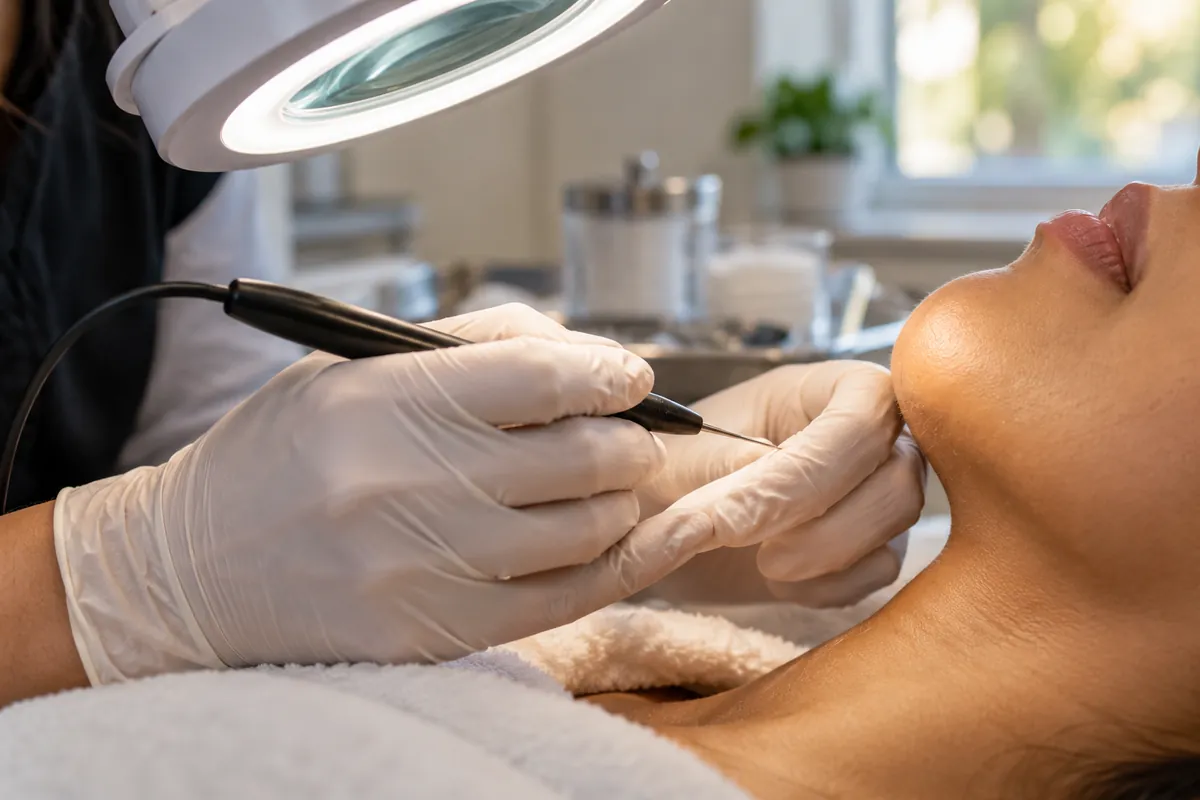
Electrolysis works on fine hair of any color because a trained electrologist slides a very thin probe into the natural opening of each follicle and uses electrical energy to destroy the growth cells directly, so pigment and diameter do not limit the result. It is also the only hair removal method the FDA accepts for permanent hair removal claims, which makes it the standard for anyone who wants fine hairs gone for good.
Fine hairs have small follicles, and that is actually an advantage in electrolysis. A shallow, narrow follicle usually needs less energy to treat than a deep, coarse one. Experienced practitioners choose a finer probe, adjust intensity and timing for the area, and work in short, comfortable sessions. Thermolysis is often efficient on fine facial hair, while blend can help with curved or stubborn follicles. Our article on galvanic, thermolysis and blend explains the three modalities.
There are trade-offs. Electrolysis treats one follicle at a time, so it takes more total time than laser on large areas. Hair grows in cycles, so a follicle that is resting during one visit will be treated on a later visit, and most clients need a series of sessions. The exact number varies with hair density, hormones and previous tweezing or waxing. Our guide on how many sessions electrolysis takes explains why the number varies so much.
On truly vellus fuzz across a whole cheek, electrolysis is rarely a sensible plan, because there are simply too many tiny hairs and they may not bother anyone at conversational distance. Where electrolysis shines is on fine terminal hairs: the chin, upper lip, jawline, neck, brows, nipples, navel line and small body areas where a limited number of hairs keep coming back. For gray strands specifically, our guide on electrolysis for gray hair covers the details.
Temporary Methods That Handle Fine Hair Well
Temporary methods that handle fine hair well are threading, sugaring, hard wax and dermaplaning, because each one either grips short thin hairs firmly or removes them cleanly at the surface without needing pigment. The right choice depends on the area and on how sensitive your skin is.
Threading uses a twisted cotton thread to catch rows of hair and lift them from the follicle. It is excellent for fine facial hair because the thread grips even very short, soft hairs and does not pull on the skin surface the way strip wax can. It works well on the brows, upper lip, chin and the sides of the face. People with very reactive skin often tolerate it better than wax. Our guide on electrolysis versus tweezing and threading compares it with permanent removal.
Sugaring uses a paste of sugar, lemon and water applied against the hair growth and flicked off in the direction of growth. The paste wraps around fine hairs well and sticks less to live skin, which makes it a strong choice for fine hair on the arms, legs and face. Hard wax shrink-wraps around hairs as it cools and also grips fine hair well, especially on small areas such as the upper lip and underarms. Soft strip wax can work on fine hair too, but it is more likely to leave short hairs behind and to irritate delicate skin if the technician is not careful.
Dermaplaning uses a sterile blade to remove vellus hair and dead surface cells from the face. It does not touch the root, so results are short-lived, but it is very good at making makeup sit smoothly. The hair does not grow back thicker or darker; that is a myth. Shaving works the same way on the body. Both are surface methods, so they are fast and painless but need frequent repetition.
Methods to Avoid or Use Carefully on Fine Hair
The methods to avoid or use carefully on fine hair are home laser or IPL devices, depilatory creams on the face, frequent tweezing of fine terminal hairs, and aggressive soft wax on thin skin, because each one either does little to fine hair or carries an irritation risk that outweighs the benefit.
Home light devices have the same pigment limit as clinic lasers, often with less power. On fine light hair, they usually produce little change. They also come with skin tone warnings that many people skip. Depilatory creams dissolve the hair shaft chemically. They can work on fine body hair, but on facial skin they often sting, redden or cause chemical irritation, especially near the lips and on skin that uses retinoids or acids.
Tweezing deserves its own warning. Fine terminal hairs on the chin or neck tempt people to pluck every day. Repeated tweezing can distort follicles, cause ingrown hairs and make later electrolysis a little harder because the follicle may be bent. It does not cause more hairs to grow, but it does not reduce them either. Our guide on electrolysis for ingrown hairs explains how distorted follicles are treated.
Soft strip wax on thin facial skin can lift the top layer of skin, especially if you use retinoids, acne medications or exfoliating acids. This is not a reason never to wax; it is a reason to tell your provider about everything you use on your skin. Our guide on waxing contraindications lists the situations where waxing should wait.
Fine Hair by Body Area: What I Recommend
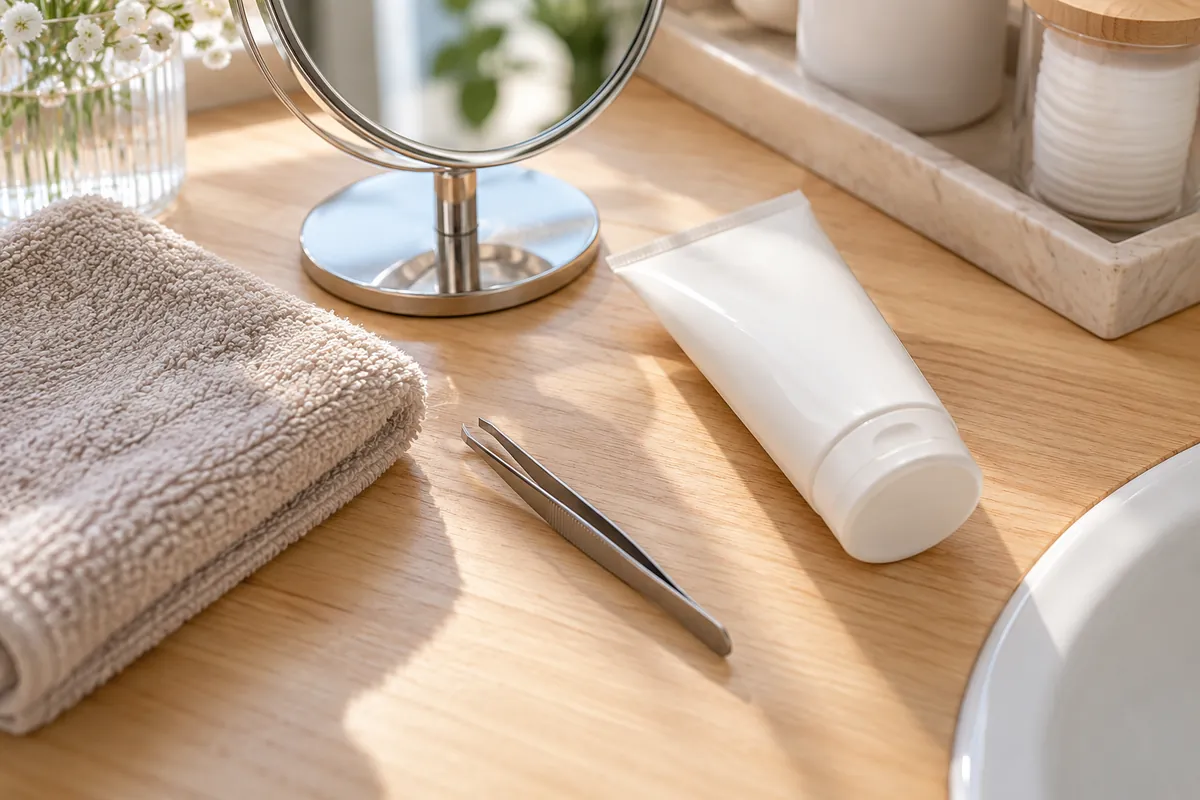
The best method for fine hair changes by body area: threading or electrolysis for the face, sugaring or shaving for the arms and legs, and electrolysis for small sensitive areas where a few fine hairs keep returning. Here is how I think about each zone with clients.
- Upper lip: threading, hard wax or sugaring for temporary results; electrolysis for permanent removal of fine dark or light hairs. Laser rarely helps if hair is light.
- Chin and jawline: electrolysis is the strongest option, especially for scattered fine terminal hairs linked to hormones. Avoid daily tweezing.
- Cheeks and sideburn area: dermaplaning or threading for vellus fuzz; electrolysis only for distinct, longer hairs.
- Neck: electrolysis for fine stray hairs; shaving for men who prefer it. Laser can cause stimulation of finer hairs in some people.
- Eyebrows: threading or tweezing for shape; electrolysis for permanent cleanup of strays outside the brow line.
- Arms: sugaring or shaving. Fine light arm hair is usually not worth permanent treatment.
- Legs: shaving, sugaring or waxing. Permanent removal of fine leg hair is possible but time intensive.
- Nipples, navel and toes: electrolysis works well for a limited number of fine hairs.
For facial work specifically, our electrolysis for the face guide goes through each zone in more detail. If your main concern is a few fine hairs on the upper lip, the upper lip electrolysis guide covers aftercare and session planning for that small, sensitive area.
Clients often ask whether they should treat everything at once. With fine hair, I usually suggest starting with the area that bothers you most. Many people discover that once the visible strays on the chin or lip are gone, the remaining vellus fuzz no longer matters to them. That saves both time and money, and it keeps the skin calmer during treatment.
Skin Tone, Hormones and Sensitivity With Fine Hair
Skin tone and sensitivity change the choice for fine hair because light-based methods carry more risk on deeper skin, while root-removal and electrolysis can be adapted to any skin tone when done by a trained practitioner. This is one of the most important reasons electrolysis remains the standard for mixed hair and skin combinations.
On deeper skin tones, the main concerns are hyperpigmentation and ingrown hairs. Waxing, sugaring and threading can all trigger post-inflammatory darkening if the skin is irritated repeatedly. Electrolysis carries its own risks, such as temporary redness, small scabs or, with poor technique, marks, but it does not rely on skin-hair contrast. Our guide on electrolysis for dark skin explains how practitioners adjust settings and aftercare.
Sensitive skin needs a slower plan whatever the method. With threading and sugaring, that means shorter sessions and a soothing, fragrance-free aftercare routine. With electrolysis, it means lower energy, more spacing between treated follicles and avoiding overtreating one small area in one visit. Our electrolysis for sensitive skin guide lists the practical adjustments I use.
Hormones and age change fine hair over time, turning some soft vellus hairs into darker or thicker terminal hairs, which is why a fine hair plan often needs to be revisited every few years. This is especially common in women after their mid-thirties, during perimenopause and after menopause, and in people with PCOS or other conditions that raise androgen activity.
The practical consequence is that a method that worked at twenty-five may not work at forty-five. Threading every few weeks might have been enough for fine lip hair, but scattered chin hairs that appear later grow faster and coarser. At the other end, hair can lose pigment with age and turn gray or white. Gray hair is even harder for laser than blonde hair, so many older clients who had laser in the past move to electrolysis for the remaining gray strands.
Hormonal hair can continue to appear even after successful treatment, because new follicles can be activated over time. That does not mean the earlier work failed; it means the body is producing new hair. Our guide on hormonal hair growth and electrolysis and the dedicated article on PCOS and unwanted hair explain how practitioners plan around this.
If you are working with a physician on a hormonal condition, it often makes sense to start medical management first and electrolysis alongside it. Medication can slow new growth, while electrolysis handles the follicles that are already active. Neither replaces the other.

Cost, Time and Maintenance for Fine Hair
For fine hair, cost and time depend on how many hairs you are treating and how often you are willing to repeat a temporary method, so a small permanent treatment can sometimes be cheaper over the years than endless temporary visits. I avoid quoting numbers here because prices vary widely by city, provider and method, and any national figure would be misleading.
A useful way to compare is to count real effort. With threading or waxing, you pay for each visit, and you will keep paying for as long as you want the result. With shaving or dermaplaning, the cost is low but the time is ongoing. With electrolysis, you pay for a series of sessions that taper off as follicles are permanently treated. For a limited number of fine facial hairs, many clients find that the electrolysis series ends sooner than they expected.
For large areas of fine light hair, like whole legs or arms, the math usually goes the other way. Permanent treatment of every fine hair on large areas takes a lot of time, and most people decide that shaving or sugaring is more practical. Our guide to electrolysis cost explains the pricing models you will see, including per-minute and package billing.
There is also a hidden cost that clients rarely count: skin recovery. Every root-removal visit irritates the follicles a little, and on thin facial skin that can mean redness before work, occasional bumps and, on deeper skin tones, dark spots that take weeks to fade. If you are waxing or threading the same fine hairs every few weeks for years, the skin pays for it repeatedly. A finite electrolysis plan also causes temporary redness, but it ends once the follicles are treated. When I help clients compare options, I ask them to imagine the next five years rather than the next five weeks. A method that feels cheaper today can become the more expensive and more irritating choice over a long horizon, especially for scattered fine terminal hairs on the chin, lip and neck that never stop growing on their own.

What Clients Get Wrong About Fine Hair Removal
The most common mistakes with fine hair removal are buying laser for light hair, tweezing fine chin hairs daily, expecting one electrolysis session to finish the job and treating vellus fuzz that no one else notices. Each mistake costs time or money, and some cost skin health as well.
- Booking laser without checking candidacy. Ask the provider directly whether your hair color and thickness respond to their device. A good provider will tell you no if the answer is no.
- Plucking between electrolysis sessions. Tweezing removes the hair the electrologist needs to see and treat. Trimming or shaving is fine; see our guide on shaving between electrolysis sessions.
- Expecting instant permanence. Hair grows in cycles, so a series is normal. Our guide on hair growth phases explains why.
- Skipping aftercare. Fine facial skin reacts to heat, sweat and makeup after treatment. Follow the aftercare plan.
- Ignoring sudden changes. New or spreading hair may have a medical cause worth checking.
- Comparing yourself to others. Two people with "fine hair" can have very different follicles, hormones and skin, so timelines differ.
Another quiet mistake is choosing a provider only on price. With fine hair, technique matters more than with coarse hair. A careless threader can cause broken hairs and irritation. A careless electrologist can overtreat and mark the skin. Ask about training, licensing and sanitation, and look at how the practitioner explains the plan before you start.
How to Choose a Provider for Fine Hair
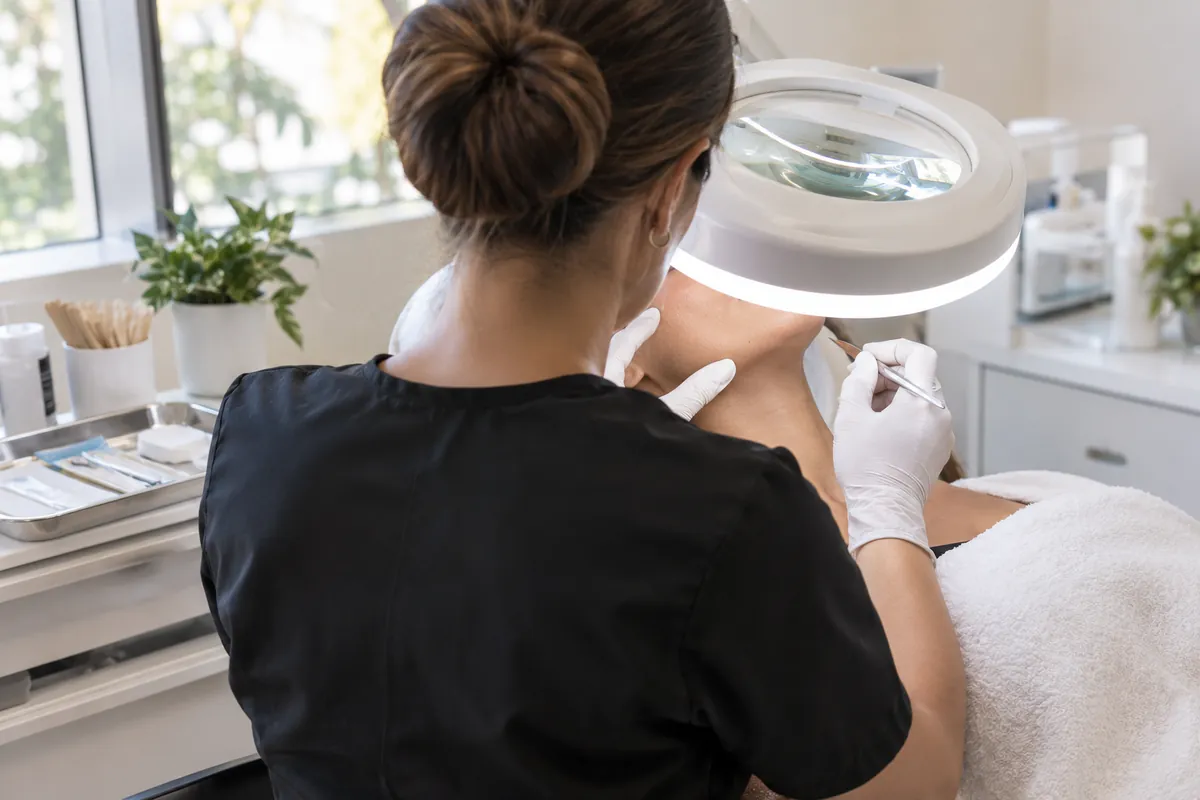
To choose a provider for fine hair, look for a licensed practitioner who examines your hair under magnification, explains why a method fits your hair color and thickness, and offers a test area or short first session before committing to a long plan. These steps protect you from paying for a method that cannot work on your hair.
In a good consultation, the practitioner asks about medications, skin care products, hormonal history, past hair removal and any scarring or pigmentation tendency. They look at the hairs up close, not just from across the room. They describe aftercare in plain terms and tell you what results to expect on your specific hair. If a provider promises that one method suits every hair type, treat that as a warning sign.
Licensing matters. In most states, electrologists hold a specific license, and waxing is usually performed by licensed estheticians, cosmetologists or specialty waxing licensees. Requirements vary by state, so check your state board or our electrolysis licensing hub. You can also review our guide on which electrolysis reviews to trust when comparing local options.
Aftercare for Fine Hair Areas
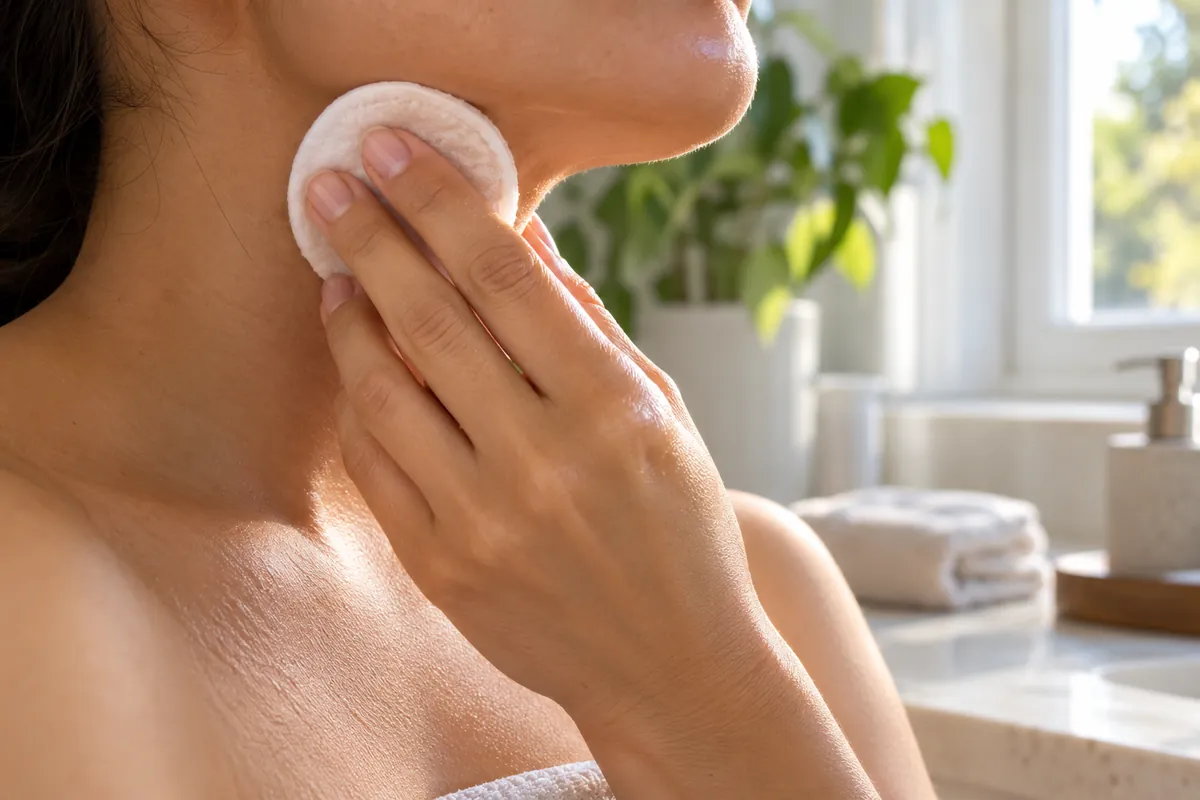
Aftercare for fine hair areas is simple but important: keep the skin clean, avoid heat and friction for the rest of the day, skip actives and makeup on freshly treated skin, and use sun protection on the face. Fine hair often grows on thin, reactive skin, so small mistakes show quickly.
After threading, waxing or sugaring, redness and small bumps usually settle within hours. Avoid hot showers, saunas, workouts and tight clothing on the area until the skin calms. On the face, avoid retinoids and exfoliating acids for a short period and do not pick at bumps. After electrolysis, you may see redness, slight swelling and, on some skin, tiny pinpoint scabs. Let them fall off on their own. Our electrolysis aftercare guide covers this step by step, and the waxing aftercare guide does the same for root removal.
If redness lasts longer than expected, if bumps fill with pus or if you see darkening that does not fade, contact your practitioner. Persistent or worsening reactions sometimes need a dermatologist's input. It is better to ask early than to wait.
For Practitioners: Working With Fine Hair
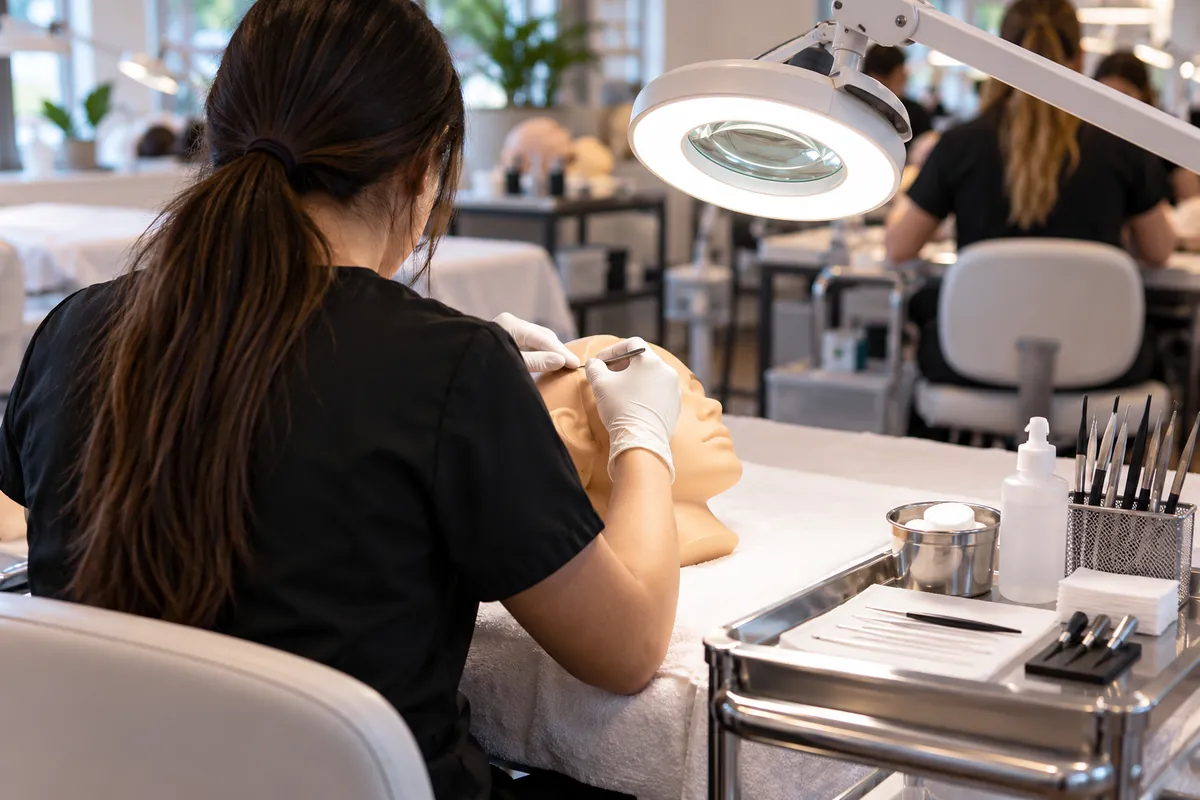
Practitioners working with fine hair need sharper diagnostic skills than those working mainly with coarse hair, because the right method and settings depend on reading diameter, color and follicle depth accurately. This is one of the clearest differences between a beginner and an experienced electrologist or waxing specialist.
In electrolysis, fine hair rewards precise insertion and careful energy settings. A fine follicle is easy to overtreat, so beginners learn to start low, watch the skin response and check that the treated hair releases without traction. Good lighting and magnification are not optional. Our guide on electrolysis insertion technique for beginners and the electrolysis needles guide cover probe choice and angle.
In waxing and sugaring, fine hair tests product control. The wax temperature, thickness of application and speed of removal all affect whether short fine hairs come out cleanly or break. If you want to build these skills, our online electrolysis course and online waxing course teach the theory behind both. Online theory helps you prepare, but it never replaces the in-person hours and license your state requires.
Your Next Step
Your next step is to decide whether you want fine hair gone permanently or simply managed, then match the method to that goal and to the specific area. If a few fine hairs on the face or a small body area bother you, book a consultation with a licensed electrologist and ask for a short test session. If you have soft fuzz that only shows under certain light, start with threading, dermaplaning or sugaring and see whether that is enough.
If you are a practitioner or planning to become one, learning to handle fine hair well is one of the most valuable skills you can build, because these are the clients other methods have failed. Start with solid theory, then complete your state's required training and licensing.
Whatever you choose, give the method a fair trial and judge it by how your hair actually responds, not by marketing claims. Fine hair is common, and with the right approach it is very manageable.

State Requirements
State licensing guides
Hours, exams, fees, and the licensing board differ by state. Open your state for the current requirements.
Looking for a practitioner or a program near you? Browse electrologists by state and city or beauty schools by state.
Common Questions
FAQ
For permanent results, electrolysis is the best method for thin fine hair because it treats each follicle directly and works on any color and thickness. For temporary results, threading and dermaplaning suit the face, while sugaring and hard wax grip fine hair well on the body. Laser and IPL usually perform poorly on fine, light hair because they need dark pigment.
Usually not well. Laser targets melanin in the hair shaft, and fine blonde, red, gray or white hair has too little pigment to absorb enough energy. Some people see slight thinning, but many see little change. A reputable provider will assess your hair and tell you honestly whether you are a candidate before you buy a package.
Yes. Electrolysis destroys the growth cells inside the follicle using electrical energy, so hair color does not matter. It is the only method the FDA accepts for permanent hair removal claims. Because hair grows in cycles, you need a series of sessions. Read our guide on how long electrolysis lasts for more detail.
Both can work. Threading grips very short, soft hairs well and does not pull the skin surface, so it often suits sensitive faces and people using retinoids. Hard wax also grips fine hair and is fast on small areas. Strip wax is more likely to irritate thin facial skin. The skill of the provider matters as much as the method.
No. Shaving and dermaplaning cut the hair at the surface and do not change the follicle. The regrowing hair can feel blunt because it has a cut tip instead of a natural tapered tip, but it is not thicker, darker or more numerous. This is one of the most persistent hair removal myths.
It depends on how many hairs you have, how active your hormones are and whether the hairs were tweezed or waxed before. Fine hairs often need less energy per follicle, but every follicle still needs to be treated during active growth. Your electrologist will estimate a plan after a consultation and adjust as hair responds.
Electrolysis is the most reliable option for gray or white chin hairs because it does not depend on pigment. Laser and IPL cannot target gray hair. For temporary control between sessions, trimming is better than tweezing, because tweezing removes the hair your electrologist needs to treat. See our chin electrolysis guide.
Keep Reading
Related Guides


